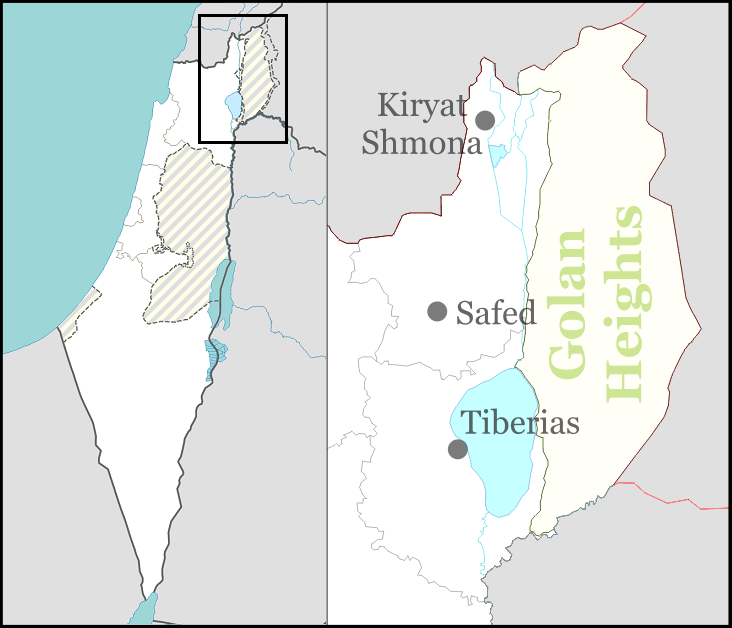
Explore the Map
Ubeidiya prehistoric site
32.6894° N, 35.5569° E
About
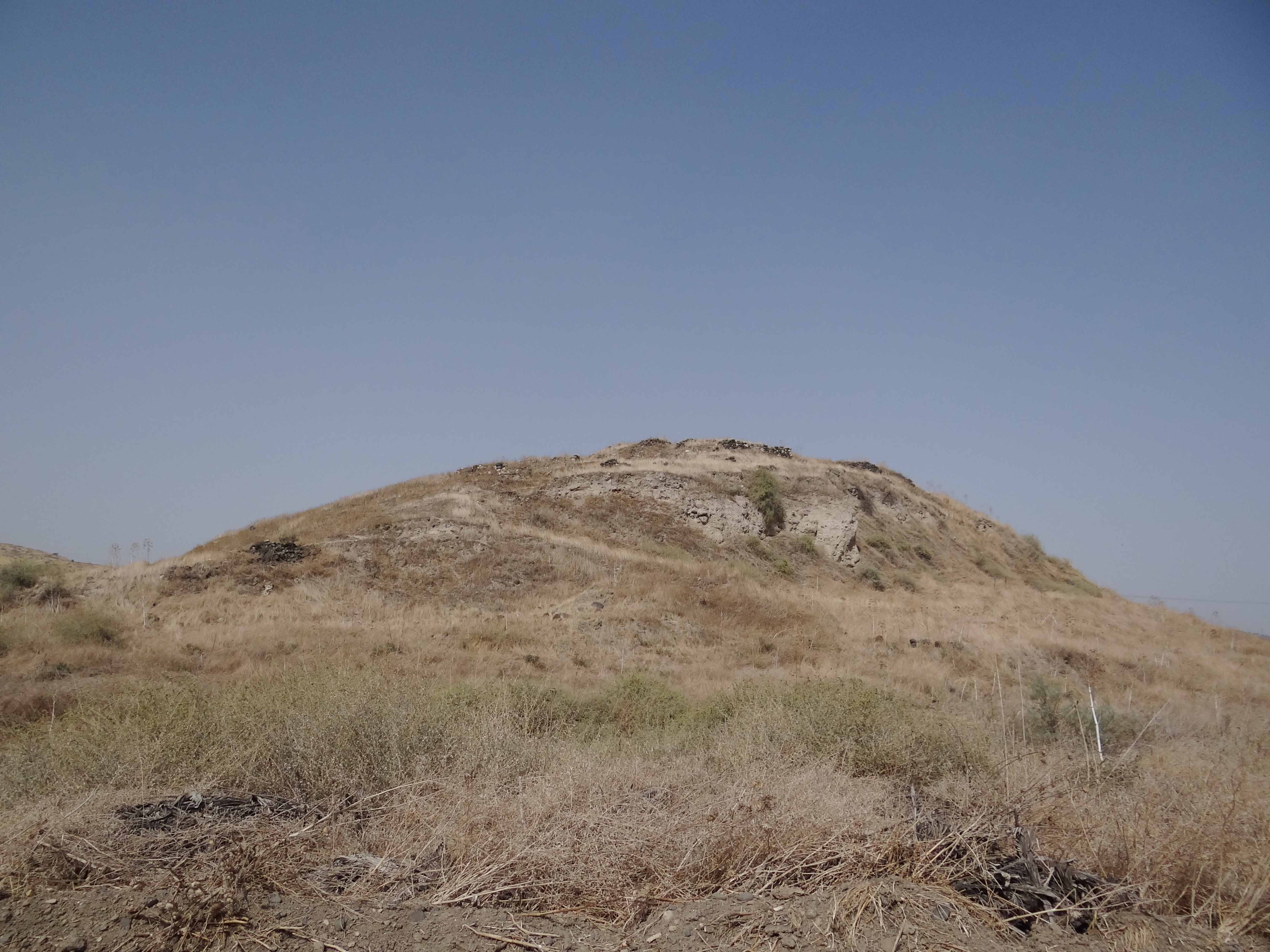
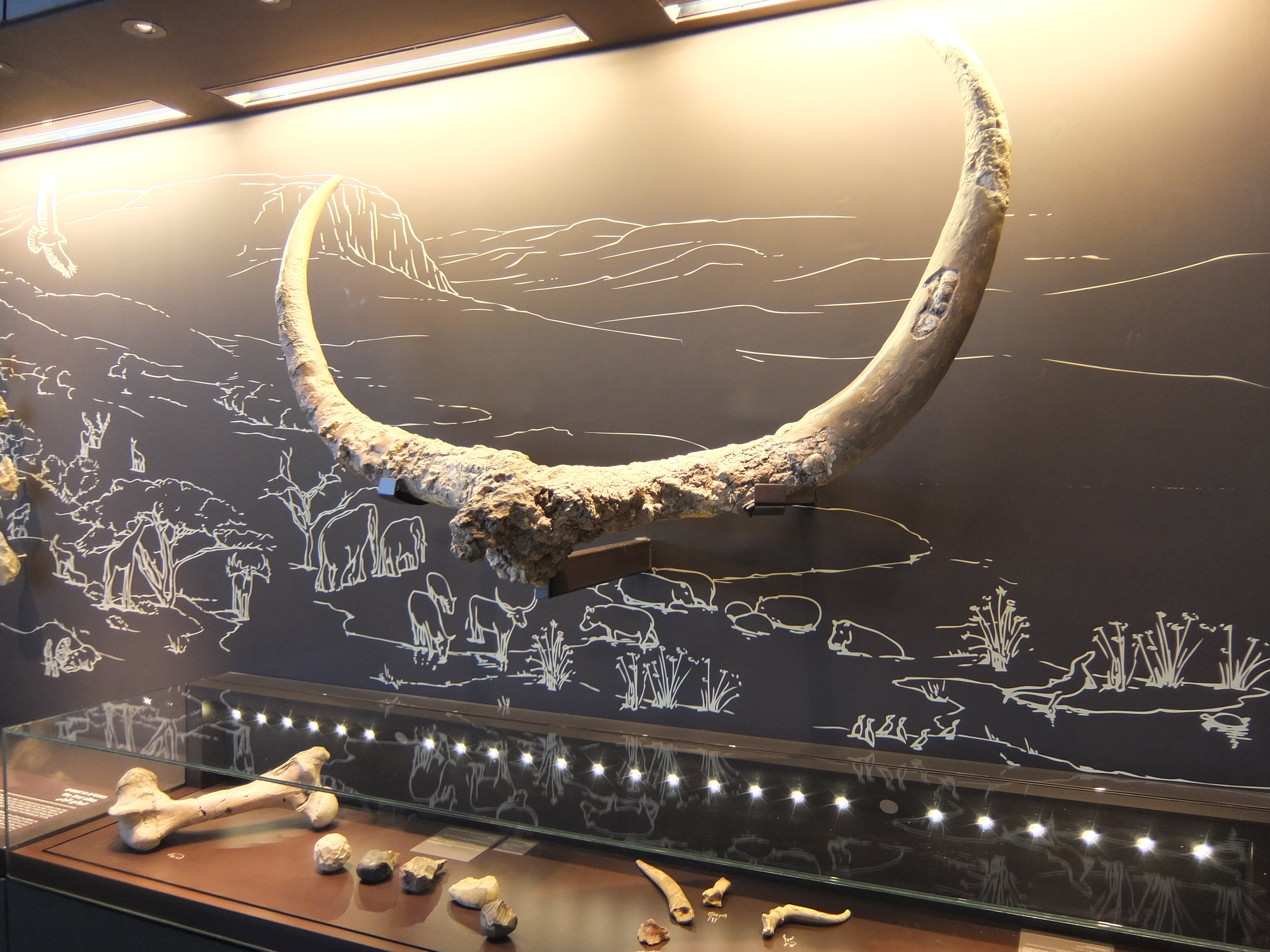
The Ubeidiya prehistoric site, located in the Jordan Rift Valley, Israel, is a significant archaeological site dating to the early Pleistocene, approximately 1.5 million years ago. It is one of the earliest known sites of Homo erectus migration out of Africa, second only to Dmanisi in Georgia. The site has yielded a variety of Acheulean stone tools, such as hand axes, and sparse human remains, including a juvenile hominin vertebra. Additionally, Ubeidiya contains numerous animal remains, with species both extinct, like mammoths and sabre-toothed cats, and extant, such as hippopotamuses. The stratified layers of the site offer insight into the ancient environment and early human activity. These findings have contributed significantly to our understanding of early hominin dispersal and adaptation.
Gallery
Explore photographs of ancient structures, artifacts, and archaeological excavations
Historical Timeline
Journey through time and discover key events in this site's history
Hominin occupation
1.5 million years ago
Archaeological Features
Unique architectural and cultural elements found at this historical site
Miscellaneous Features
Environmental and Natural Features
Frequently Asked Questions
Plan Your Visit
Tours, travel arrangements, and practical information
More Sites in Israel
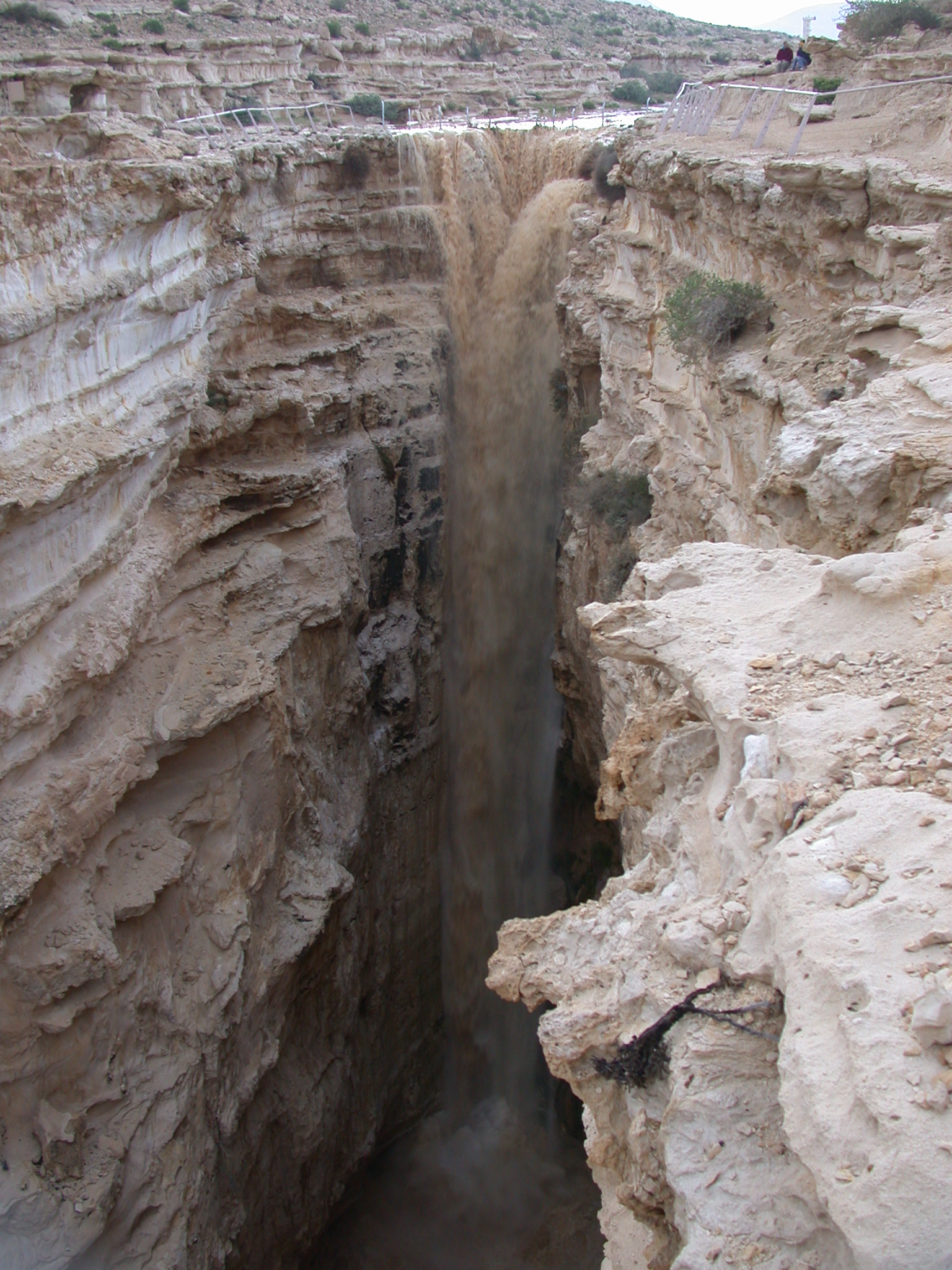
Ein Avdat
Desert canyon with springs and ancient habitations.
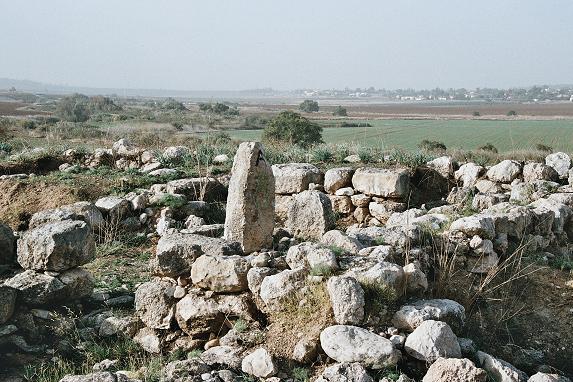
Timnah
Philistine city in Sorek Valley, Israel.
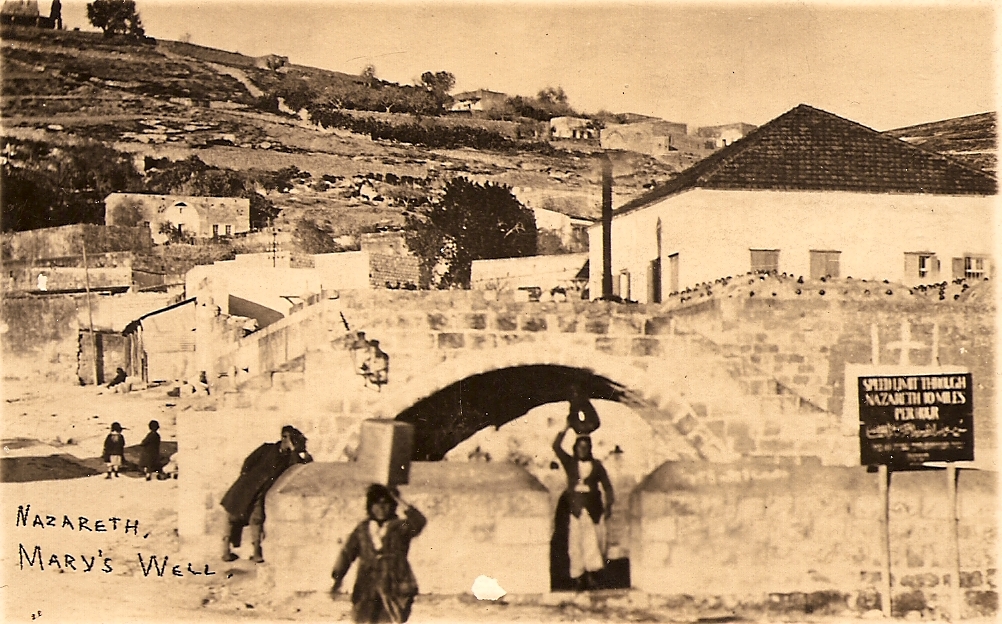
Mary's Well
Ancient water supply with religious significance
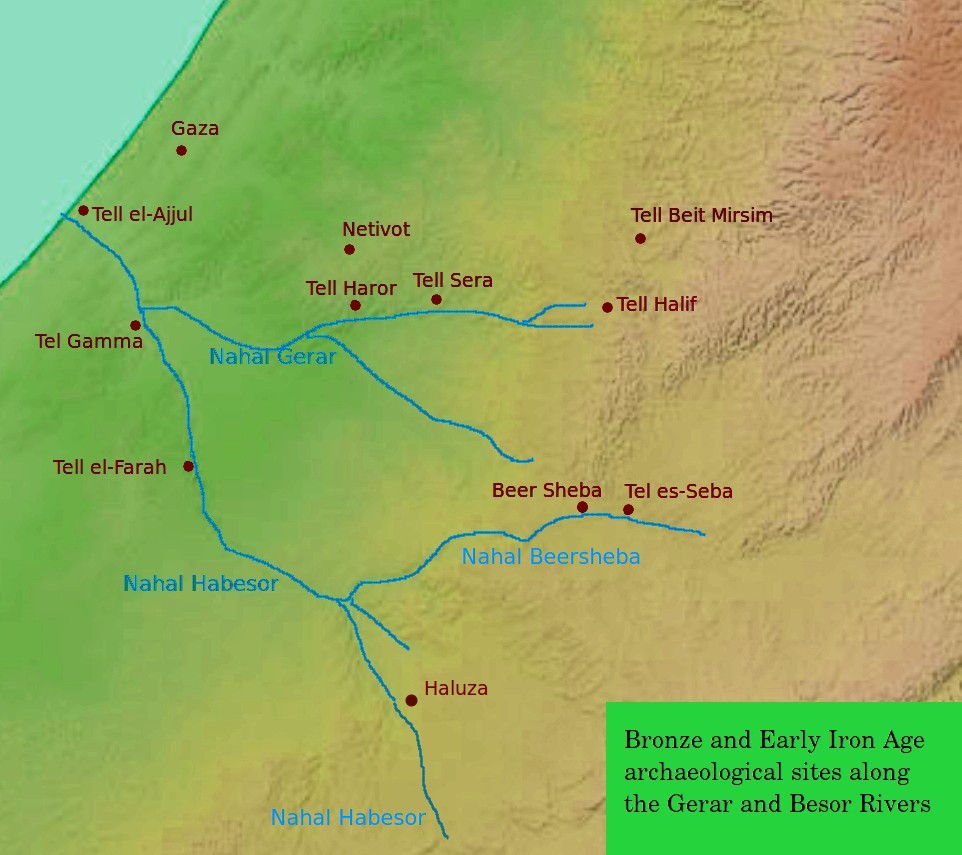
Tel Be'er Sheva
Iron Age city with fortified structures
Gath-hepher
Ancient town with prophet's tomb nearby.
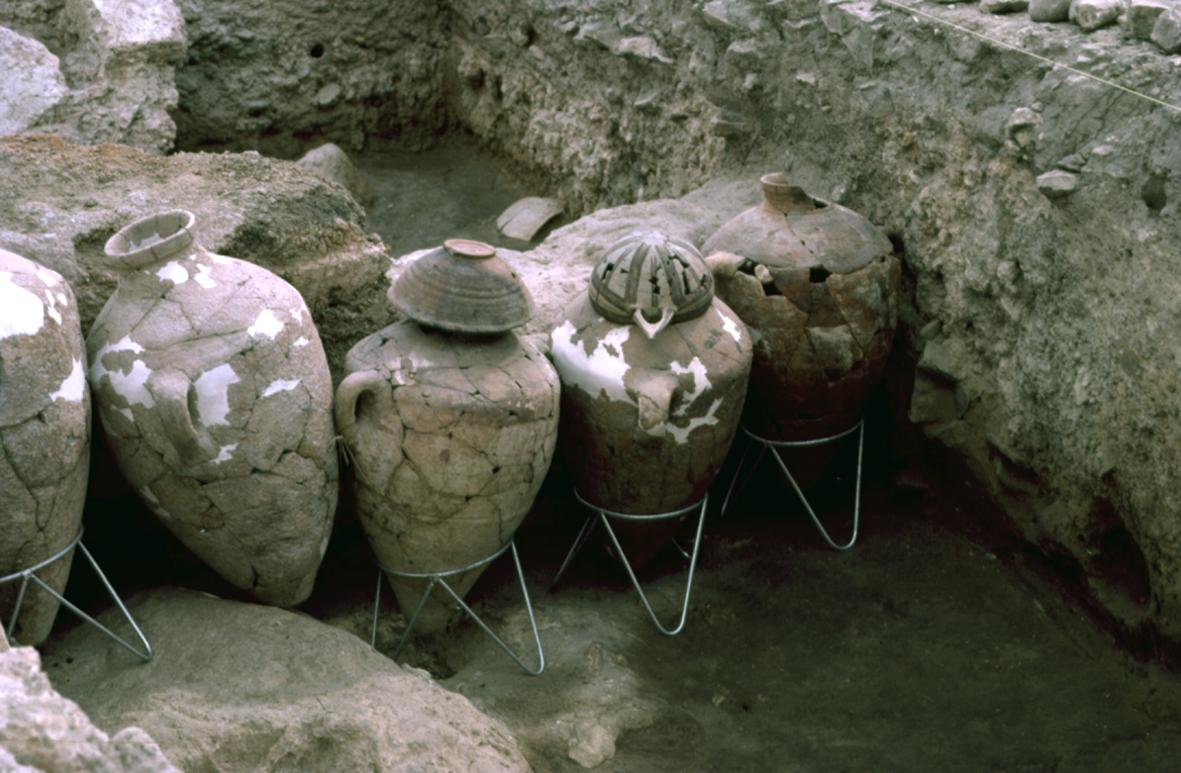
Tell Abu Hawam
Bronze Age port city near Haifa