
Explore the Map
Megiddo church (Israel)
32.5712° N, 35.1913° E
About
The Megiddo Church in Israel is an archaeological site preserving one of the earliest known church buildings, dating to the 3rd century CE. The site includes a well-preserved mosaic floor featuring geometric patterns and early Christian symbols, such as fish, along with Greek inscriptions. The church is believed to have been constructed around 230 CE, based on pottery, coins, and inscriptional evidence, during a time of Christian persecution under Roman rule. It was abandoned around 305 CE, likely due to the Diocletianic Persecution. The site was discovered by archaeologist Yotam Tepper in 2005 near Megiddo Prison in the ancient Roman town of Legio. The discovery provides valuable insights into early Christian worship practices and the spread of Christianity in the region.
Gallery
Explore photographs of ancient structures, artifacts, and archaeological excavations

Historical Timeline
Journey through time and discover key events in this site's history
Construction of Church
230 CE
Abandonment of Church
305 CE
Archaeological Features
Unique architectural and cultural elements found at this historical site
Religious and Ritual Structures
Artistic and Decorative Features
Frequently Asked Questions
Plan Your Visit
Tours, travel arrangements, and practical information
More Sites in Israel
Tel Ro'im
Limestone hill with Roman-Byzantine caves

Magdala
Ancient Jewish city with Roman synagogues
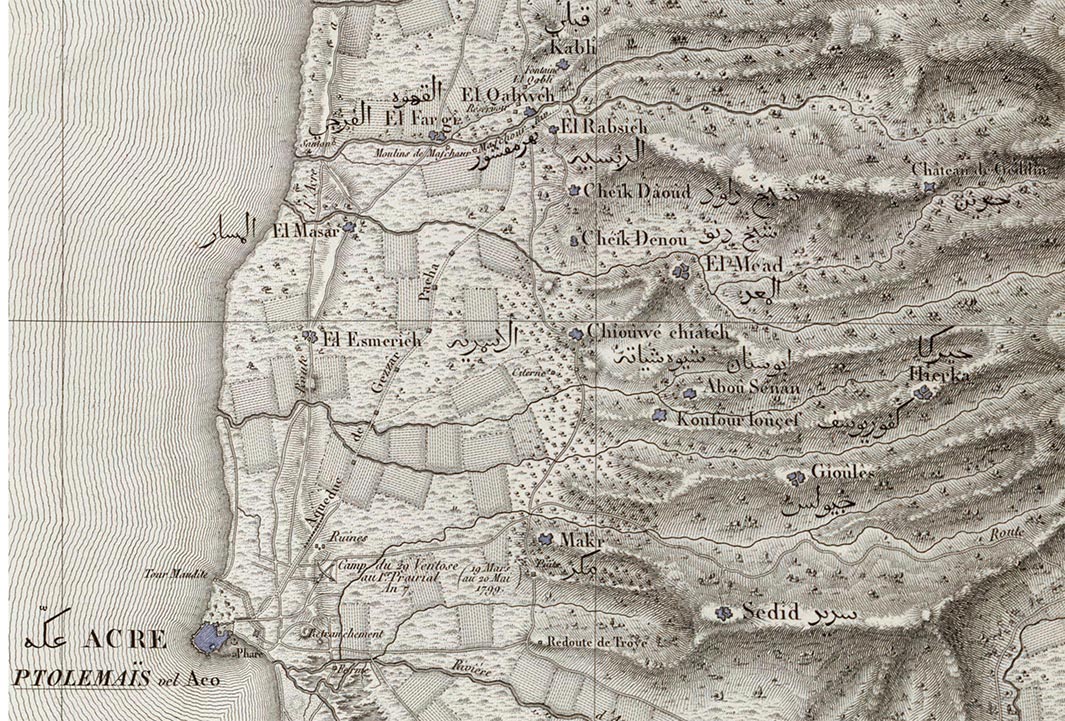
Tel Kabri
Bronze Age Canaanite palace and settlement
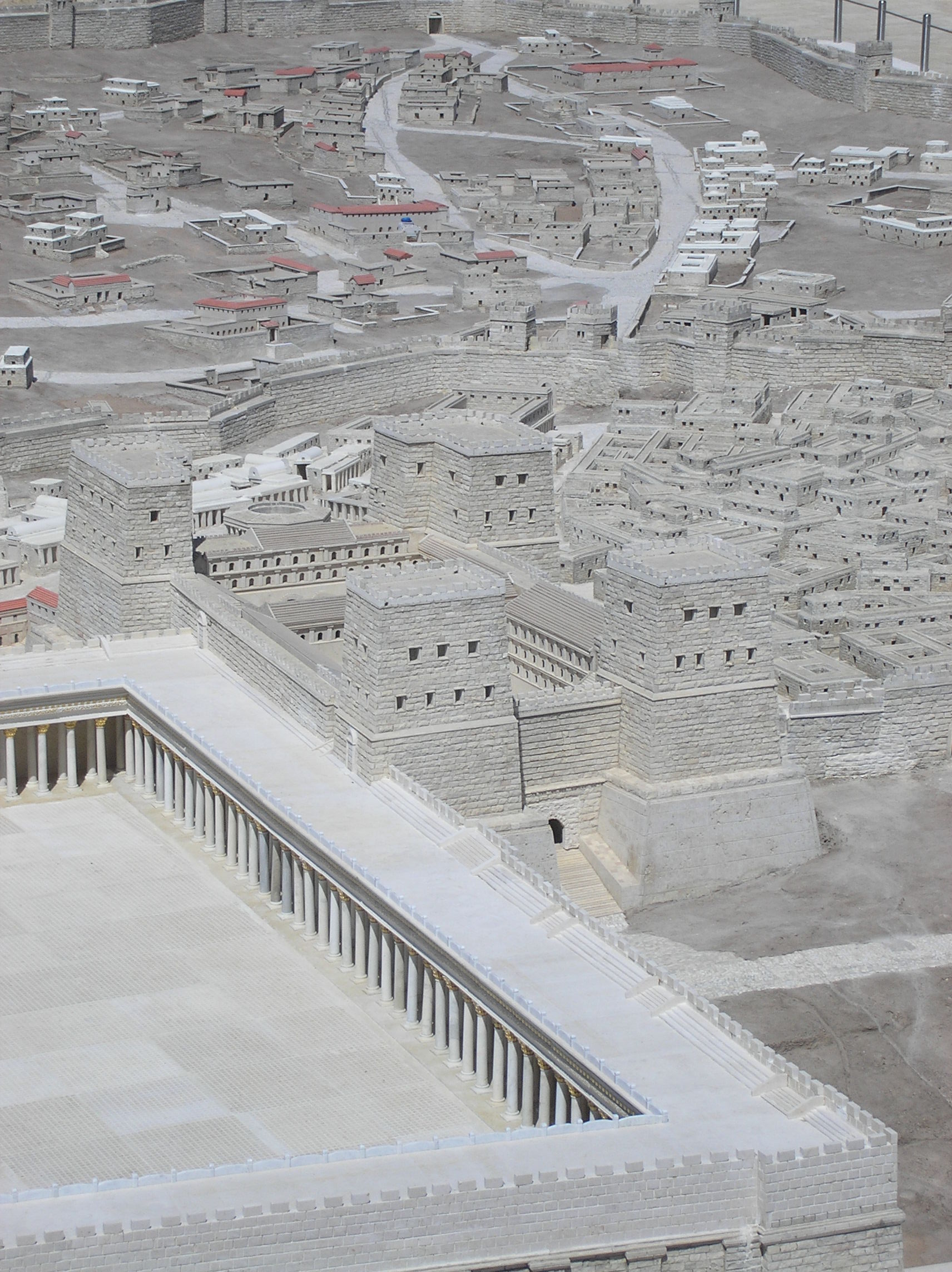
Antonia Fortress
Herodian citadel adjacent to Second Temple
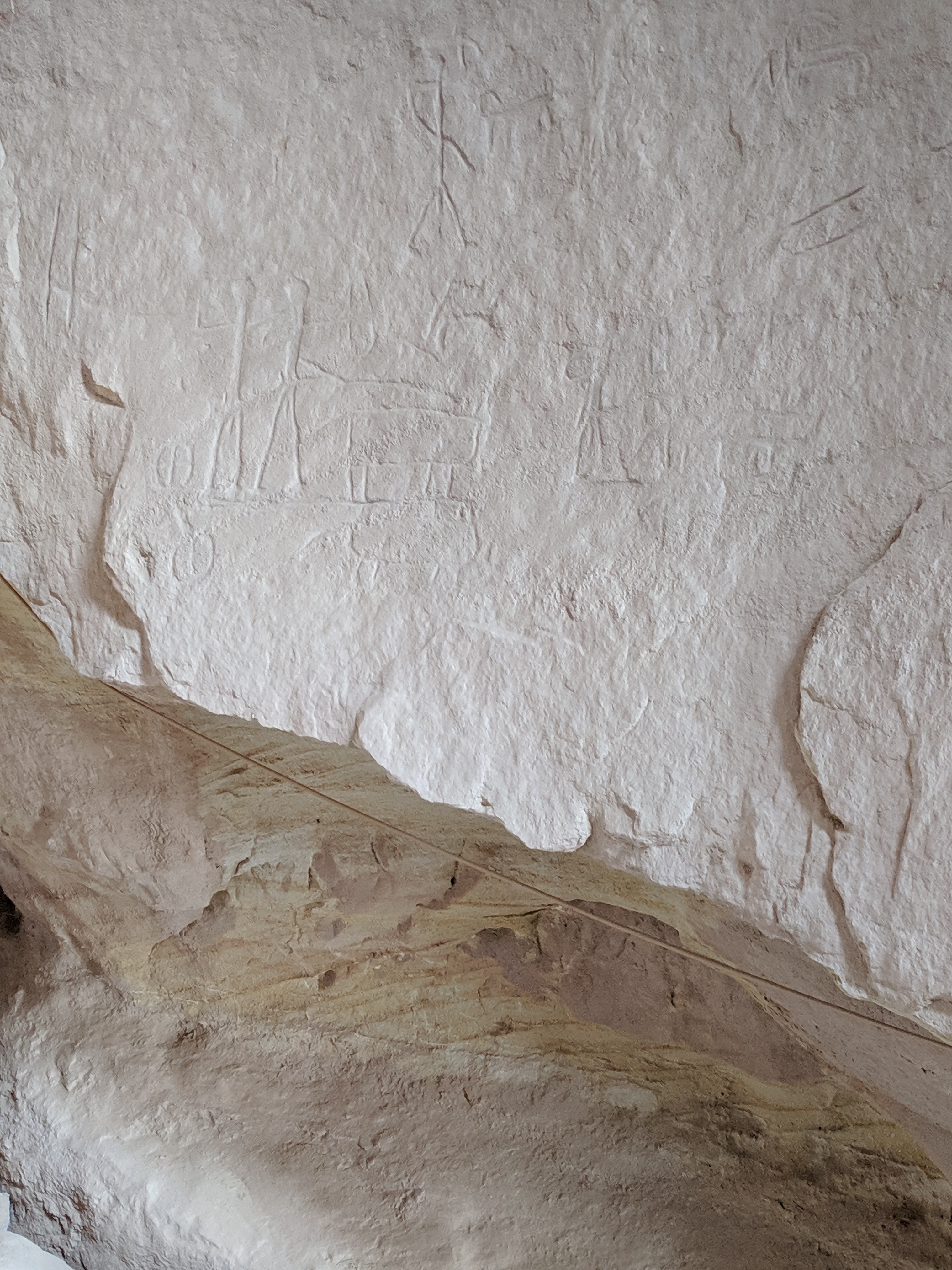
Timna Valley
Copper mining and unique sandstone formations
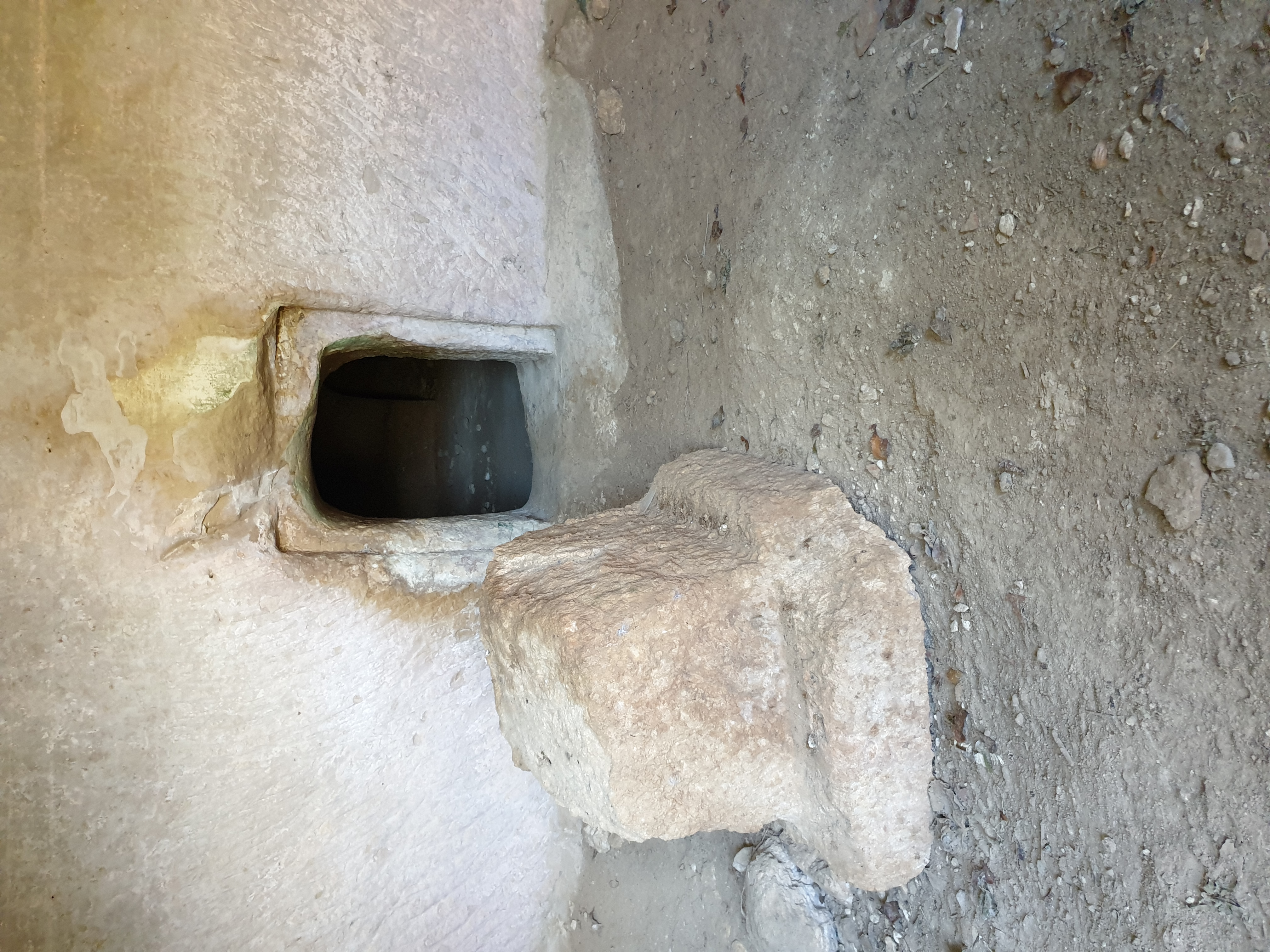
Lavnin
Late Bronze Age site with burial caves