
Explore the Map
Nahal Hemar Cave
31.1392° N, 35.2939° E
About
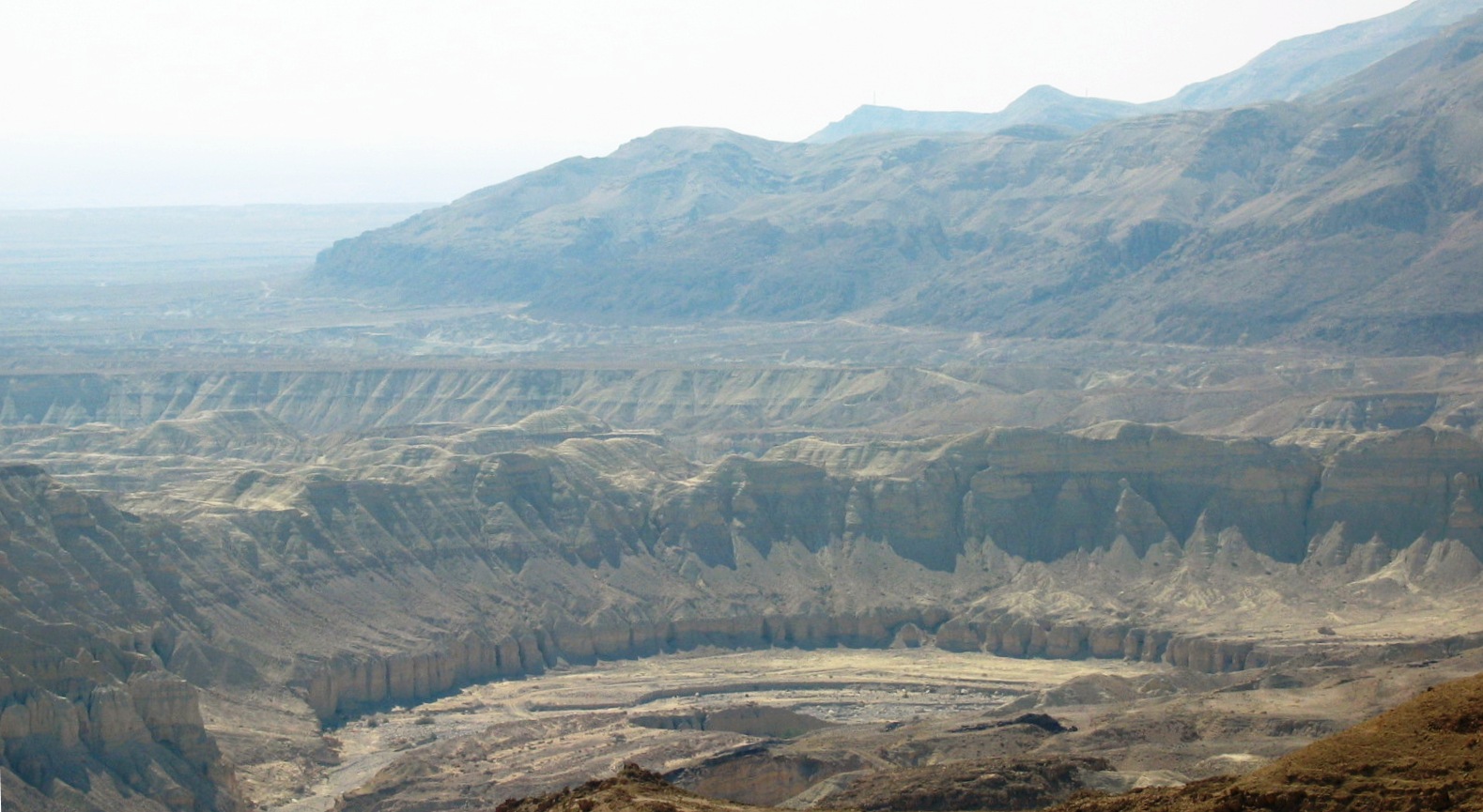
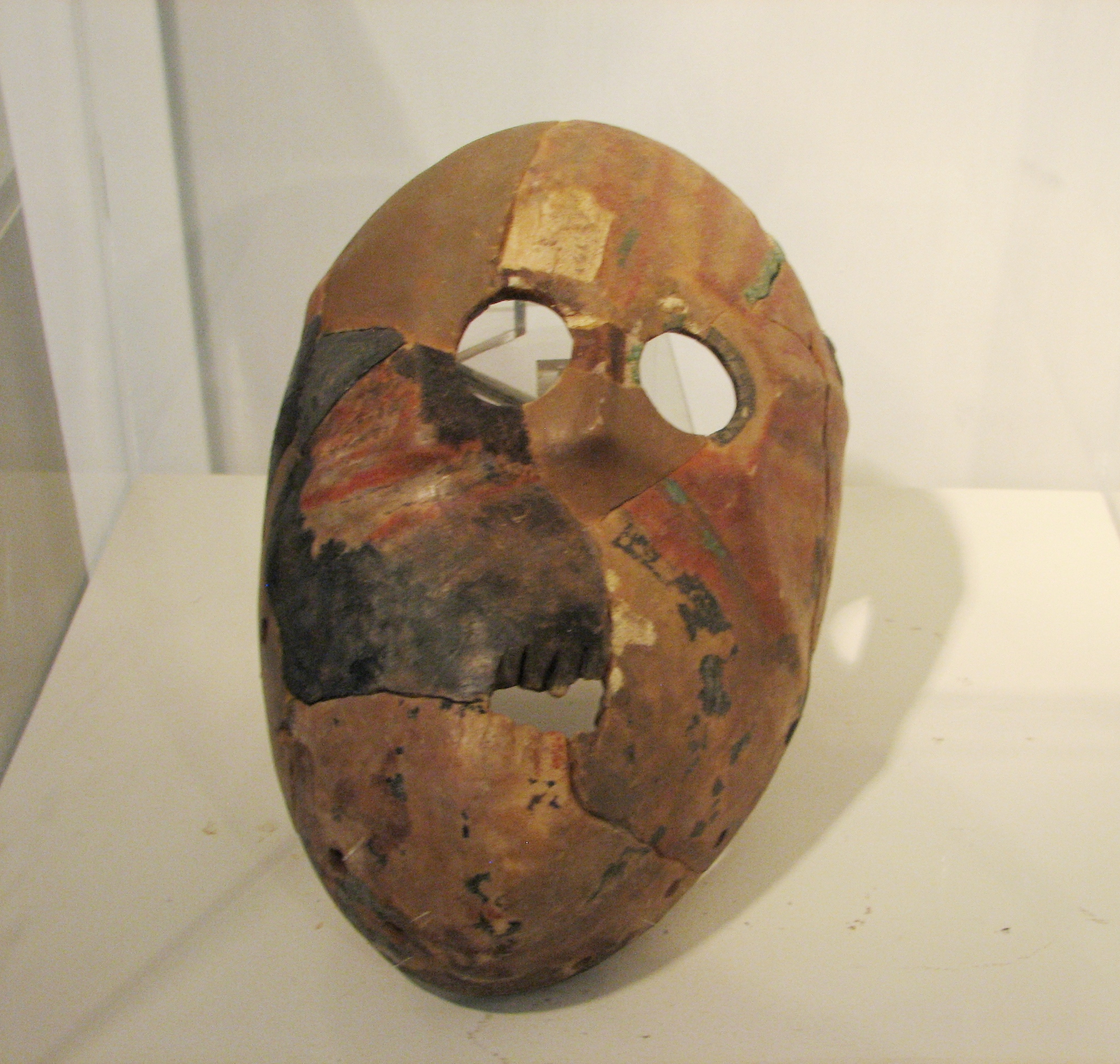
Nahal Hemar Cave, situated in Israel's Judean Desert, is a significant archaeological site known for its rich Pre-Pottery Neolithic assemblage. The site yielded an array of artifacts including wooden tools, textiles, and ceremonial objects such as decorated human skulls and masks. The textiles, notably, indicate the earliest known use of crochet techniques. The cave is particularly remarkable for its ritualistic elements, suggesting it was a center for religious or magical practices, possibly related to ancestor cults. The discovery of ancient collagen-based glue further adds to its significance, revealing advanced technological practices in adhesive production. The site is a window into early Neolithic life and ritual in the Levant region.
Gallery
Explore photographs of ancient structures, artifacts, and archaeological excavations
Historical Timeline
Journey through time and discover key events in this site's history
Pre-Pottery Neolithic Occupation
ca. 7000 BCE
Ancient Glue Creation
8310-8110 BCE
Archaeological Features
Unique architectural and cultural elements found at this historical site
Miscellaneous Features
Religious and Ritual Structures
Artistic and Decorative Features
Domestic and Habitation Structures
Frequently Asked Questions
Plan Your Visit
Tours, travel arrangements, and practical information
More Sites in Israel
Timna Valley
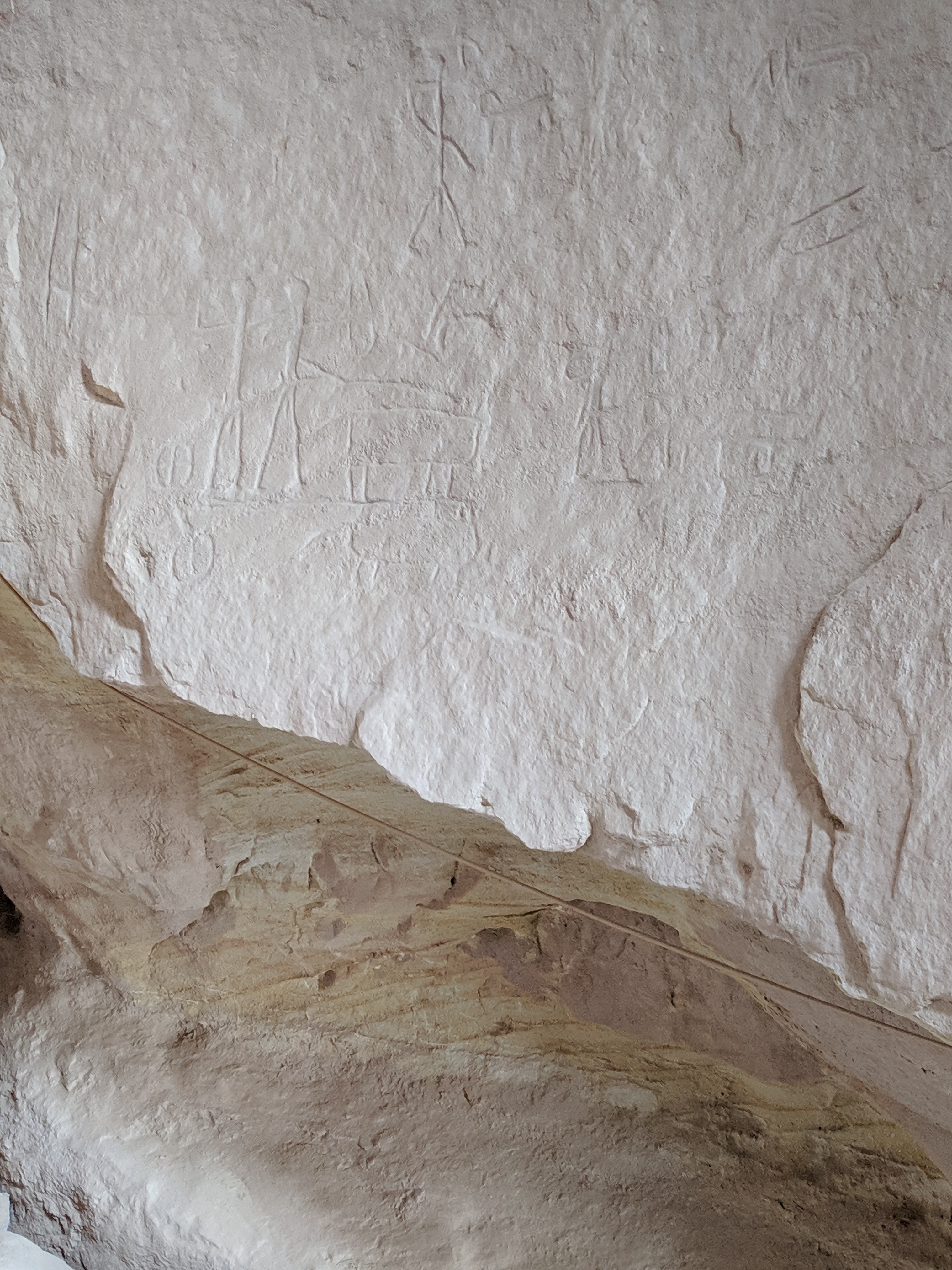
Copper mining and unique sandstone formations
Tel Kabri
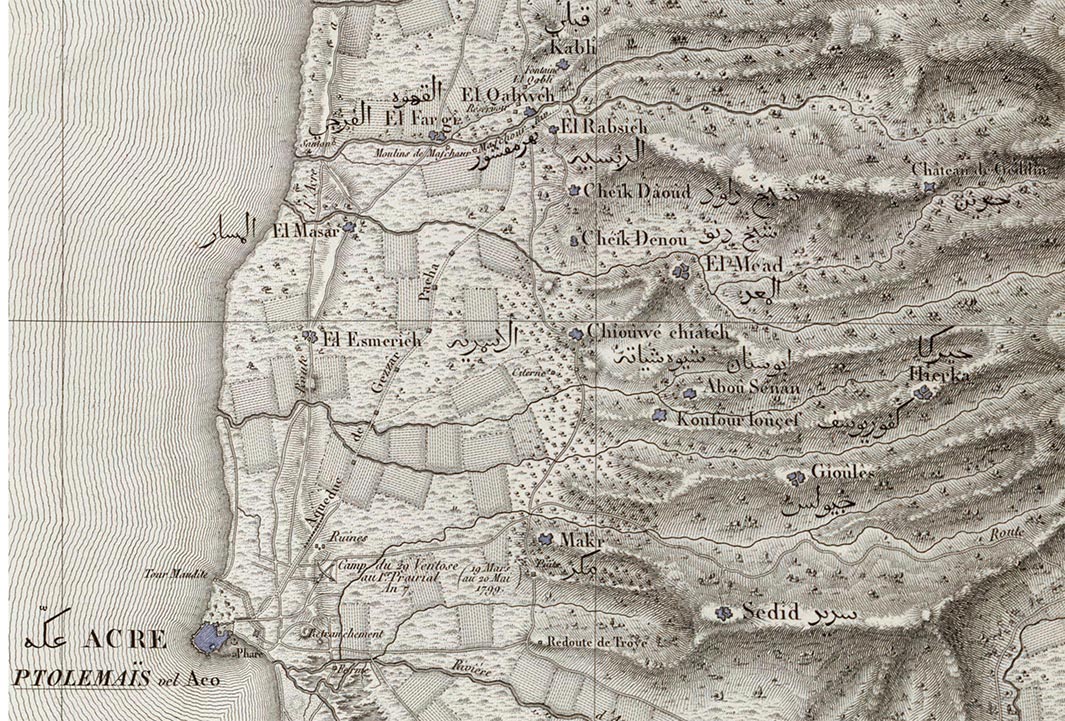
Bronze Age Canaanite palace and settlement
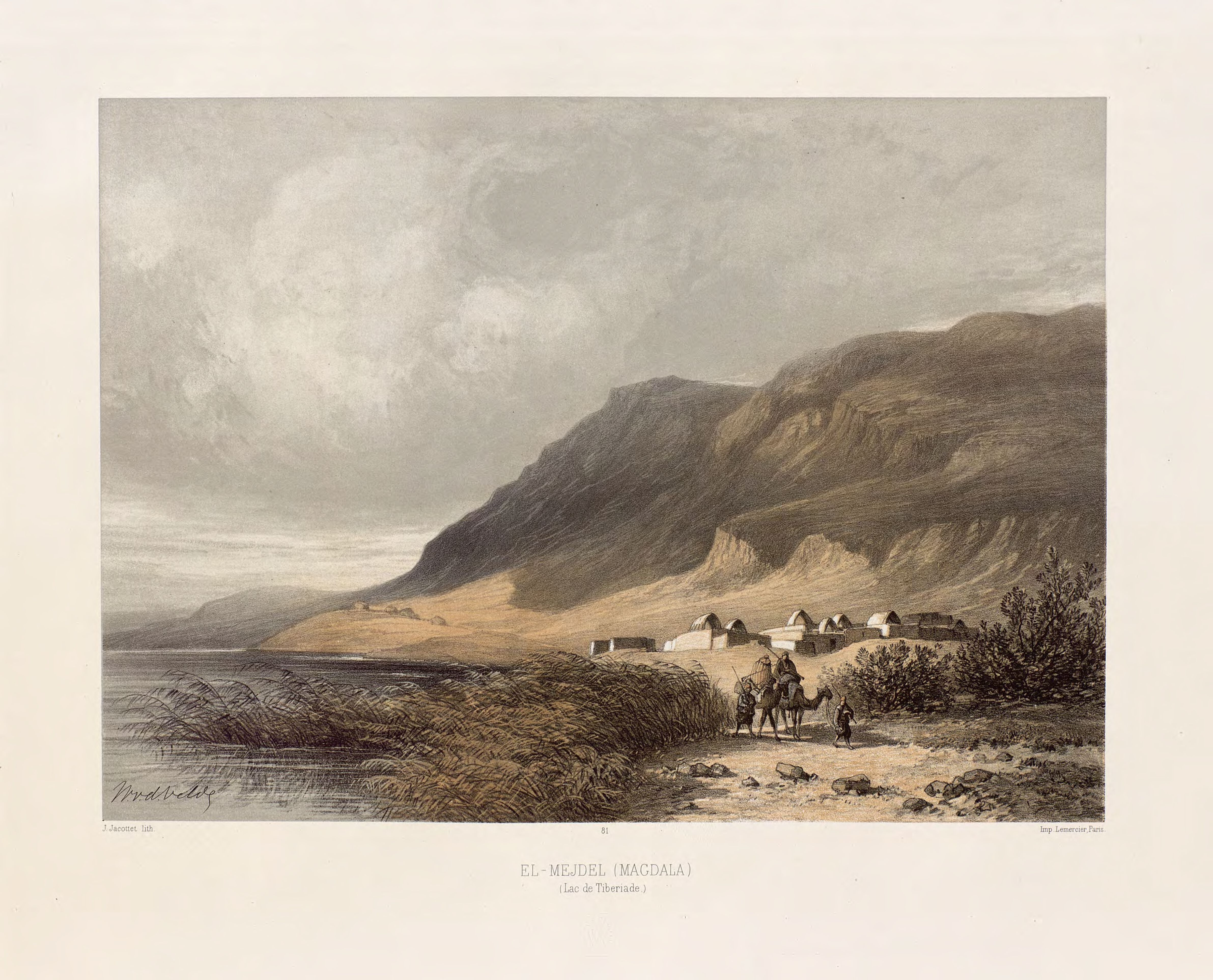
Magdala
Ancient Jewish city with Roman synagogues
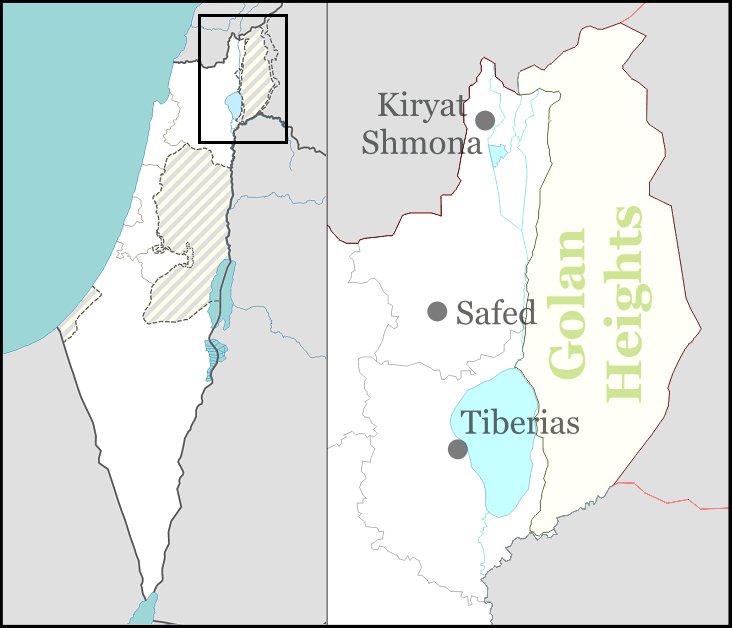
Ubeidiya prehistoric site
Early Pleistocene hominin site with tools
Gath-hepher
Ancient town with prophet's tomb nearby.
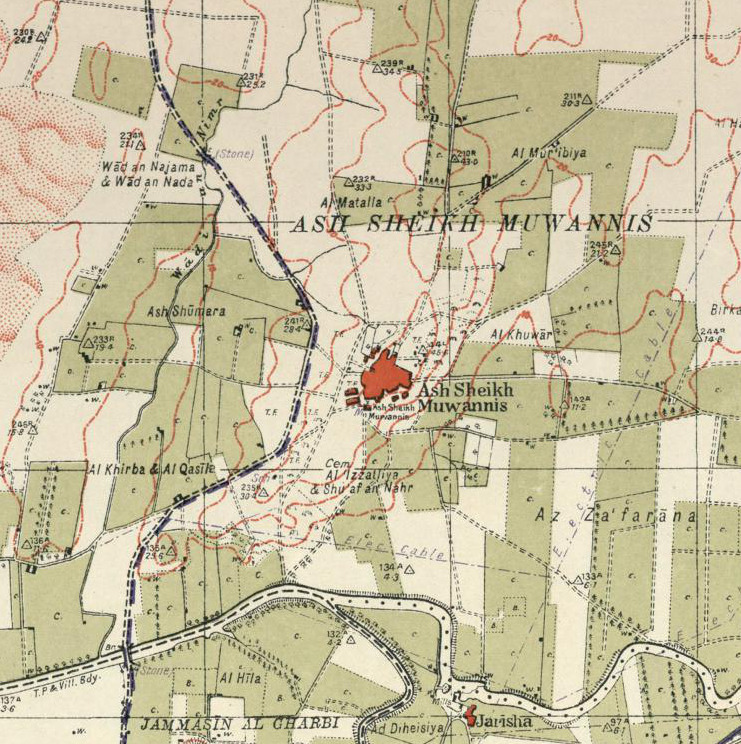
Tell Qasile
Philistine port city with temples and houses