Explore the Map
Rehovot-in-the-Negev
31.0317° N, 34.5650° E
About
Rehovot-in-the-Negev is an archaeological site located in the central Negev region of Israel, originally founded by the Nabateans in the 1st century CE. By the 5th century CE, during the Byzantine period, it had grown into a bustling city with more than 10,000 residents, largely due to its strategic position on the Arabian incense trade route. The site is characterized by the remains of a significant town or city, reflecting its historical importance. However, a major earthquake in the 7th century CE, which also affected the nearby site of Avdat, led to the city's abandonment. Although once tentatively linked to a biblical well, modern archaeology finds no evidence of occupation before the Roman period.
Historical Timeline
Journey through time and discover key events in this site's history
Nabatean Founding
1st century CE
Byzantine Expansion
5th century CE
7th Century Earthquake
7th century CE
Archaeological Features
Unique architectural and cultural elements found at this historical site
Domestic and Habitation Structures
Frequently Asked Questions
Plan Your Visit
Tours, travel arrangements, and practical information


More Sites in Israel
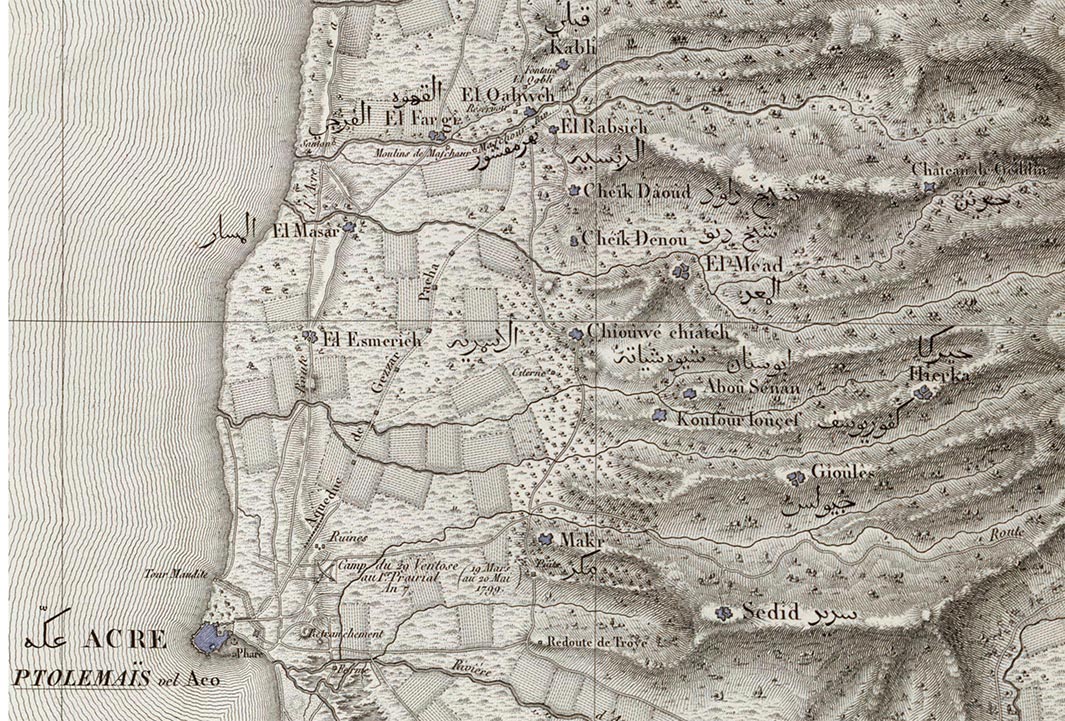
Tel Kabri
Bronze Age Canaanite palace and settlement
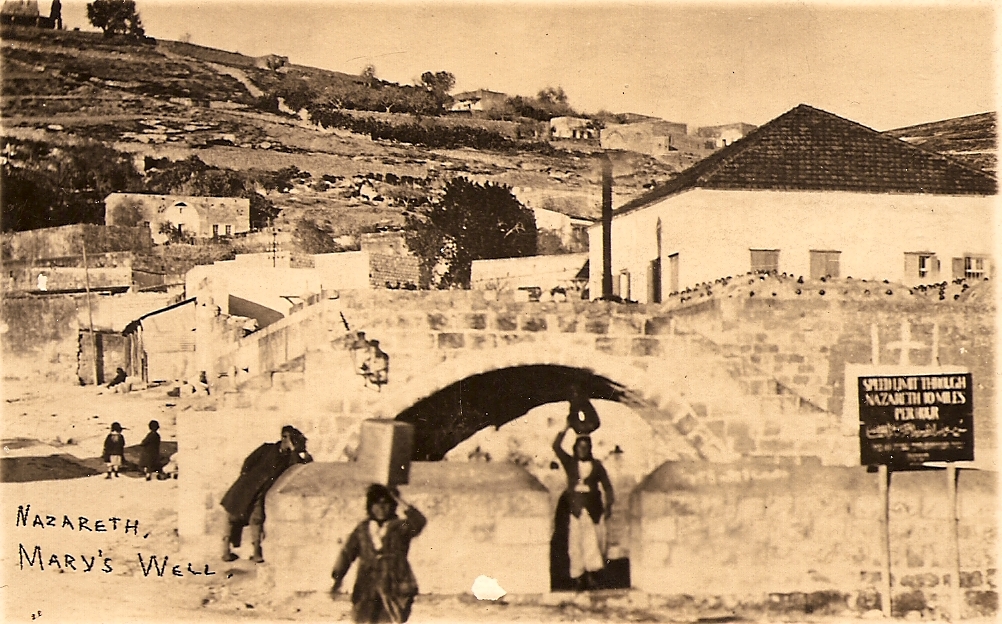
Mary's Well
Ancient water supply with religious significance
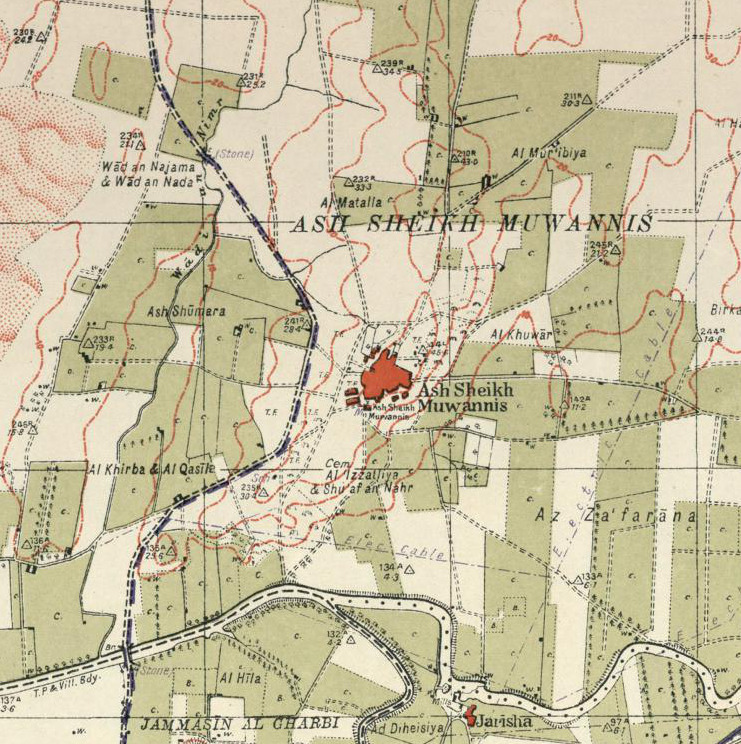
Tell Qasile
Philistine port city with temples and houses
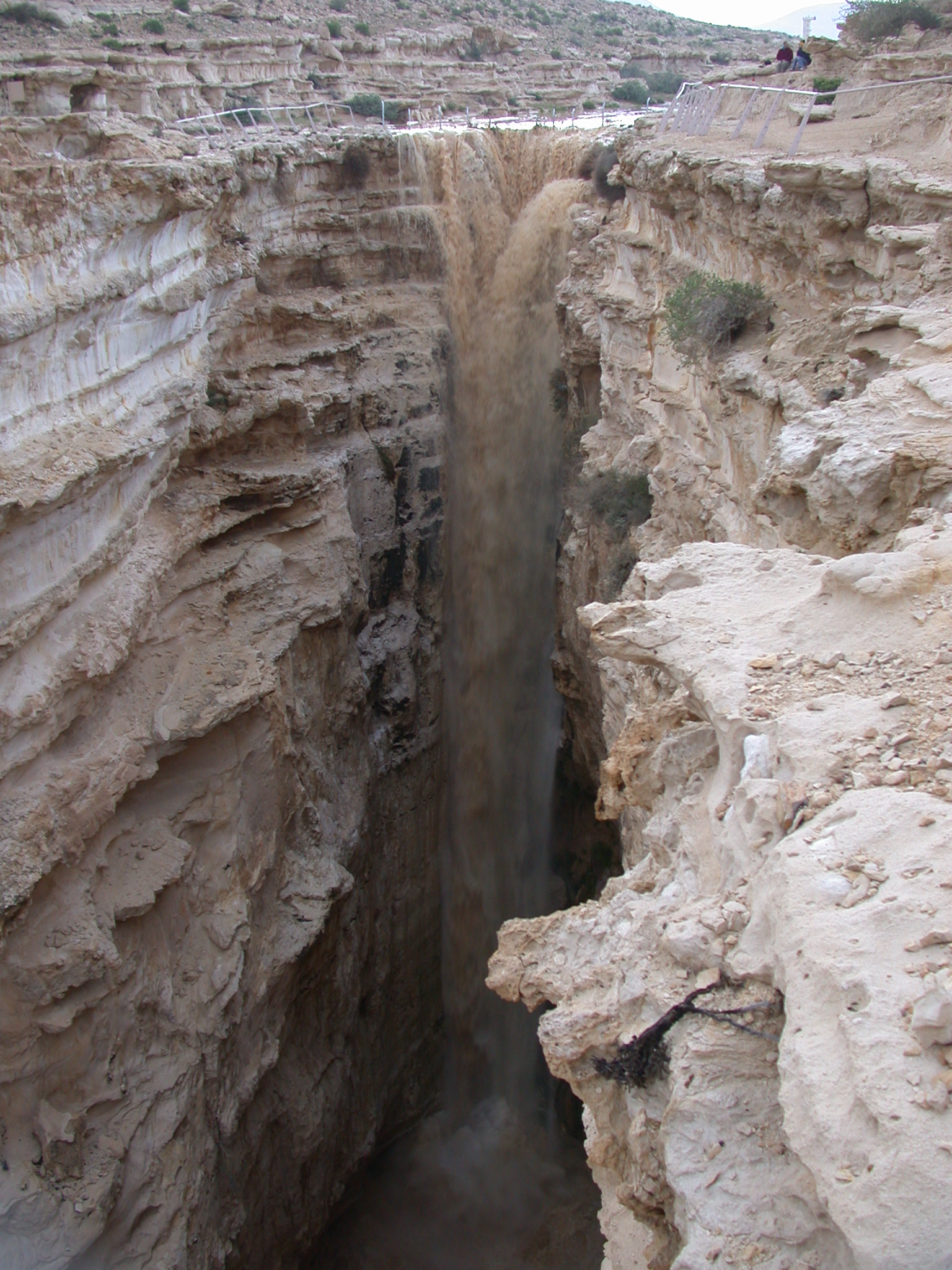
Ein Avdat
Desert canyon with springs and ancient habitations.

Tel Tanninim
Ancient tell near Mediterranean with Byzantine remains
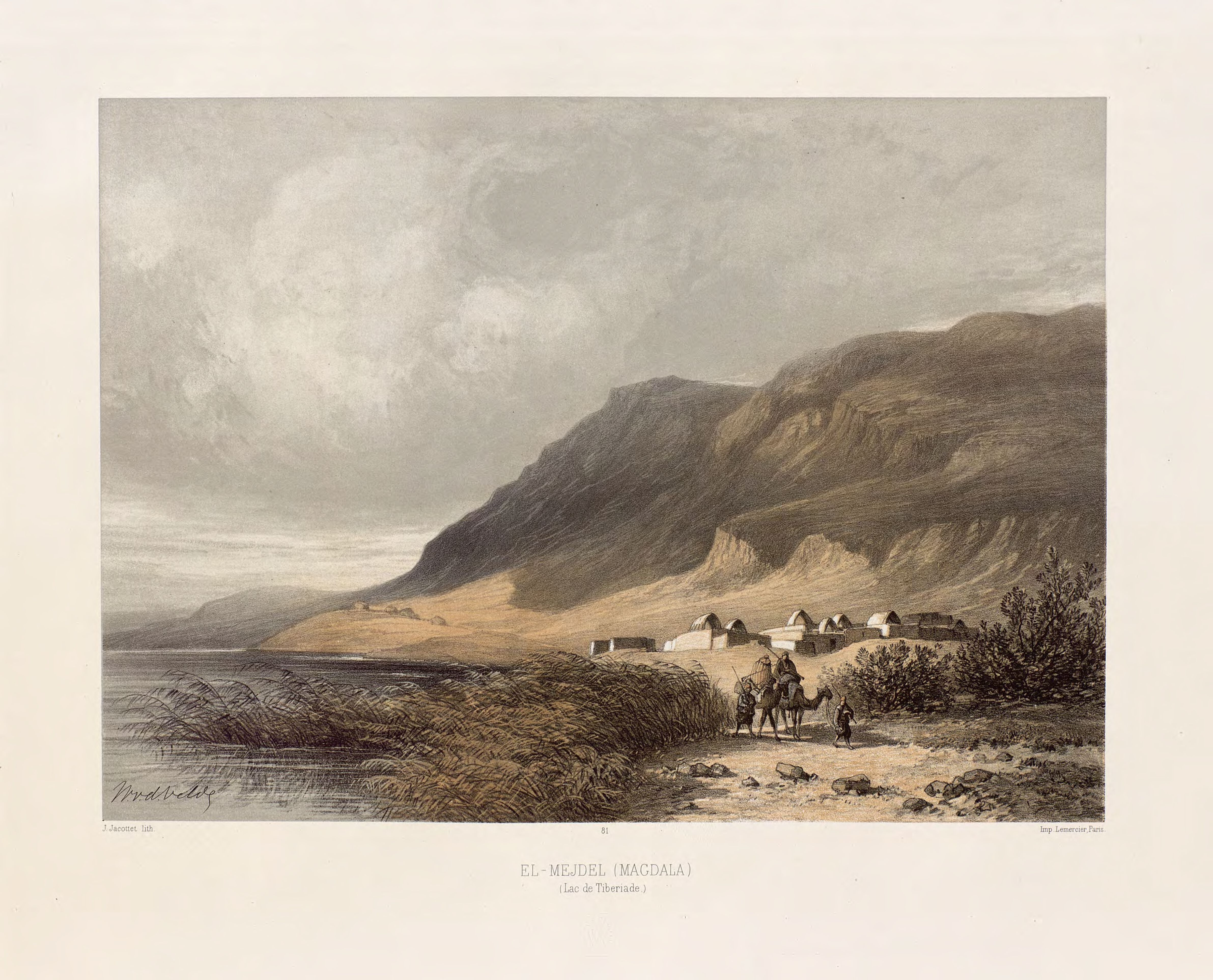
Magdala
Ancient Jewish city with Roman synagogues