Explore the Map
Tel Ira
31.2325° N, 34.9873° E
About
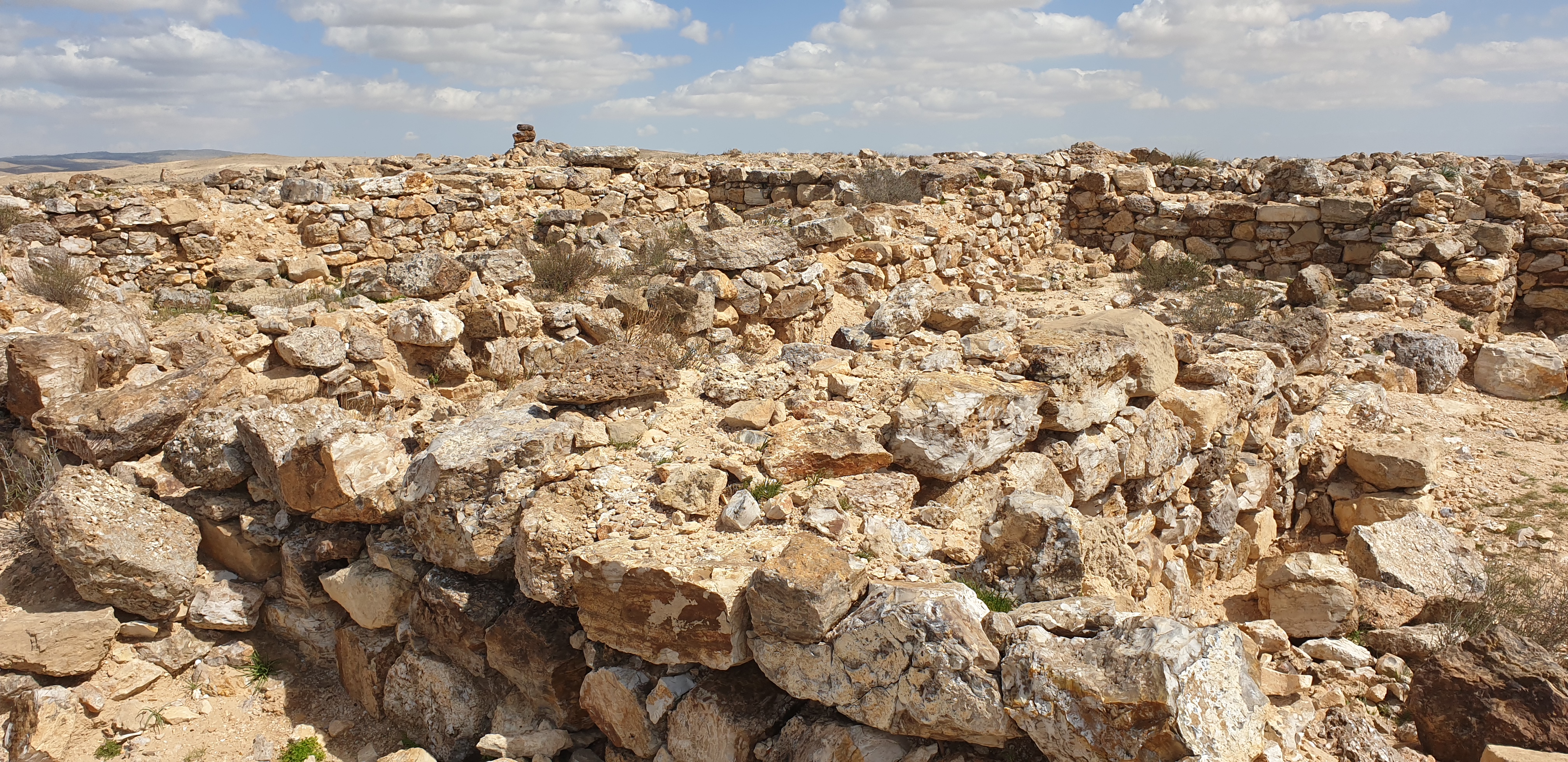
Tel Ira is a significant archaeological site located in the Negev region of Israel, overlooking the Beer Sheva valley. It encompasses multiple periods of occupation, beginning in the Early Bronze III period in the 27th century BCE. The site reveals a complex history, with notable defensive structures from the Iron II period, including city walls and gates, which indicate its strategic importance. During the Byzantine era, a large monastery dedicated to St. Peter was constructed, highlighting its religious significance. The site offers insights into the interactions between various cultures, including Judahite, Edomite, and Byzantine communities, as well as the shifts in regional dominance and trade control. Its archaeological significance is underscored by the diverse structures and artifacts that represent its long history of habitation and cultural transformation.
Gallery
Explore photographs of ancient structures, artifacts, and archaeological excavations
Historical Timeline
Journey through time and discover key events in this site's history
First occupation
2700 BCE
City wall construction
700 BCE
Byzantine monastery establishment
500 CE
Archaeological Features
Unique architectural and cultural elements found at this historical site
Defensive Structures
Religious and Ritual Structures
Frequently Asked Questions
Plan Your Visit
Tours, travel arrangements, and practical information


More Sites in Israel
Tell Qasile
Philistine port city with temples and houses
Tel Kabri
Bronze Age Canaanite palace and settlement
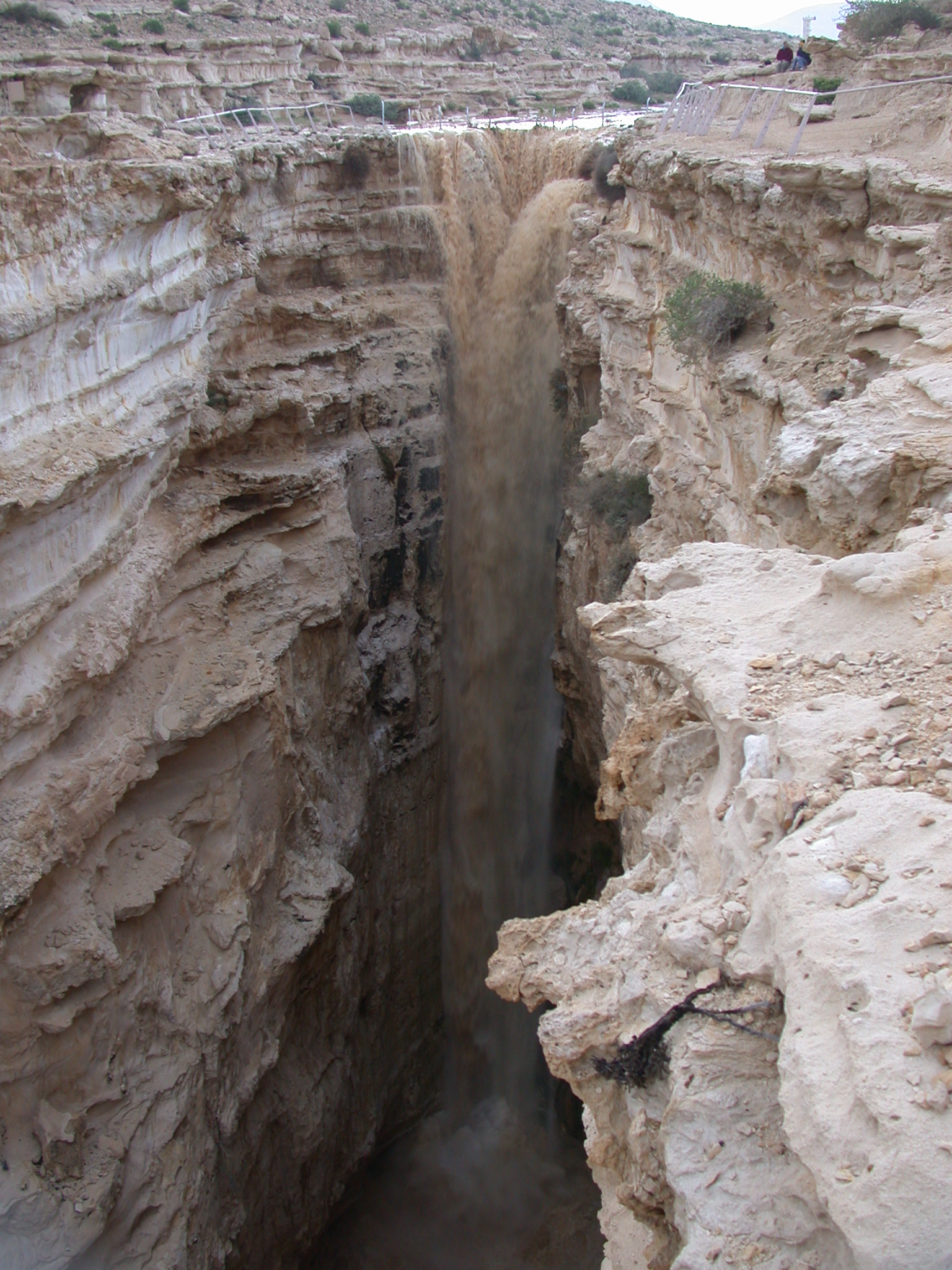
Ein Avdat
Desert canyon with springs and ancient habitations.

Tel Tanninim
Ancient tell near Mediterranean with Byzantine remains
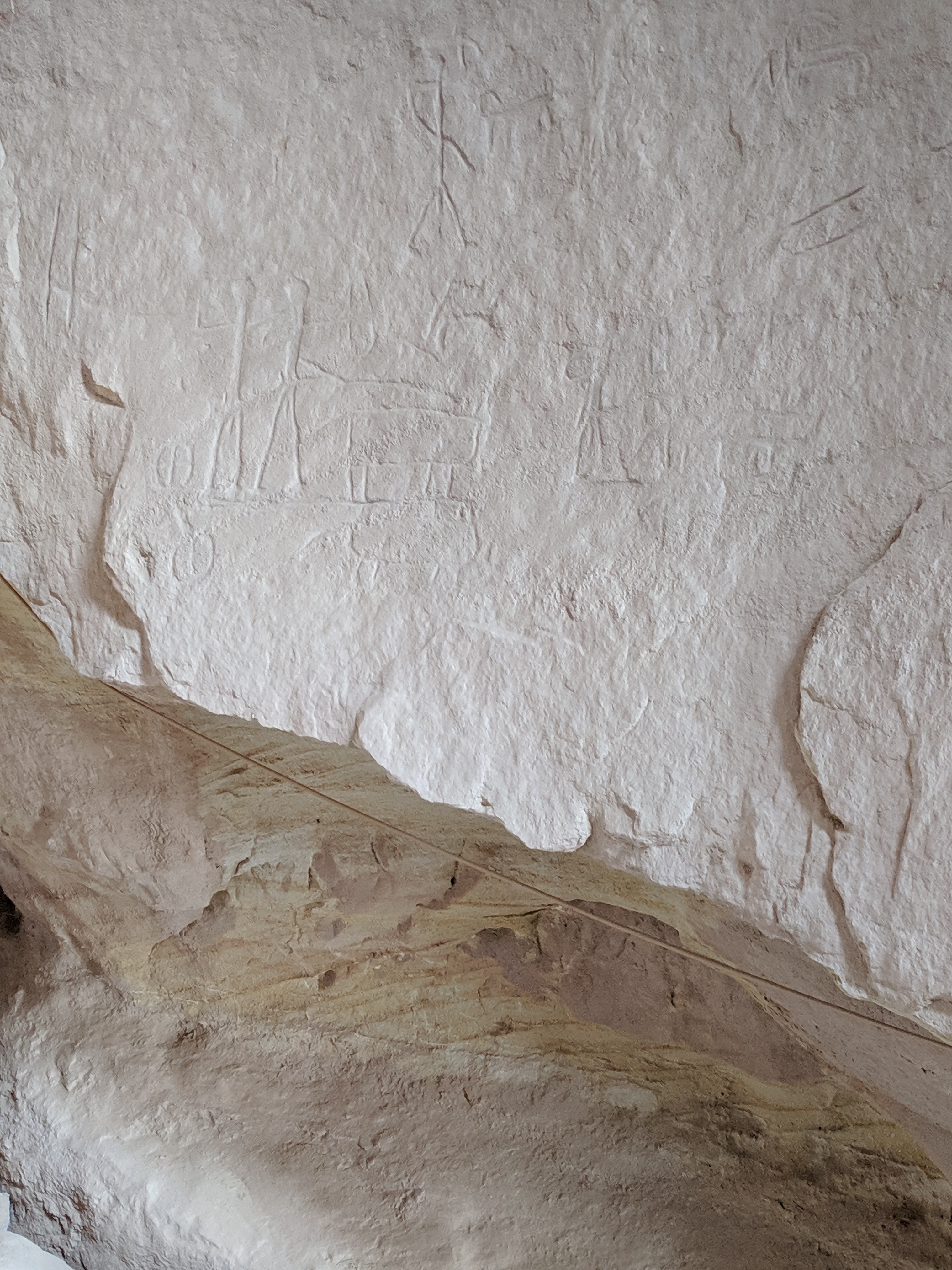
Timna Valley
Copper mining and unique sandstone formations
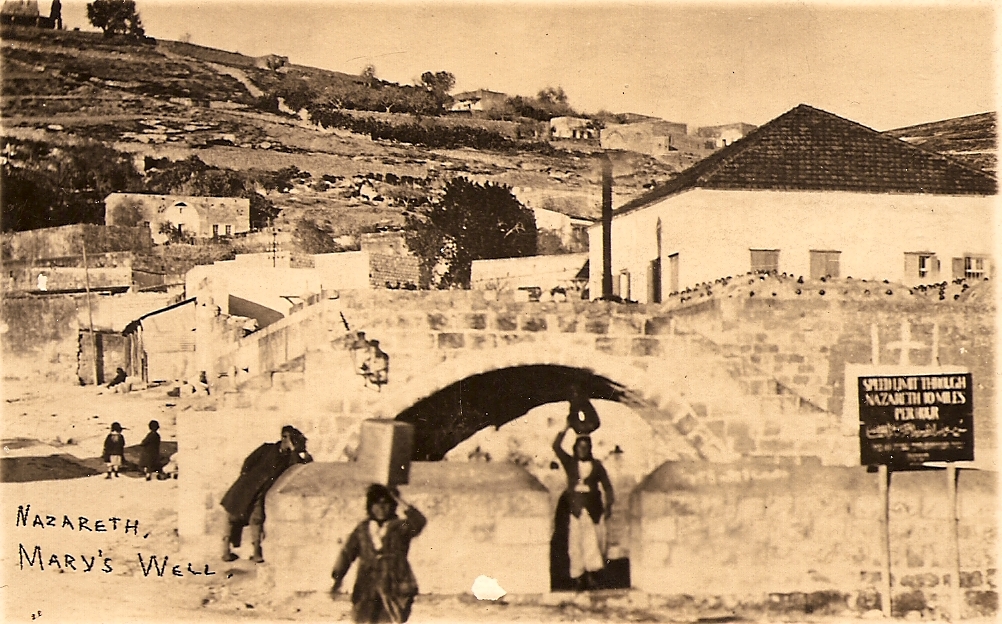
Mary's Well
Ancient water supply with religious significance