Explore the Map
Tel Yarmuth
31.7100° N, 34.9800° E
About
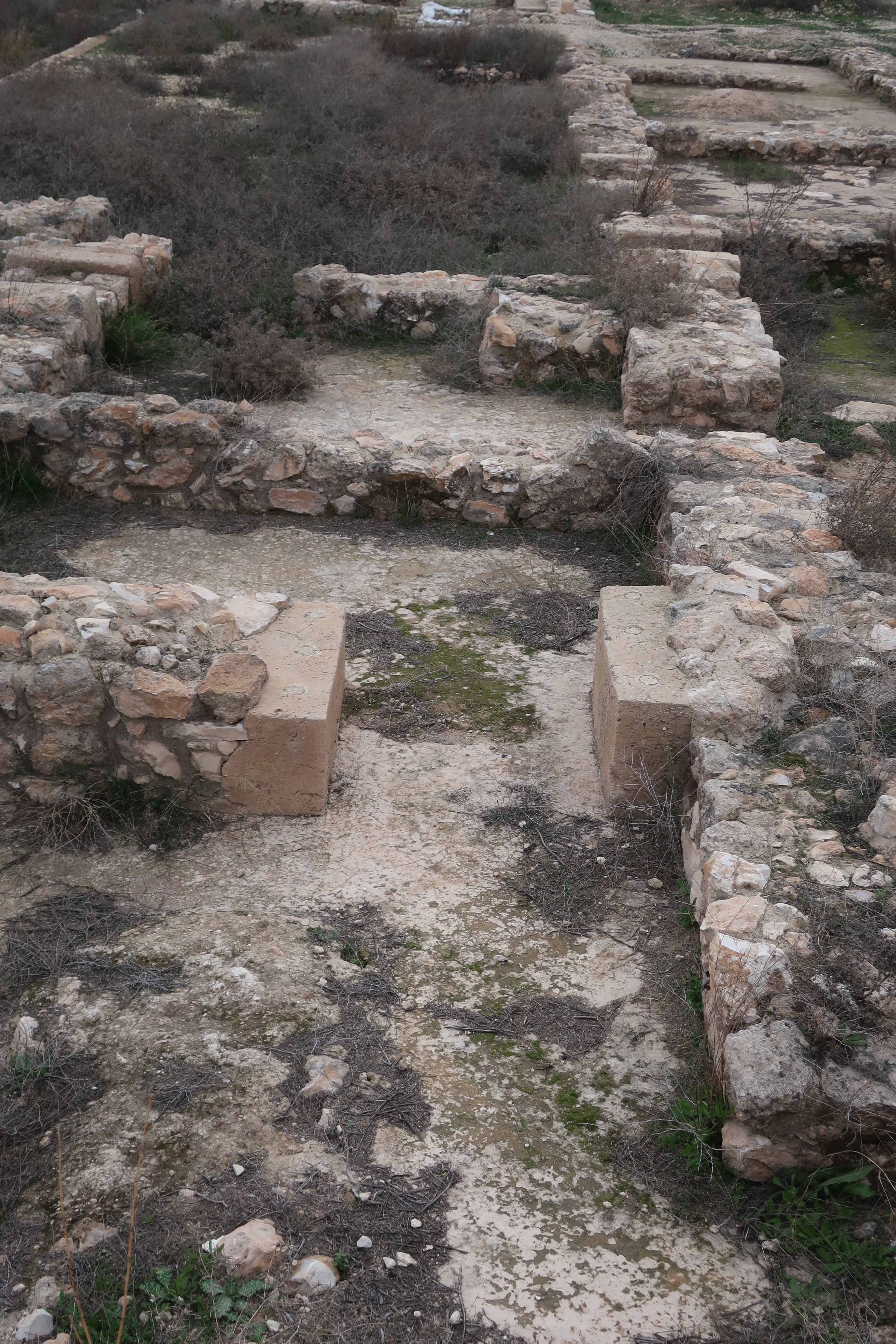
Tel Yarmuth, also known as Khirbet Yarmuk, is a significant archaeological site located southwest of Jerusalem, Israel. This large Early Bronze Age site, primarily occupied during the EB II and III periods, features impressive fortifications and monumental structures, including palaces and a broad-room temple. The site provides crucial insights into the urbanization and architectural advancements contemporary with the Old Kingdom of Egypt and Early Dynastic Mesopotamia. After reaching its zenith, Tel Yarmuth was abandoned around 2400 BCE, with only sporadic later occupations. These include limited Middle and Late Bronze Age reoccupations, substantial Iron Age constructions, and a settlement during the Persian period. The site's extensive excavations reveal its role in ancient Canaan, its complex societal structures, and interactions with neighboring regions.
Gallery
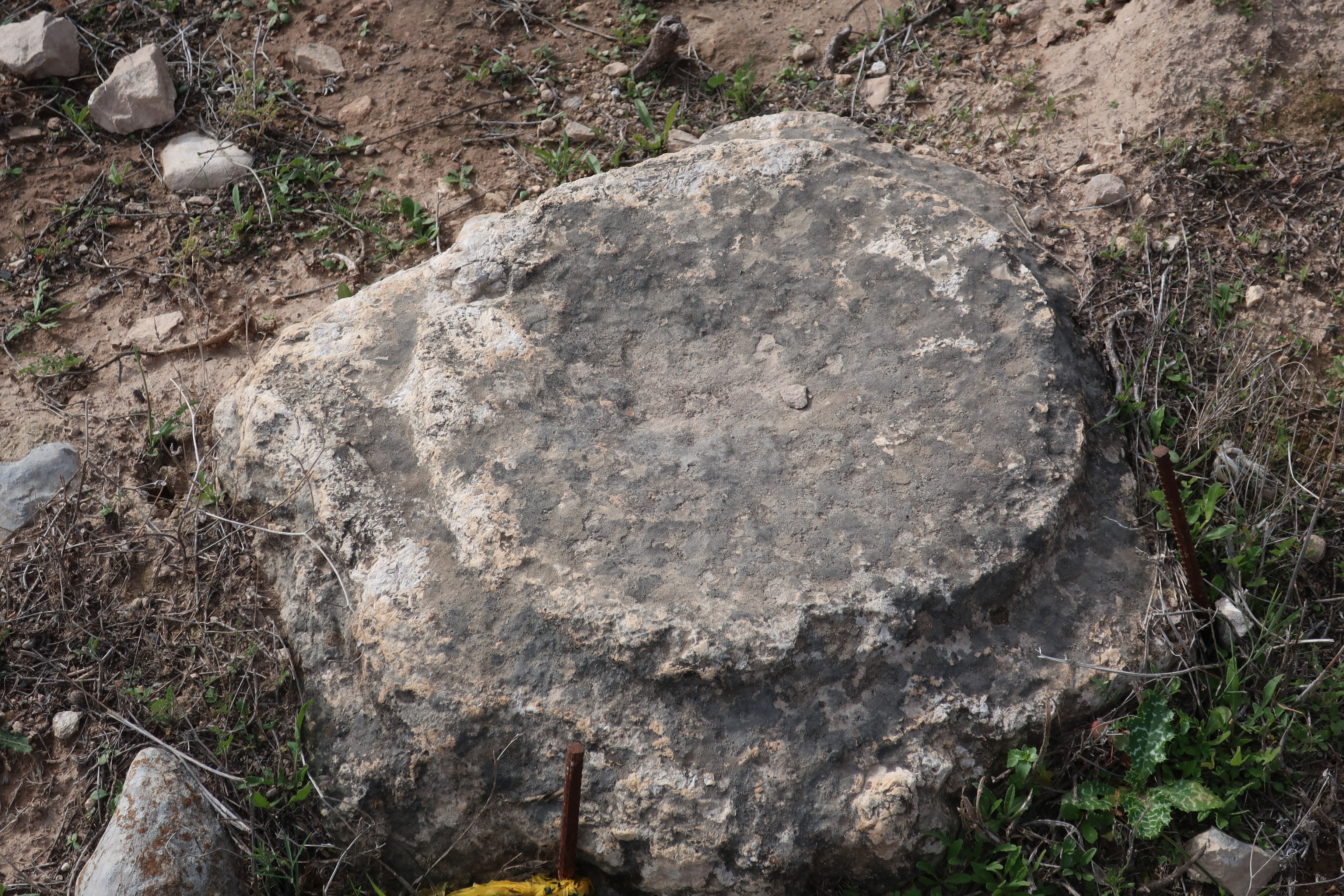
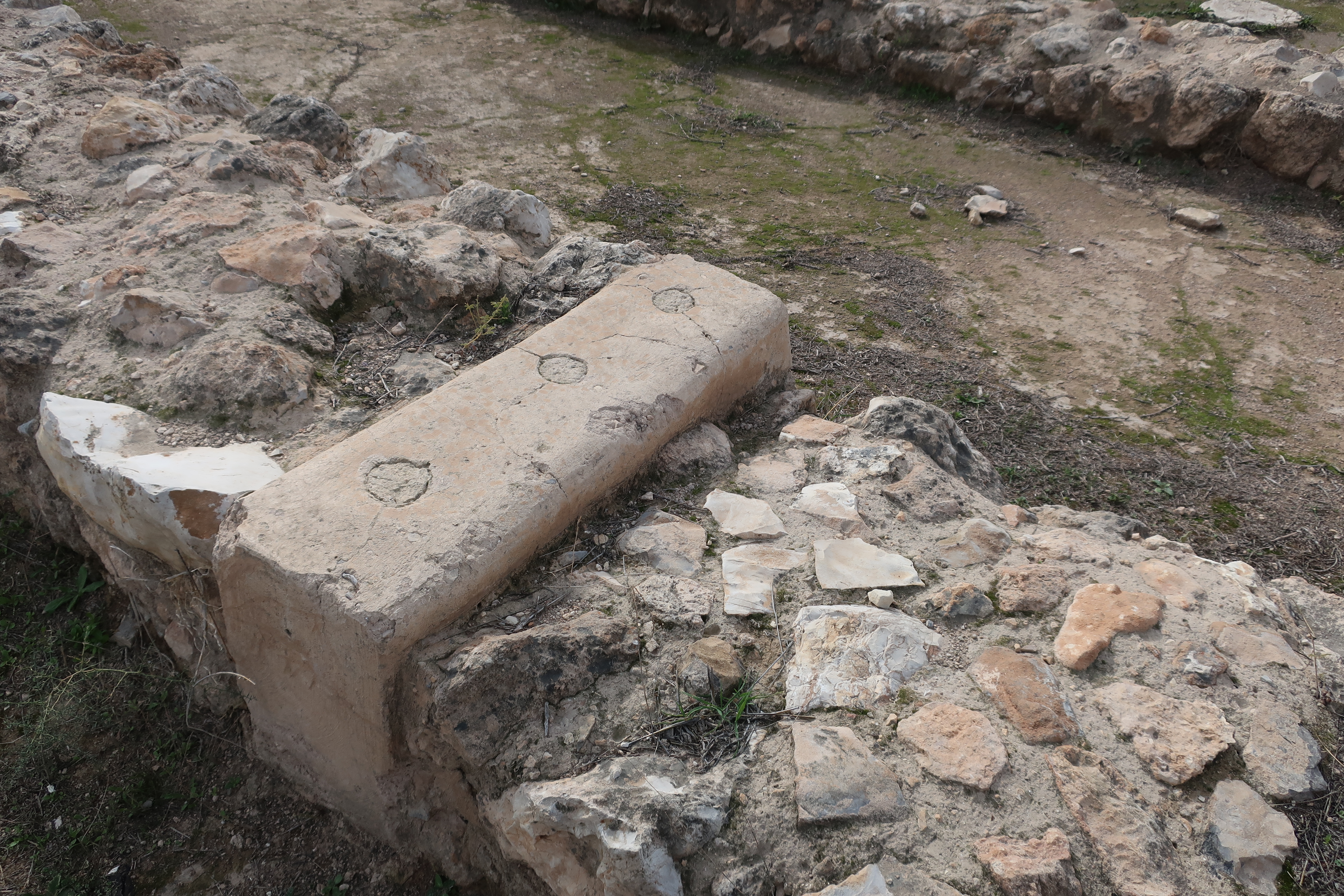
Explore photographs of ancient structures, artifacts, and archaeological excavations
Historical Timeline
Journey through time and discover key events in this site's history
Site Abandonment
around 2400 BCE
Late Bronze II Occupation
around 1200 BCE
Iron Age Building
ca. 1000 BCE
Middle Bronze IIA Reoccupation
Middle Bronze IIA
Persian Period Settlement
c. 539–331 BCE
Early Bronze II-III Monumental Building
2980-2910 BCE
Transition to Early Bronze IB
3030-2960 BCE
Archaeological Features
Unique architectural and cultural elements found at this historical site
Defensive Structures
Religious and Ritual Structures
Agricultural and Land Use Features
Domestic and Habitation Structures
Frequently Asked Questions
Plan Your Visit
Tours, travel arrangements, and practical information
More Sites in Israel
Tel Kabri
Bronze Age Canaanite palace and settlement
Tell Qasile
Philistine port city with temples and houses
Tel Tanninim
Ancient tell near Mediterranean with Byzantine remains
Ein Avdat
Desert canyon with springs and ancient habitations.
Timna Valley
Copper mining and unique sandstone formations
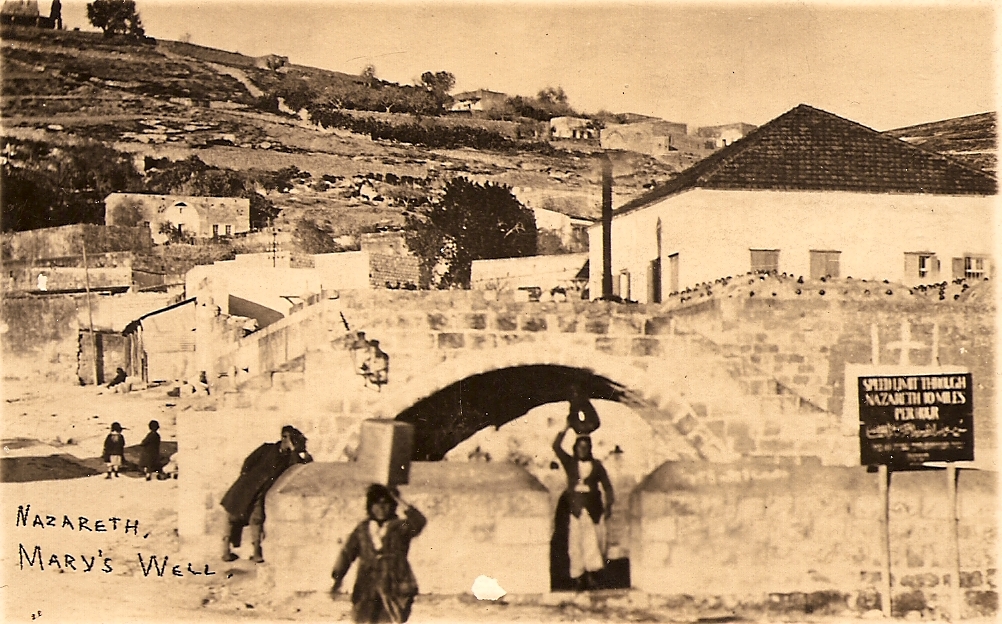
Mary's Well
Ancient water supply with religious significance