Explore the Map
Tell Abu Hawam
32.8008° N, 35.0192° E
About
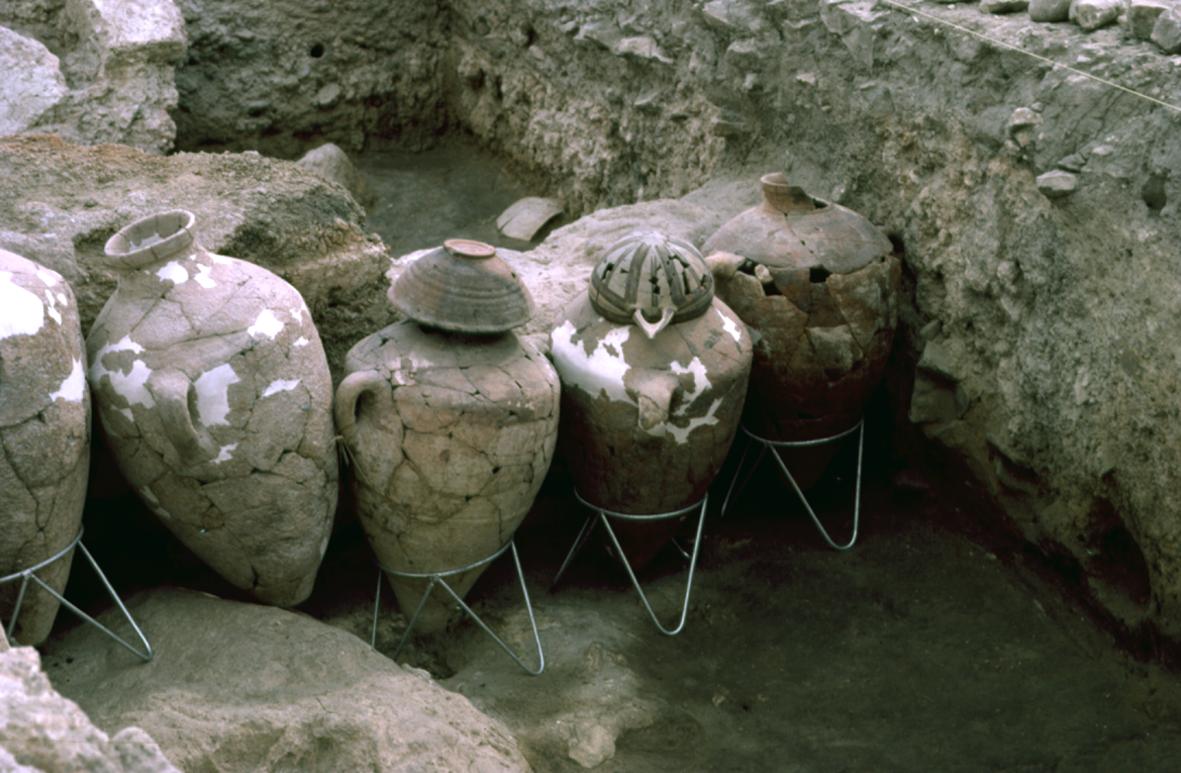
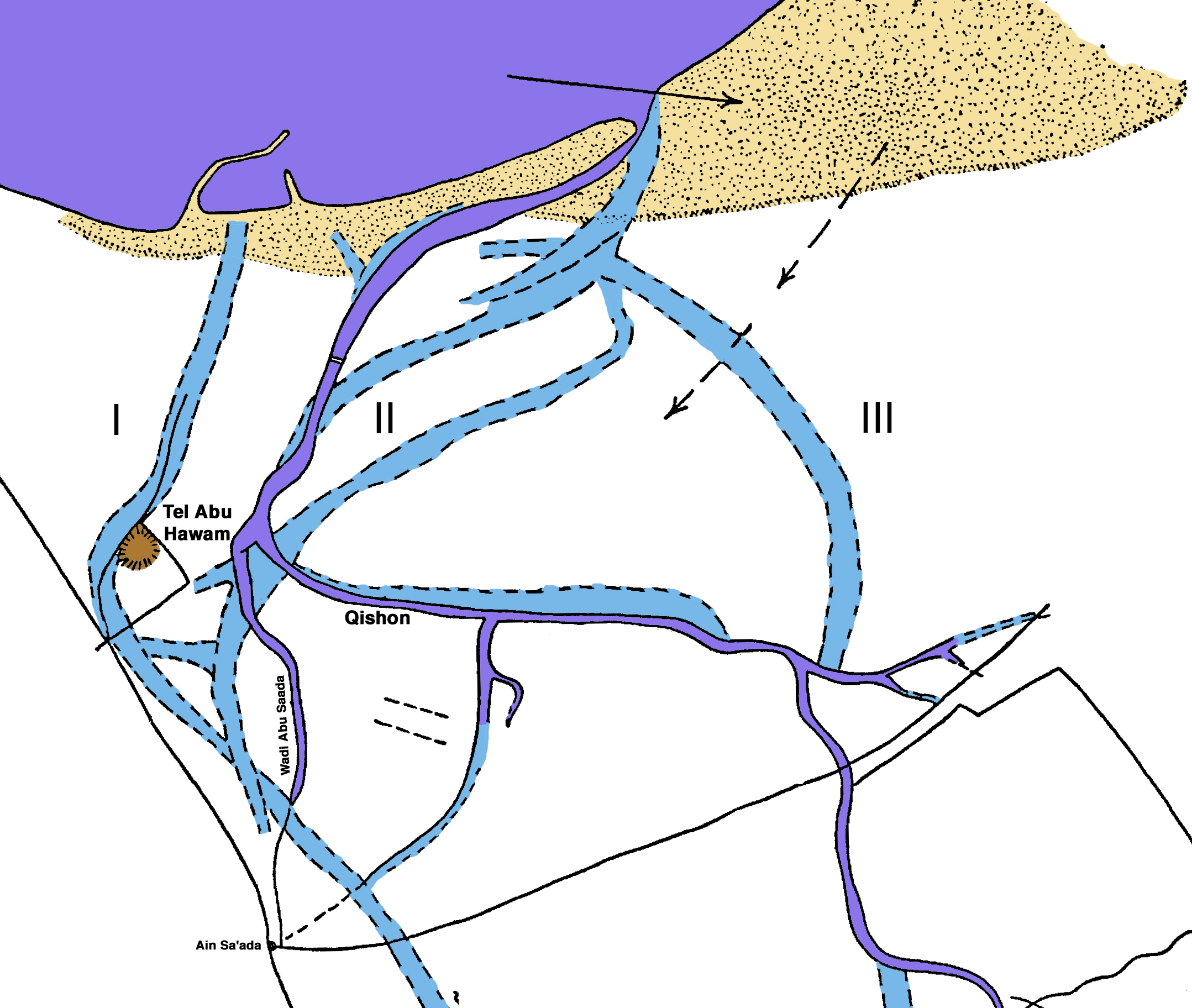
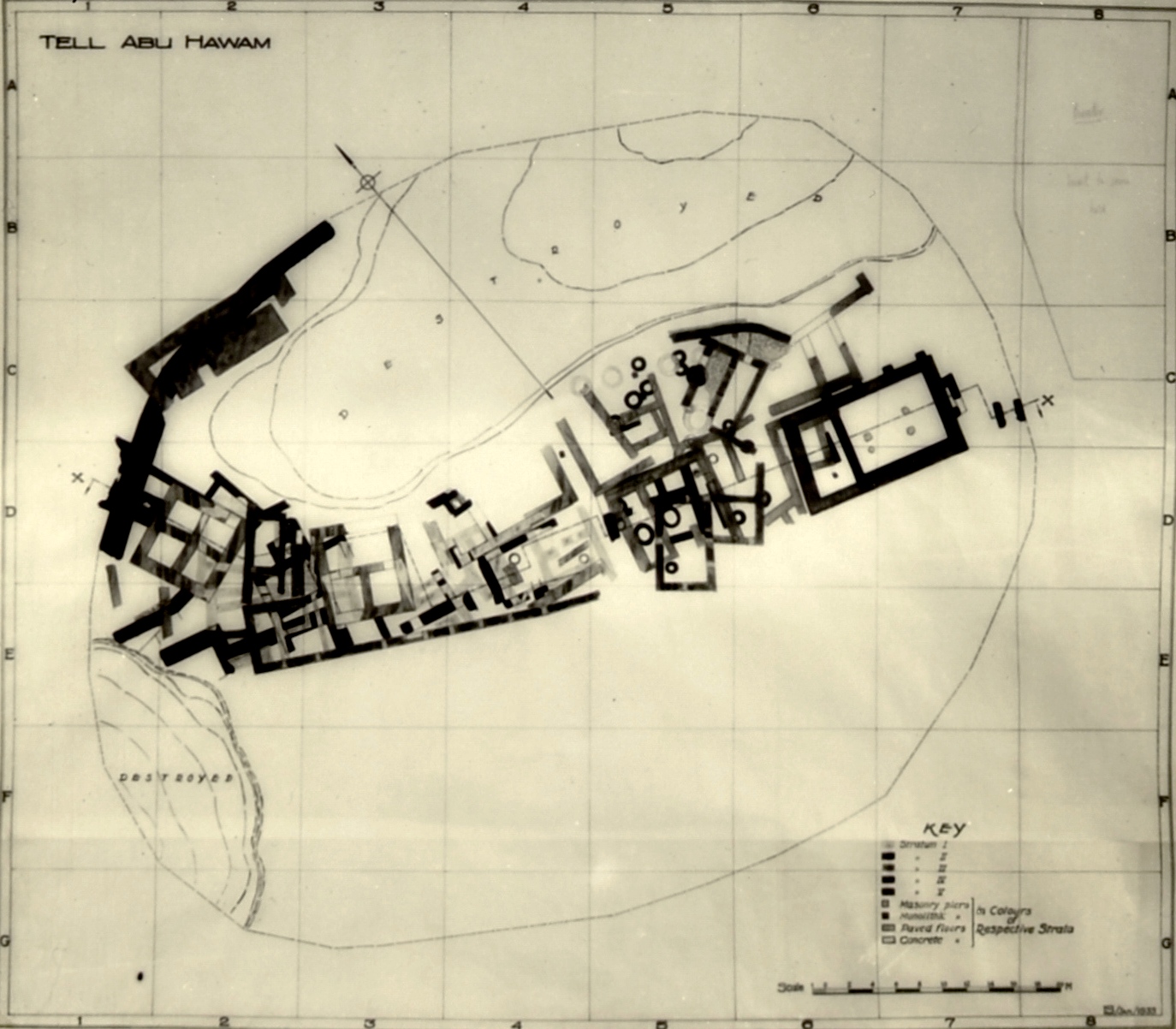
Tell Abu Hawam was a small port city founded during the Late Bronze Age around 1600 BCE, located near the modern city of Haifa, Israel. Mentioned by the geographer Scylax in the sixth century BCE as being situated between a bay and the promontory of Zeus, this city played a role as a fishing village and port. The site was excavated between 1929 and 1933, revealing a black-glazed bowl of the 'fish-plate' type, which featured a Phoenician graffito and dated to the 4th or 3rd century BCE. This suggests ongoing habitation and cultural interactions during the Middle Iron Age. The site is significant for understanding the development of ancient urban centers and maritime activities in the region.
Gallery
Explore photographs of ancient structures, artifacts, and archaeological excavations
Historical Timeline
Journey through time and discover key events in this site's history
Establishment of City
1600 BCE
Phoenician Graffito Bowl
400 BCE
Archaeological Features
Unique architectural and cultural elements found at this historical site
Water Management Features
Artistic and Decorative Features
Domestic and Habitation Structures
Frequently Asked Questions
Plan Your Visit
Tours, travel arrangements, and practical information


More Sites in Israel
Tel Kabri
Bronze Age Canaanite palace and settlement
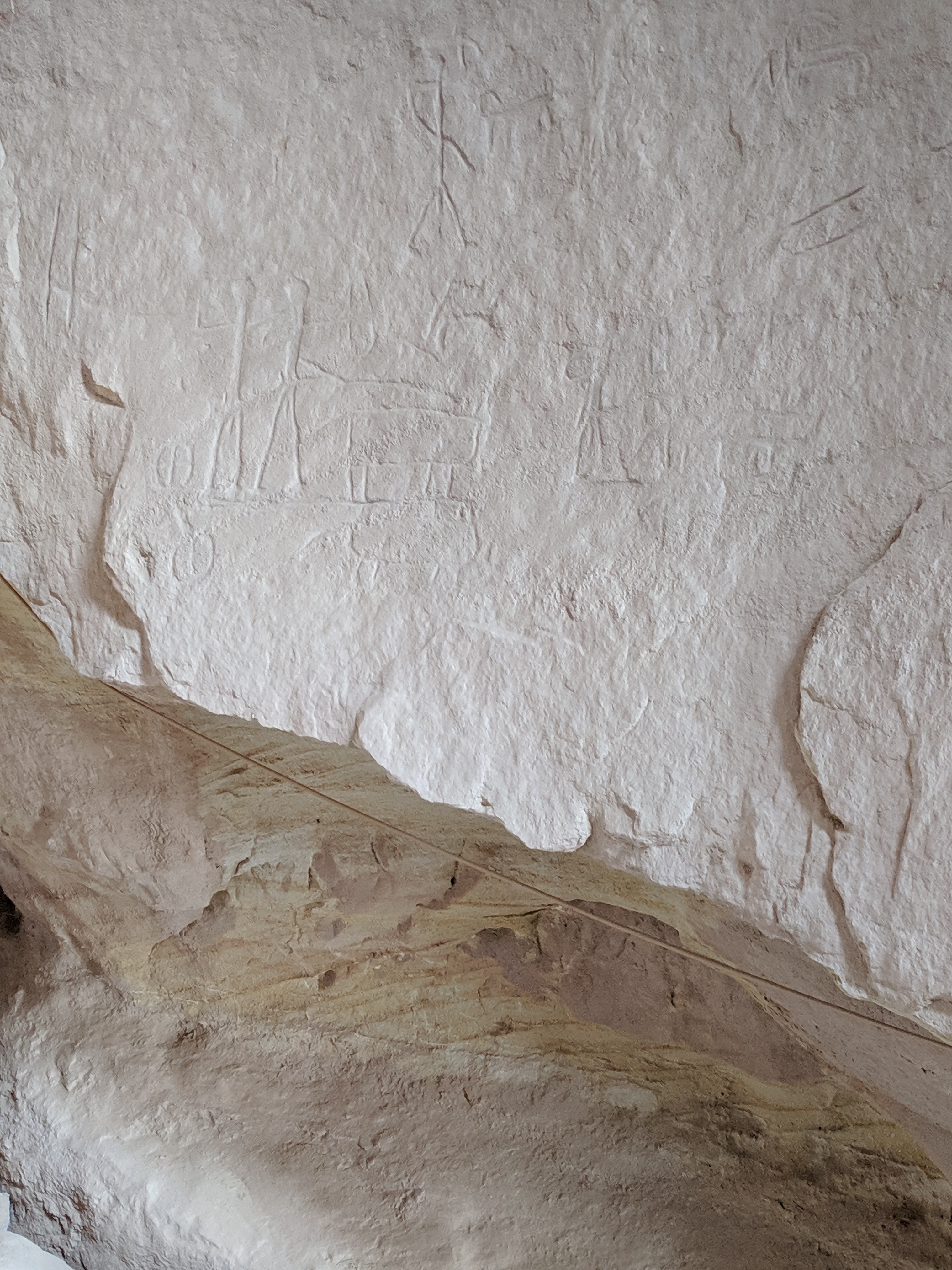
Timna Valley
Copper mining and unique sandstone formations
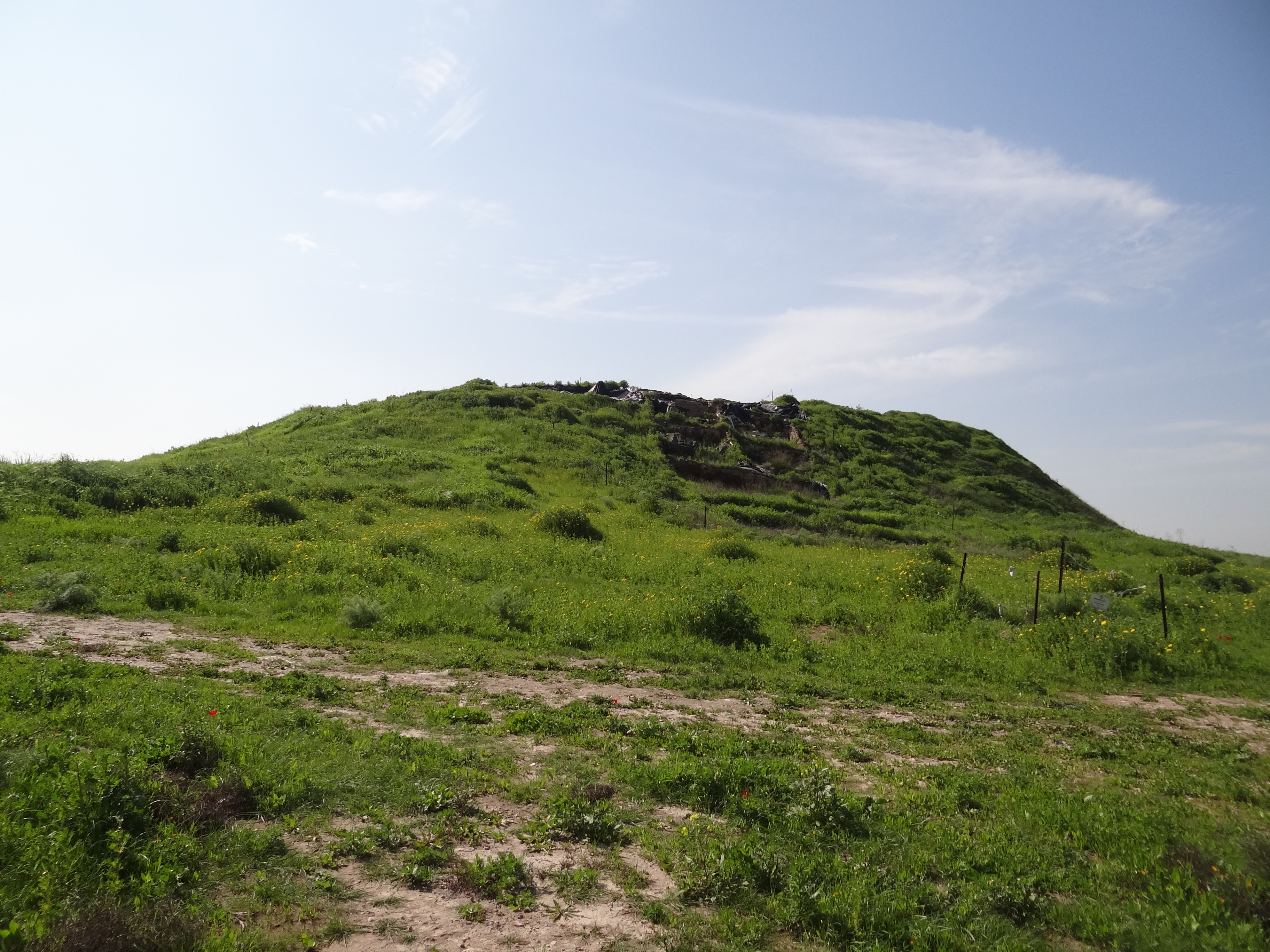
Tel Zayit
Ancient city with alphabetic inscription evidence.
Tell Qasile
Philistine port city with temples and houses
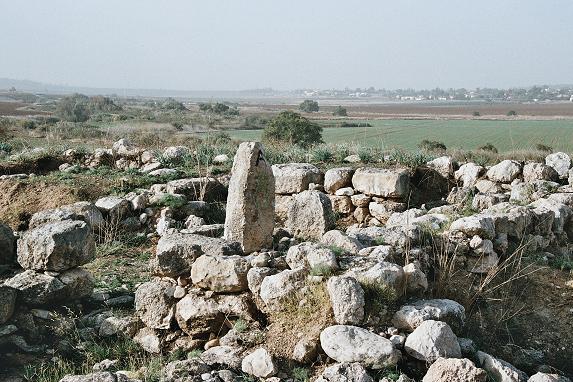
Timnah
Philistine city in Sorek Valley, Israel.
Tel Tanninim
Ancient tell near Mediterranean with Byzantine remains