Explore the Map
Sokho
31.6821° N, 34.9739° E
About
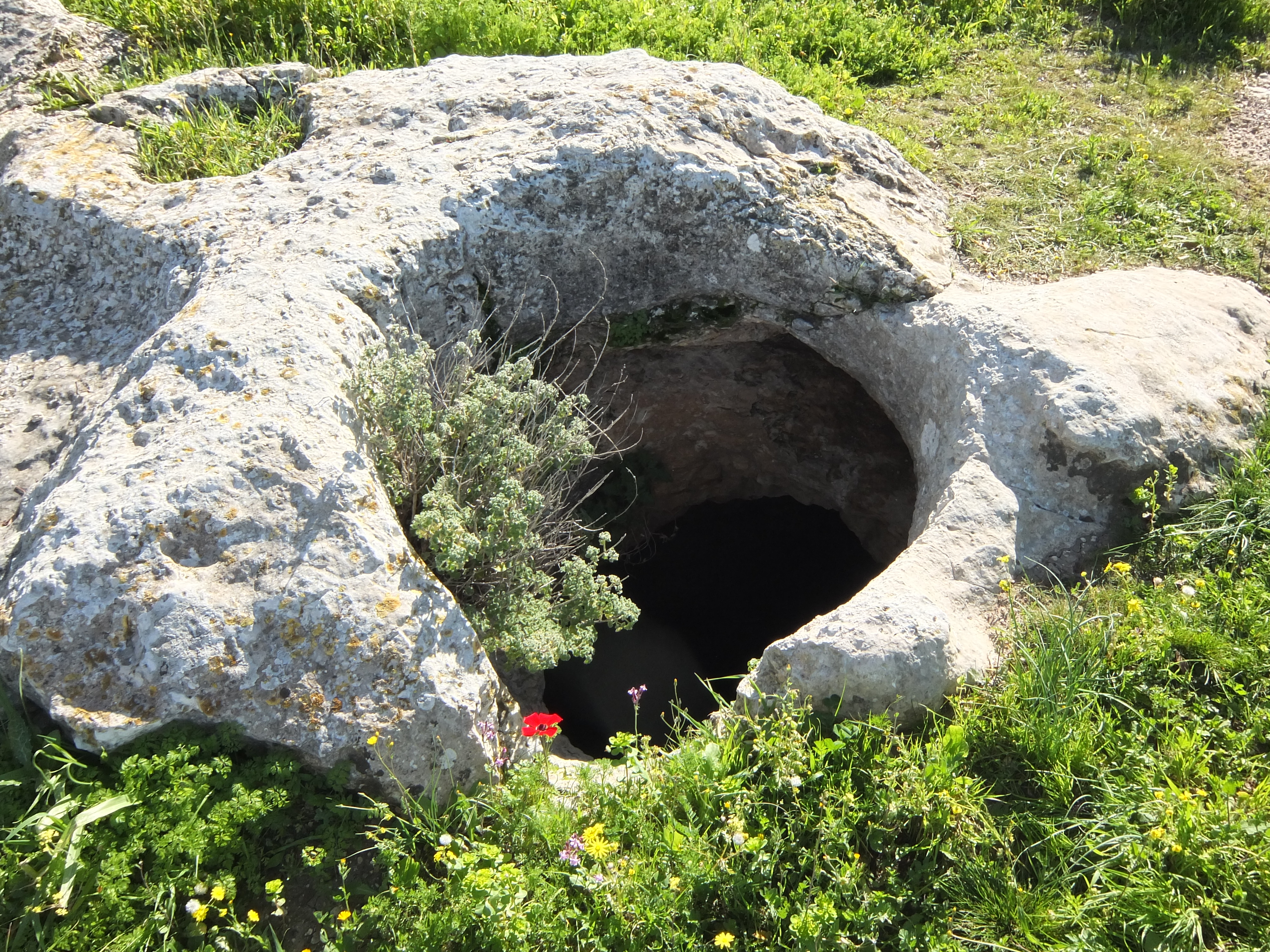
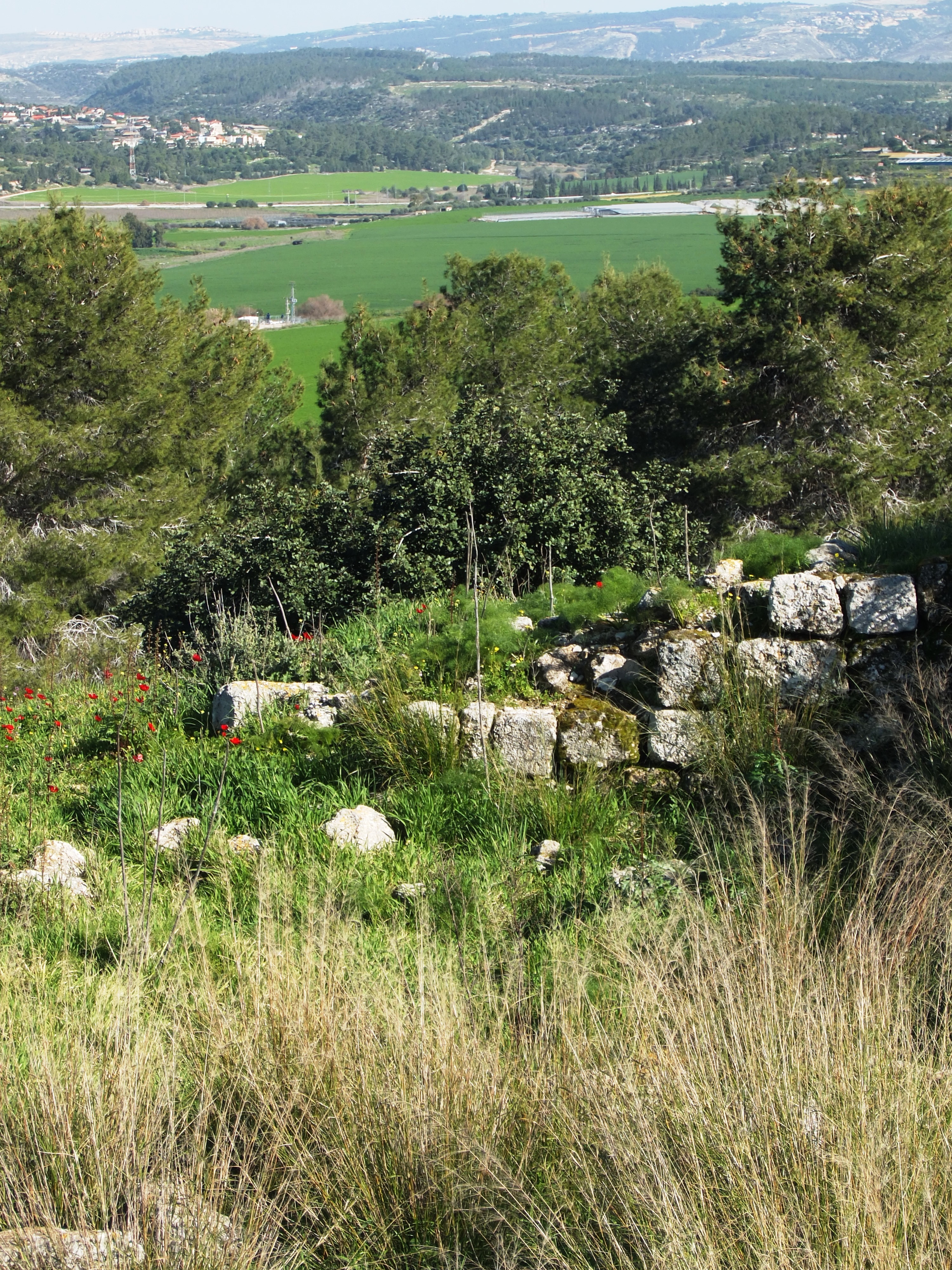
The site of Sokho, also referred to by several alternate spellings, is an ancient town located within the territorial domain of Judah, mentioned in the Hebrew Bible. Archaeologically significant for its occupation as early as the Iron Age, the site features remnants of defensive walls dating back to the Middle Bronze Age and shows evidence of habitation through various periods, including Iron Age II and Byzantine times. The city holds historical importance for its strategic location in the Valley of Elah, where notable biblical events, such as the Philistine encampment before Goliath's encounter with David, are said to have occurred. The site has yielded artifacts like terracotta figurines and is believed to have served administrative purposes during the Judean monarchy. Its ruins, including ancient wells and cisterns, add to the understanding of ancient urban planning and water management.
Gallery
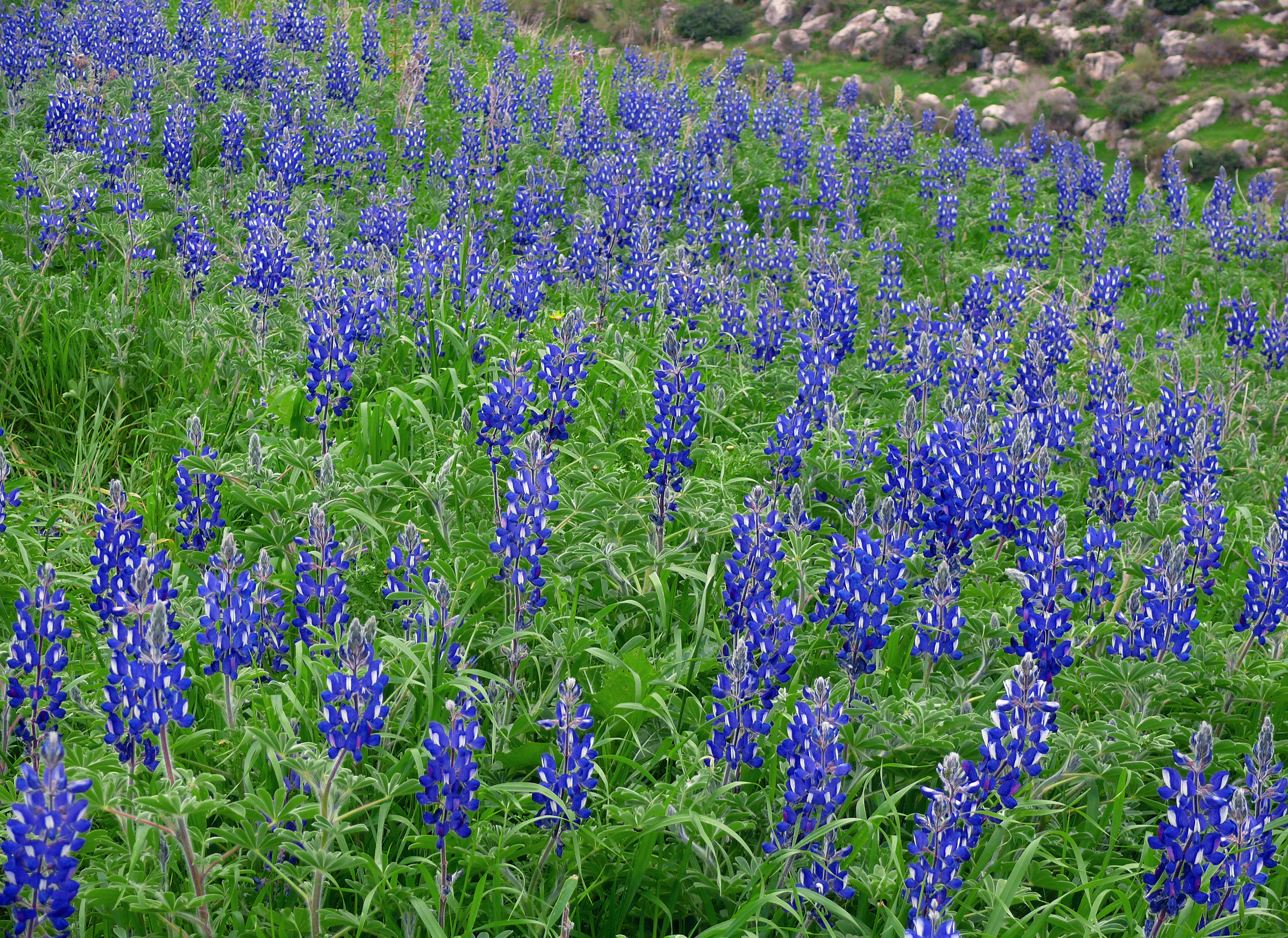
Explore photographs of ancient structures, artifacts, and archaeological excavations
Historical Timeline
Journey through time and discover key events in this site's history
Middle Bronze Age Walls
21st century BCE
Philistine Encampment
11th century BCE
Rehoboam's Fortifications
10th century BCE
Iron Age II Occupation
8th century BCE
Byzantine Building
6th century CE
Archaeological Features
Unique architectural and cultural elements found at this historical site
Defensive Structures
Water Management Features
Burial and Funerary Structures
Industrial and Craft Structures
Artistic and Decorative Features
Domestic and Habitation Structures
Frequently Asked Questions
Plan Your Visit
Tours, travel arrangements, and practical information
More Sites in Israel
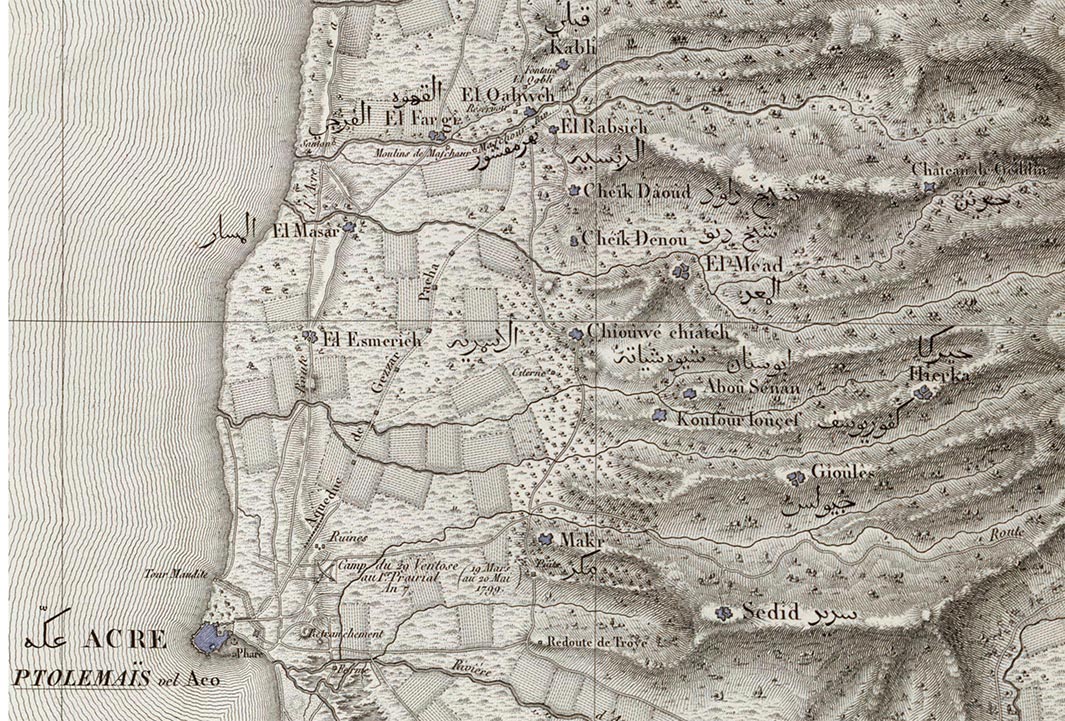
Tel Kabri
Bronze Age Canaanite palace and settlement
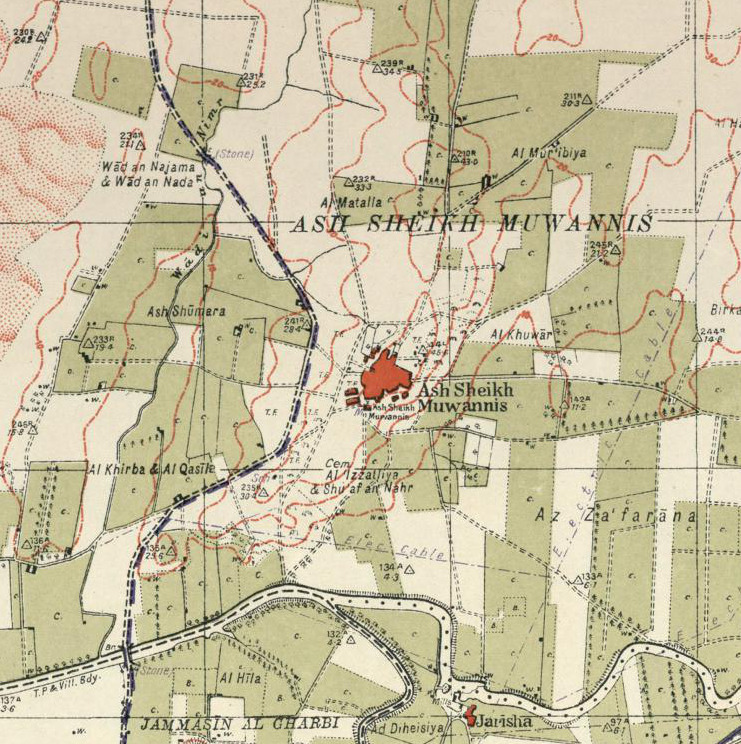
Tell Qasile
Philistine port city with temples and houses
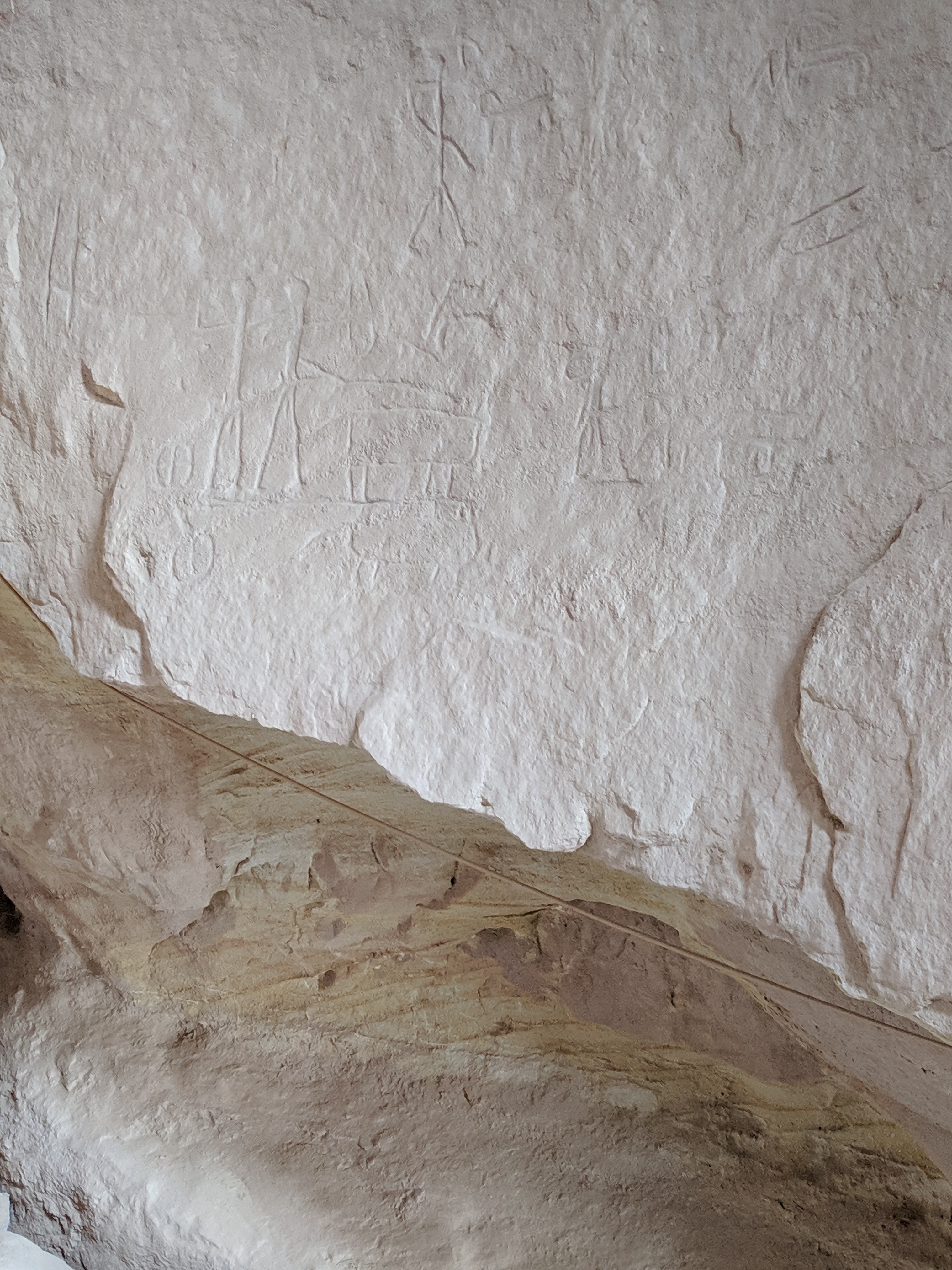
Timna Valley
Copper mining and unique sandstone formations
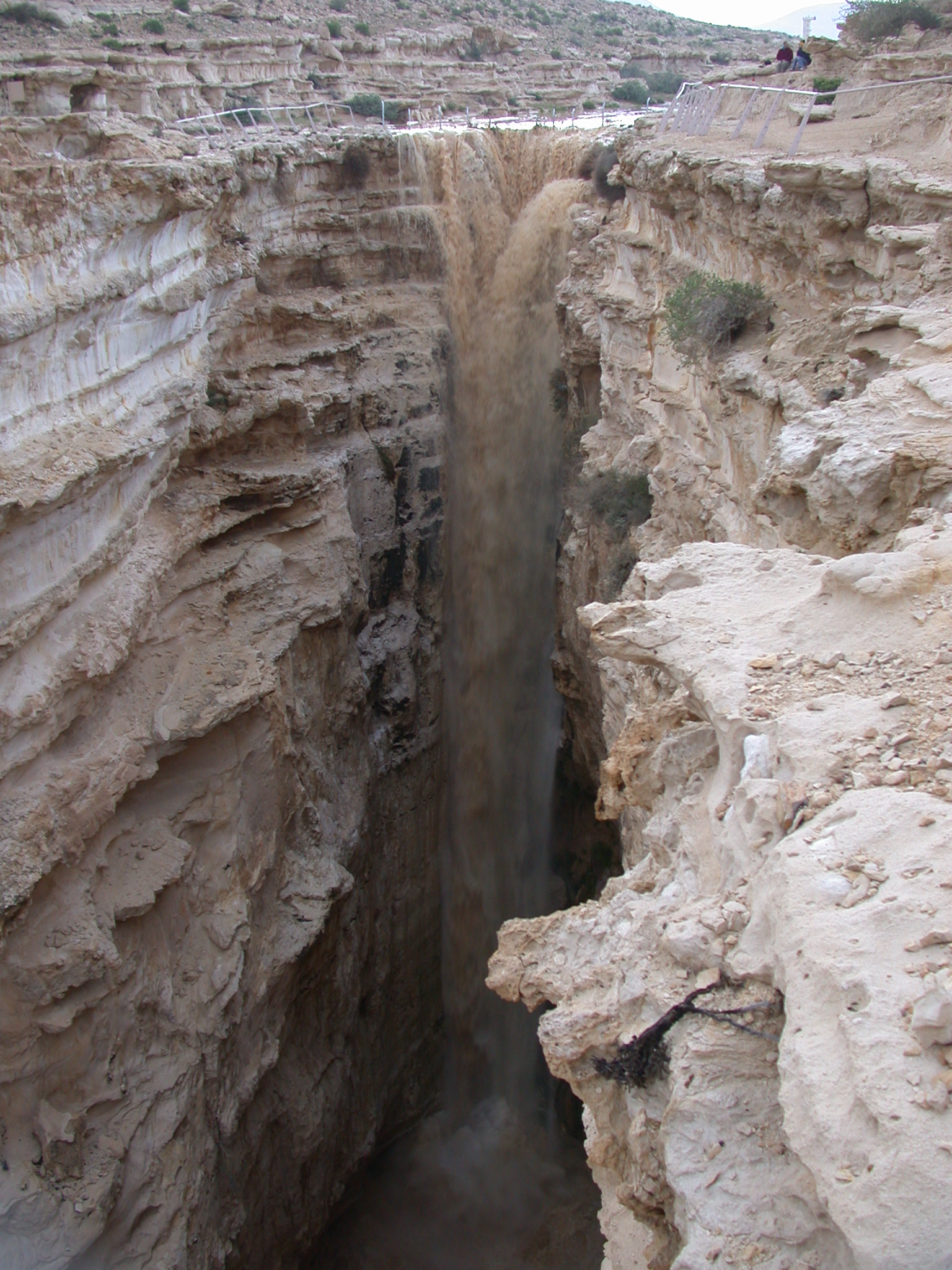
Ein Avdat
Desert canyon with springs and ancient habitations.
Tel Ro'im
Limestone hill with Roman-Byzantine caves
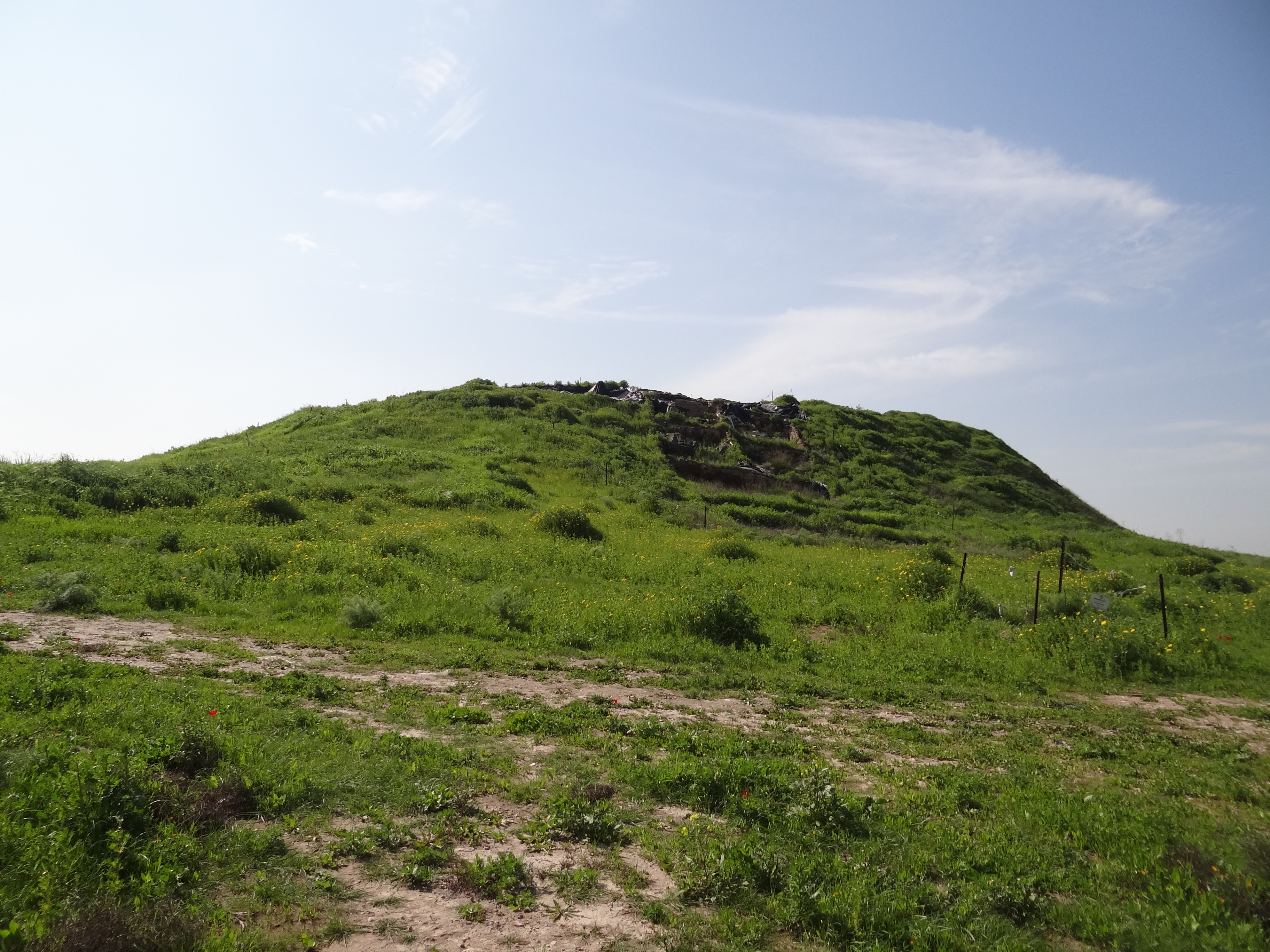
Tel Zayit
Ancient city with alphabetic inscription evidence.