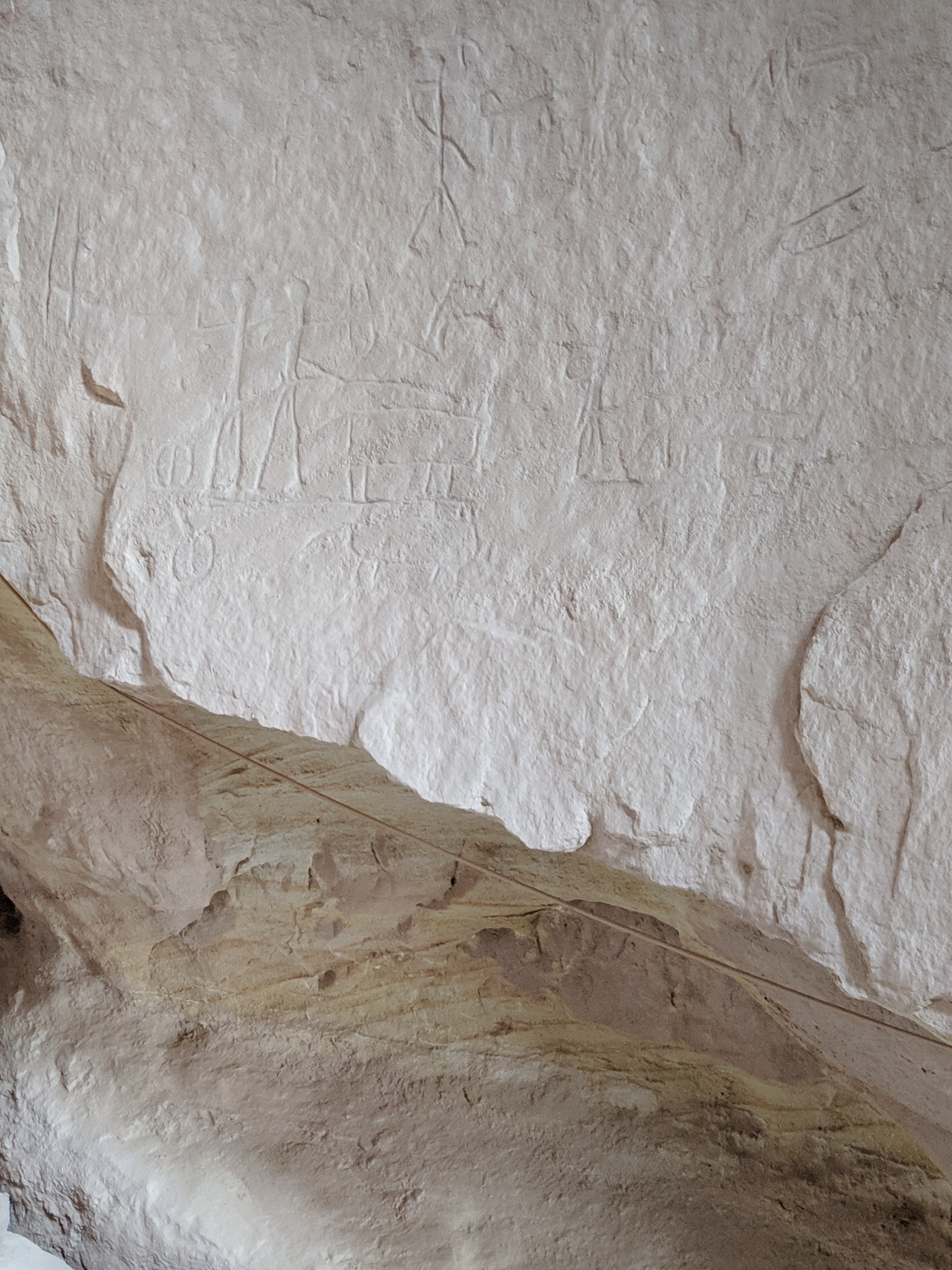
Explore the Map
Timna Valley
29.7878° N, 34.9889° E
About
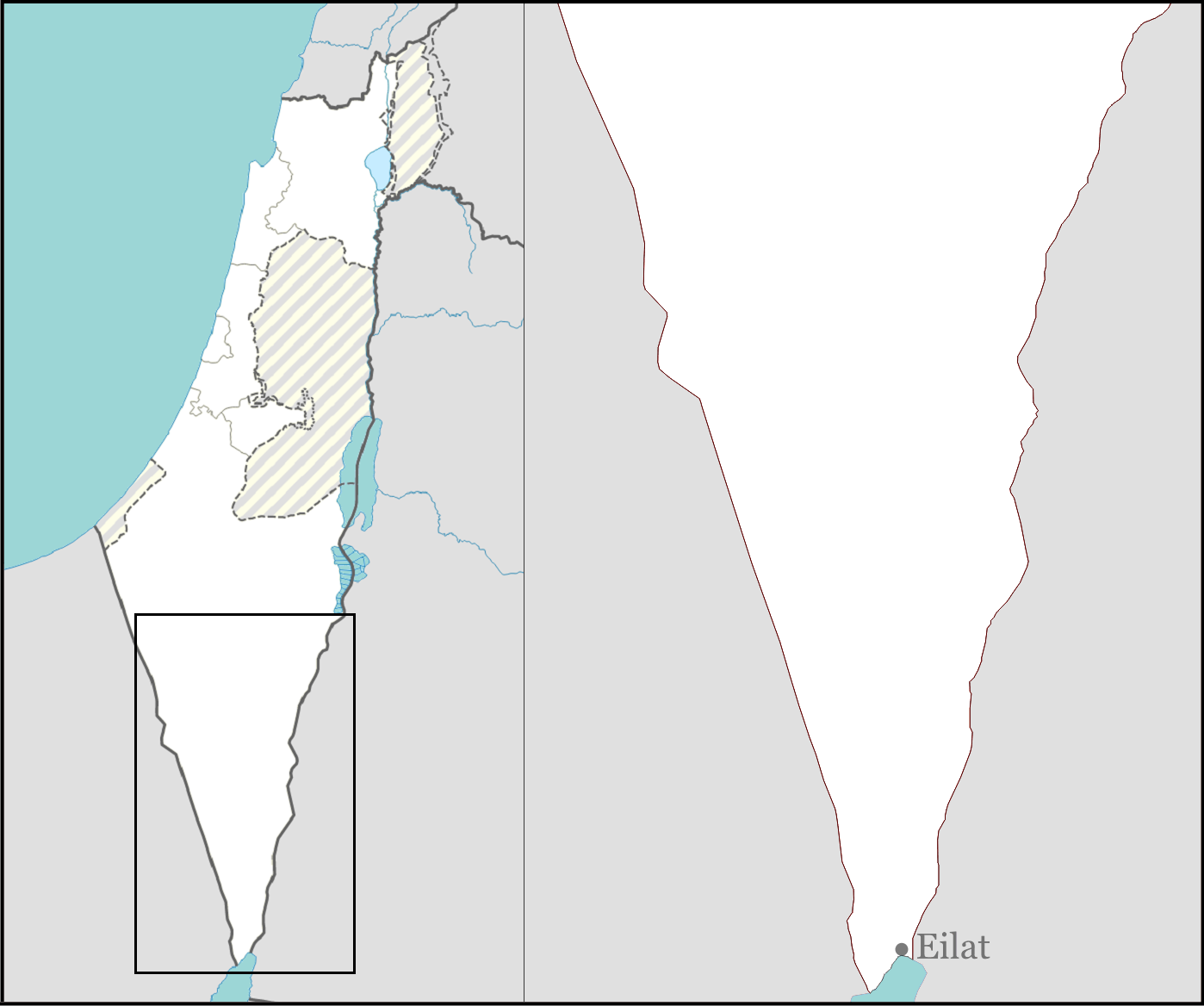
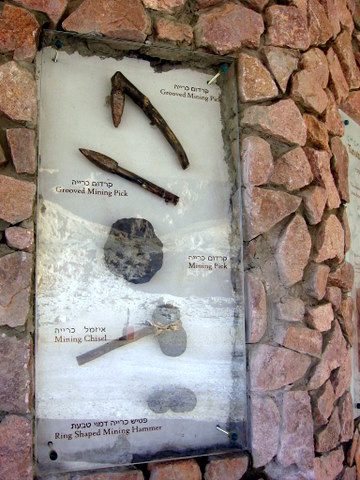
Timna Valley is a significant archaeological site located in southern Israel, known for its extensive history of copper mining dating back to the 5th millennium BCE. The valley features unique geological formations such as Solomon's Pillars and the Mushroom, alongside remnants of ancient mining activities. It was a crucial mining site during the Late Bronze Age under Egyptian control, with a temple dedicated to Hathor. The Edomites later exploited the mines in the early Iron Age. The site also provides evidence of the earliest domesticated camels in the region, suggesting significant trade and cultural interactions. The mining activities continued into the Nabataean, Roman, and Umayyad periods. Timna Valley's archaeological findings have reshaped our understanding of ancient technologies and societies in the Levant.
Gallery
Explore photographs of ancient structures, artifacts, and archaeological excavations
Historical Timeline
Journey through time and discover key events in this site's history
Initial Copper Mining
5000 BCE
Egyptian Mining and Temple Construction
1300 BCE
Introduction of Domesticated Camels
930 BCE
Edomite Copper Mining
900 BCE
Nabataean and Roman Mining
100 CE
Umayyad Period Mining
700 CE
Archaeological Features
Unique architectural and cultural elements found at this historical site
Industrial and Craft Structures
Religious and Ritual Structures
Artistic and Decorative Features
Environmental and Natural Features
Frequently Asked Questions
Plan Your Visit
Tours, travel arrangements, and practical information
More Sites in Israel
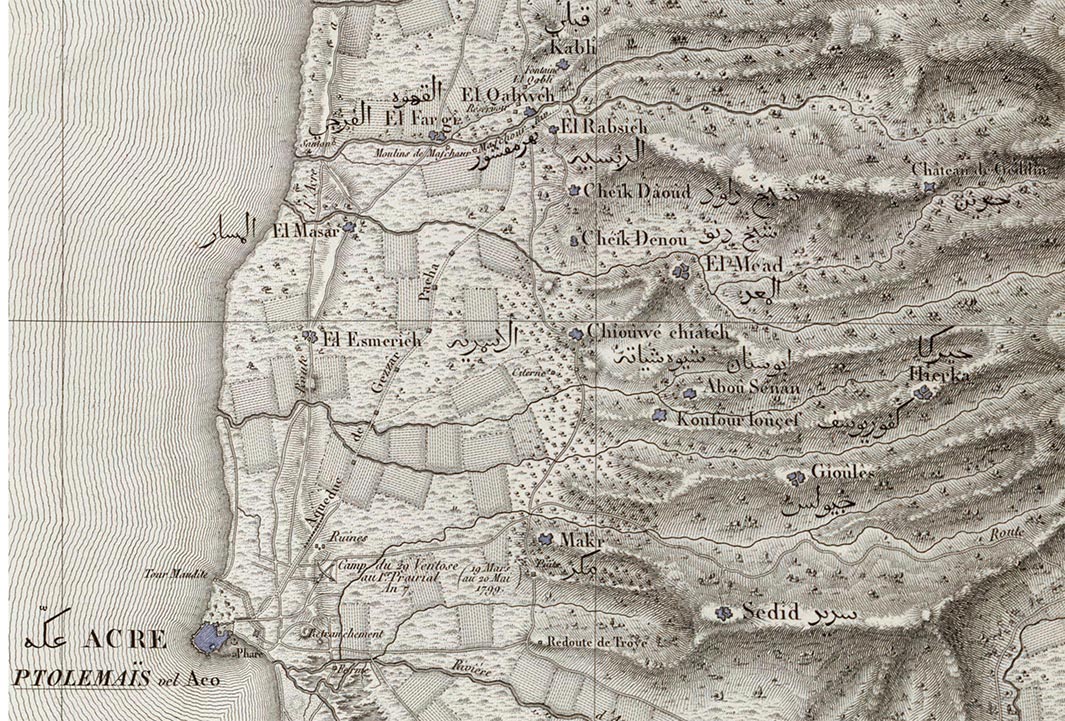
Tel Kabri
Bronze Age Canaanite palace and settlement
Tell Qasile
Philistine port city with temples and houses
Timnah
Philistine city in Sorek Valley, Israel.
Lavnin
Late Bronze Age site with burial caves
Tel Ro'im
Limestone hill with Roman-Byzantine caves
Tel Zayit
Ancient city with alphabetic inscription evidence.