Explore the Map
Kaetsu border castle ruins
36.6161° N, 136.7833° E
About
The Kanetsu Border Castle ruins comprise a series of fortifications along the border of modern Ishikawa and Toyama Prefectures, significant for their role during the Sengoku period. These ruins include Kiriyama Castle and Matsune Castle, built by the Maeda and Sassa clans, respectively, amidst conflict over regional power struggles. Archaeological excavations have uncovered defensive features like dry moats, fortified gates, and earthen ramparts, as well as transportation routes connecting these castles. These sites were part of strategic defenses during the late 16th century and were eventually decommissioned under the Tokugawa shogunate's policy. The ruins provide valuable insights into the military strategies and border defenses during a tumultuous period in Japanese history.
Gallery
Explore photographs of ancient structures, artifacts, and archaeological excavations
Historical Timeline
Journey through time and discover key events in this site's history
Construction of Kiriyama Castle
1584 CE
Modernization of Matsune Castle
1584 CE
Hideyoshi's Invasion of Etchū
1585 CE
Abolition under Tokugawa decree
1615 CE
Archaeological Features
Unique architectural and cultural elements found at this historical site
Defensive Structures
Transportation and Communication Structures
Frequently Asked Questions
Plan Your Visit
Tours, travel arrangements, and practical information
More Sites in Japan
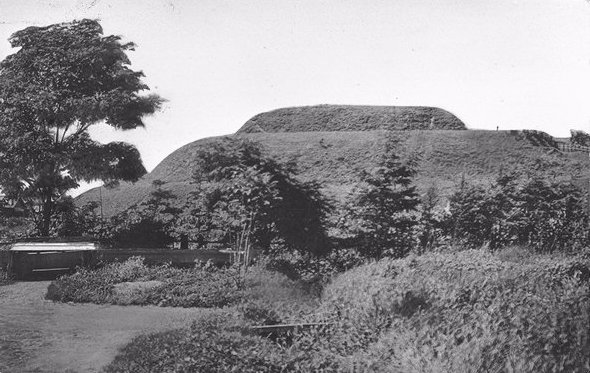
Moshiriya Chashi
Ainu fortified chashi on elevated site
Mangyō Site
Late Yayoi–Early Kofun settlement, Nanao (Ishikawa), Japan
Binmanji Ishibotokedani Necropolis
Medieval Japanese necropolis with 1600 tombs.
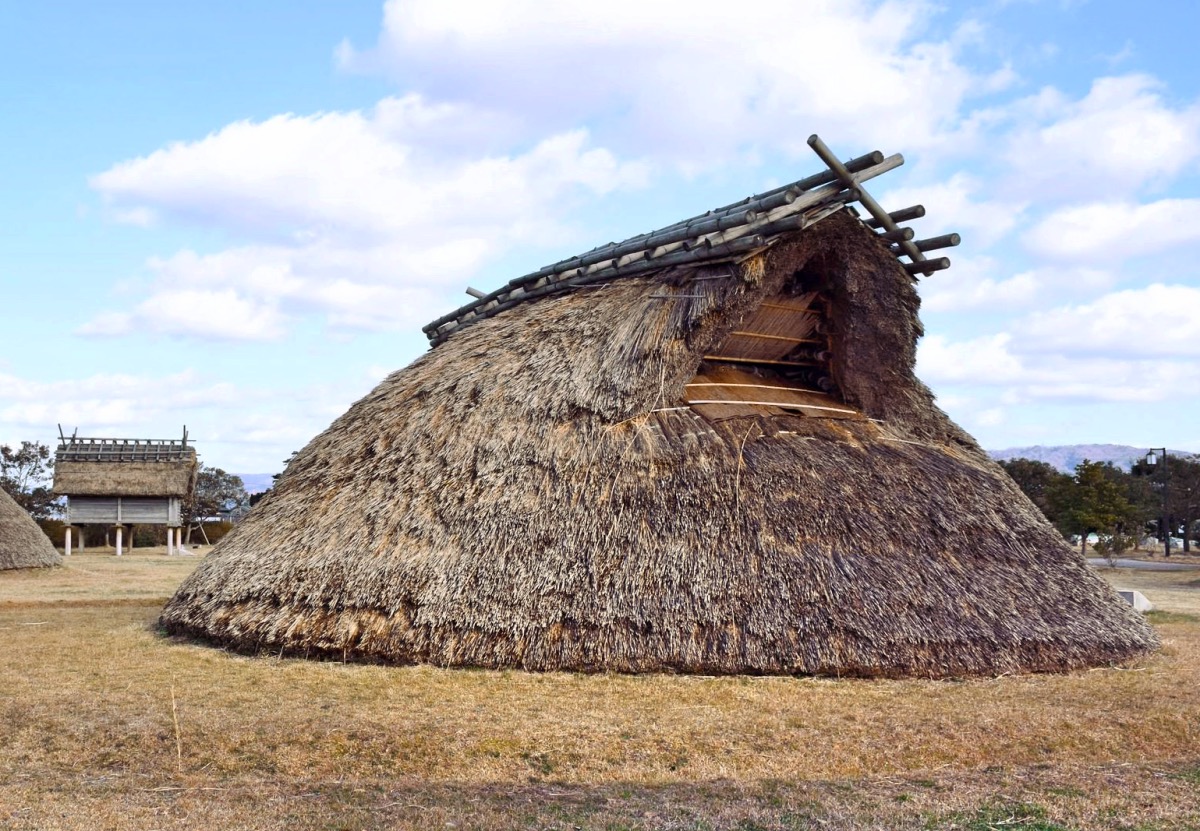
Yoshizaki-Suba Site
Yayoi period settlement remains, Ishikawa, Japan.

Komaru Castle
Sengoku period castle with moats and ramparts.
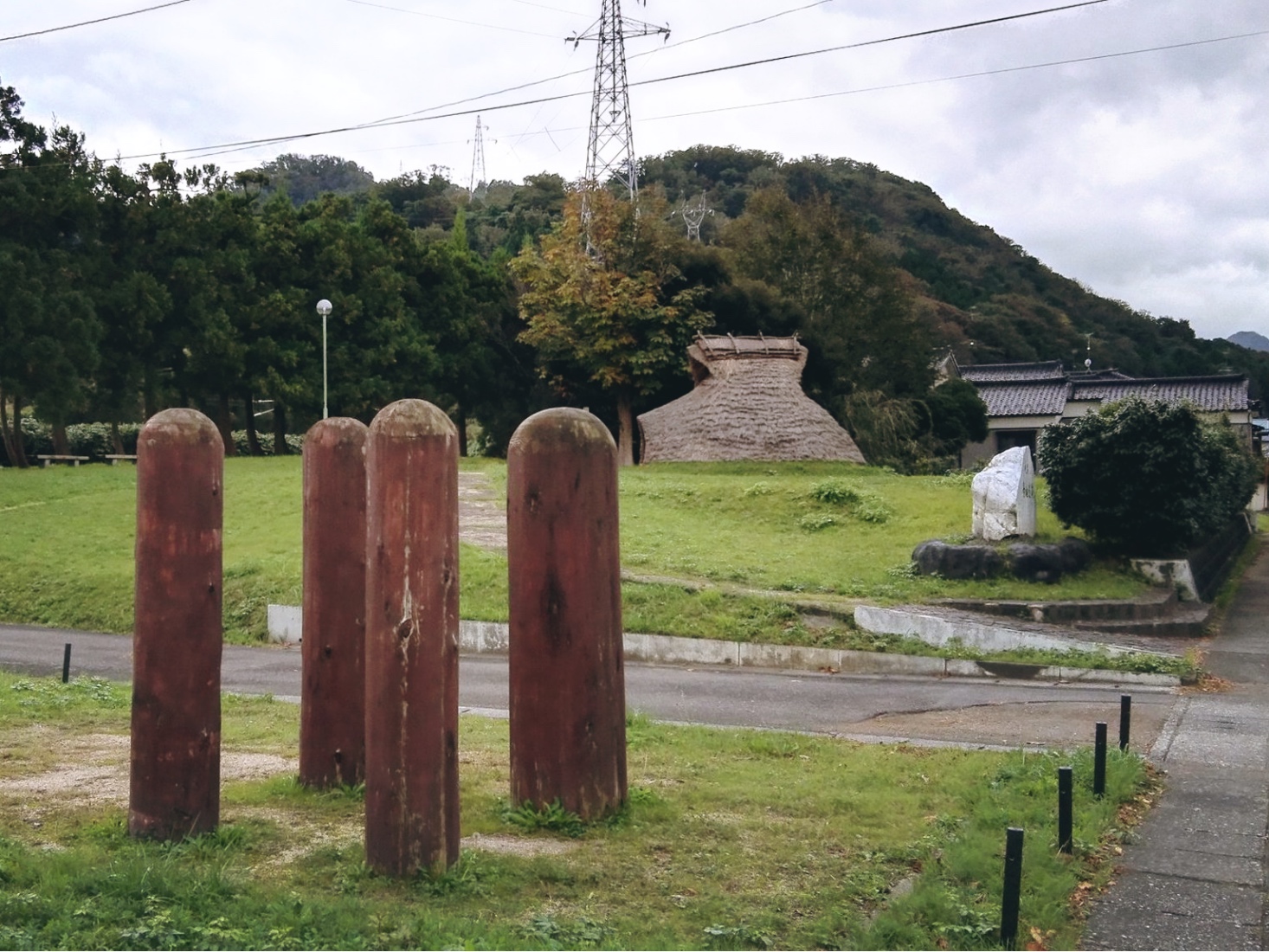
Terachi Site
Middle to late Jōmon period settlement