Explore the Map
Binmanji Ishibotokedani Necropolis
35.2131° N, 136.2872° E
About
The Binmanji Ishibotokedani Necropolis, located in Taga, Shiga Prefecture, Japan, is an archaeological site of significant historical value. Established in the 13th century CE, this necropolis contains over 1600 tombs, including stone Buddhas, Gorintō, and Hōkyōintō used as gravestones, as well as various burial urns of different Japanese and Chinese ceramics. The site was originally associated with the fortified Buddhist temple, Binman-ji, which was destroyed in 1571 CE by Oda Nobunaga. The surrounding area includes ruins of 15th and 16th-century fortifications and townhouses, indicating a once-thriving community protected by a sōhei military force. This site offers insights into the religious practices and societal structure of medieval Japan, serving as a crucial link to understanding the region's historical and cultural landscape.
Historical Timeline
Journey through time and discover key events in this site's history
13th century necropolis establishment
13th century CE
15th century fortifications
15th century CE
1571 temple destruction
1571 CE
Archaeological Features
Unique architectural and cultural elements found at this historical site
Defensive Structures
Burial and Funerary Structures
Industrial and Craft Structures
Religious and Ritual Structures
Frequently Asked Questions
Plan Your Visit
Tours, travel arrangements, and practical information
More Sites in Japan
Furushida-Higashi ruins
Heian period fortified residence with moat.
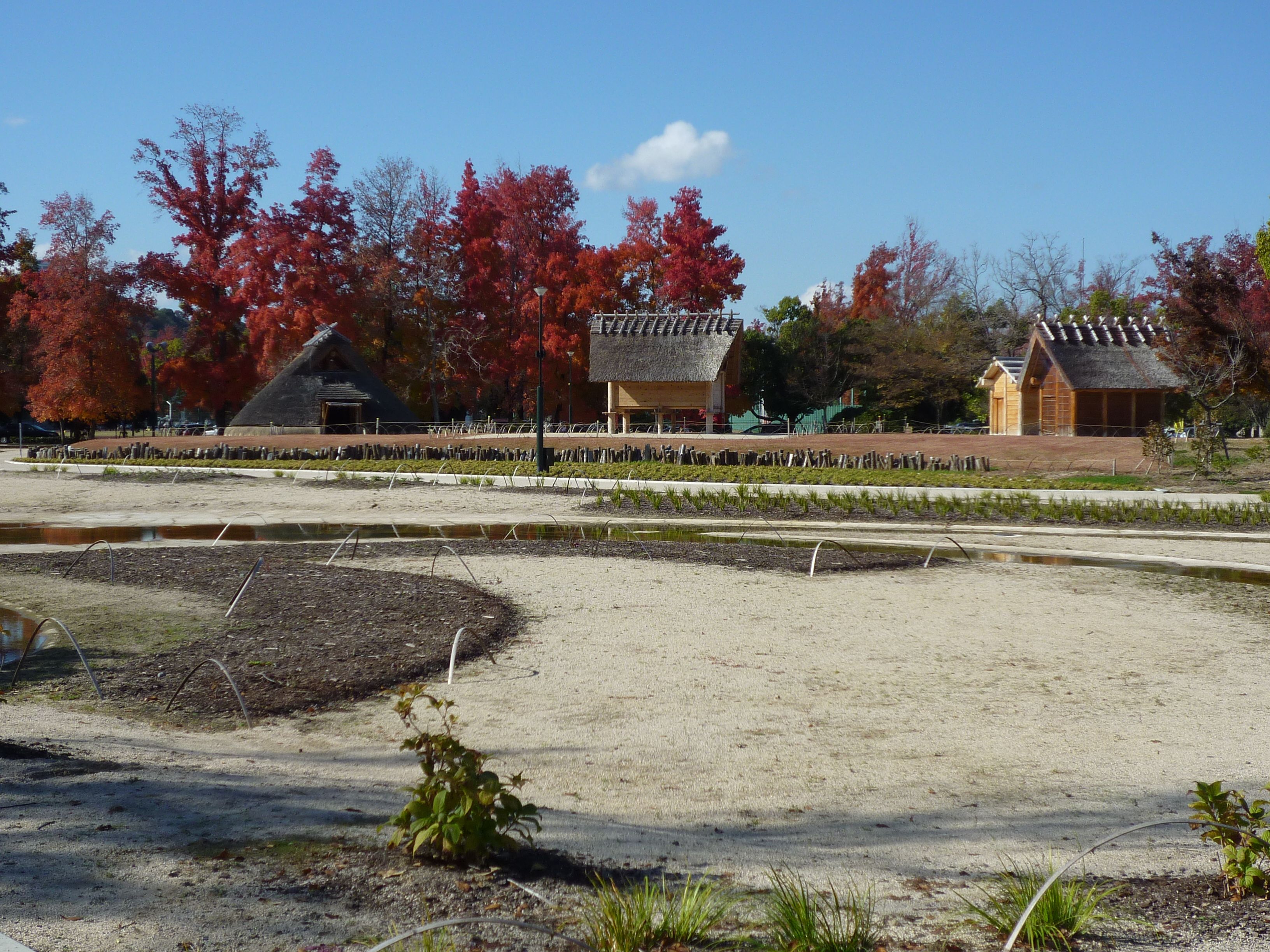
Tsushima Site
Yayoi settlement with paddy fields and dwellings

Komaru Castle
Sengoku period castle with moats and ramparts.
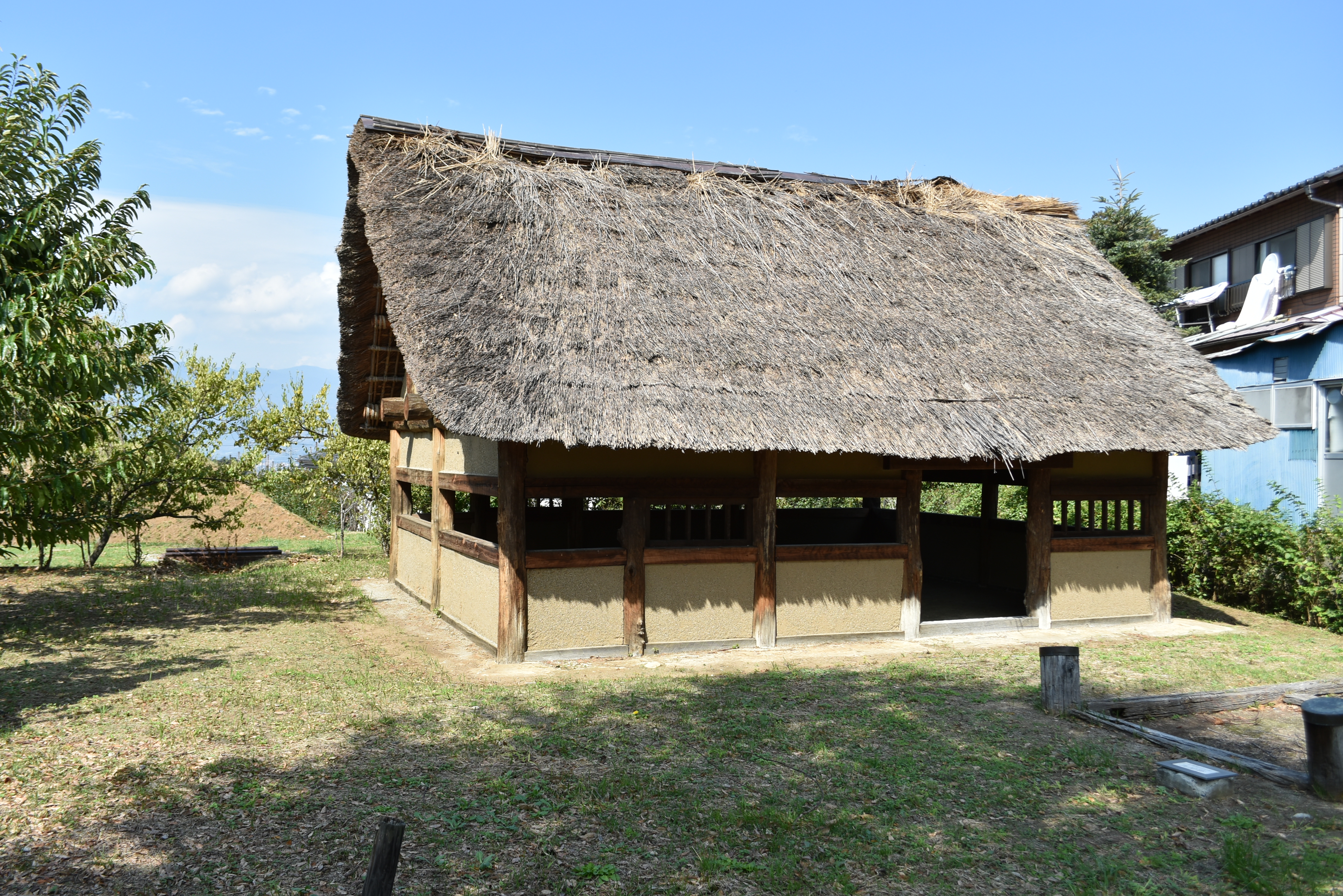
Katsunuma clan residence ruins
Sengoku period fortified residence ruins.
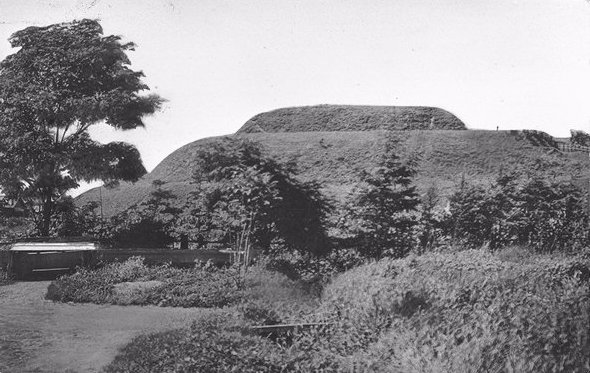
Moshiriya Chashi
Ainu fortified chashi on elevated site
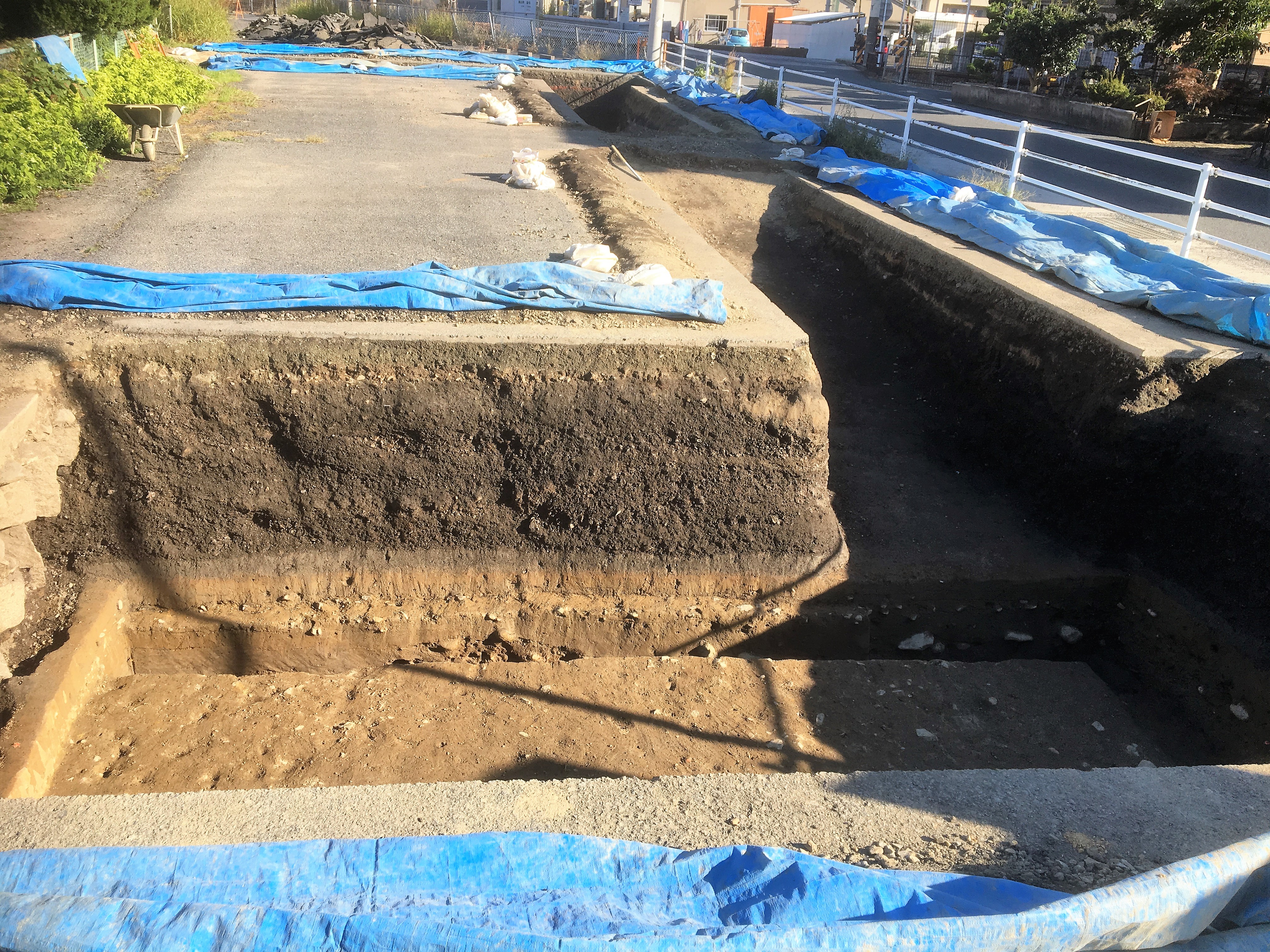
Bingo Provincial Capital
Ruins of ancient provincial capital structures