Explore the Map
Jike Site
36.9200° N, 136.7725° E
About
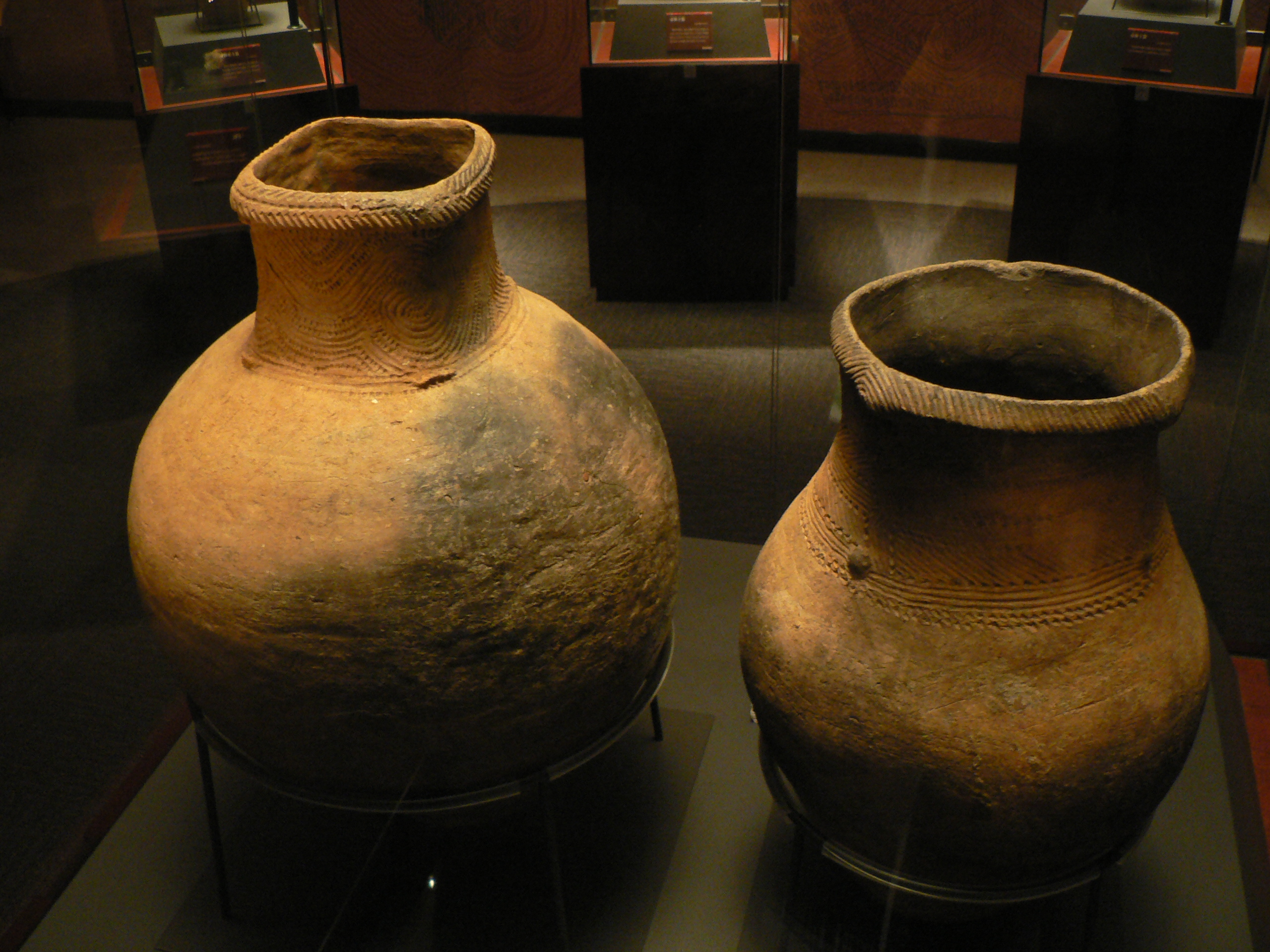
The Jike Site, located in the Jike neighborhood of Hakui, Ishikawa, is a significant archaeological site that reveals a rich tapestry of historical eras. Initially established as a settlement during the Jōmon period, the site witnessed substantial development during the Yayoi period. The settlement features remnants of domestic structures such as pit dwellings, alongside evidence of industrial activity including salt-making furnaces and workshops. Overlaying these early settlements are the foundations of Buddhist temples and Shinto shrines from the Nara and Heian periods. Notably, the site is believed to have had a ritualistic connection with the nearby Keta Taisha and served as a trading hub linked to the kingdom of Balhae. Excavations have uncovered a wide array of pottery, bronze artifacts, and coins, underscoring its historical and cultural significance. The site suffered destructive events in the Heian and Muromachi periods, from which it never fully recovered.
Historical Timeline
Journey through time and discover key events in this site's history
Yayoi Settlement
300 BCE – 300 CE
Jōmon Settlement
8,000 BCE – 300 BCE
9th Century Ritual Site
800 CE – 899 CE
Heian Destruction
900 CE – 999 CE
Muromachi Destruction
1400 CE – 1499 CE
Archaeological Features
Unique architectural and cultural elements found at this historical site
Industrial and Craft Structures
Religious and Ritual Structures
Domestic and Habitation Structures
Frequently Asked Questions
Plan Your Visit
Tours, travel arrangements, and practical information
More Sites in Japan
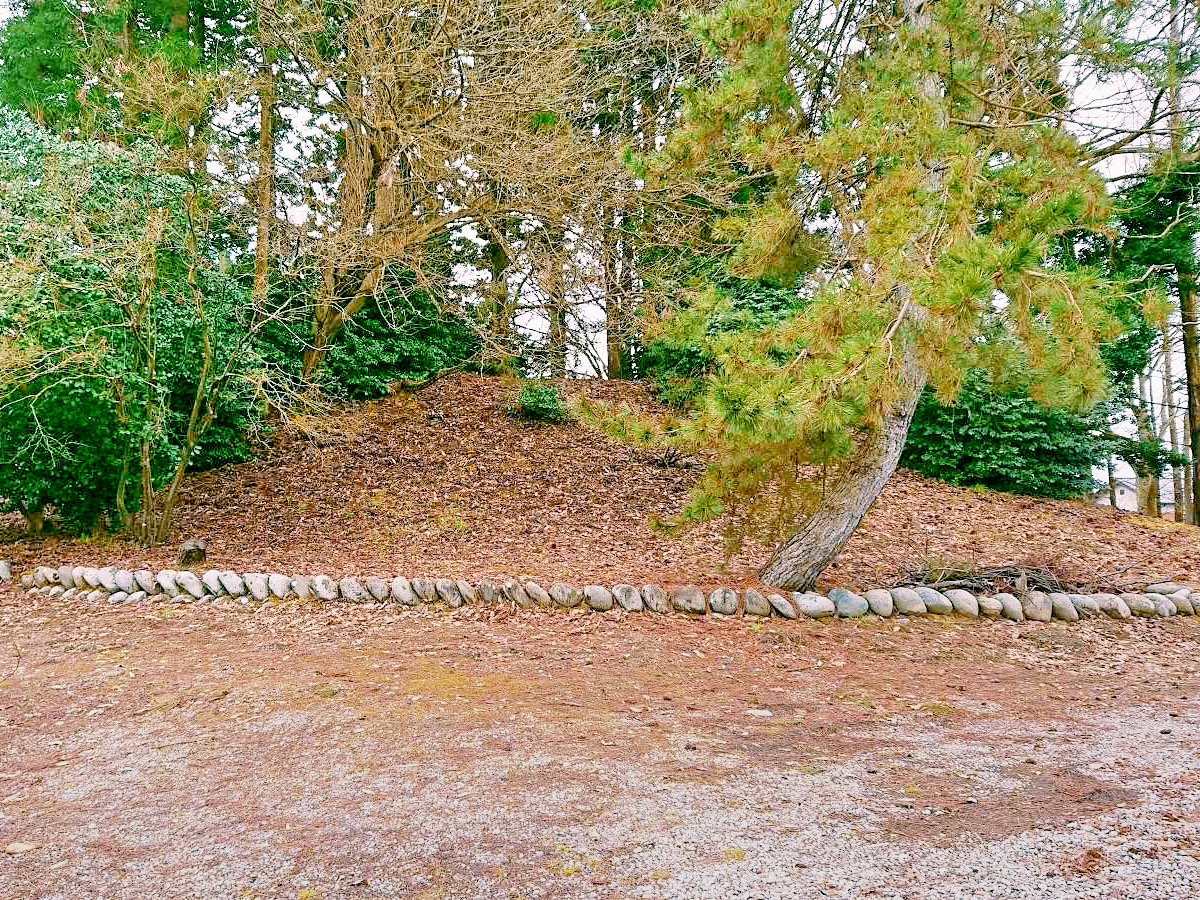
Kushidashin Site
Late Jōmon settlement with Kofun burial mounds.
Mangyō Site
Late Yayoi–Early Kofun settlement, Nanao (Ishikawa), Japan
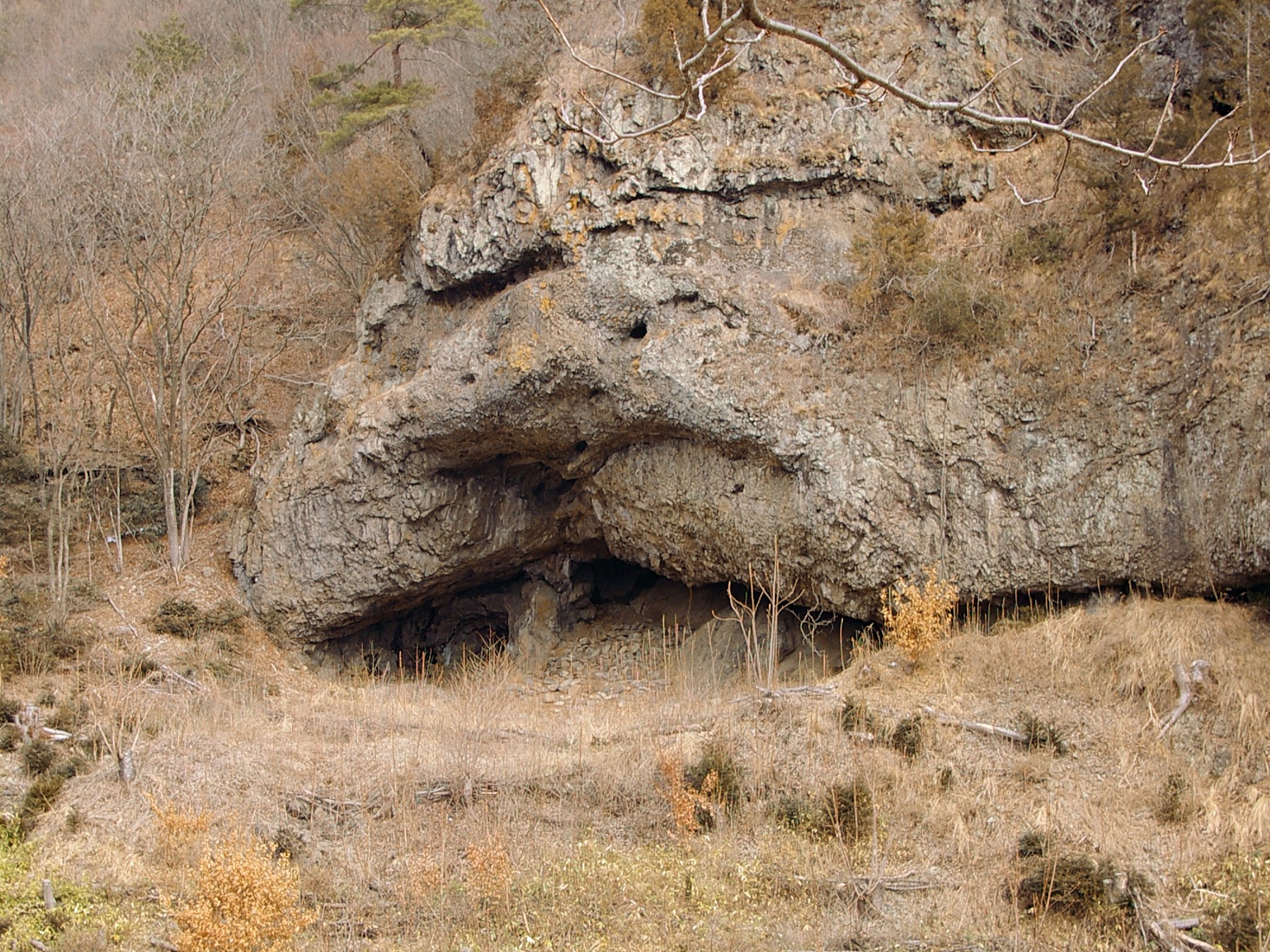
Tobayama Cave
Cave dwelling and tomb with grave goods
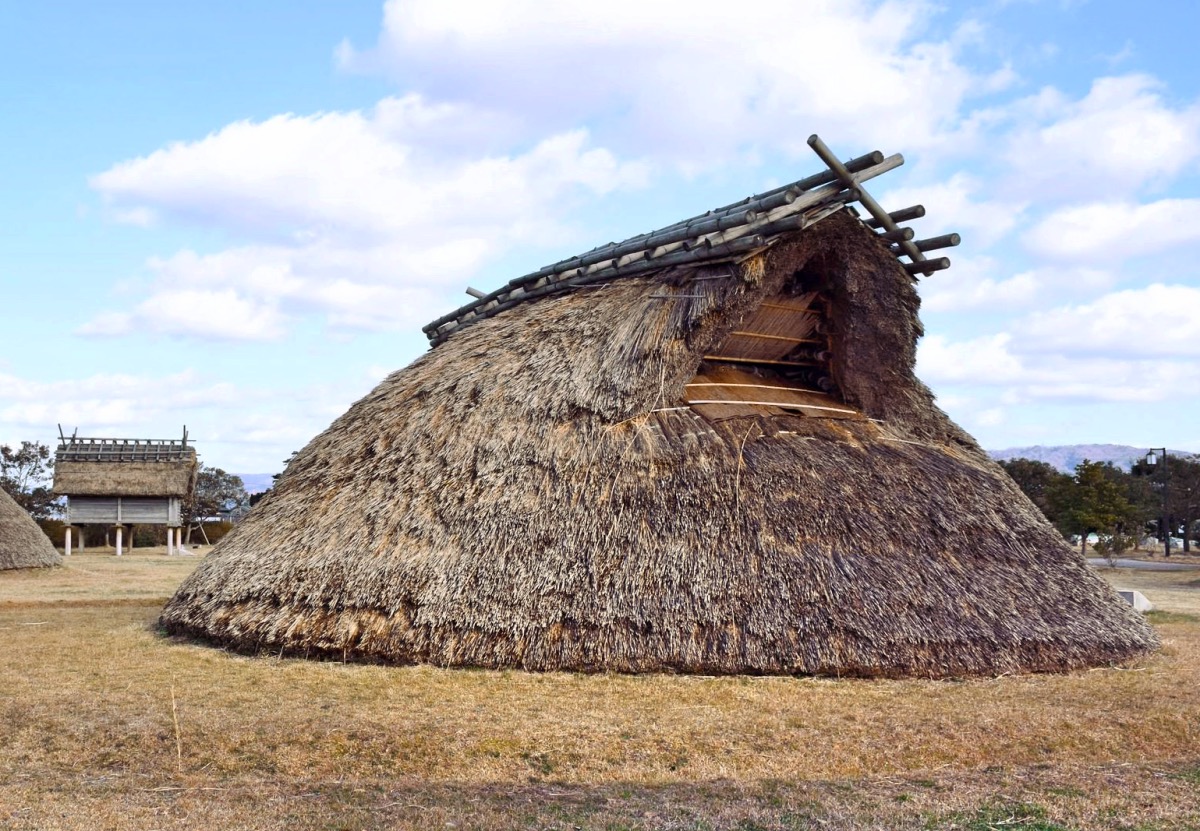
Yoshizaki-Suba Site
Yayoi period settlement remains, Ishikawa, Japan.
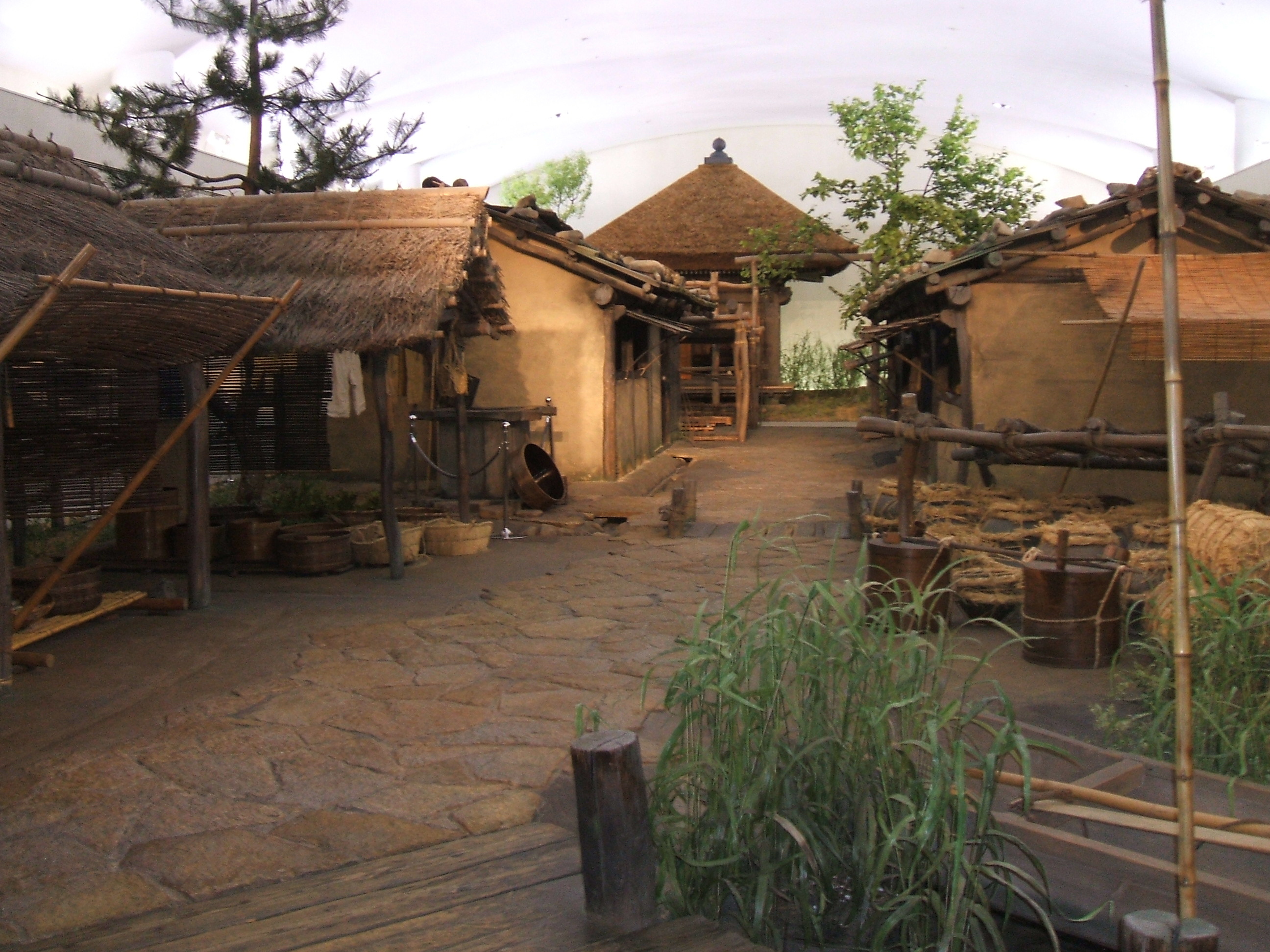
Kusado Sengen
Medieval port town near Ashida River
Uenohara site
Early Jōmon period settlement in Japan.