Explore the Map
Shirakawa Funada-Motonuma Sites
37.1361° N, 140.2864° E
About
The Shirakawa Funada-Motonuma Sites, located in Shirakawa, Fukushima, Japan, include significant Kofun period archaeological sites. These sites feature the Shimōsa-zuka kofun, a keyhole-shaped burial mound with a length of 71.8 meters, and the Funada-nakamichi site, a fortified residence with traces of wooden palisades and pit dwellings. Both are believed to be associated with the local ruler, Shirakawa miyatsuko, dating from the 6th to 7th century CE. Additionally, the Yachikubo kofun, a tomb structure, reflects architectural styles from the Kansai region and marks the final phase of the Kofun period into the early 8th century. Designated a National Historic Site in 2005, these sites provide crucial insights into the burial practices and domestic architecture of the period.
Historical Timeline
Journey through time and discover key events in this site's history
Shimōsa-zuka Kofun construction
6th century CE
Funada-nakamichi residence establishment
6th century CE
Yachikubo Kofun construction
7th century CE
Archaeological Features
Unique architectural and cultural elements found at this historical site
Defensive Structures
Burial and Funerary Structures
Domestic and Habitation Structures
Frequently Asked Questions
Plan Your Visit
Tours, travel arrangements, and practical information
More Sites in Japan
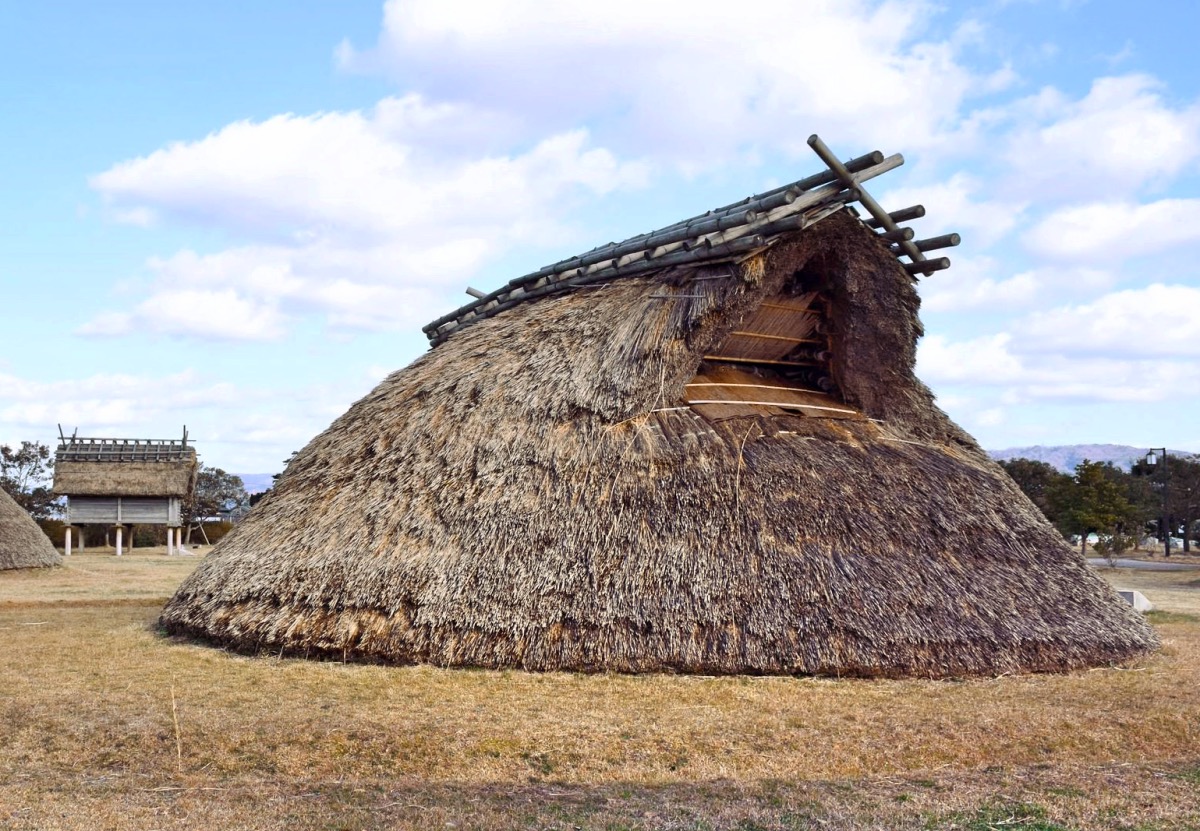
Yoshizaki-Suba Site
Yayoi period settlement remains, Ishikawa, Japan.
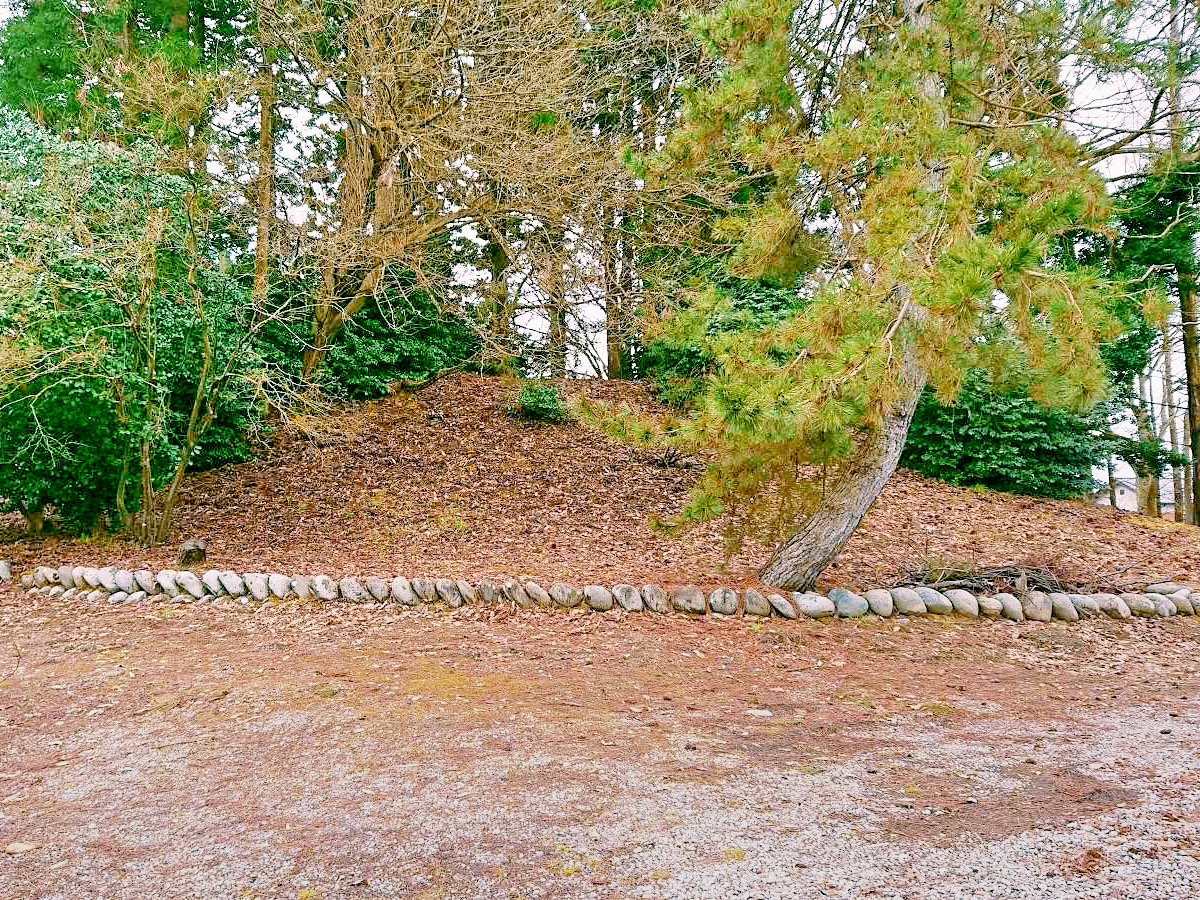
Kushidashin Site
Late Jōmon settlement with Kofun burial mounds.
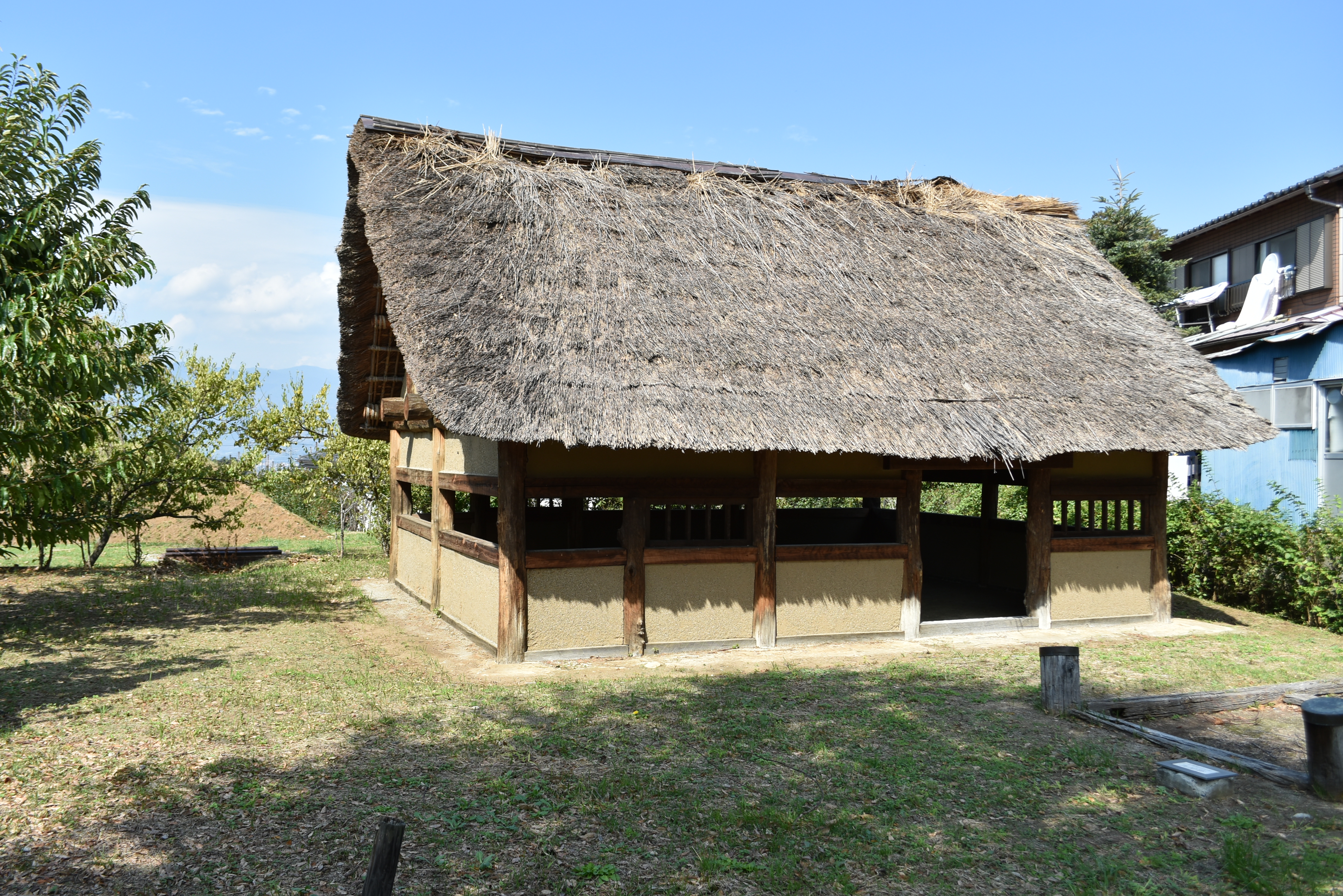
Katsunuma clan residence ruins
Sengoku period fortified residence ruins.
Furushida-Higashi ruins
Heian period fortified residence with moat.
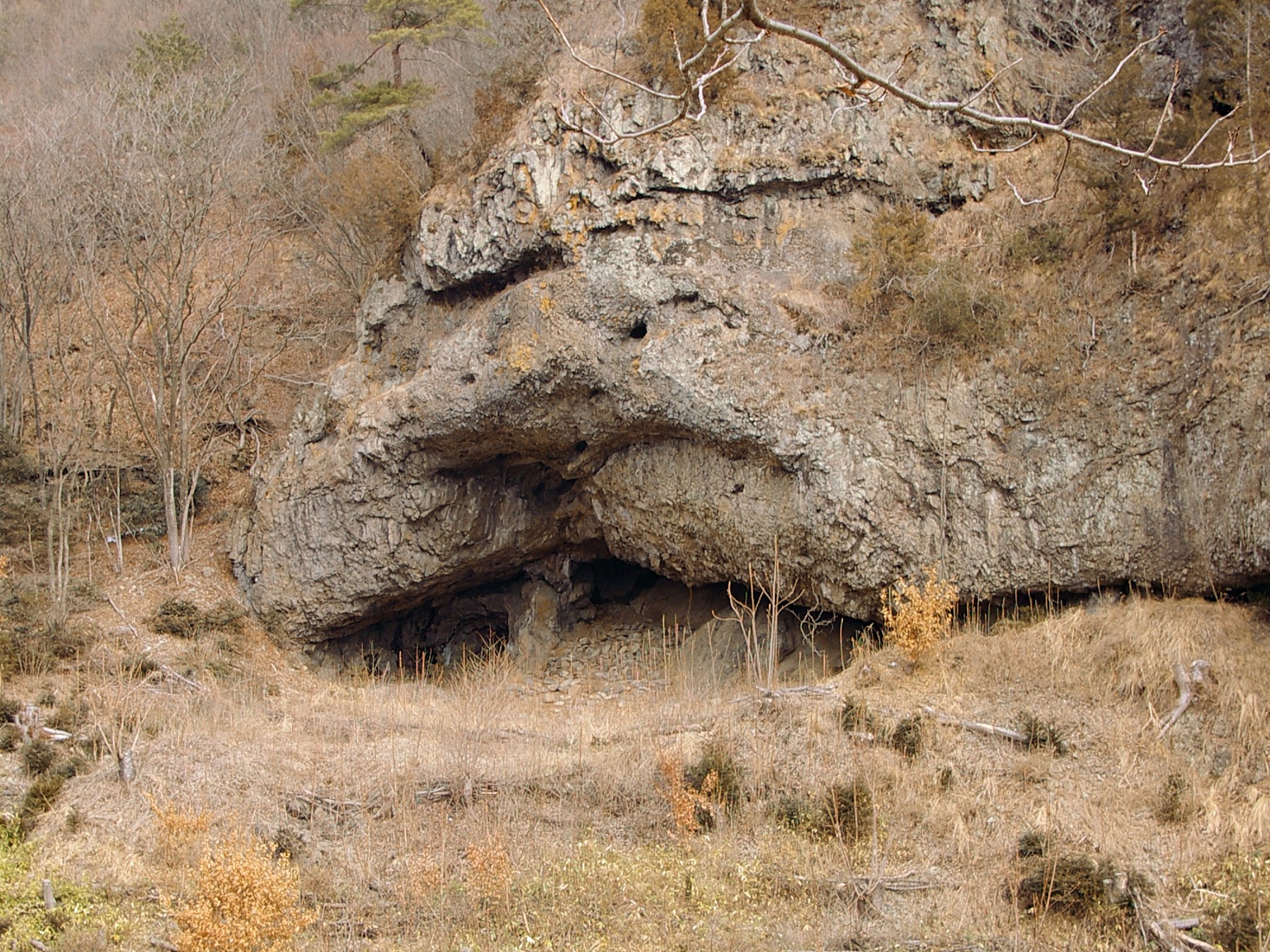
Tobayama Cave
Cave dwelling and tomb with grave goods
Binmanji Ishibotokedani Necropolis
Medieval Japanese necropolis with 1600 tombs.