Explore the Map
Makimuku ruins
34.5461° N, 135.8402° E
About
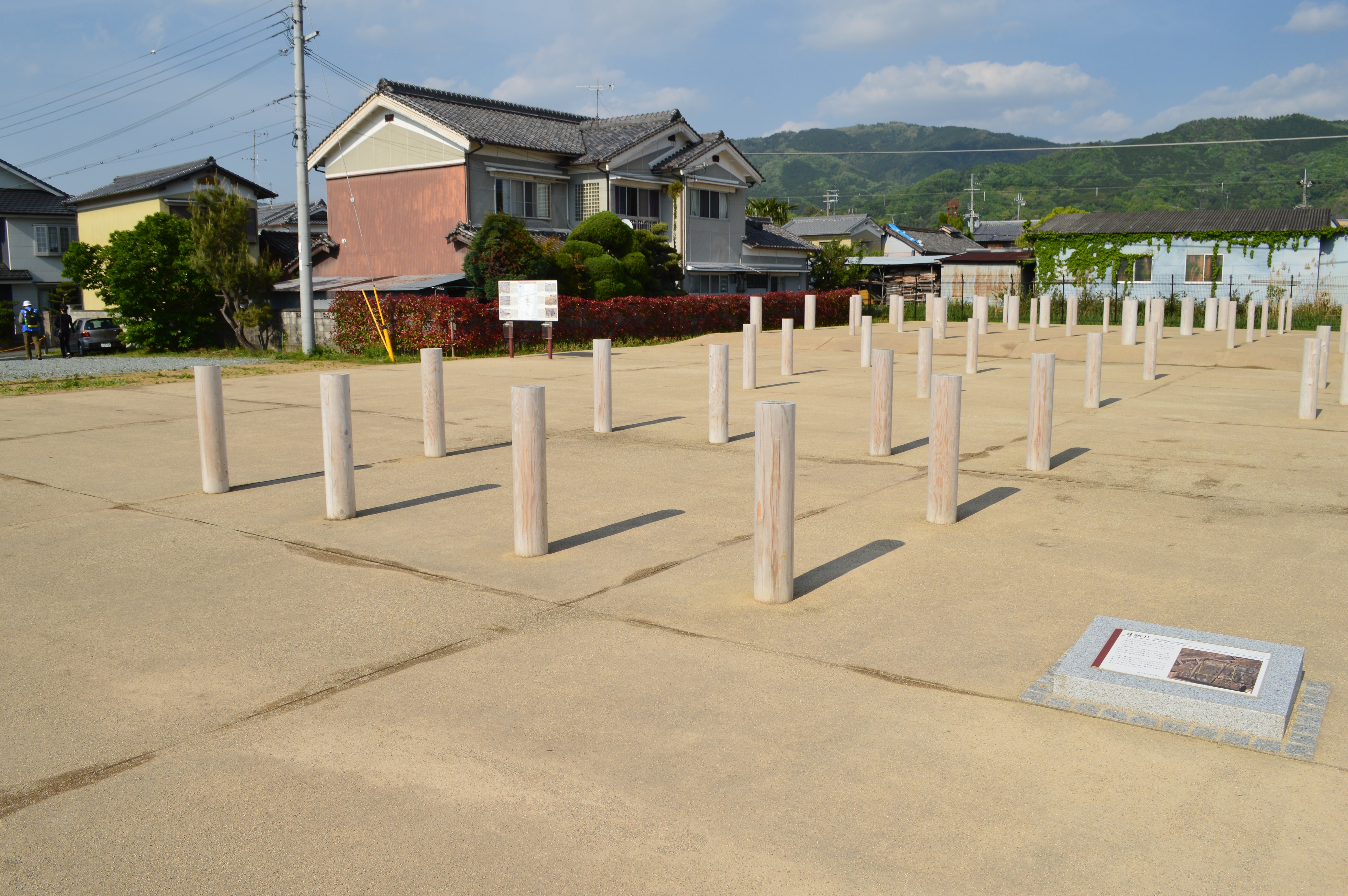
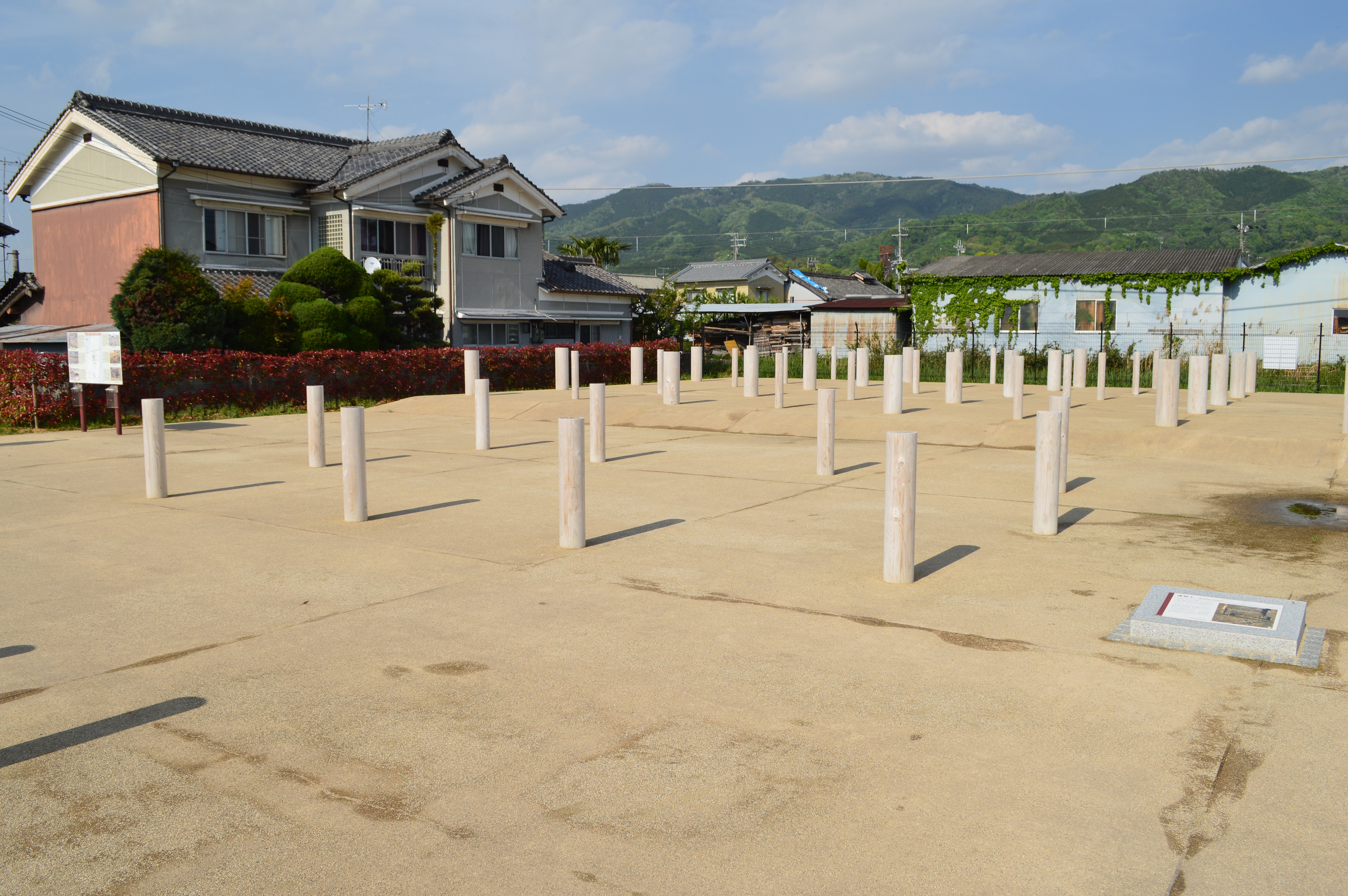
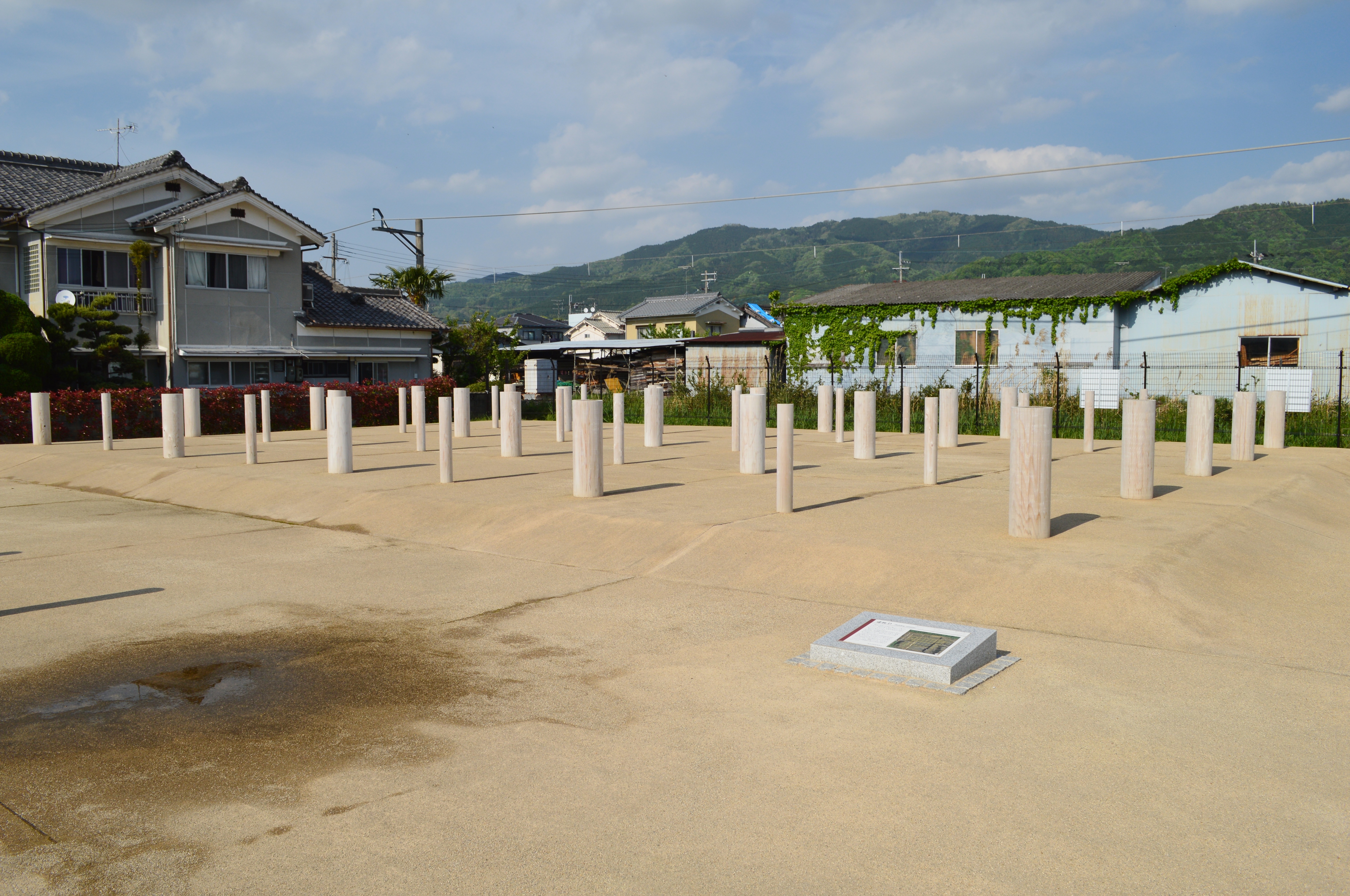
The Makimuku ruins, located in Nara Prefecture near Mount Miwa, represent a significant archaeological site that spans the transition from the Yayoi to the Kofun periods. Covering approximately 3 square kilometers, the site includes various features such as ancient burial mounds, believed by some to be the center of the Yamatai country. Notably, the Hashihaka Kofun is thought to be the earliest example of the Zenpokoenfun system of tomb construction. The site also shows evidence of a large settlement or city with fortifications and ceremonial structures, suggesting it may have been a royal capital during the Kofun period. Excavations have revealed a rich assemblage of artifacts, including pottery with regional characteristics, indicating extensive cultural interactions within the Japanese archipelago. The Makimuku site holds significant clues to understanding the early Yamato Kingdom's sociopolitical structure.
Gallery
Explore photographs of ancient structures, artifacts, and archaeological excavations
Historical Timeline
Journey through time and discover key events in this site's history
Development of Oichi city
Asuka period
Hashihaka Kofun burial
Late 3rd century CE
Transition to Kofun period
200 CE - 300 CE
Construction of large building
Late 3rd century CE
Peak of haniwa use
End of 4th century CE
Archaeological Features
Unique architectural and cultural elements found at this historical site
Defensive Structures
Burial and Funerary Structures
Religious and Ritual Structures
Domestic and Habitation Structures
Environmental and Natural Features
Frequently Asked Questions
Plan Your Visit
Tours, travel arrangements, and practical information
More Sites in Japan
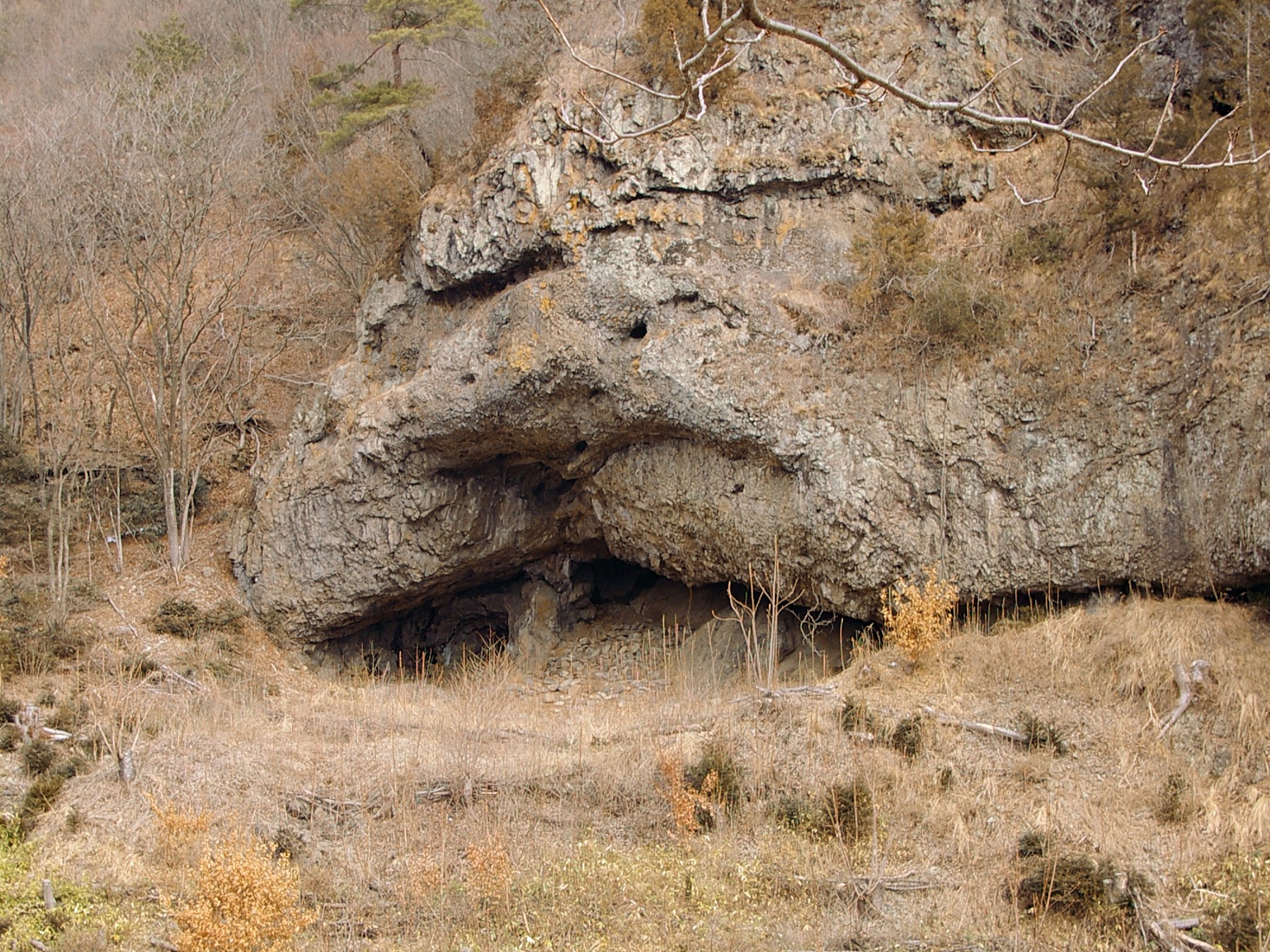
Tobayama Cave
Cave dwelling and tomb with grave goods
Mangyō Site
Late Yayoi–Early Kofun settlement, Nanao (Ishikawa), Japan
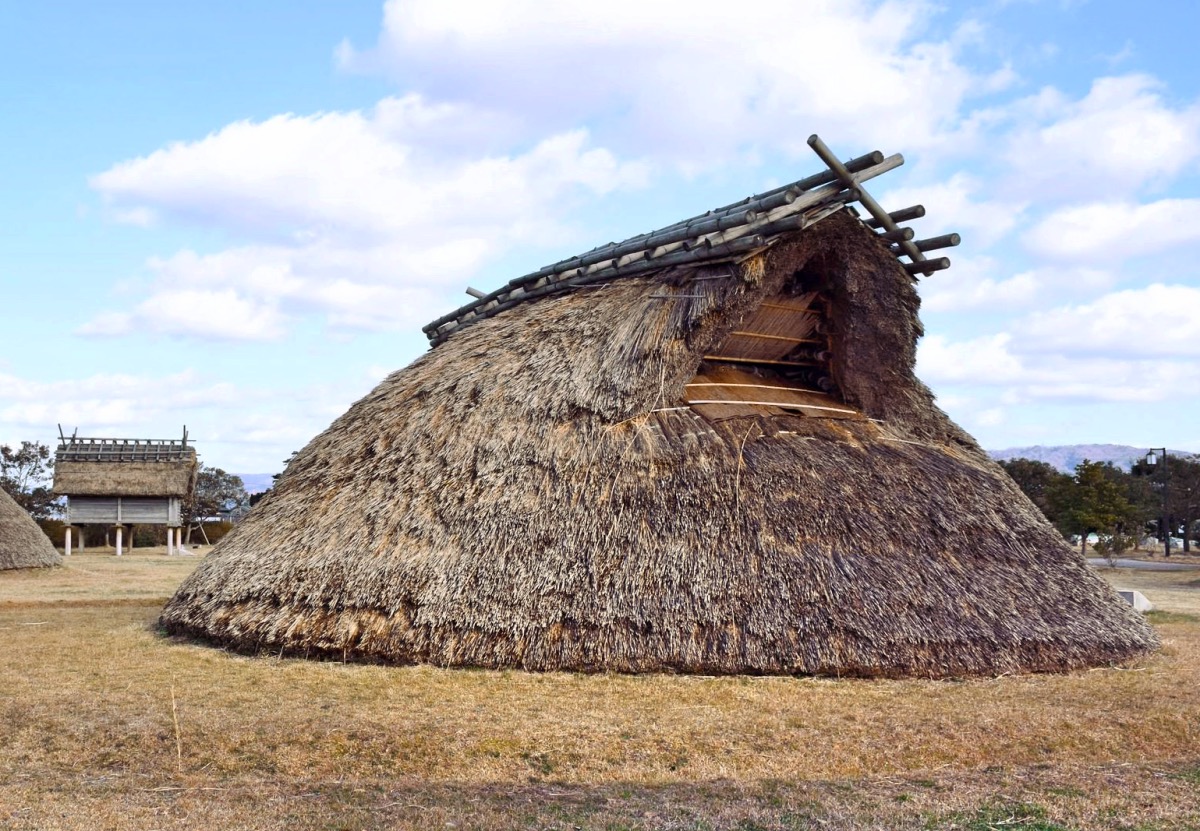
Yoshizaki-Suba Site
Yayoi period settlement remains, Ishikawa, Japan.
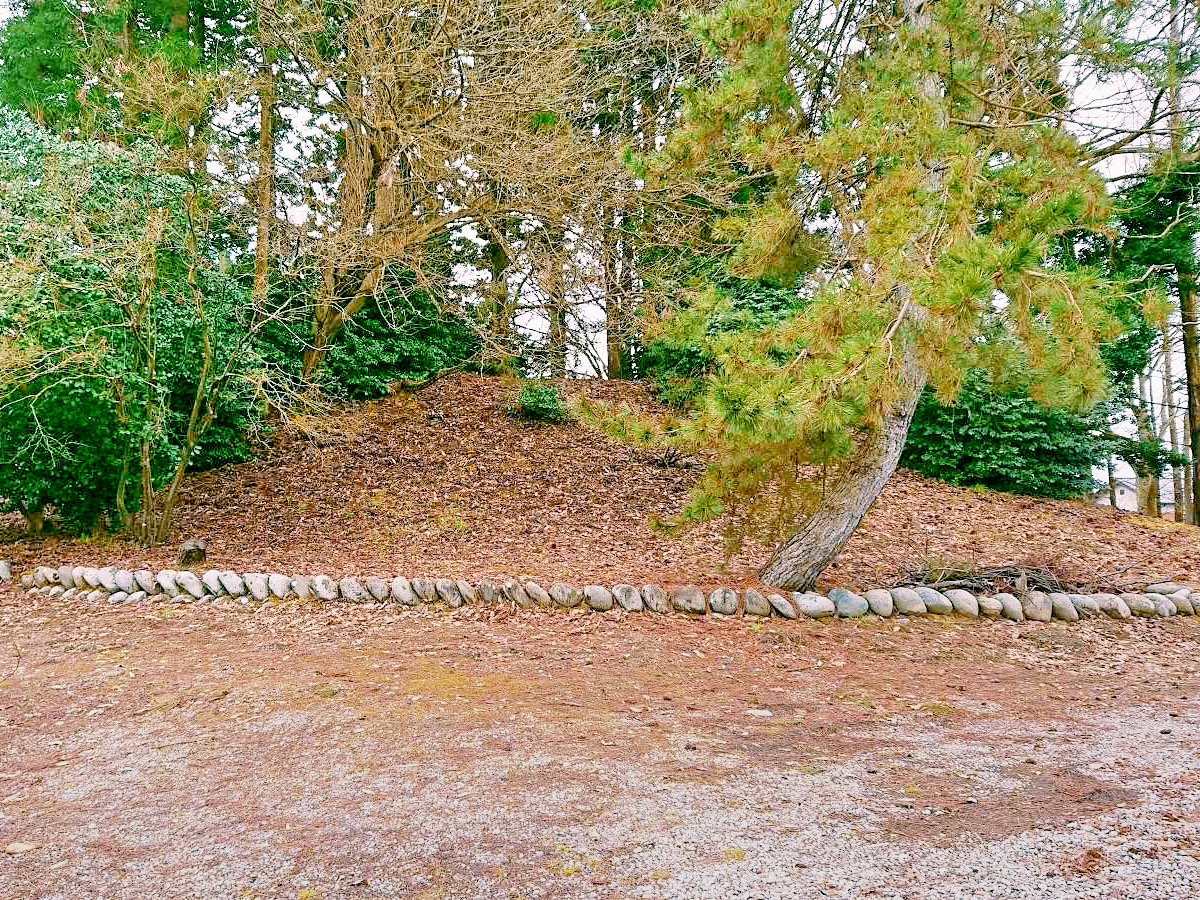
Kushidashin Site
Late Jōmon settlement with Kofun burial mounds.
Binmanji Ishibotokedani Necropolis
Medieval Japanese necropolis with 1600 tombs.
Furushida-Higashi ruins
Heian period fortified residence with moat.