Explore the Map
Seta Hills Production Sites
34.9947° N, 135.9514° E
About
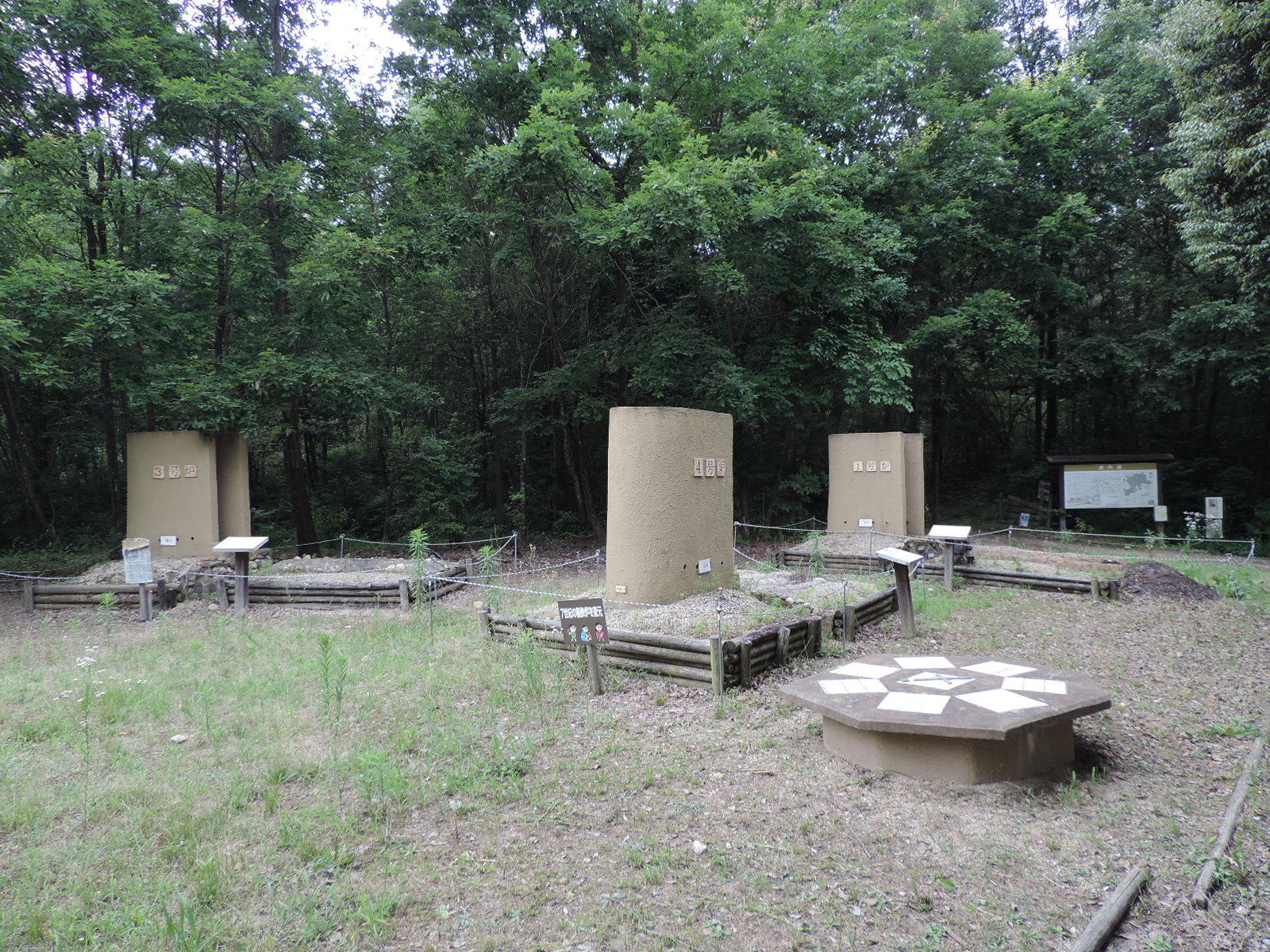
The Seta Hills Production Sites are a significant group of archaeological locations in the Kansai region of Japan, known for their ancient industrial facilities, particularly during the Nara period. Located in the cities of Kusatsu and Ōtsu, these sites harnessed local iron ore deposits and forest resources, facilitating iron smelting. The Noji Onoyama Ironworks is notably the largest and best-preserved site among many iron smelting ruins. The Yamanokami site, added to the National Historic Site designation in 2006, contains 14 Anagama kilns used for crafting Sue ware pottery. These sites were instrumental in supporting infrastructure projects such as the construction of Fujiwara-kyo and Heian-kyo during the period when the capital was at Ōmi Ōtsu Palace. They underscore the advanced industrial activities during this era and their role in ancient Japanese construction and economy.
Gallery
Explore photographs of ancient structures, artifacts, and archaeological excavations
Historical Timeline
Journey through time and discover key events in this site's history
Ōmi Ōtsu Palace Activity
667-672 CE
Archaeological Features
Unique architectural and cultural elements found at this historical site
Industrial and Craft Structures
Frequently Asked Questions
Plan Your Visit
Tours, travel arrangements, and practical information
More Sites in Japan
Yoshizaki-Suba Site
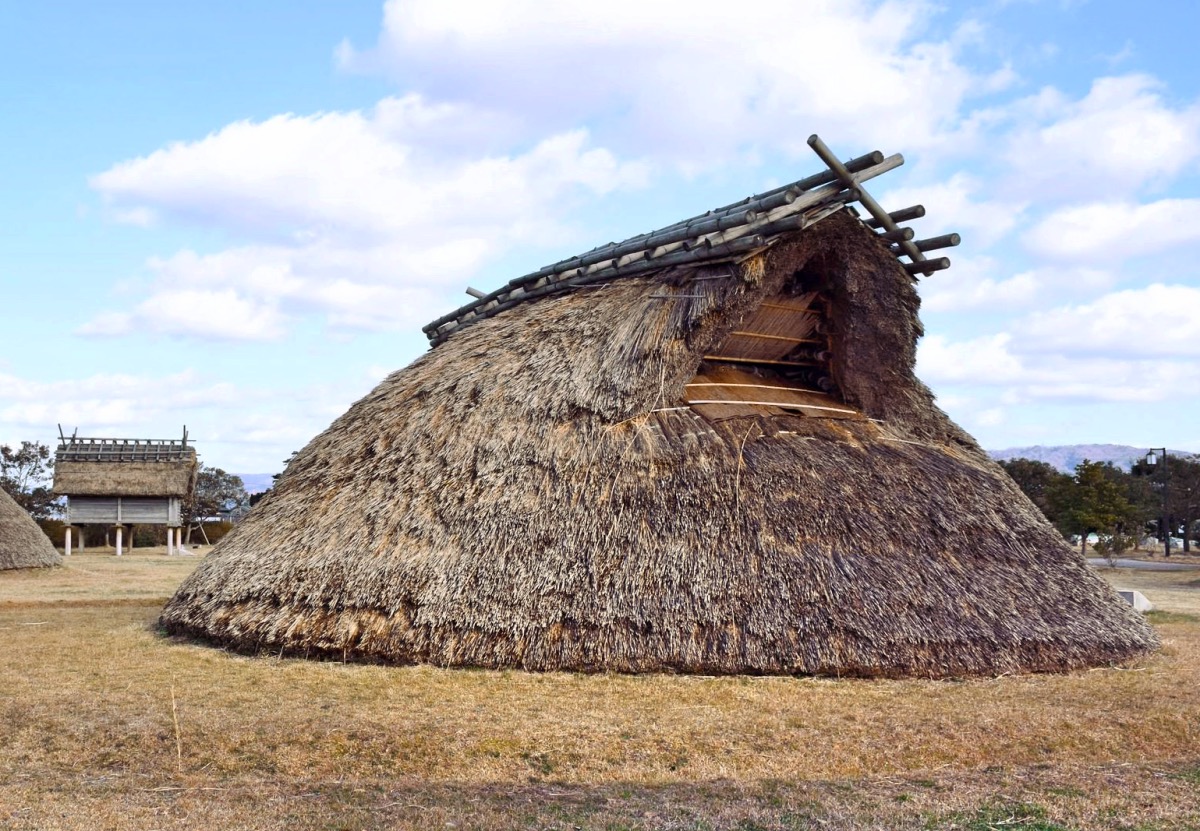
Yayoi period settlement remains, Ishikawa, Japan.
Kusado Sengen
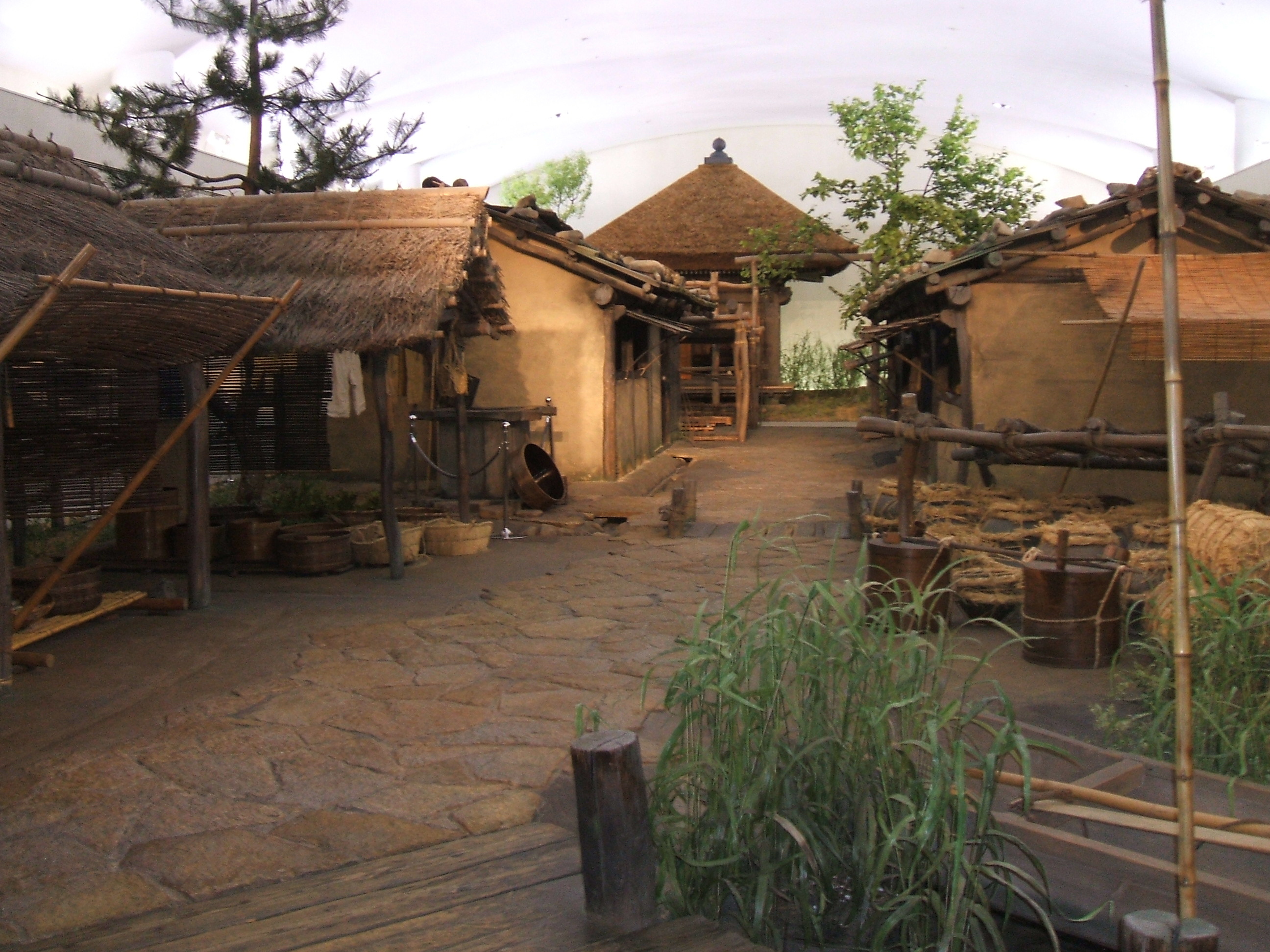
Medieval port town near Ashida River

Komaru Castle
Sengoku period castle with moats and ramparts.
Bingo Provincial Capital
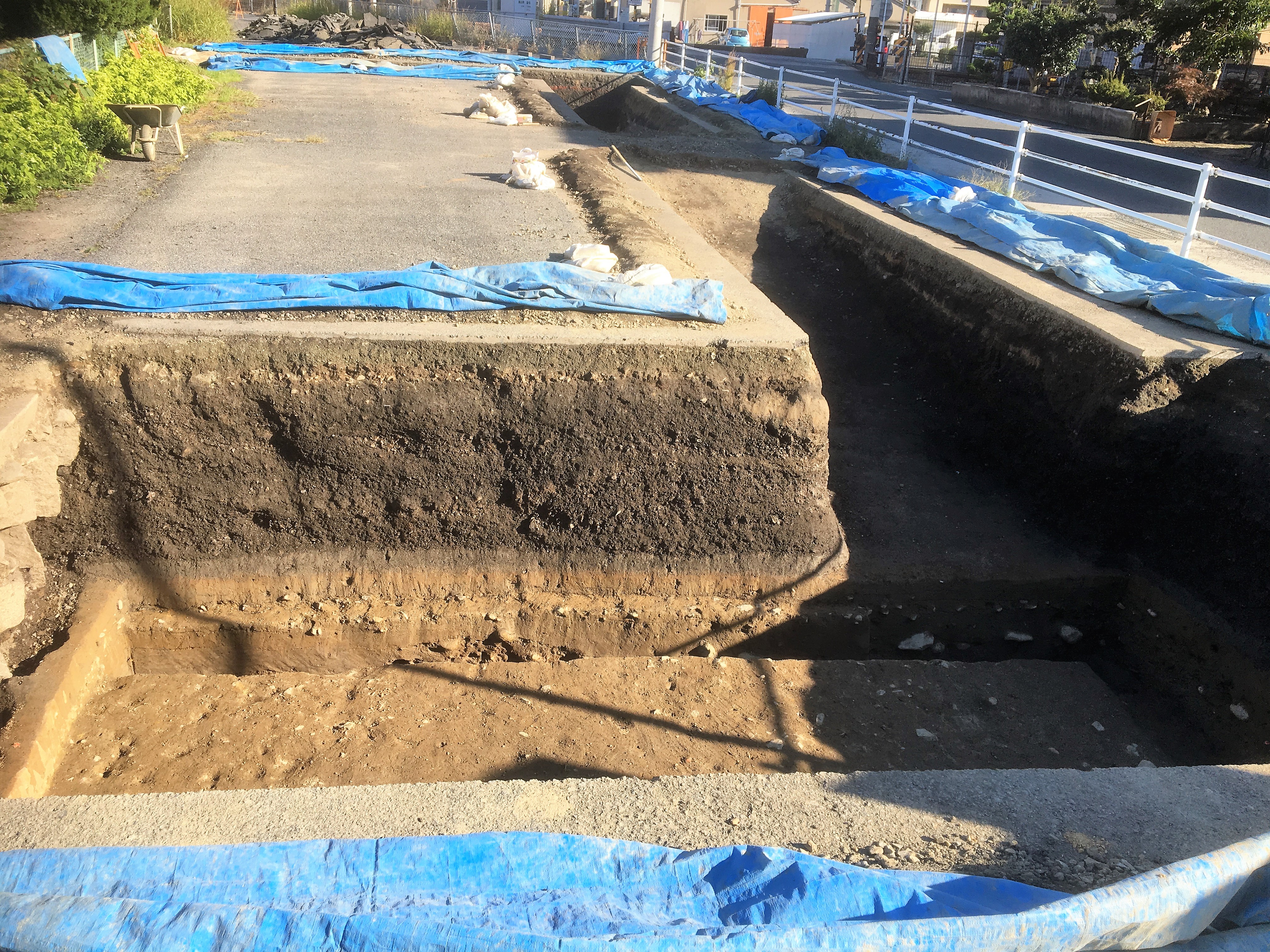
Ruins of ancient provincial capital structures
Mangyō Site
Late Yayoi–Early Kofun settlement, Nanao (Ishikawa), Japan
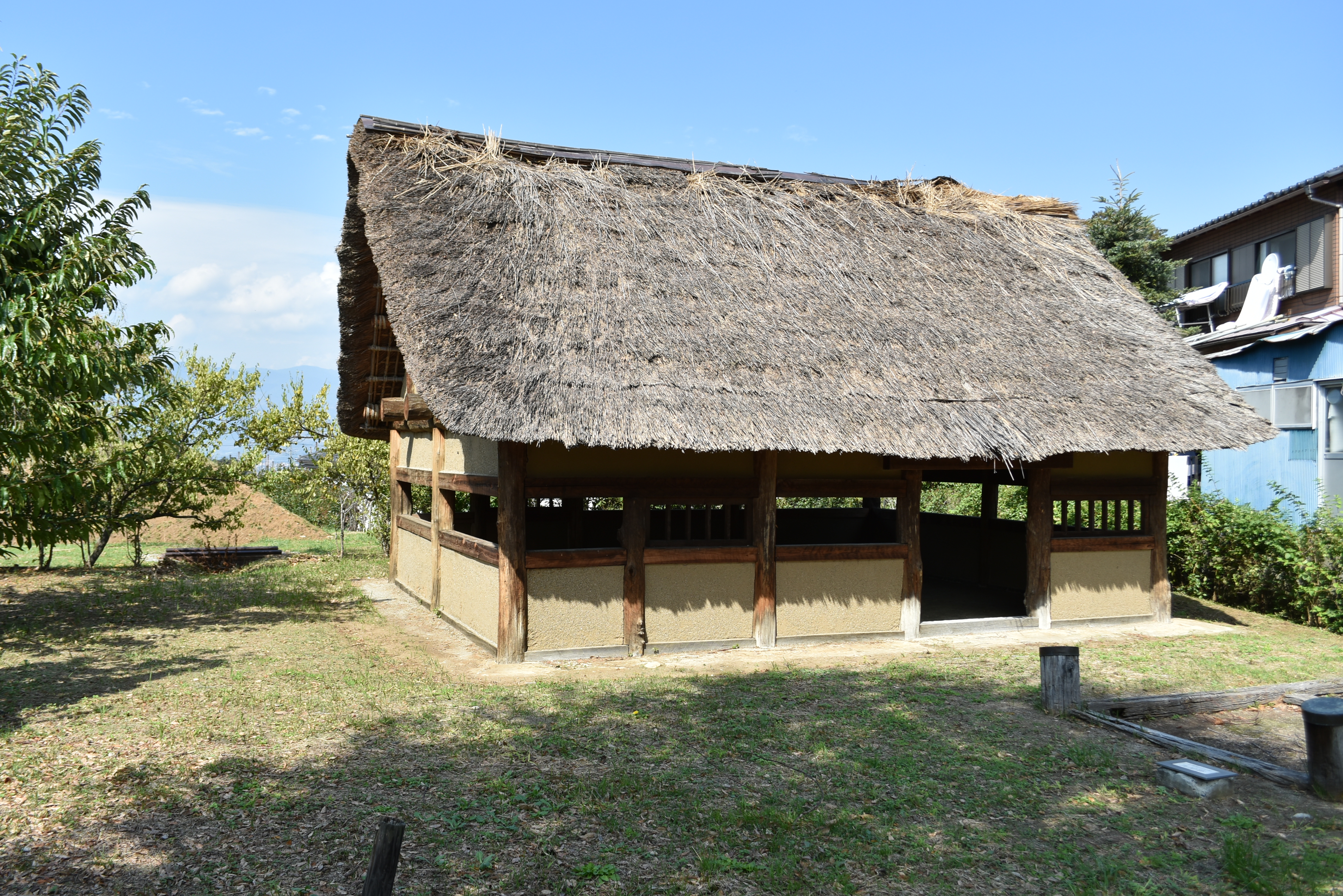
Katsunuma clan residence ruins
Sengoku period fortified residence ruins.