Explore the Map
Katsunuma clan residence ruins
35.6589° N, 138.7333° E
About
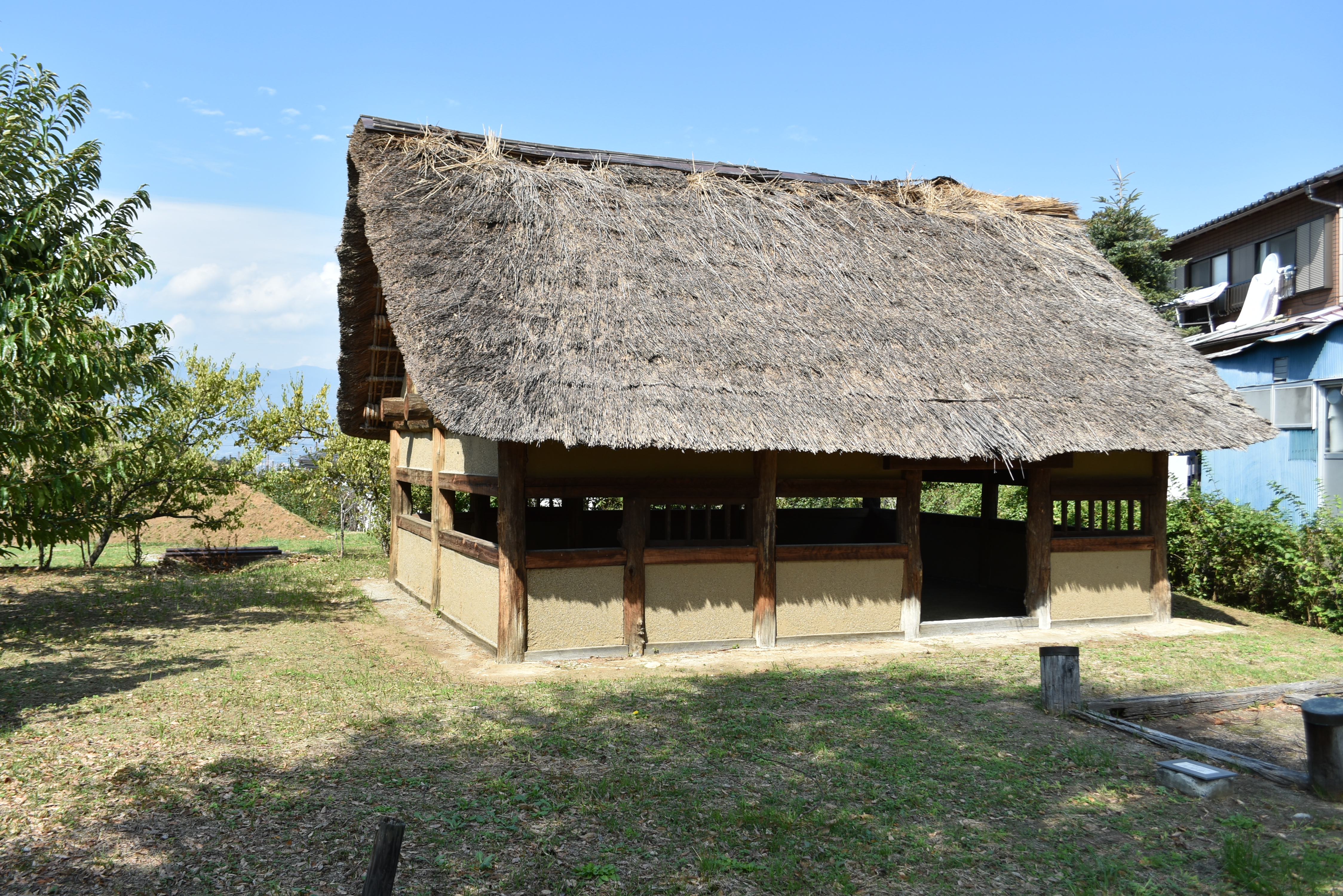
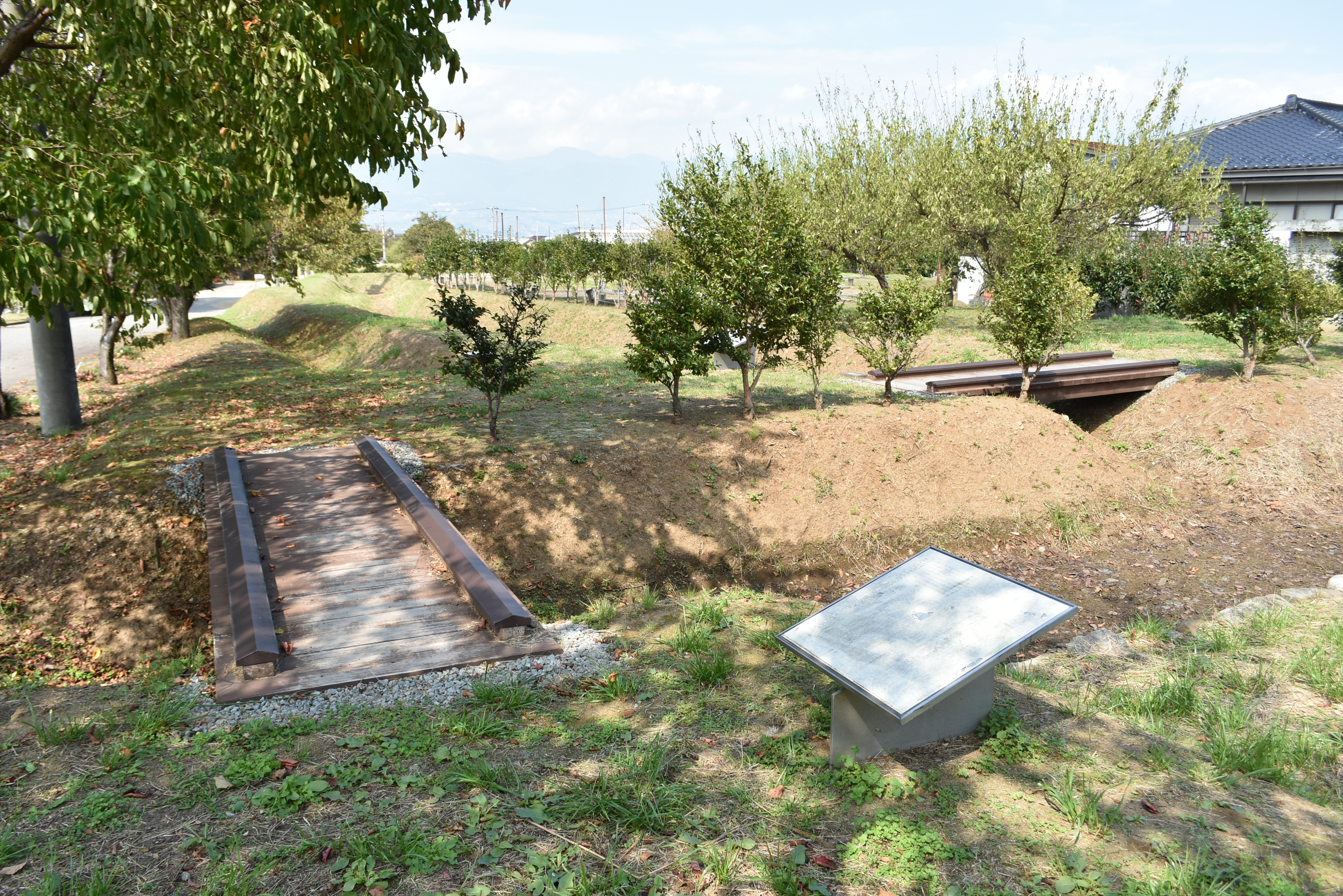
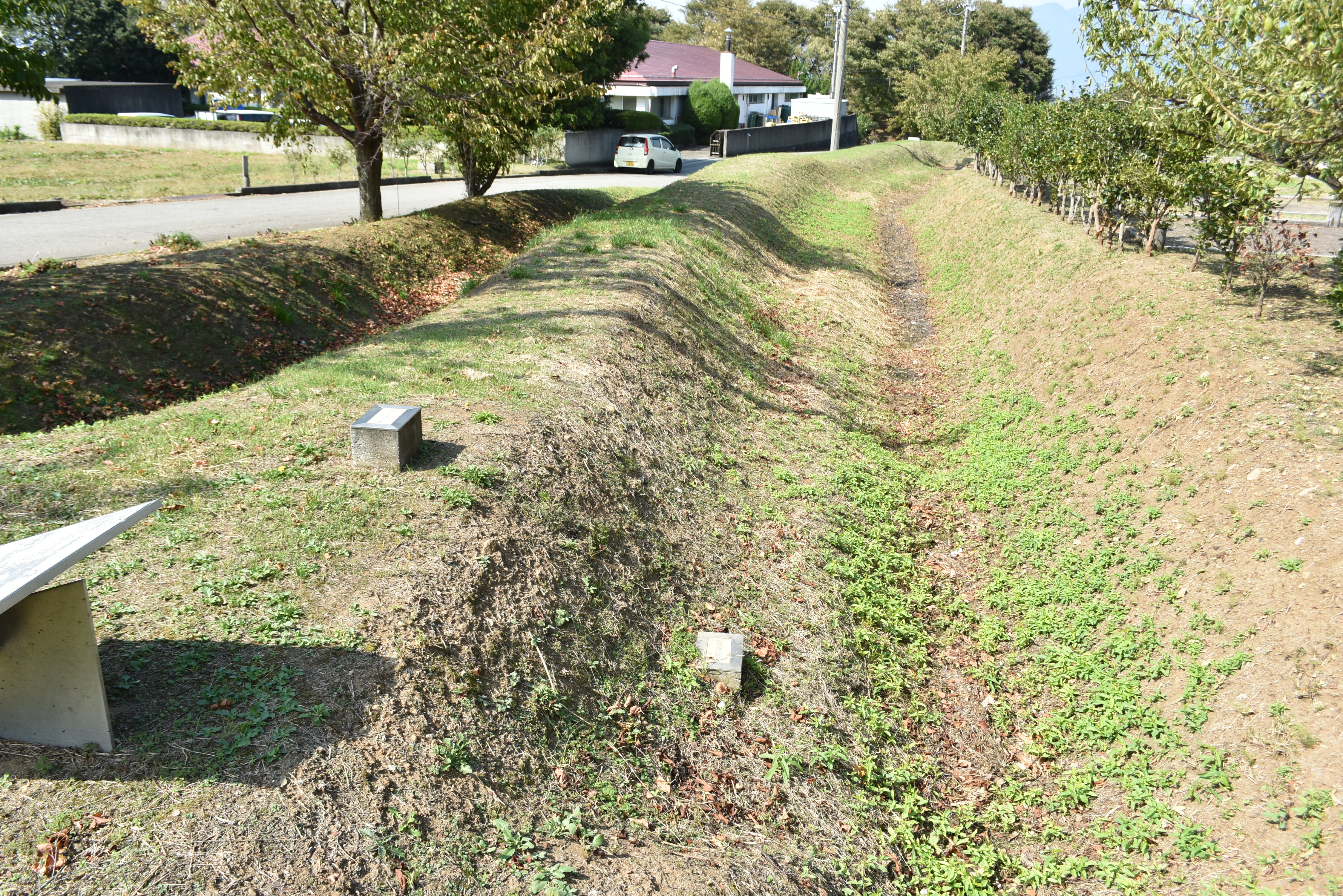
The Katsunuma clan residence ruins are located in Kōshū, Yamanashi, Japan, and offer a glimpse into the Sengoku period's architectural and societal structures. As a fortified residence built by the Katsunuma clan—a branch of the Takeda clan—this site highlights strategic military planning with its moated compound. The site encompasses remnants of 23 buildings, including domestic structures and a temple, indicating a well-planned residential complex. The discovery of a blacksmith's workshop and reservoir further underscores its self-sustaining capabilities. Artifacts such as Chinese celadon, Haji ware pottery, and Tenmoku pottery point to cultural exchanges and domestic life, while animal and fish bones reveal dietary habits. Notably, traces of gold refining were found, suggesting economic activities related to the nearby Kurokawa gold mine. Designated a National Historic Site of Japan, it now serves as a public park, offering insights into the past.
Gallery
Explore photographs of ancient structures, artifacts, and archaeological excavations
Historical Timeline
Journey through time and discover key events in this site's history
Annihilation by Takeda Shingen
1560 CE
Katsunuma clan residence construction
before 1560 CE
Archaeological Features
Unique architectural and cultural elements found at this historical site
Defensive Structures
Water Management Features
Industrial and Craft Structures
Religious and Ritual Structures
Domestic and Habitation Structures
Frequently Asked Questions
Plan Your Visit
Tours, travel arrangements, and practical information
More Sites in Japan
Binmanji Ishibotokedani Necropolis
Medieval Japanese necropolis with 1600 tombs.
Furushida-Higashi ruins
Heian period fortified residence with moat.
Tsushima Site
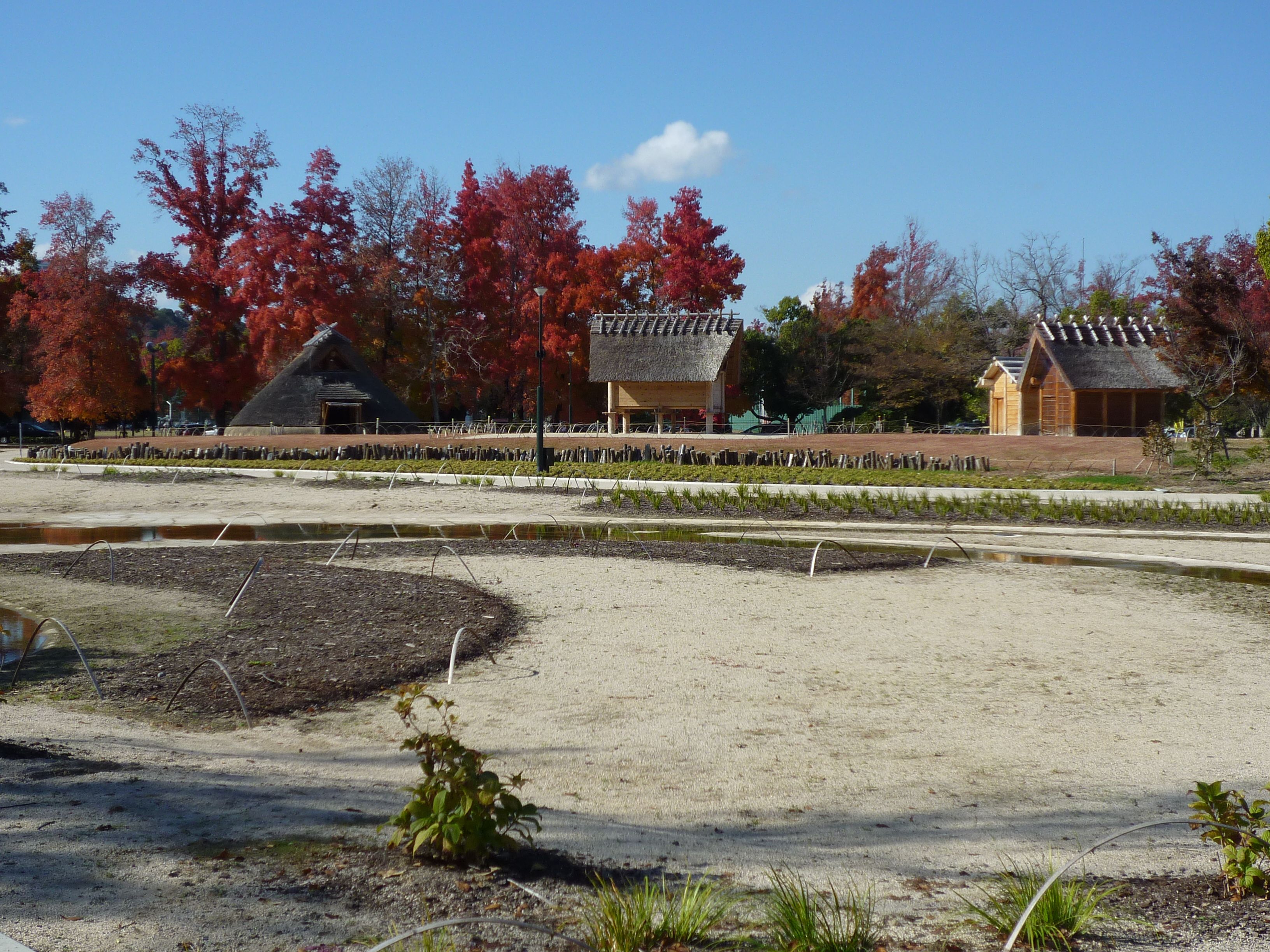
Yayoi settlement with paddy fields and dwellings
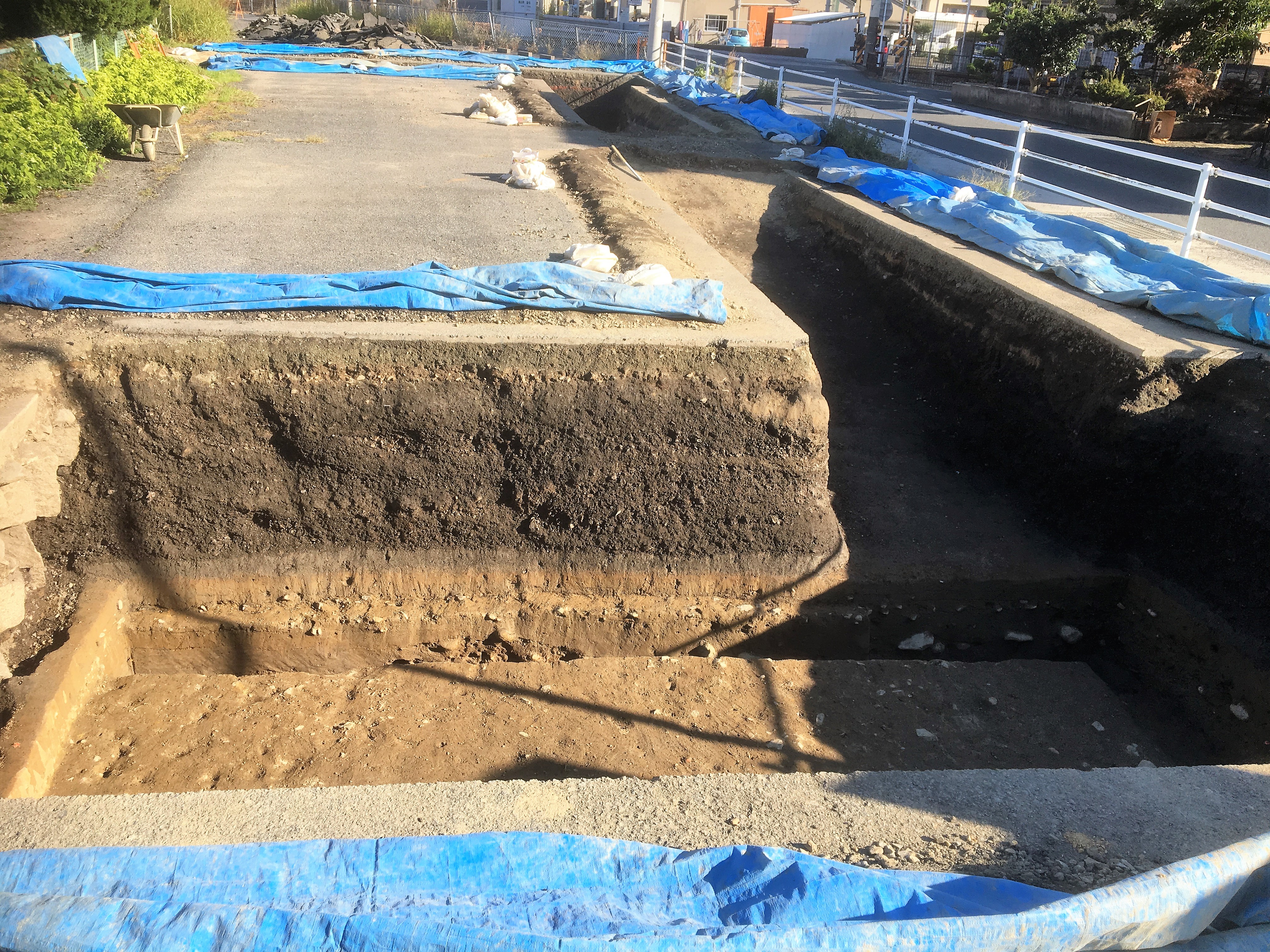
Bingo Provincial Capital
Ruins of ancient provincial capital structures

Komaru Castle
Sengoku period castle with moats and ramparts.
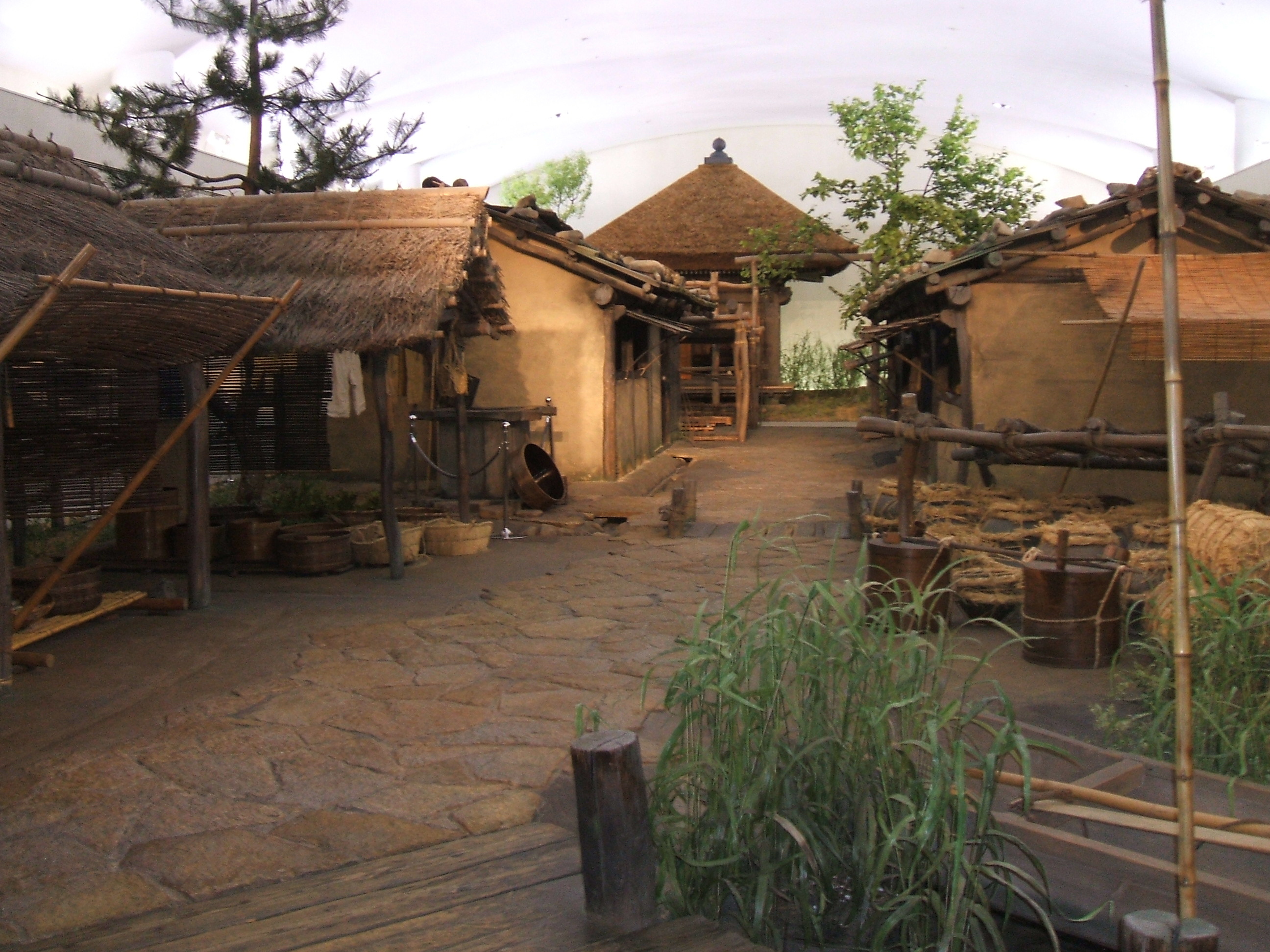
Kusado Sengen
Medieval port town near Ashida River