Explore the Map
Bingo Provincial Capital
34.5778° N, 133.1856° E
About
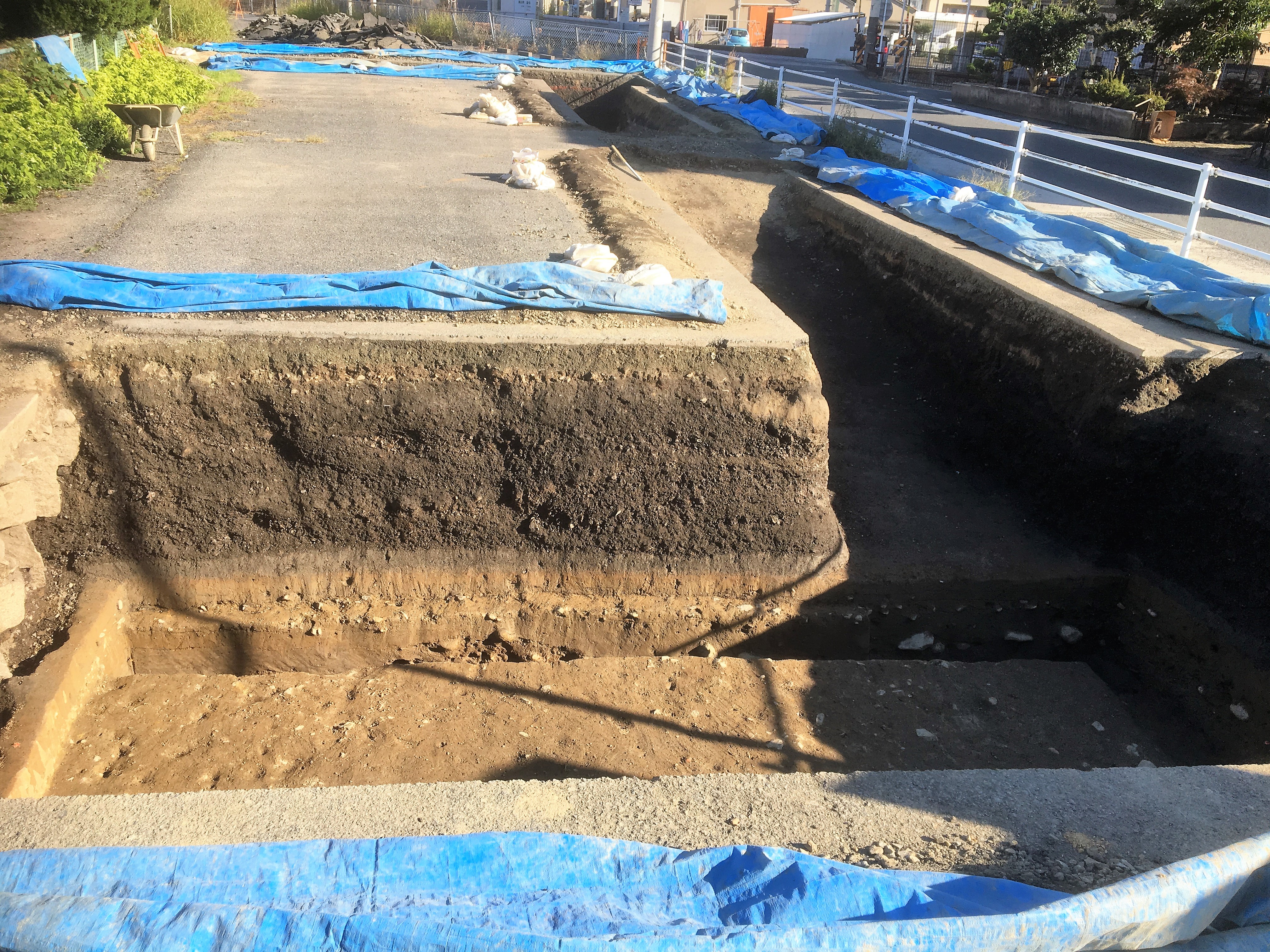
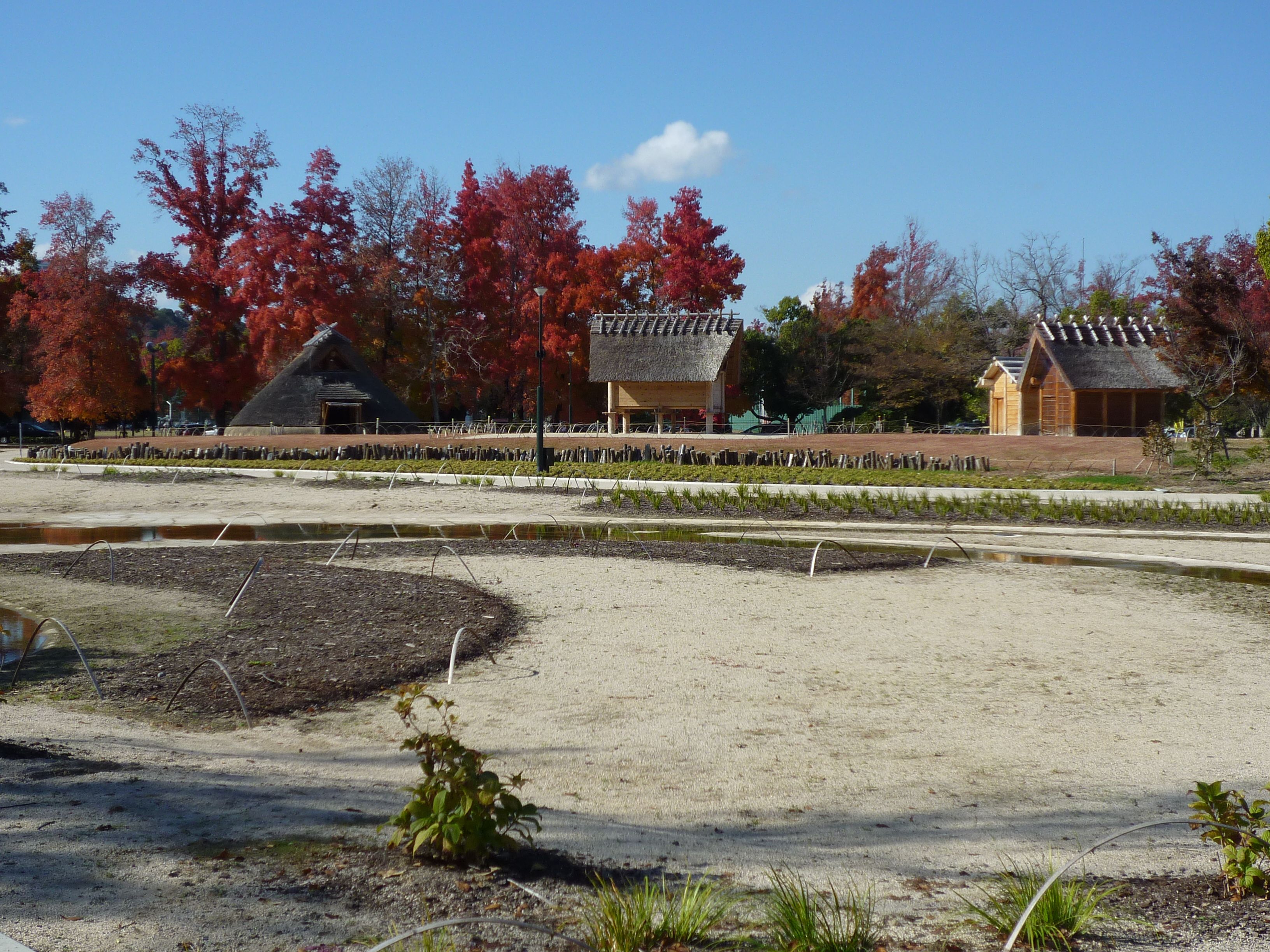
The Bingo Provincial Capital Site in Fuchū, Hiroshima Prefecture, Japan, is the archaeological remains of a provincial capital from the Nara to early Heian period. This site is significant due to its role in the administrative system established after the Taika Reform, reflecting the Chinese ritsuryō model. Archaeological investigations have revealed structures typical of an ancient government complex, including administrative buildings, ditches, gardens, and storage facilities such as granaries and warehouses. Artifacts such as high-grade patterned roof tiles, pottery, and ceremonial items have been uncovered, dating from the early Heian period to the 12th century. The site provides valuable insights into the provincial governance and cultural exchanges of the time. Despite the urban development challenges, it remains a protected national historic site.
Gallery
Explore photographs of ancient structures, artifacts, and archaeological excavations
Historical Timeline
Journey through time and discover key events in this site's history
8th century establishment
700 CE
12th century decline
1100 CE
Archaeological Features
Unique architectural and cultural elements found at this historical site
Storage Structures
Defensive Structures
Public and Civic Structures
Religious and Ritual Structures
Agricultural and Land Use Features
Domestic and Habitation Structures
Frequently Asked Questions
Plan Your Visit
Tours, travel arrangements, and practical information
More Sites in Japan
Furushida-Higashi ruins
Heian period fortified residence with moat.
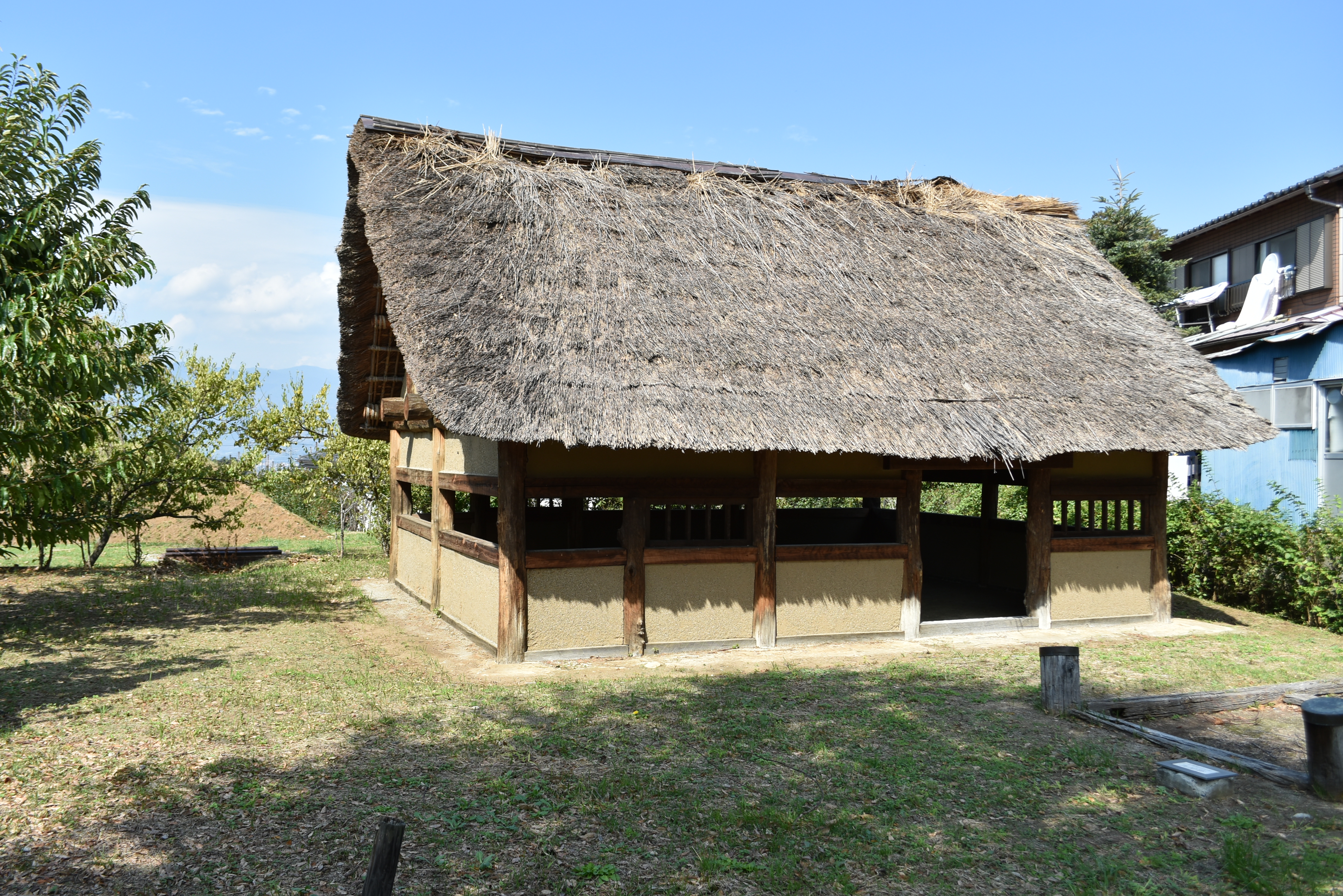
Katsunuma clan residence ruins
Sengoku period fortified residence ruins.
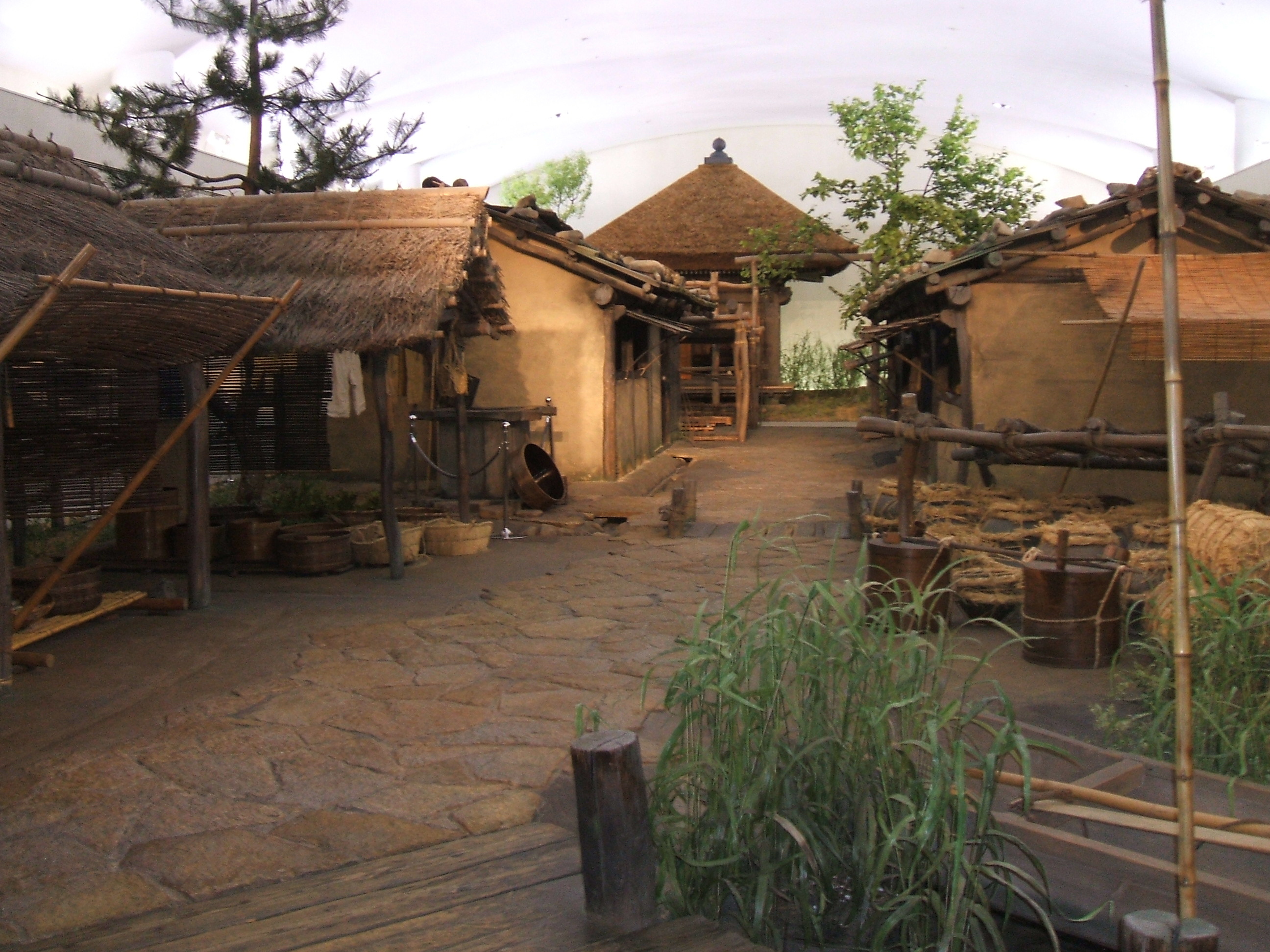
Kusado Sengen
Medieval port town near Ashida River
Binmanji Ishibotokedani Necropolis
Medieval Japanese necropolis with 1600 tombs.
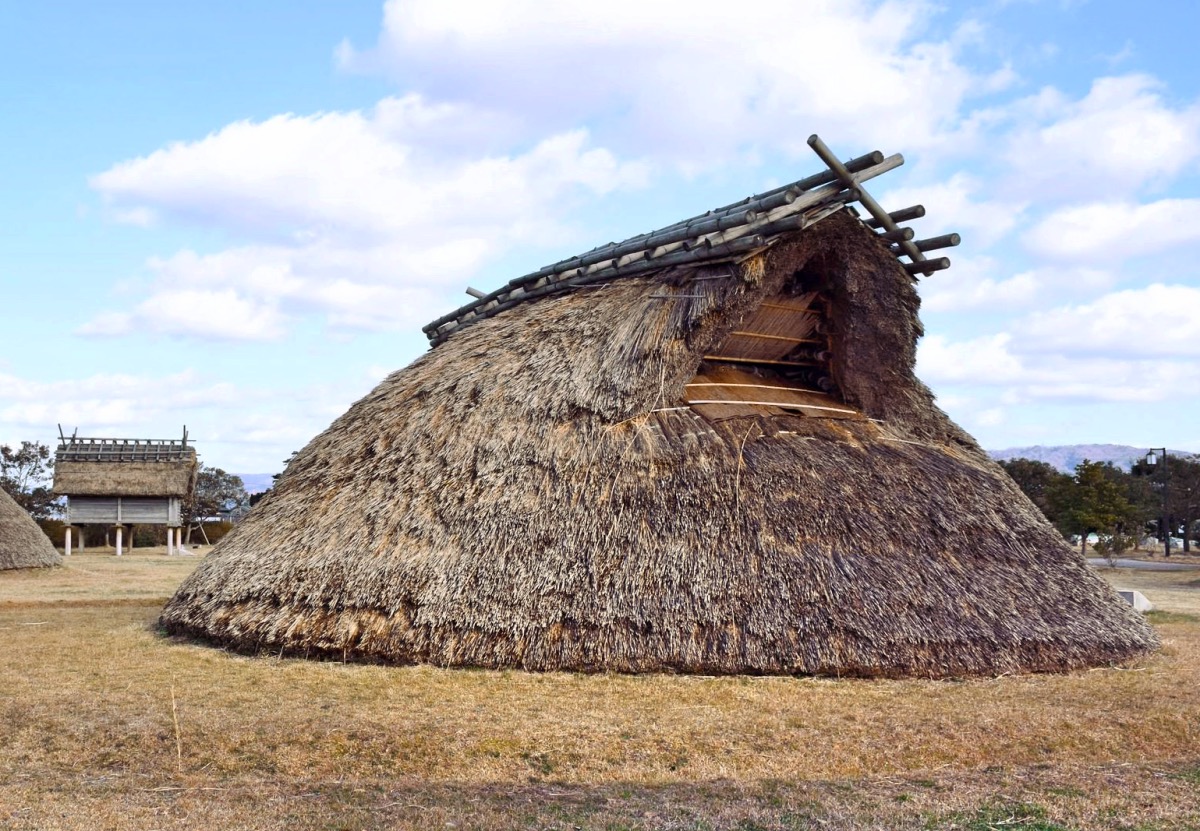
Yoshizaki-Suba Site
Yayoi period settlement remains, Ishikawa, Japan.
Tsushima Site
Yayoi settlement with paddy fields and dwellings