Explore the Map
Yoshizaki-Suba Site
36.9056° N, 136.7900° E
About
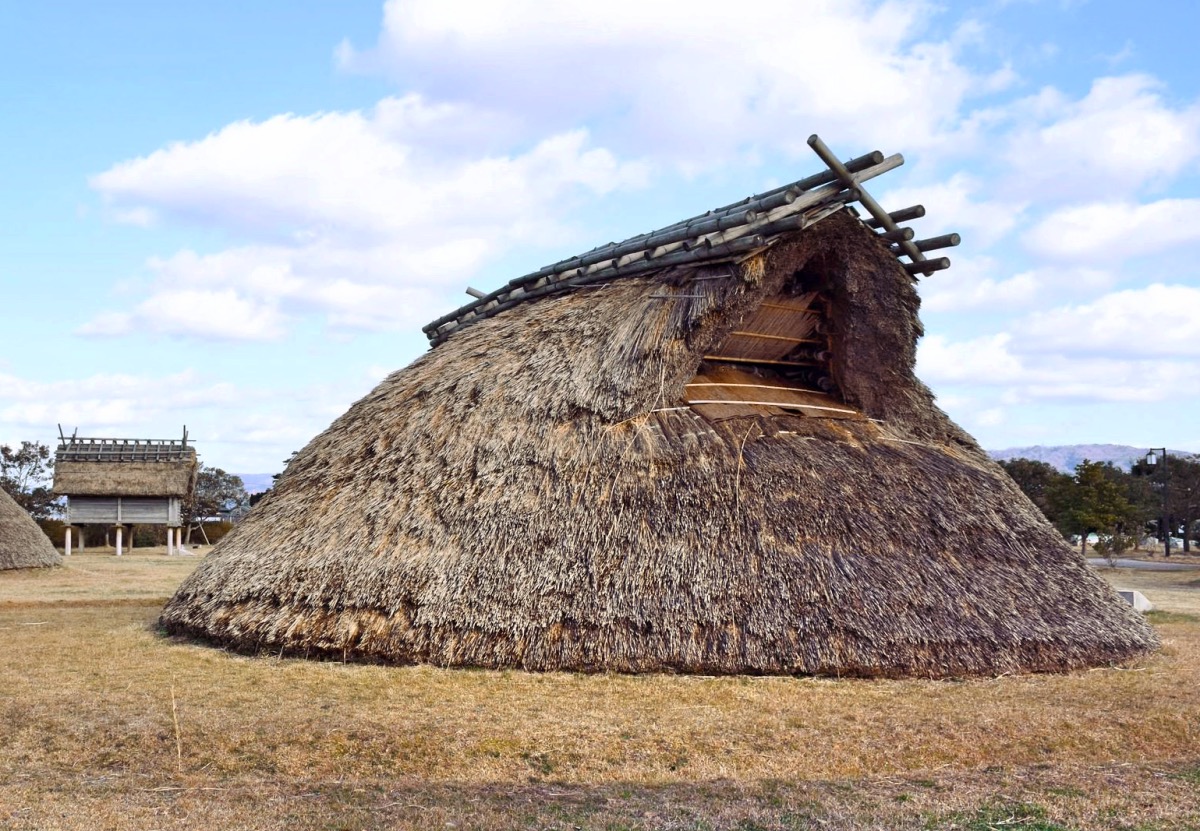
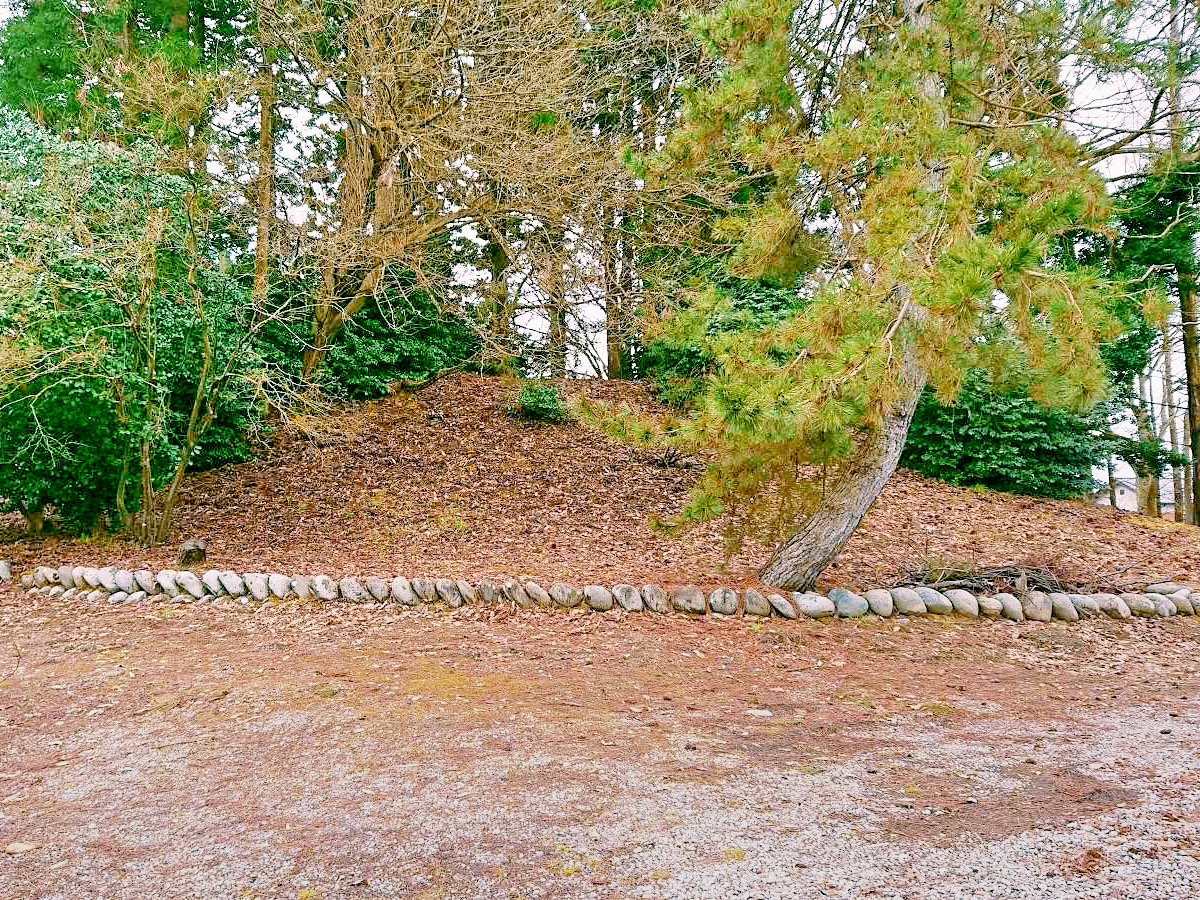
The Yoshizaki-Suba Site, located in Ishikawa, Japan, is a significant archaeological site from the Yayoi period, showcasing the remnants of a substantial settlement. It is the largest known Yayoi settlement in the Hokuriku region, spanning 580 by 350 meters. The site features foundations of raised-floor buildings, granaries, and various tombs, indicating a complex village structure. Pottery from this site reveals interactions with other regions, highlighting extensive trade and cultural exchanges during the Yayoi period. Artifacts such as wooden agricultural tools, boat parts, and bronze mirrors suggest advancements in agriculture, transportation, and metallurgy. The site's continuity into the Heian period underscores its long-term significance. Today, it serves as an archaeological park with restored structures, offering insights into Japan's ancient cultural landscape.
Gallery
Explore photographs of ancient structures, artifacts, and archaeological excavations
Historical Timeline
Journey through time and discover key events in this site's history
Yayoi Period Settlement
300 BCE - 300 CE
Heian Period Continuation
794 CE - 1185 CE
Archaeological Features
Unique architectural and cultural elements found at this historical site
Storage Structures
Water Management Features
Burial and Funerary Structures
Industrial and Craft Structures
Domestic and Habitation Structures
Frequently Asked Questions
Plan Your Visit
Tours, travel arrangements, and practical information
More Sites in Japan
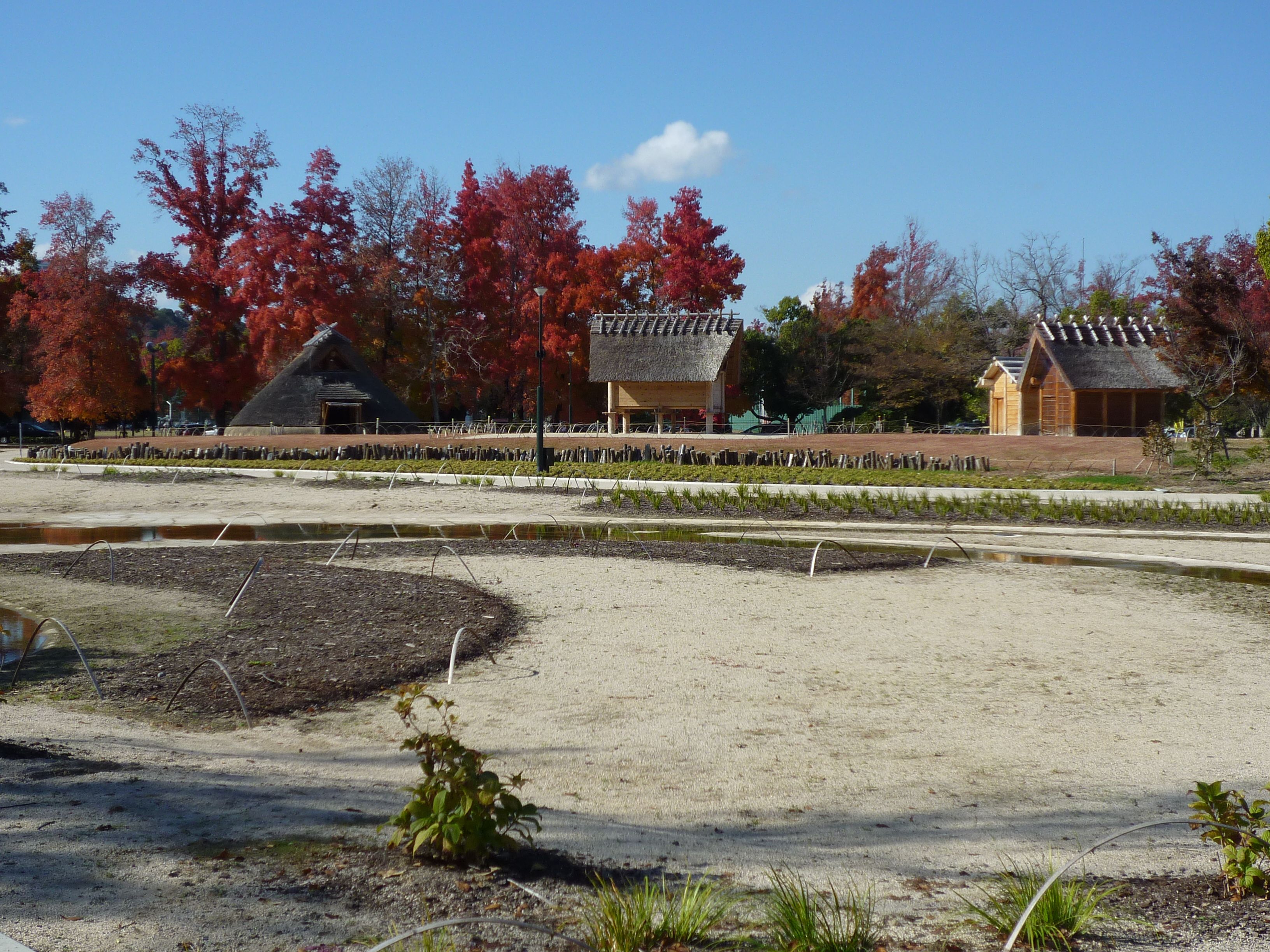
Tsushima Site
Yayoi settlement with paddy fields and dwellings

Komaru Castle
Sengoku period castle with moats and ramparts.
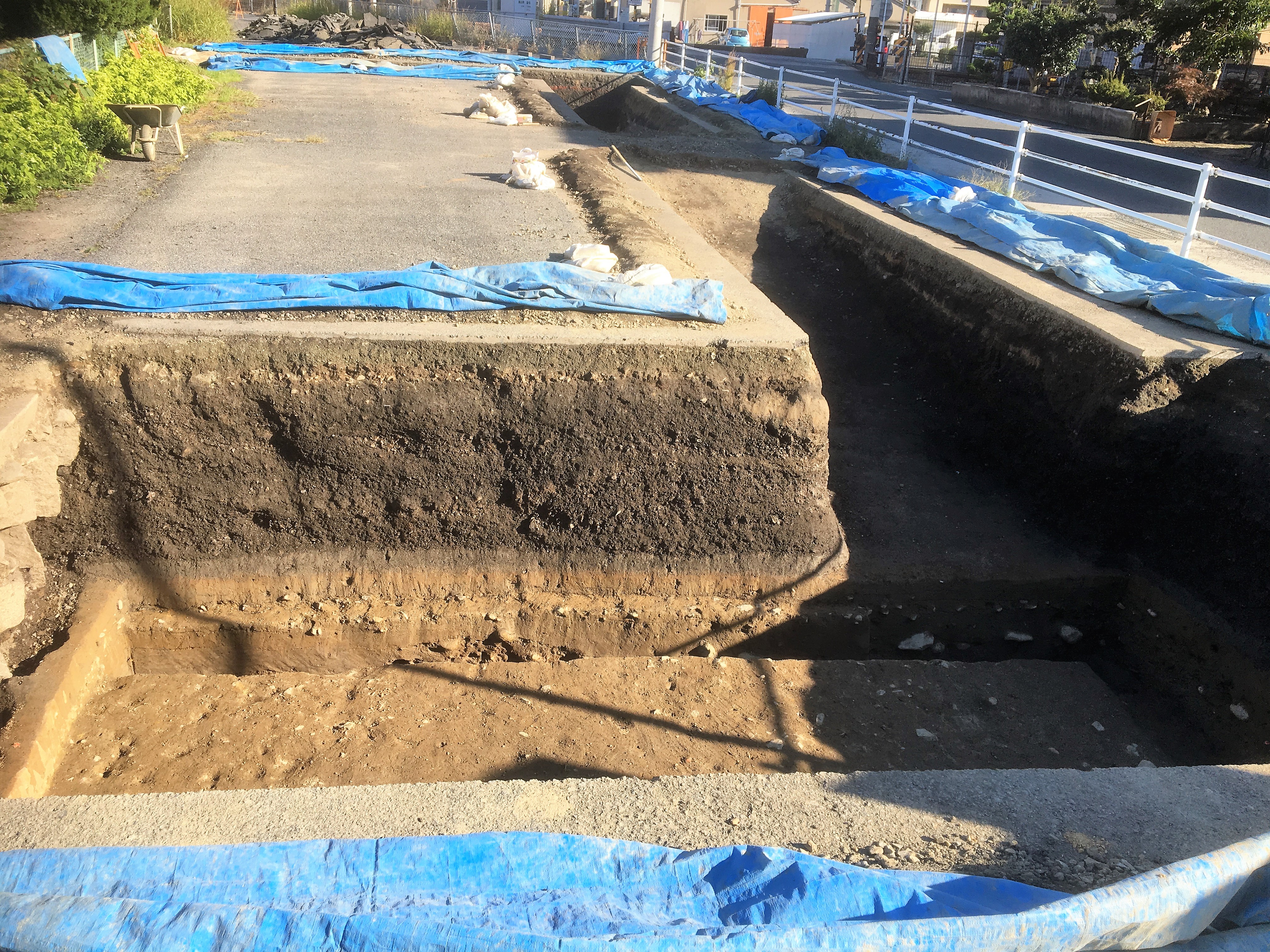
Bingo Provincial Capital
Ruins of ancient provincial capital structures
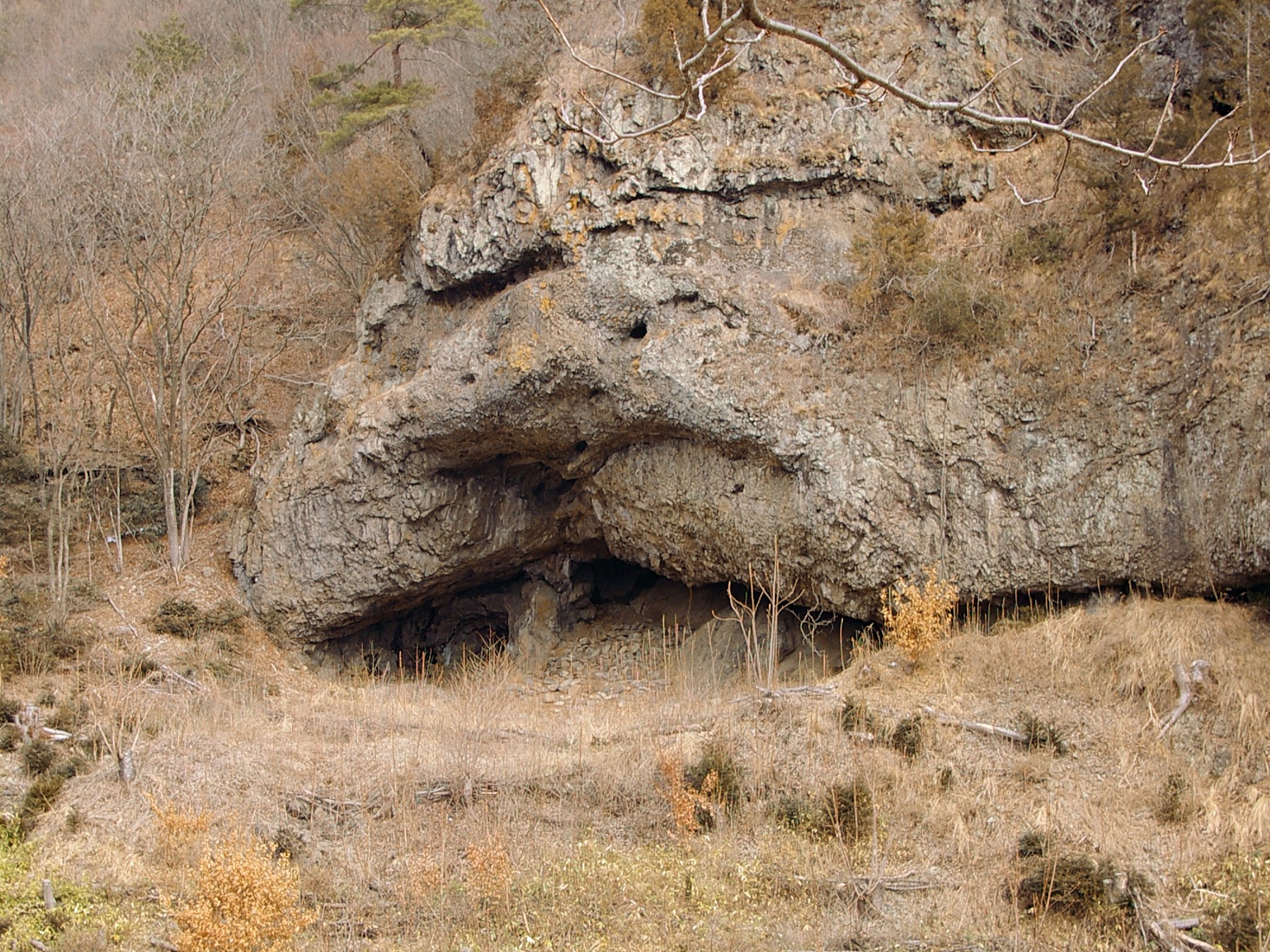
Tobayama Cave
Cave dwelling and tomb with grave goods
Kushidashin Site
Late Jōmon settlement with Kofun burial mounds.
Binmanji Ishibotokedani Necropolis
Medieval Japanese necropolis with 1600 tombs.