Explore the Map
Yukuepira Chashi
43.4644° N, 143.7357° E
About
Yukuepira Chashi, located in Rikubetsu, Hokkaidō, Japan, is an archaeological site of significant historical importance. It was once home to one of the largest Ainu chashi, or forts, on the island. The name Yukuepira, derived from the Ainu language, translates to 'deer-eating cliff,' reflecting its strategic position near a cliff and the role of deer in its economy. Archaeological excavations have revealed a large embankment alongside remains of palisades, post holes, and ash layers, indicating its function as a fort. Notably, the site yielded skeletal remains of approximately ten thousand deer, suggesting its involvement in a substantial trade of deer skins during the 15th and 16th centuries CE. Additionally, artefacts from both the Jōmon and Zoku-Jōmon periods have been discovered, highlighting its long history of human activity. These findings provide insight into the Ainu culture and the site's multifaceted role in regional trade and defense.
Historical Timeline
Journey through time and discover key events in this site's history
Deer trade and fort function
15th century CE
Archaeological Features
Unique architectural and cultural elements found at this historical site
Defensive Structures
Environmental and Natural Features
Frequently Asked Questions
Plan Your Visit
Tours, travel arrangements, and practical information
More Sites in Japan
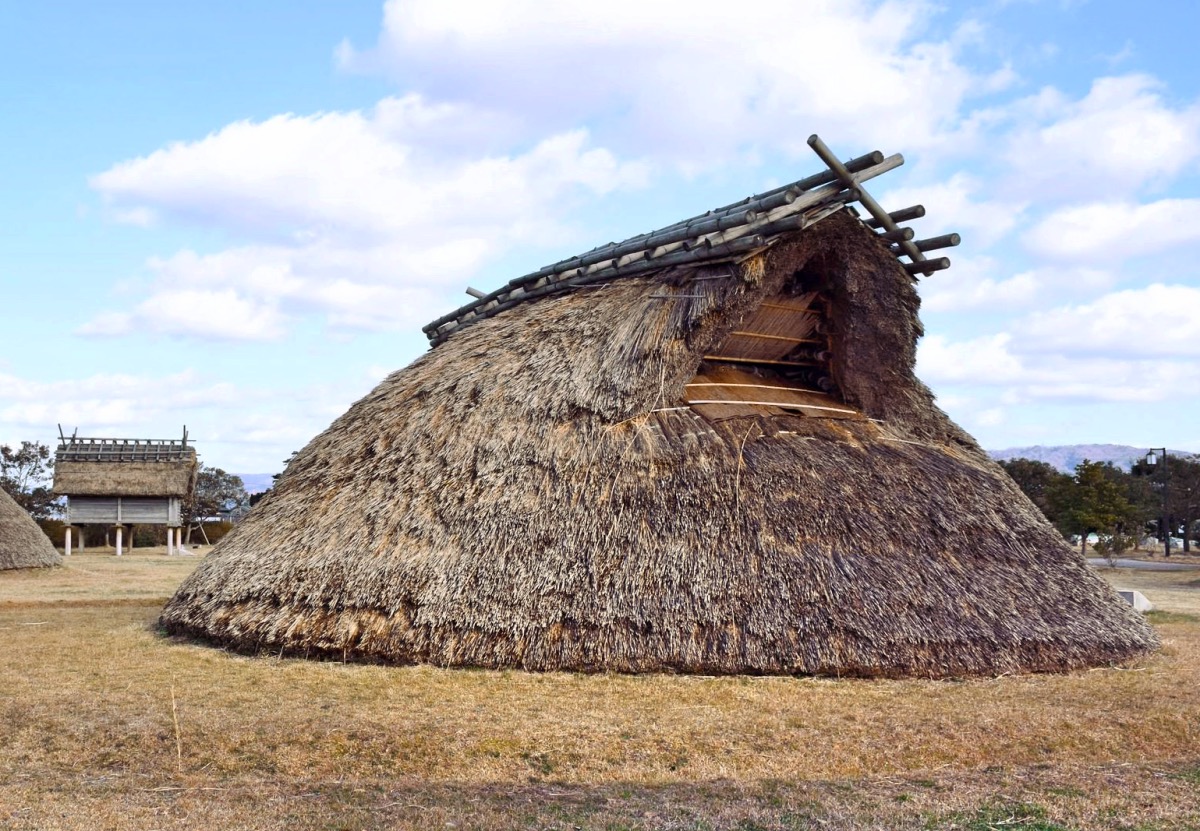
Yoshizaki-Suba Site
Yayoi period settlement remains, Ishikawa, Japan.
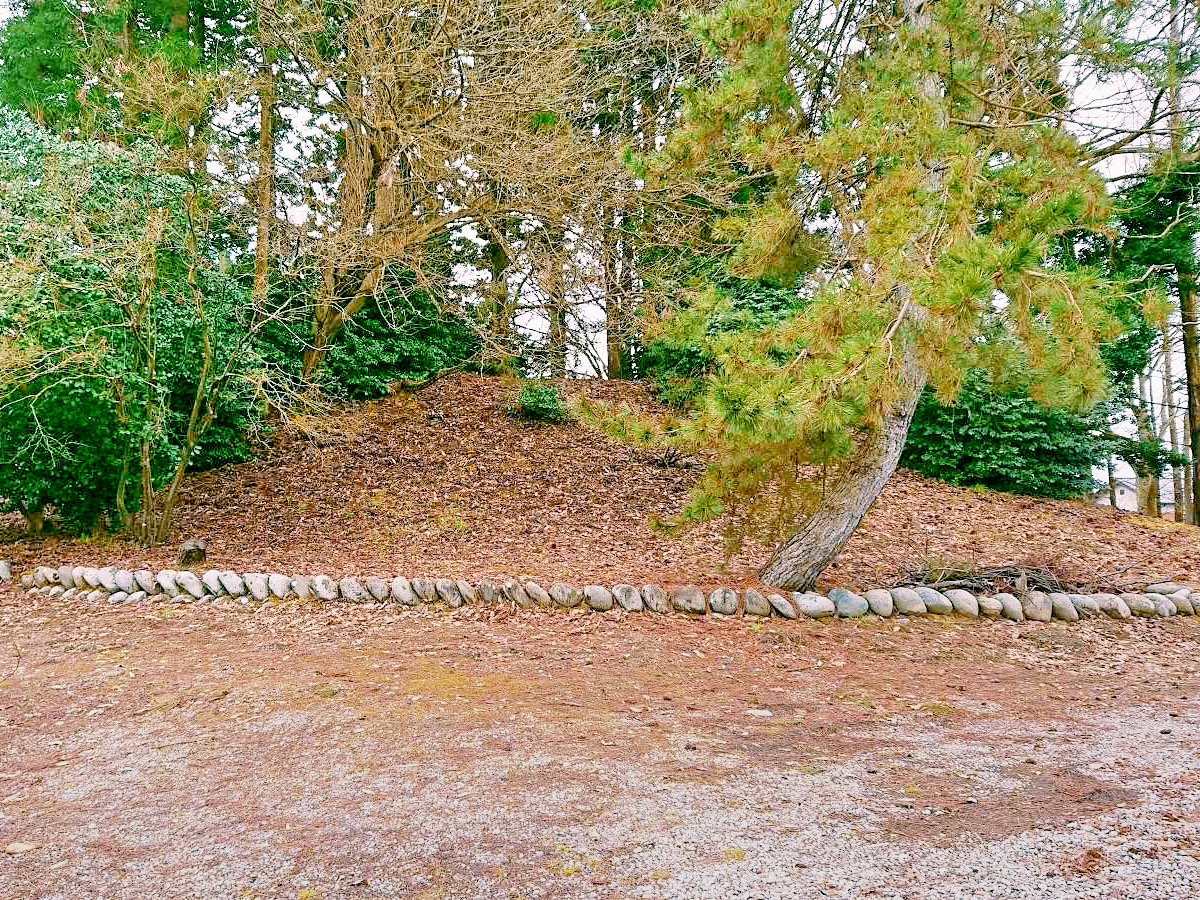
Kushidashin Site
Late Jōmon settlement with Kofun burial mounds.
Furushida-Higashi ruins
Heian period fortified residence with moat.
Binmanji Ishibotokedani Necropolis
Medieval Japanese necropolis with 1600 tombs.
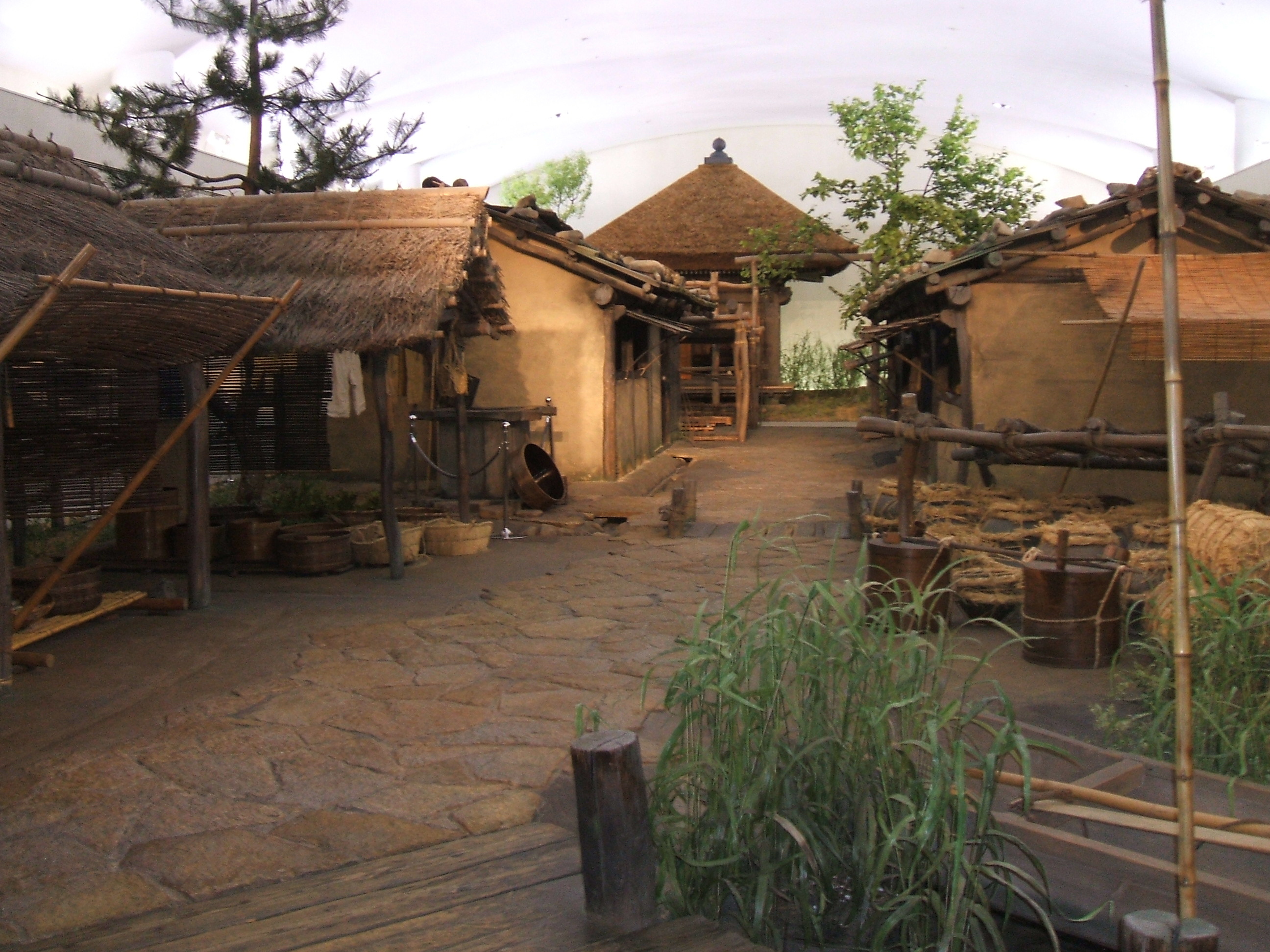
Kusado Sengen
Medieval port town near Ashida River
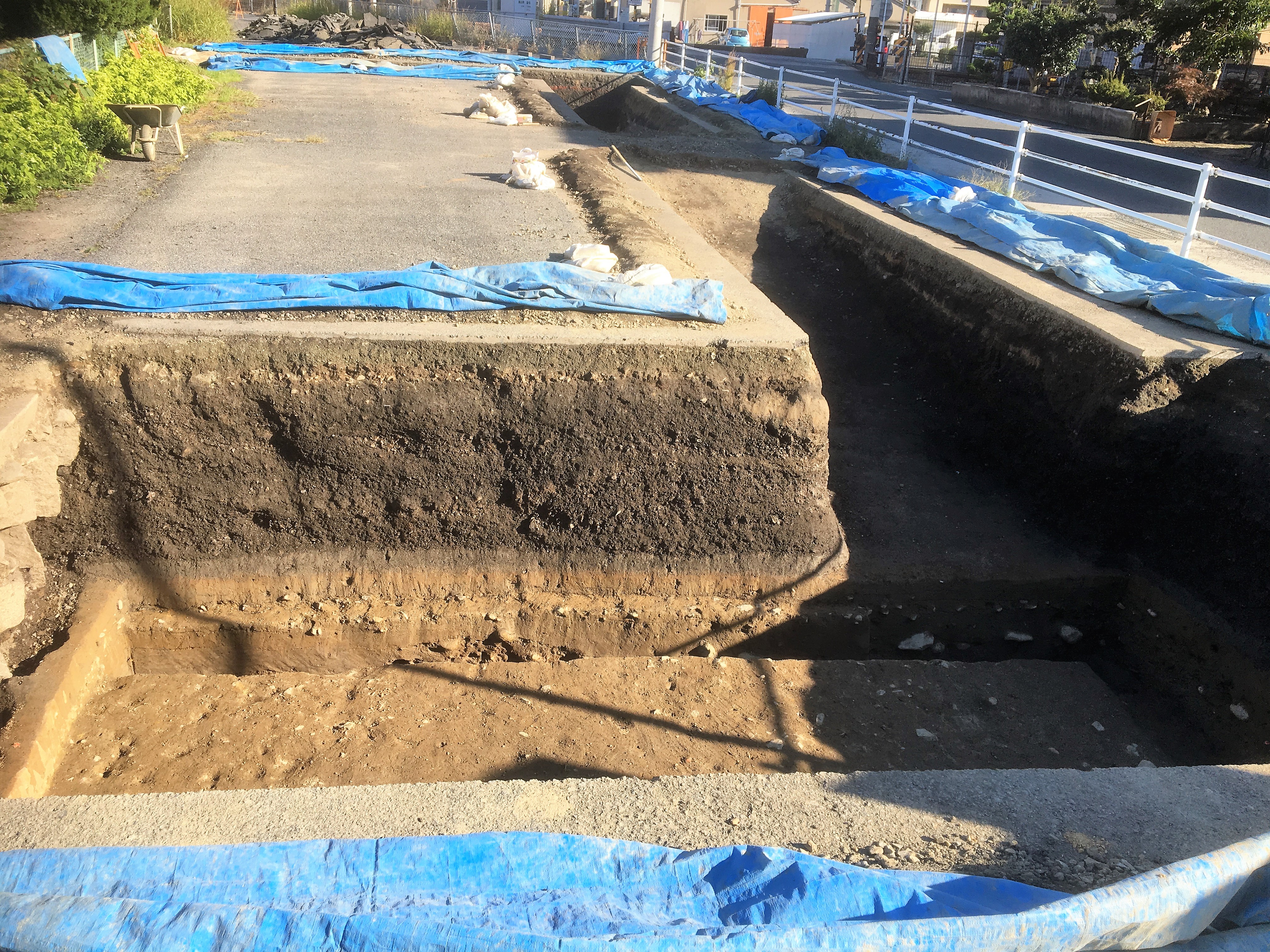
Bingo Provincial Capital
Ruins of ancient provincial capital structures