
Explore the Map
Komaru Castle
35.8980° N, 136.2302° E
About
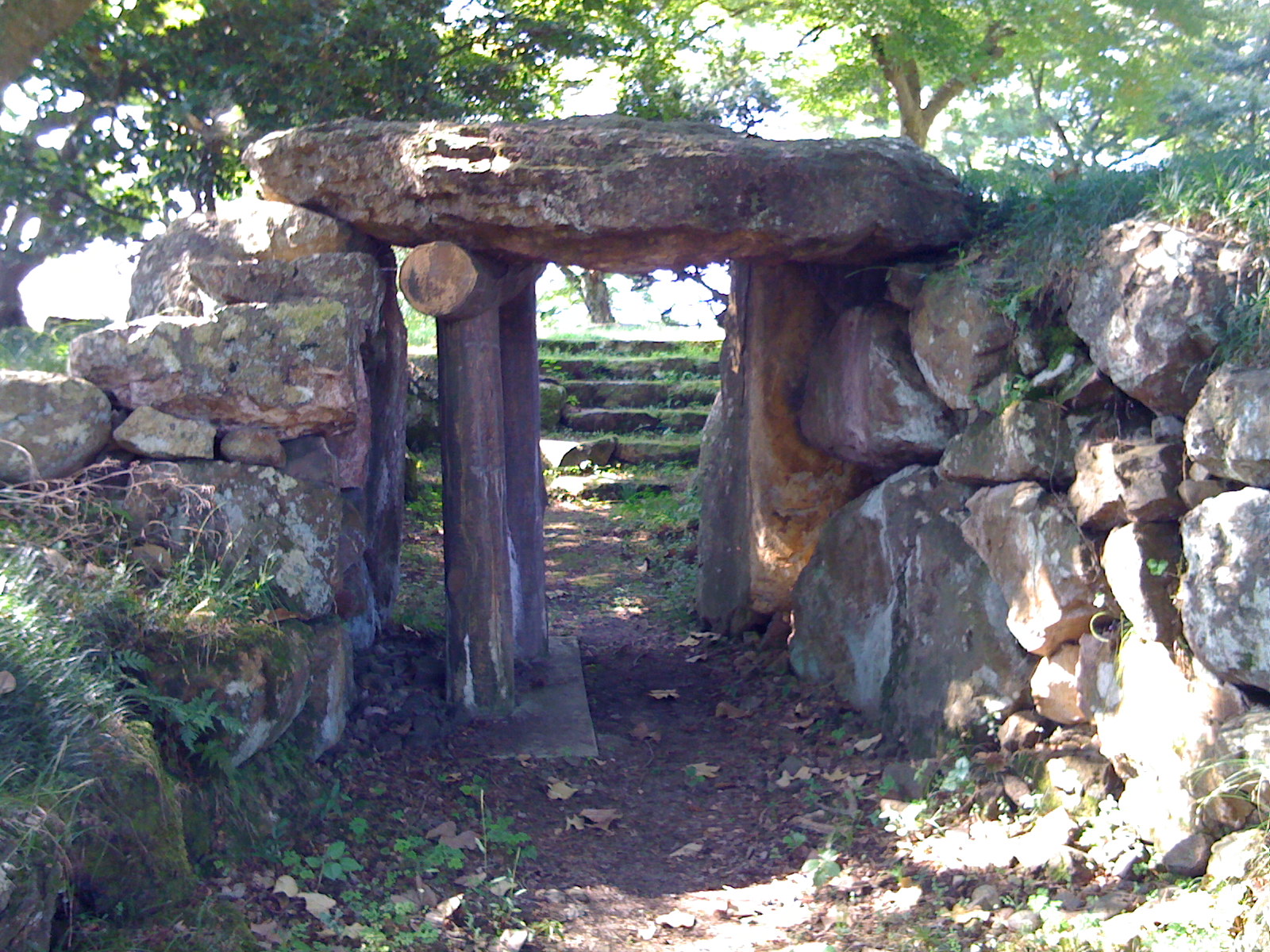
Komaru Castle, a Sengoku period structure, is located in present-day Echizen, Fukui Prefecture, Japan. Built in 1575 CE by Sassa Narimasa, a general under Oda Nobunaga, the castle played a role in maintaining peace in Echizen Province. It was strategically situated on a hill with stone ramparts, moats, and marshes protecting its inner bailey and citadel. Although it was never completed, its remnants, including earthen foundations, a gate, and fragments of roof tiles, provide insights into the era's architectural practices and historical events, such as Maeda Toshiie's suppression of the Ikkō-ikki. Abandoned in 1581 when Narimasa relocated, the site is now a recognized historic location in Fukui Prefecture.
Gallery
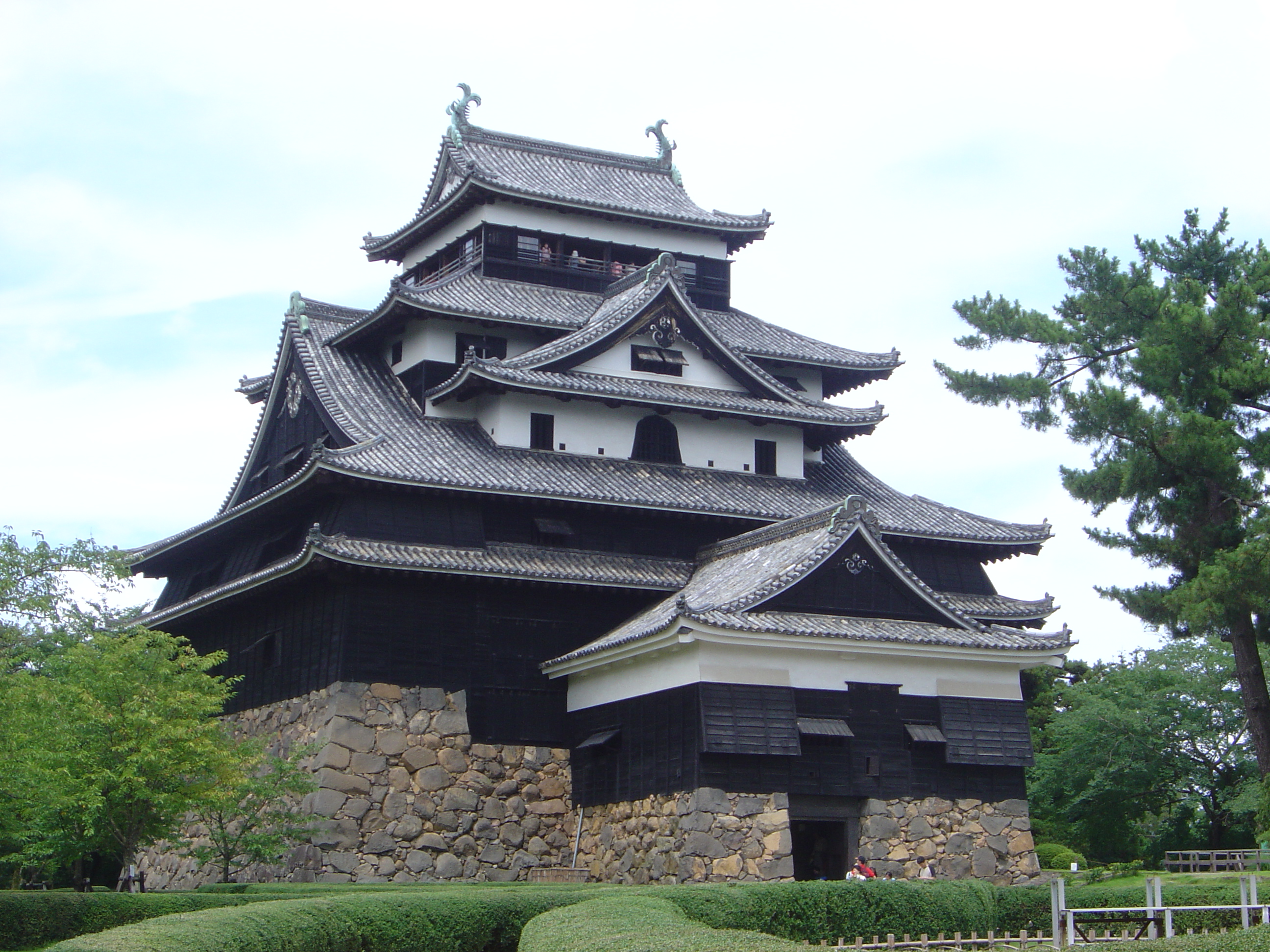
Explore photographs of ancient structures, artifacts, and archaeological excavations
Historical Timeline
Journey through time and discover key events in this site's history
Castle Establishment
1575 CE
Castle Abandonment
1581 CE
Archaeological Features
Unique architectural and cultural elements found at this historical site
Defensive Structures
Frequently Asked Questions
Plan Your Visit
Tours, travel arrangements, and practical information
More Sites in Japan
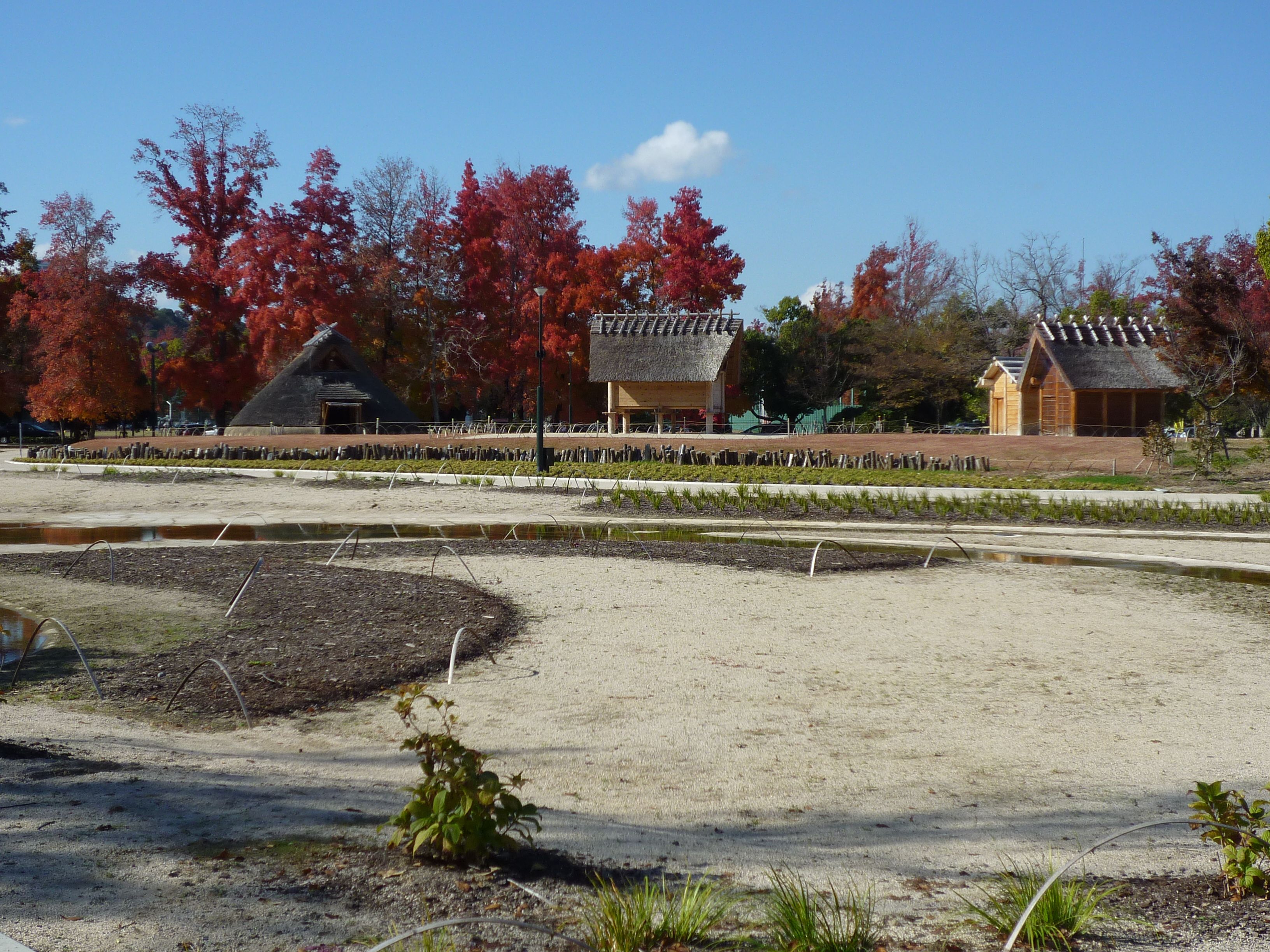
Tsushima Site
Yayoi settlement with paddy fields and dwellings
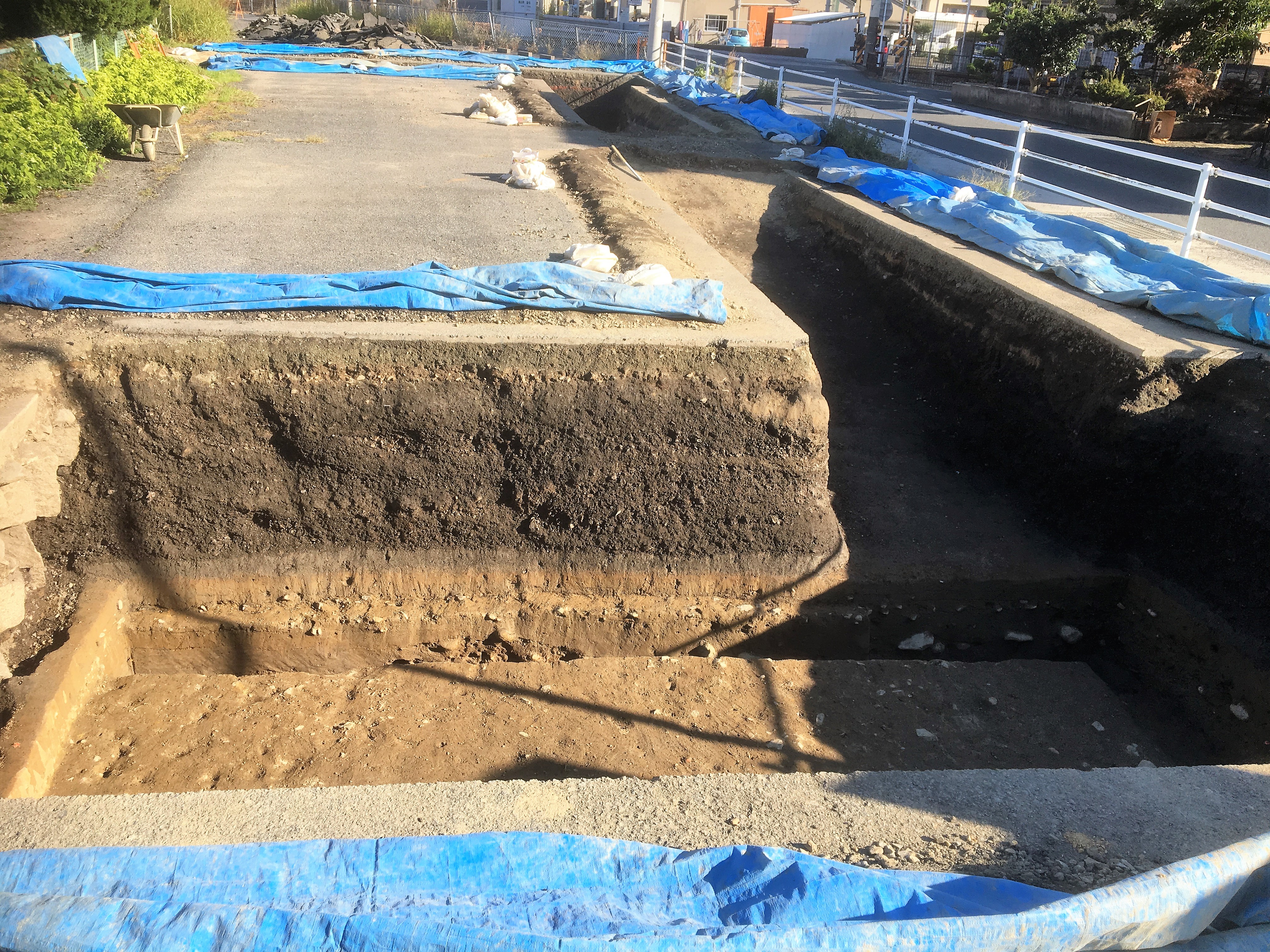
Bingo Provincial Capital
Ruins of ancient provincial capital structures
Binmanji Ishibotokedani Necropolis
Medieval Japanese necropolis with 1600 tombs.
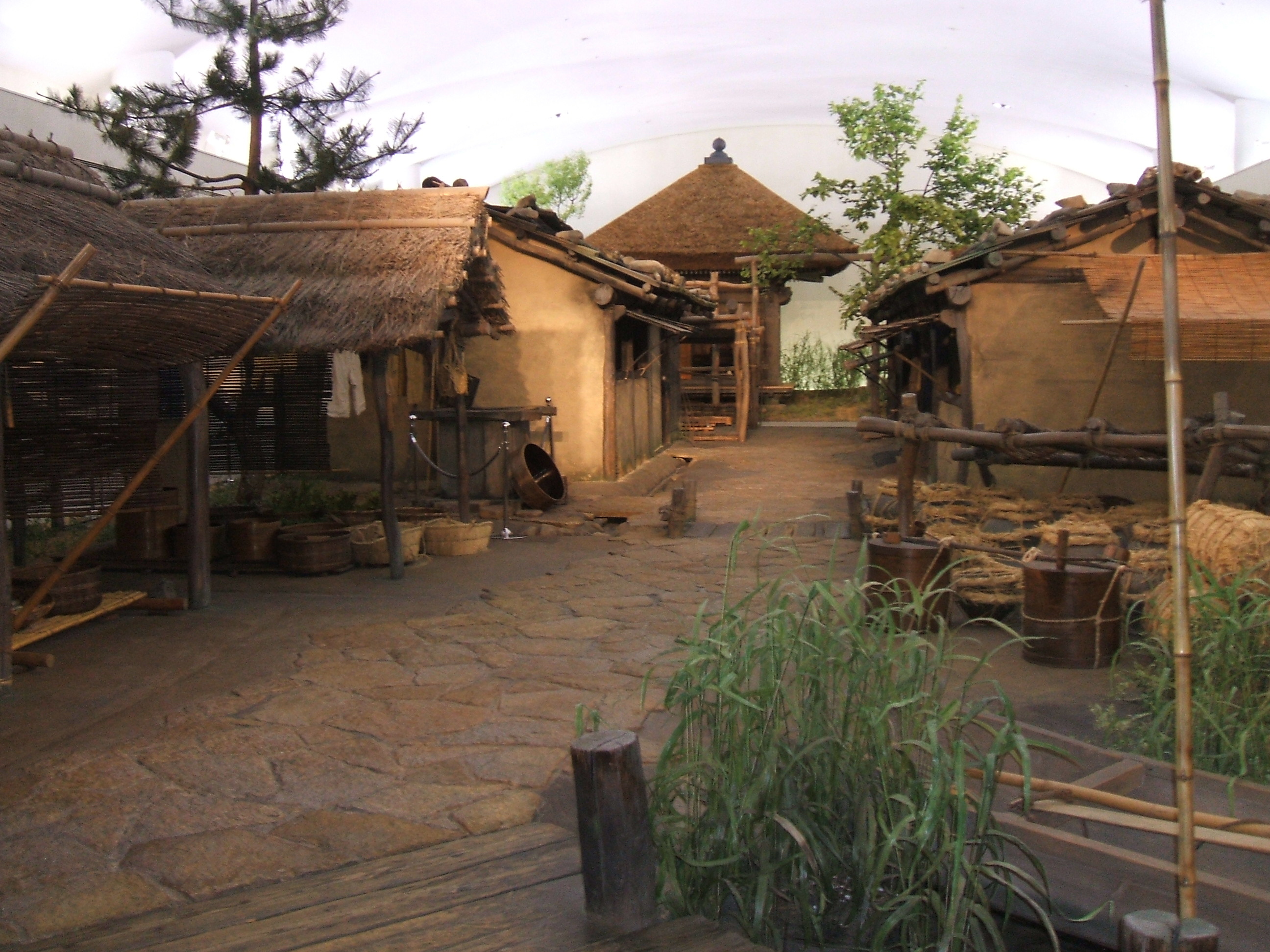
Kusado Sengen
Medieval port town near Ashida River
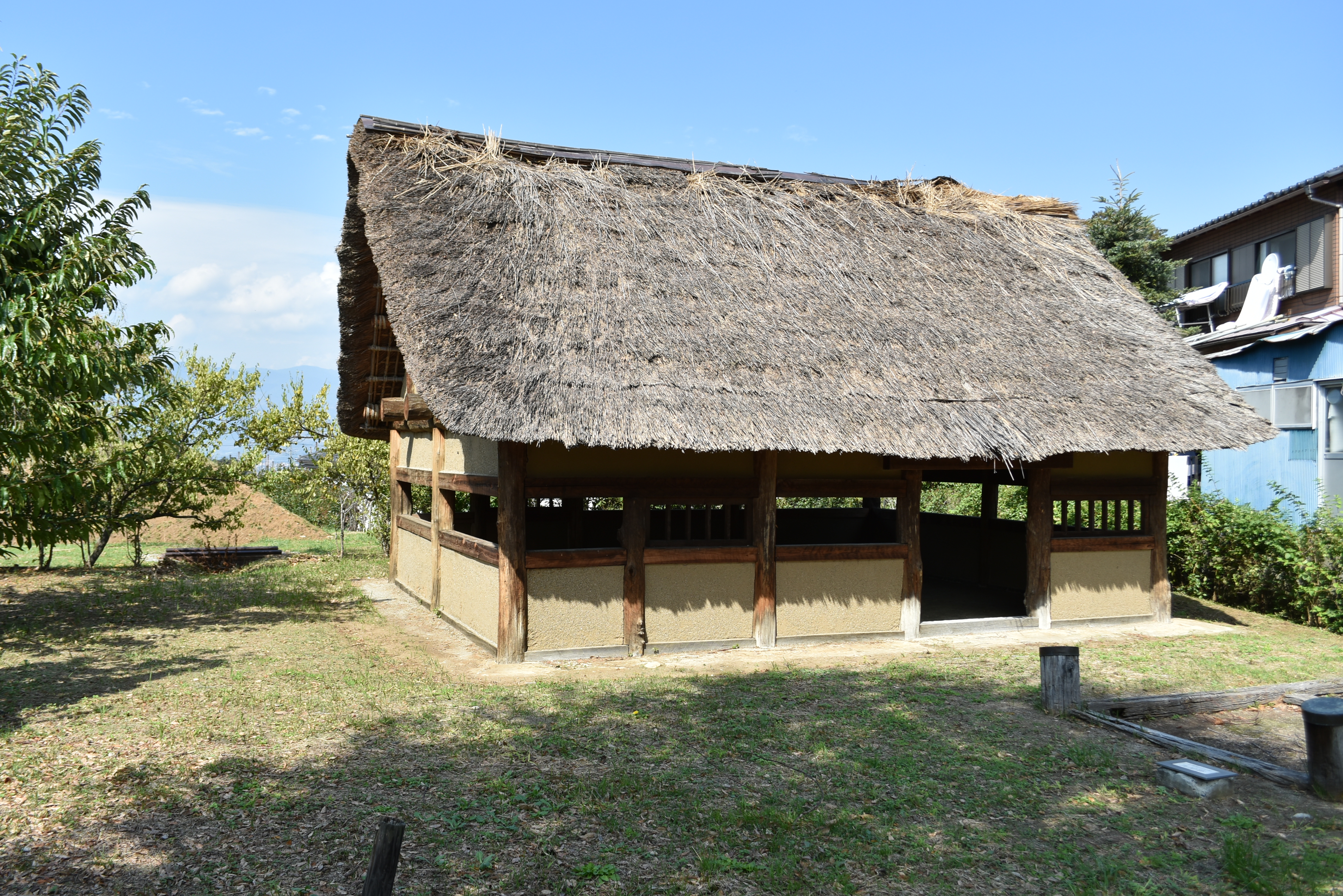
Katsunuma clan residence ruins
Sengoku period fortified residence ruins.
Furushida-Higashi ruins
Heian period fortified residence with moat.