Explore the Map
Horigoe Gosho
35.0485° N, 138.9382° E
About
The Horigoe Palace site, also known as Horigoe Gosho, is an archaeological site in Izunokuni, Japan, featuring remnants of a 15th-century Muromachi-period residence linked to the Ashikaga clan. Designated a National Historic Site of Japan, the site is associated with significant events, such as the political upheavals following the Ashikaga Yoshinori's 1439 invasion of Kamakura and the subsequent power struggles in the Kantō region. Excavations revealed the foundations of a large palace structure and garden, with high-status ceramics imported from China, confirming its historical significance. This site reflects the political fragmentation and dual rulership in the Kantō region during the late Muromachi period.
Historical Timeline
Journey through time and discover key events in this site's history
Ashikaga Yoshinori invasion
1439 CE
Ashikaga Shigeuji becomes Kantō Kubō
1449 CE
Uesugi Noritada's murder
1454 CE
Shigeuji defeated in Kamakura
1455 CE
Masatomo sets headquarters in Horigoe
1455 CE
Archaeological Features
Unique architectural and cultural elements found at this historical site
Agricultural and Land Use Features
Domestic and Habitation Structures
Frequently Asked Questions
Plan Your Visit
Tours, travel arrangements, and practical information
More Sites in Japan
Kusado Sengen
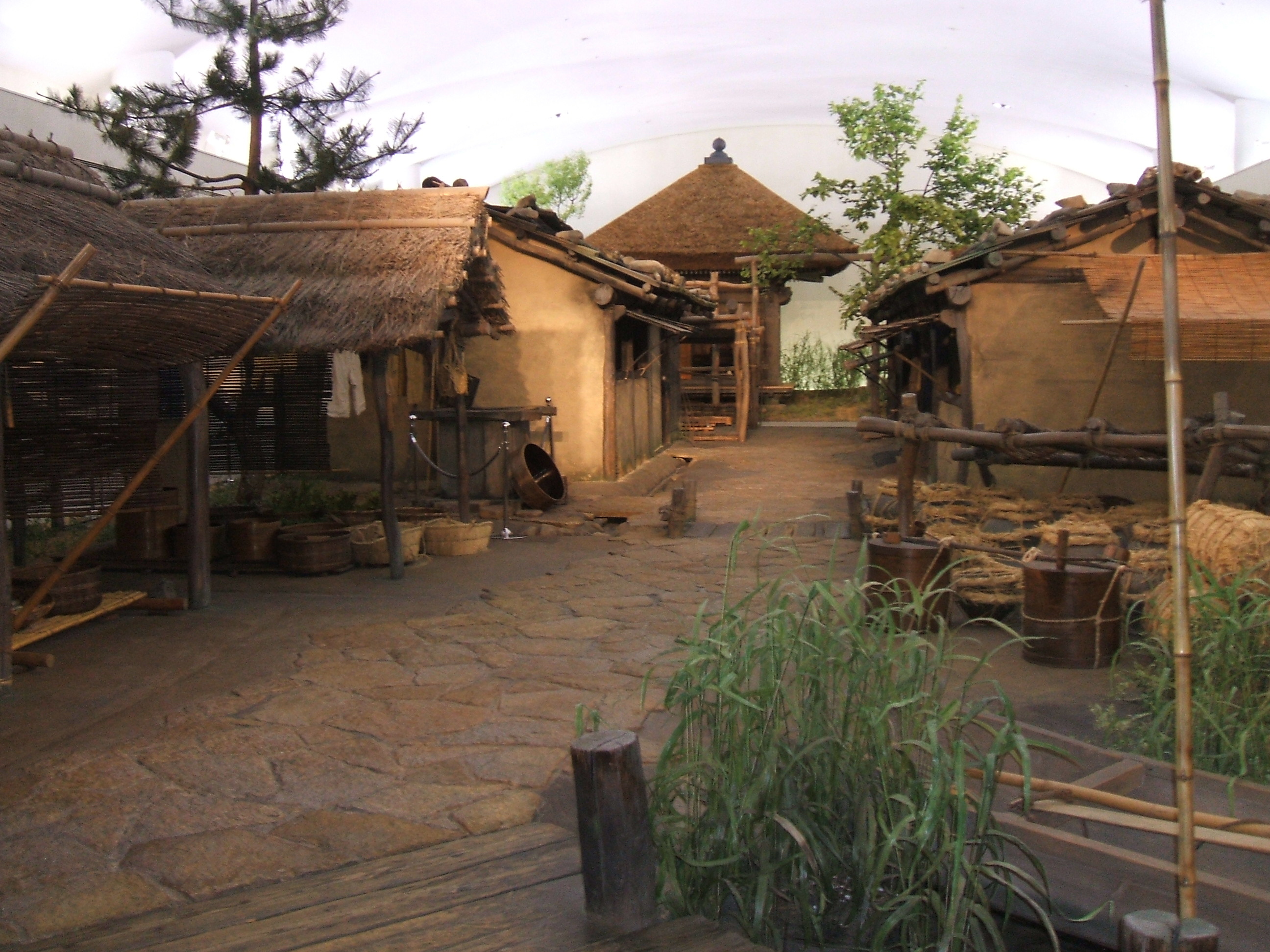
Medieval port town near Ashida River
Furushida-Higashi ruins
Heian period fortified residence with moat.
Katsunuma clan residence ruins
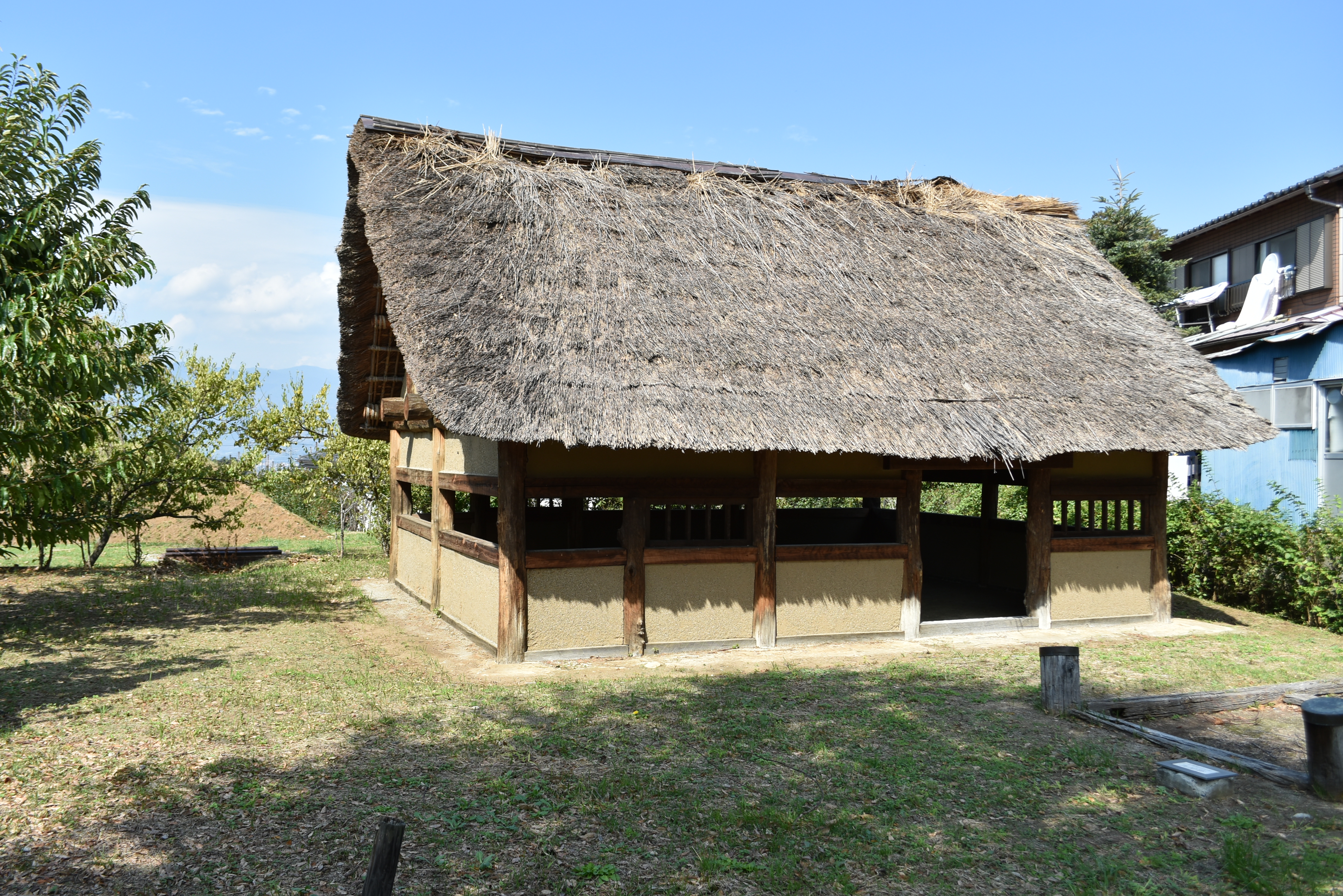
Sengoku period fortified residence ruins.
Bingo Provincial Capital
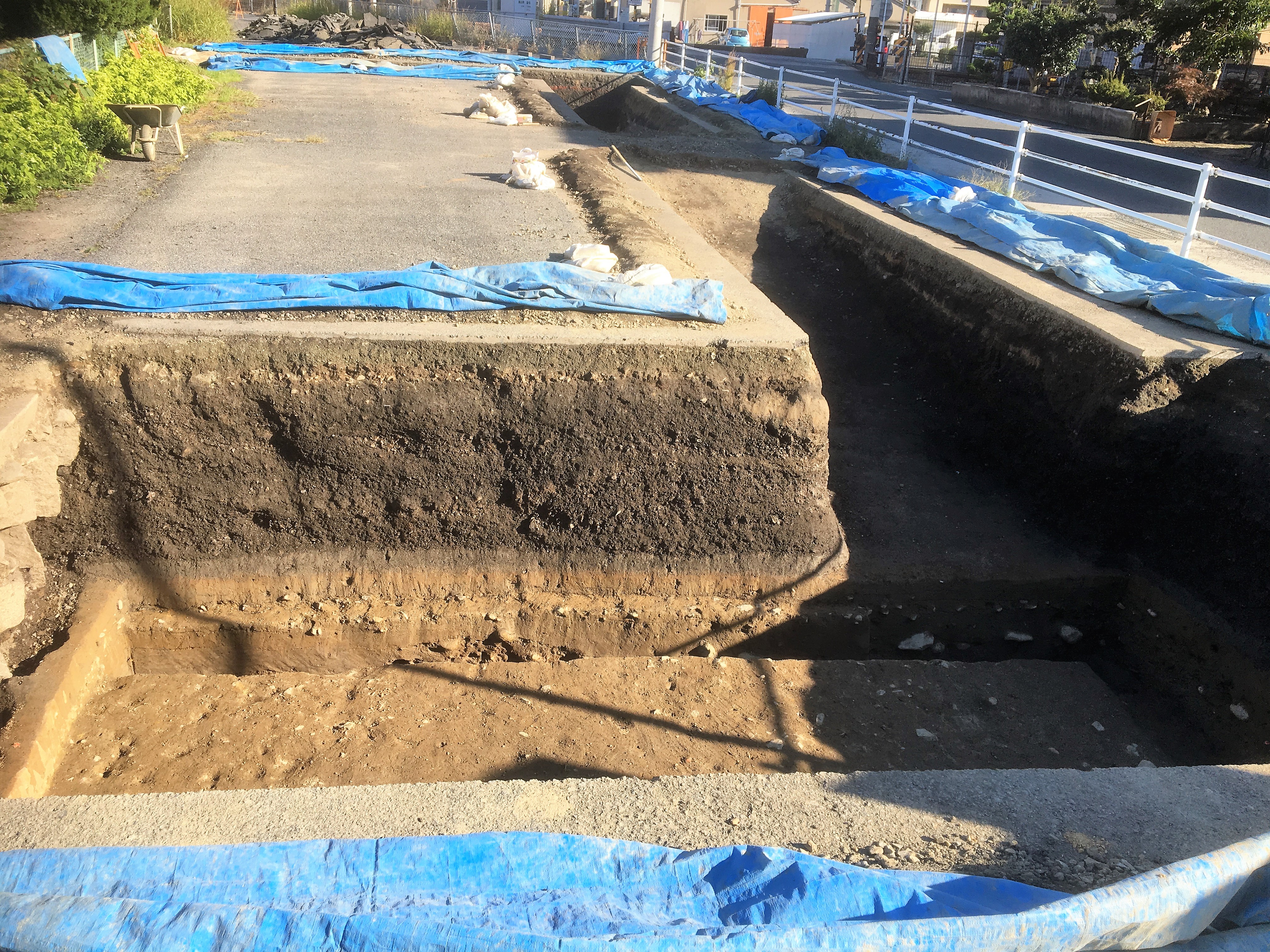
Ruins of ancient provincial capital structures

Komaru Castle
Sengoku period castle with moats and ramparts.
Binmanji Ishibotokedani Necropolis
Medieval Japanese necropolis with 1600 tombs.