Explore the Map
Sagami River Bridge ruins
35.3319° N, 139.3844° E
About
The Former Sagami River Bridge ruins represent a significant archaeological discovery from the Kamakura period in Japan. Located in Chigasaki, Kanagawa Prefecture, the site emerged following the 1923 Great Kantō earthquake, revealing wooden pillars believed to be remnants of a medieval bridge. These pillars, made from hinoki wood, measure 60 centimeters in diameter and 3.6 meters in length and are thought to have been part of a bridge constructed by Inage Shigetada, a historical figure linked to the Minamoto clan. The Azuma Kagami chronicle records Minamoto no Yoritomo crossing this bridge in 1198. Dendrochronology confirms the bridge's construction between 1126 and 1260 CE, aligning with historical accounts. The site was declared a National Historic Site in 1926 and a Natural Monument in 2013, emphasizing its cultural and historical importance.
Historical Timeline
Journey through time and discover key events in this site's history
Yoritomo Bridge Incident
1198 CE
Sagami River Bridge Construction
1198 CE
Archaeological Features
Unique architectural and cultural elements found at this historical site
Transportation and Communication Structures
Frequently Asked Questions
Plan Your Visit
Tours, travel arrangements, and practical information

More Sites in Japan
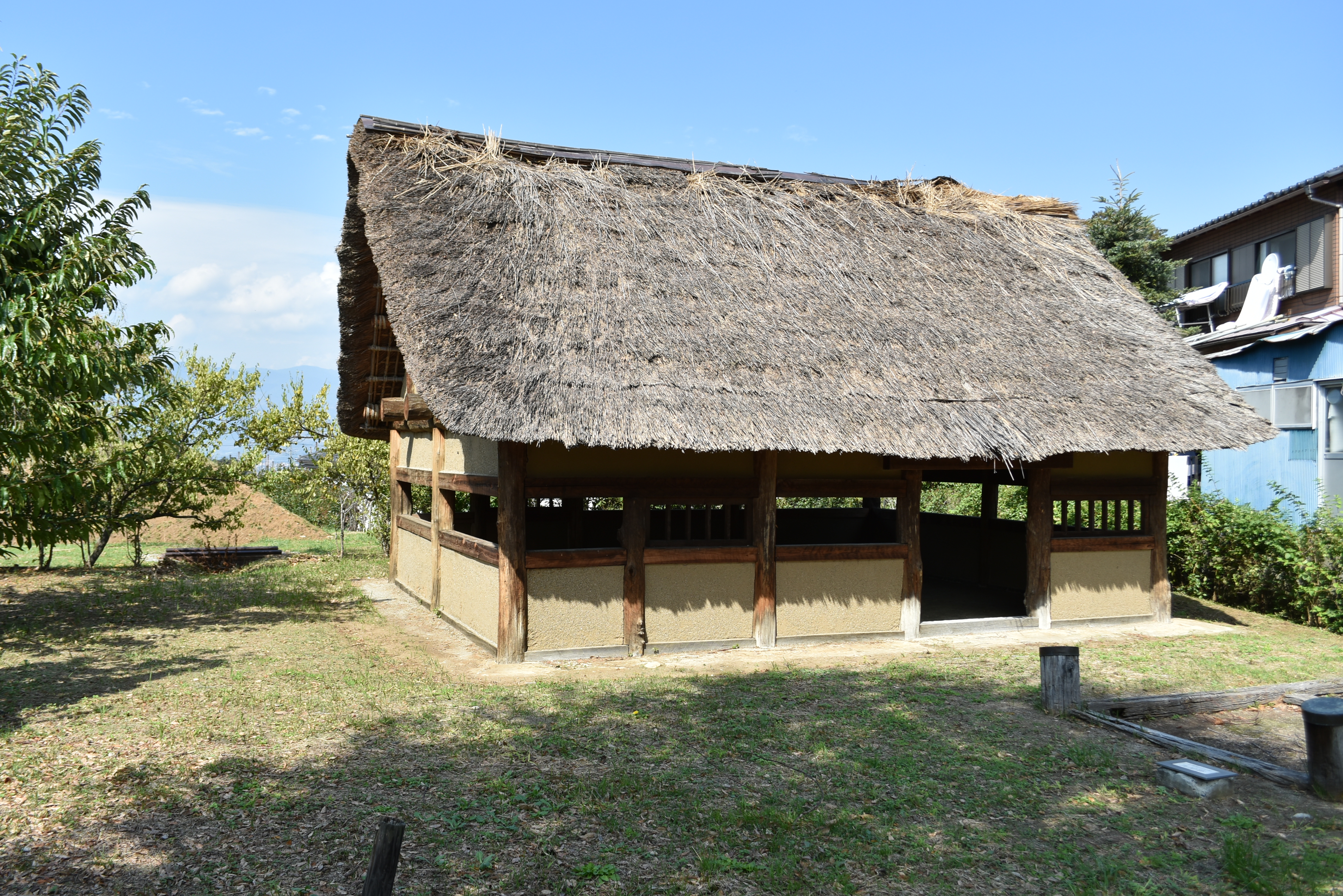
Katsunuma clan residence ruins
Sengoku period fortified residence ruins.
Furushida-Higashi ruins
Heian period fortified residence with moat.

Komaru Castle
Sengoku period castle with moats and ramparts.
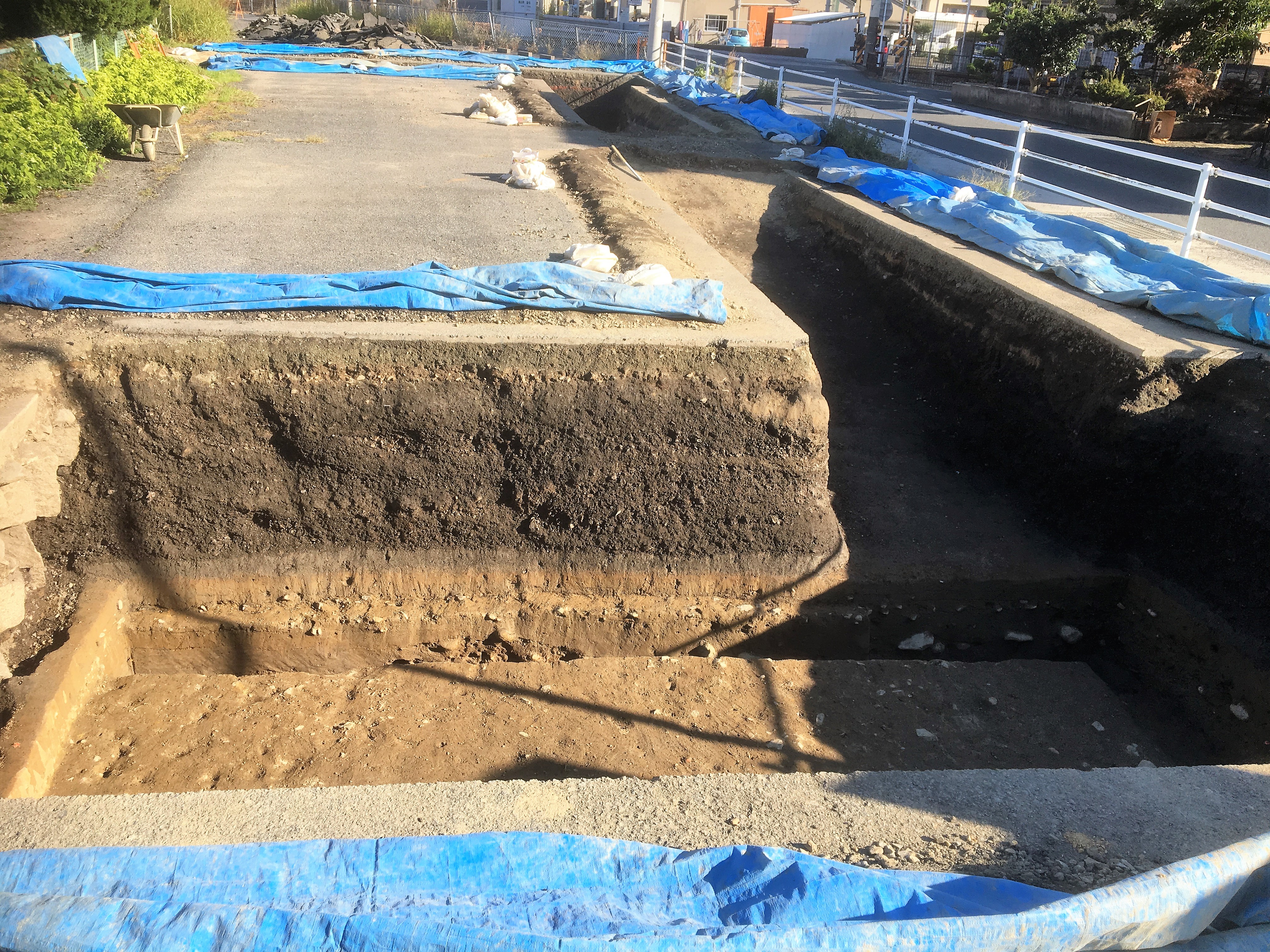
Bingo Provincial Capital
Ruins of ancient provincial capital structures
Binmanji Ishibotokedani Necropolis
Medieval Japanese necropolis with 1600 tombs.
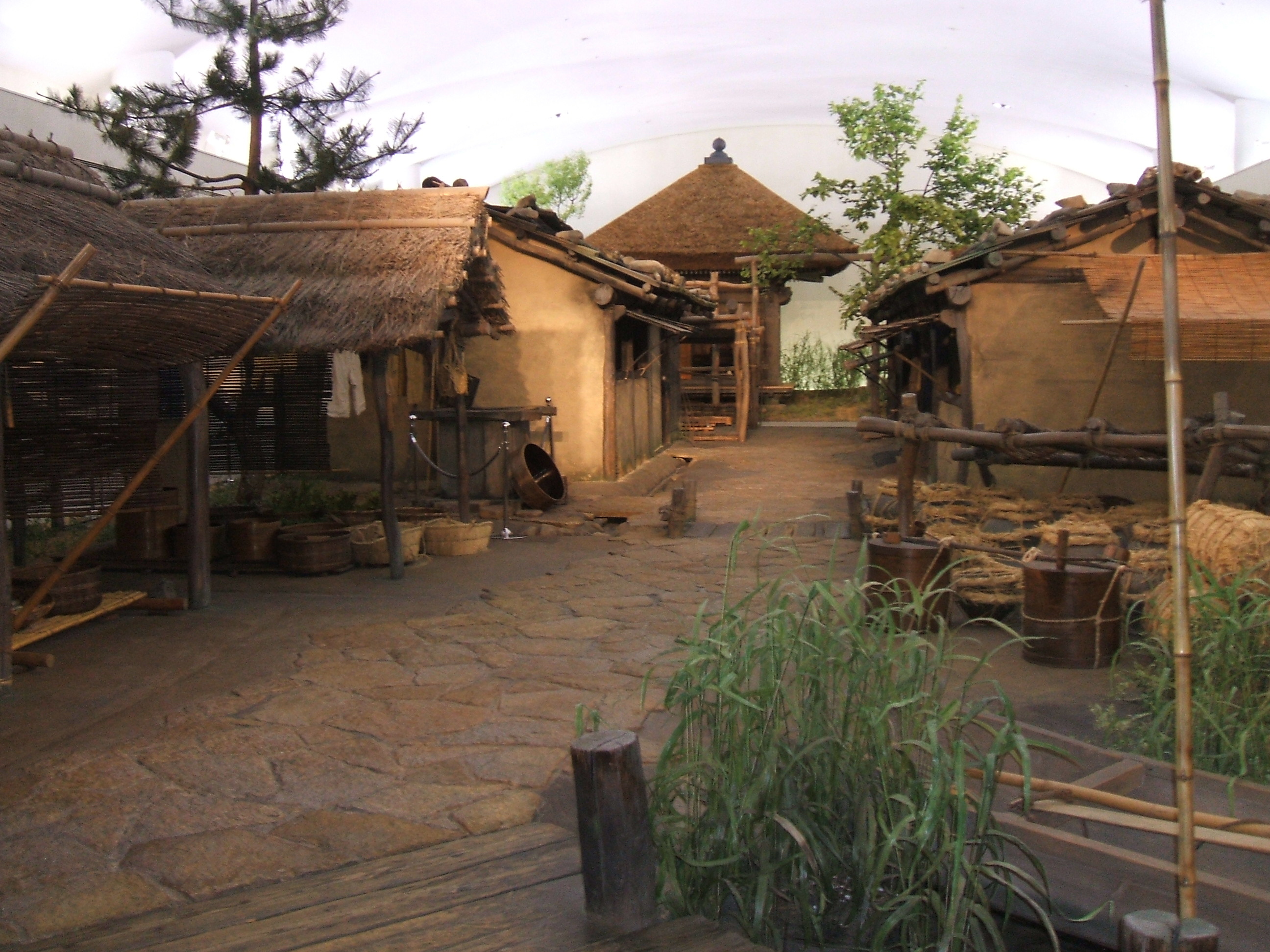
Kusado Sengen
Medieval port town near Ashida River