Explore the Map
Shirakawa Kanga ruins
37.1287° N, 140.3105° E
About
The Shirakawa Kanga ruins in Fukushima, Japan, are the remnants of a significant government administrative complex from the Nara to early Heian periods. The site, designated as a National Historic Site in 1984, includes the Sekiwaku Kanga and Kariyado temple ruins. The complex reflects administrative changes following the Taika reforms and the establishment of the Ritsuryō system in the 7th century CE. The Sekiwaku Kanga site features a rectangular layout with a moat and river, containing warehouses initially built in a stilt pillar style, later reconstructed with foundation stones and tiled roofs. The Kariyado temple, laid out in the Horyuji style, highlights the religious aspect of governance. These sites reveal insights into the administrative and religious structures of ancient Japan, indicating their central role in regional governance and tax collection.
Historical Timeline
Journey through time and discover key events in this site's history
Kariyado Temple Construction
End of 7th century CE
Construction of Sekiwaku Kanga
Late 7th century CE
Taika Reforms and Ritsuryō System
645 CE
Rebuilding of Warehouses
Early 8th century CE
Destruction by Fire
Second half of 9th century CE
Peak of Building Activity
First half of 9th century CE
Rebuilding and Abandonment
Early 10th century CE
Archaeological Features
Unique architectural and cultural elements found at this historical site
Storage Structures
Defensive Structures
Public and Civic Structures
Religious and Ritual Structures
Frequently Asked Questions
Plan Your Visit
Tours, travel arrangements, and practical information


More Sites in Japan
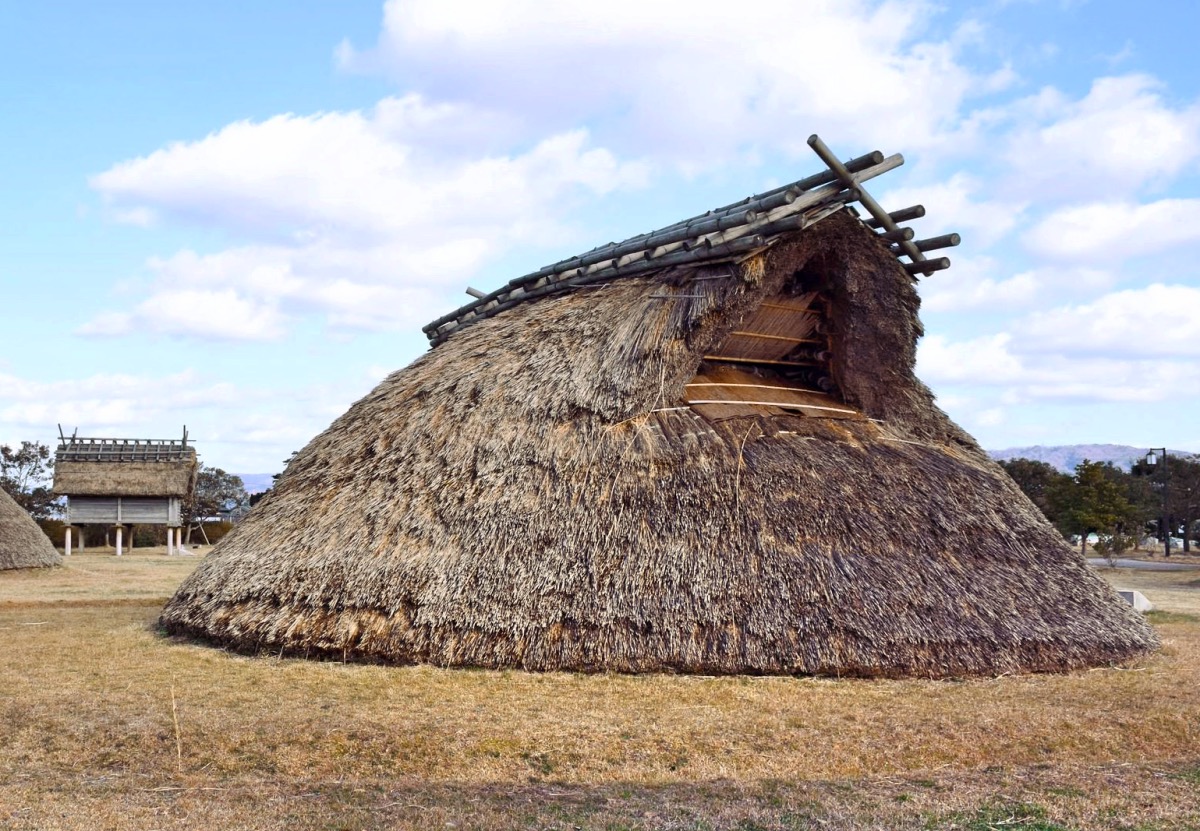
Yoshizaki-Suba Site
Yayoi period settlement remains, Ishikawa, Japan.
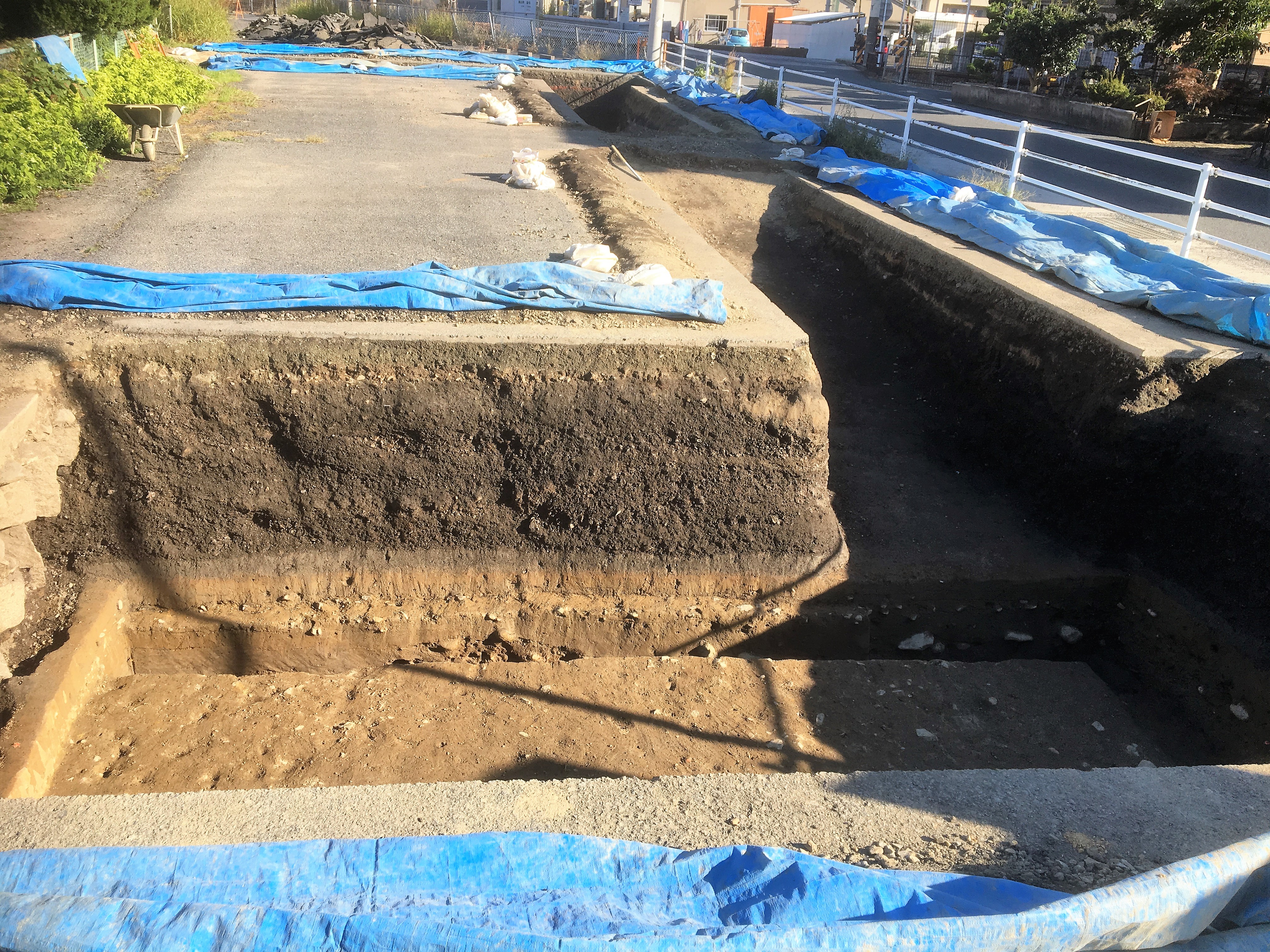
Bingo Provincial Capital
Ruins of ancient provincial capital structures
Furushida-Higashi ruins
Heian period fortified residence with moat.
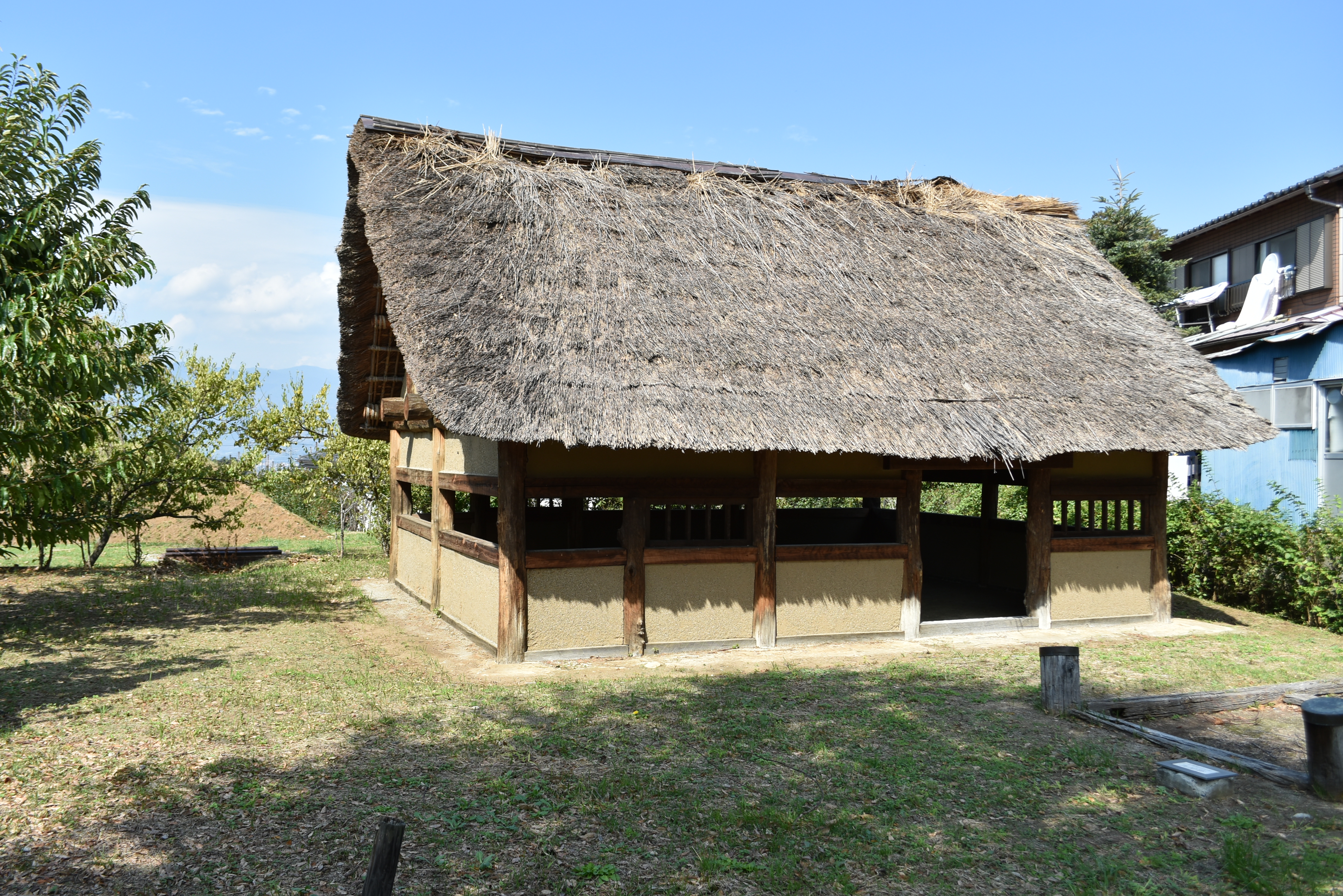
Katsunuma clan residence ruins
Sengoku period fortified residence ruins.
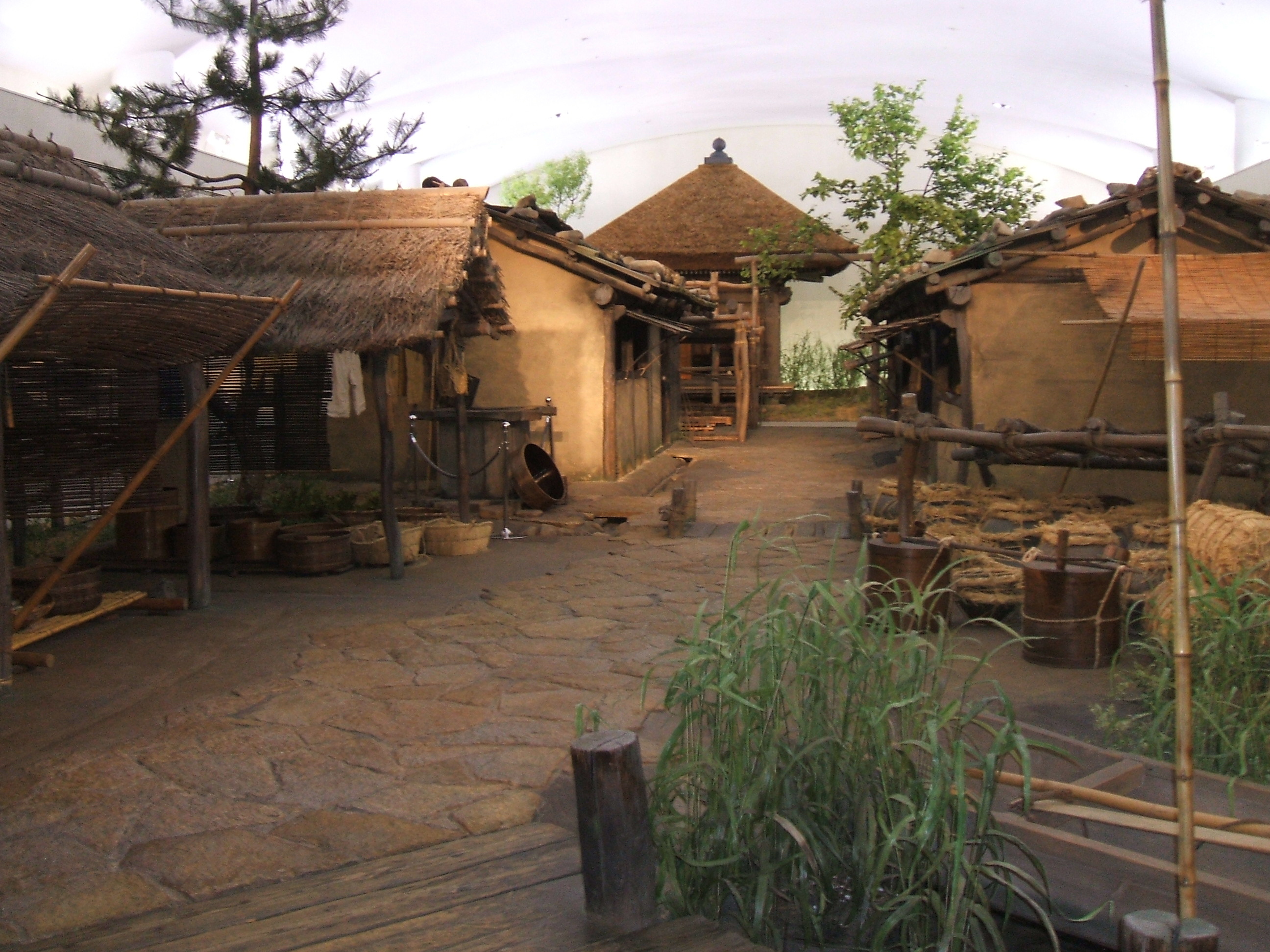
Kusado Sengen
Medieval port town near Ashida River
Binmanji Ishibotokedani Necropolis
Medieval Japanese necropolis with 1600 tombs.