Explore the Map
Shigaraki Palace
35.1208° N, 135.9075° E
About
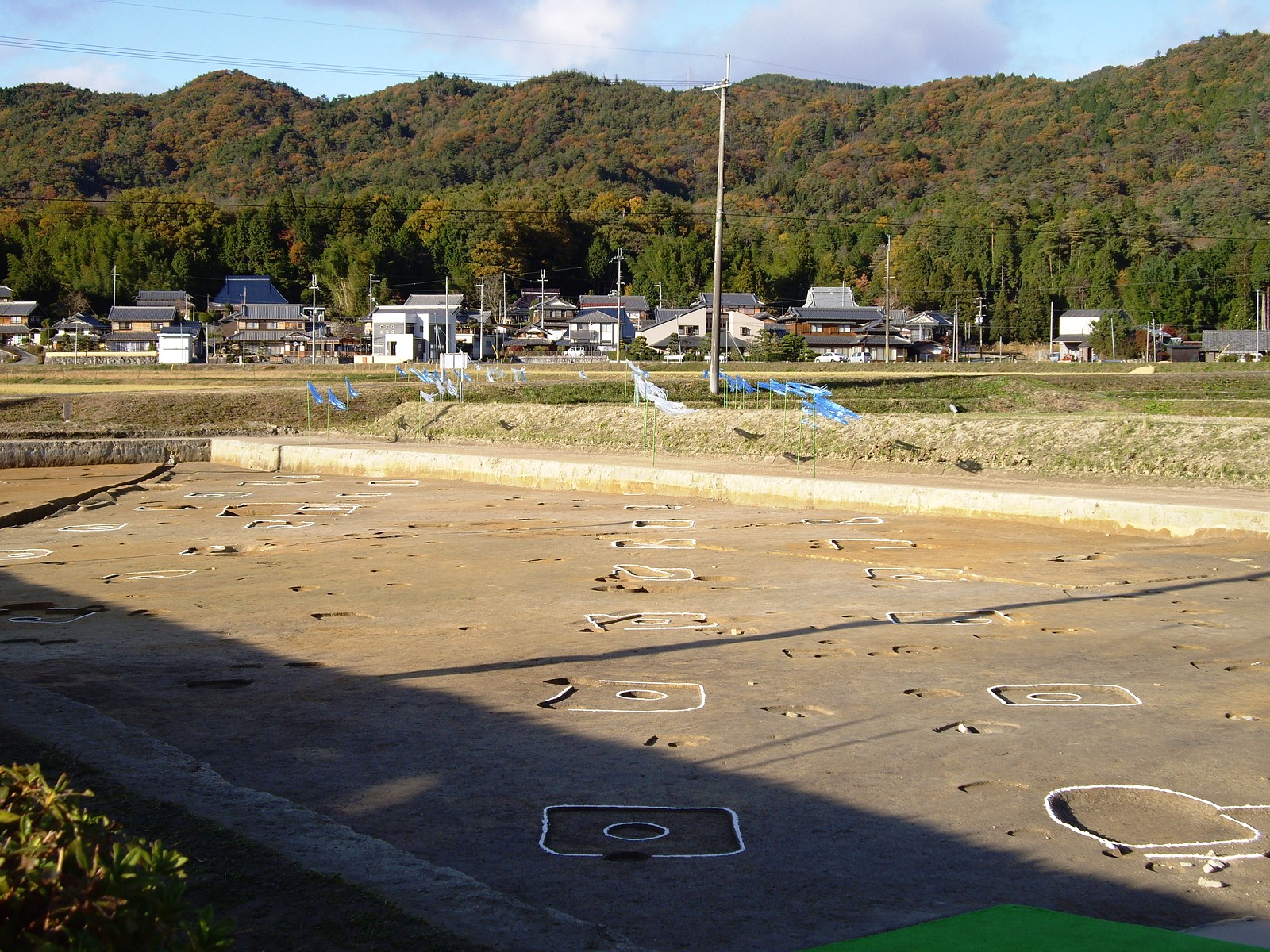
The Shigaraki Palace, initially a villa built by Emperor Shōmu, evolved into an imperial palace and temporary capital of Japan in the 8th century CE. Located in Ōmi Province, now Shiga Prefecture, the site reflects a blend of political strategy and religious influence, possibly due to the emperor’s connections with Buddhist prelates. The palace was part of a larger plan to construct a monumental image of the Vairocana Buddha, showcasing the site's religious significance. However, natural disasters and financial strain led to the capital's relocation back to Heijō-kyō. Today, the Shigaraki Palace ruins are recognized as a National Historic Site, highlighting its historical and cultural importance in Japan's imperial history.
Gallery
Explore photographs of ancient structures, artifacts, and archaeological excavations
Historical Timeline
Journey through time and discover key events in this site's history
Relocation to Kuni-kyō
740 CE
Villa becomes primary residence
742 CE
Shigaraki named capital
744 CE
Return to Heijō-kyō
745 CE
Kōka officially proclaimed capital
745 CE
Archaeological Features
Unique architectural and cultural elements found at this historical site
Religious and Ritual Structures
Domestic and Habitation Structures
Frequently Asked Questions
Plan Your Visit
Tours, travel arrangements, and practical information
More Sites in Japan
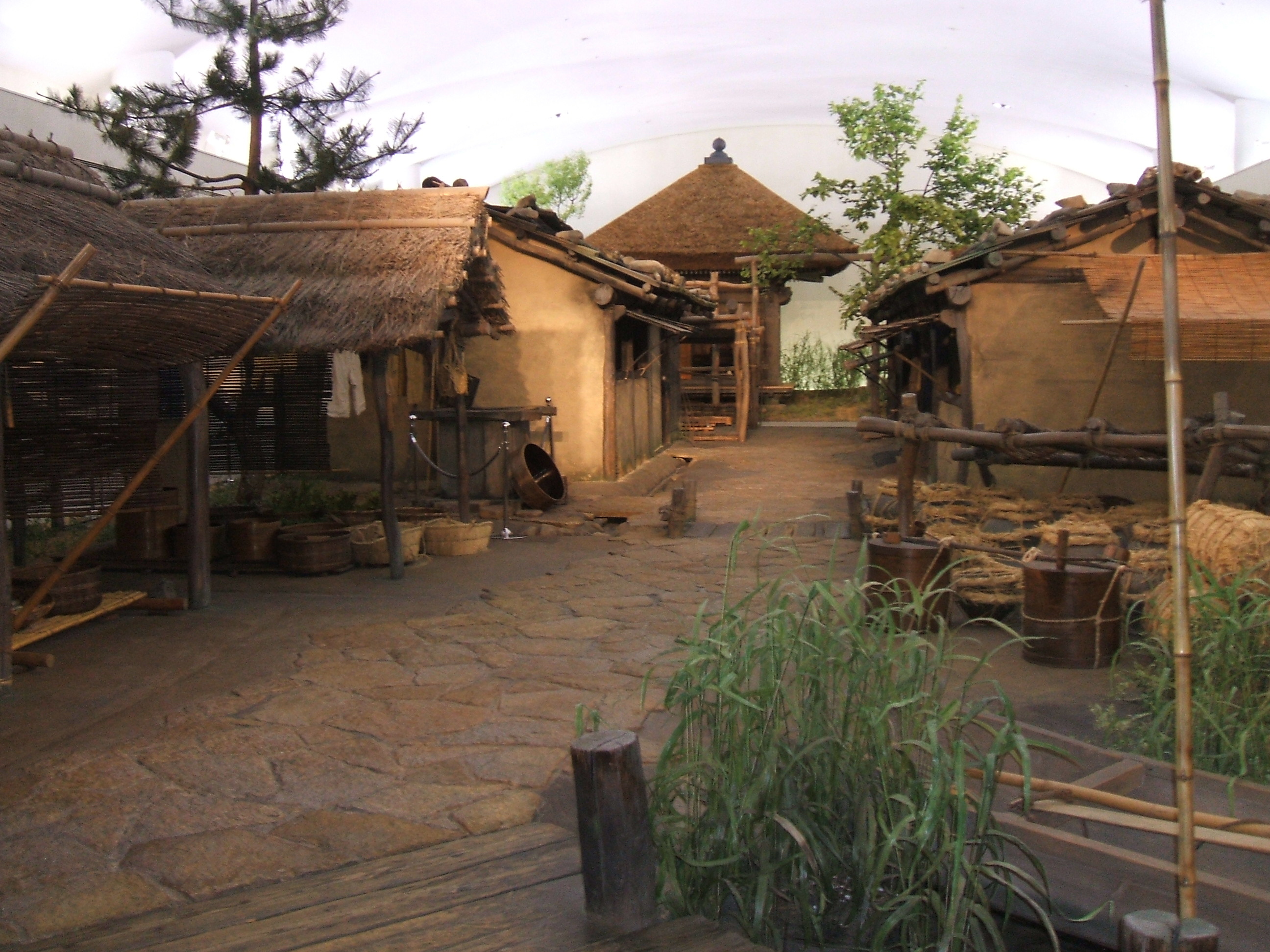
Kusado Sengen
Medieval port town near Ashida River
Furushida-Higashi ruins
Heian period fortified residence with moat.

Komaru Castle
Sengoku period castle with moats and ramparts.
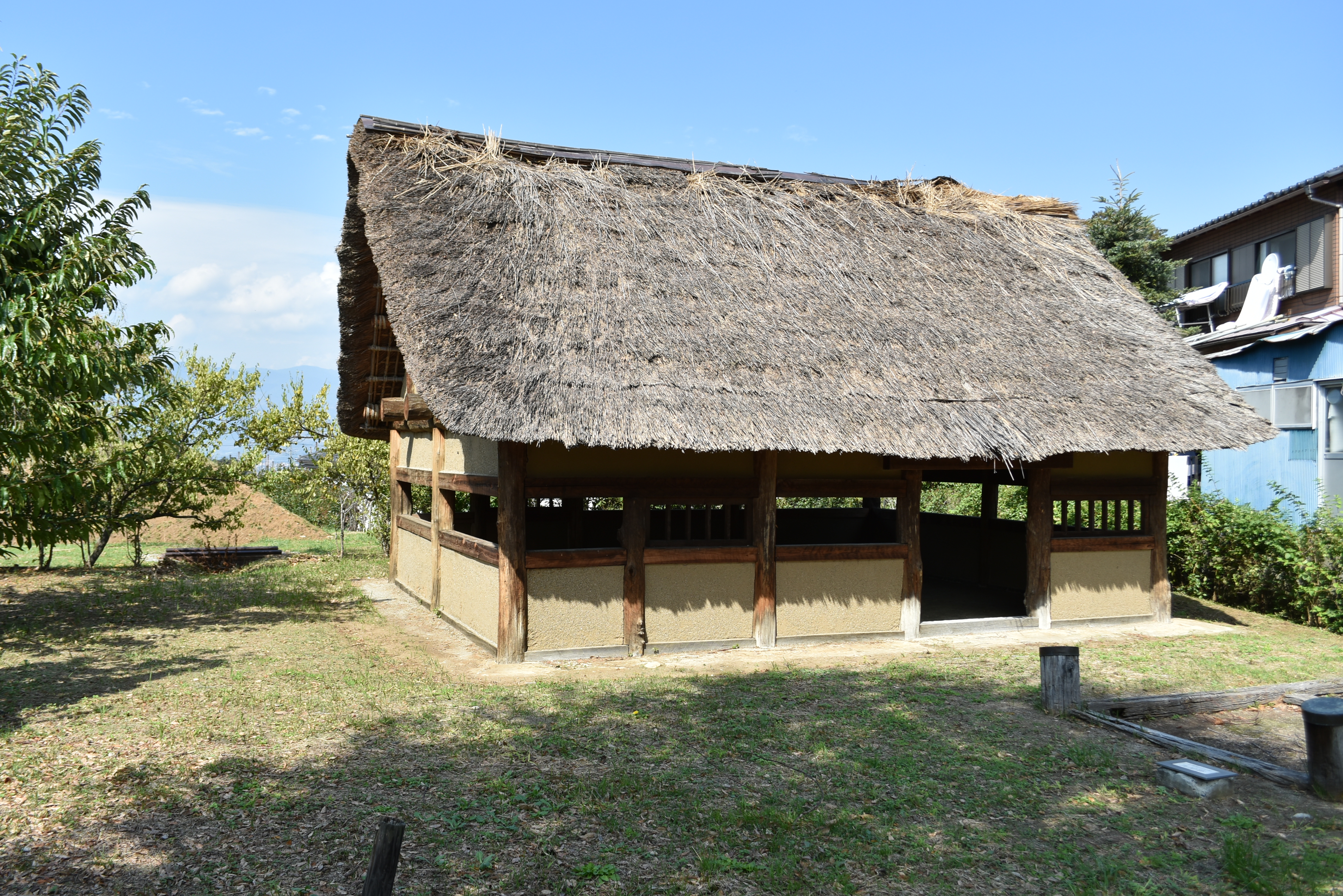
Katsunuma clan residence ruins
Sengoku period fortified residence ruins.
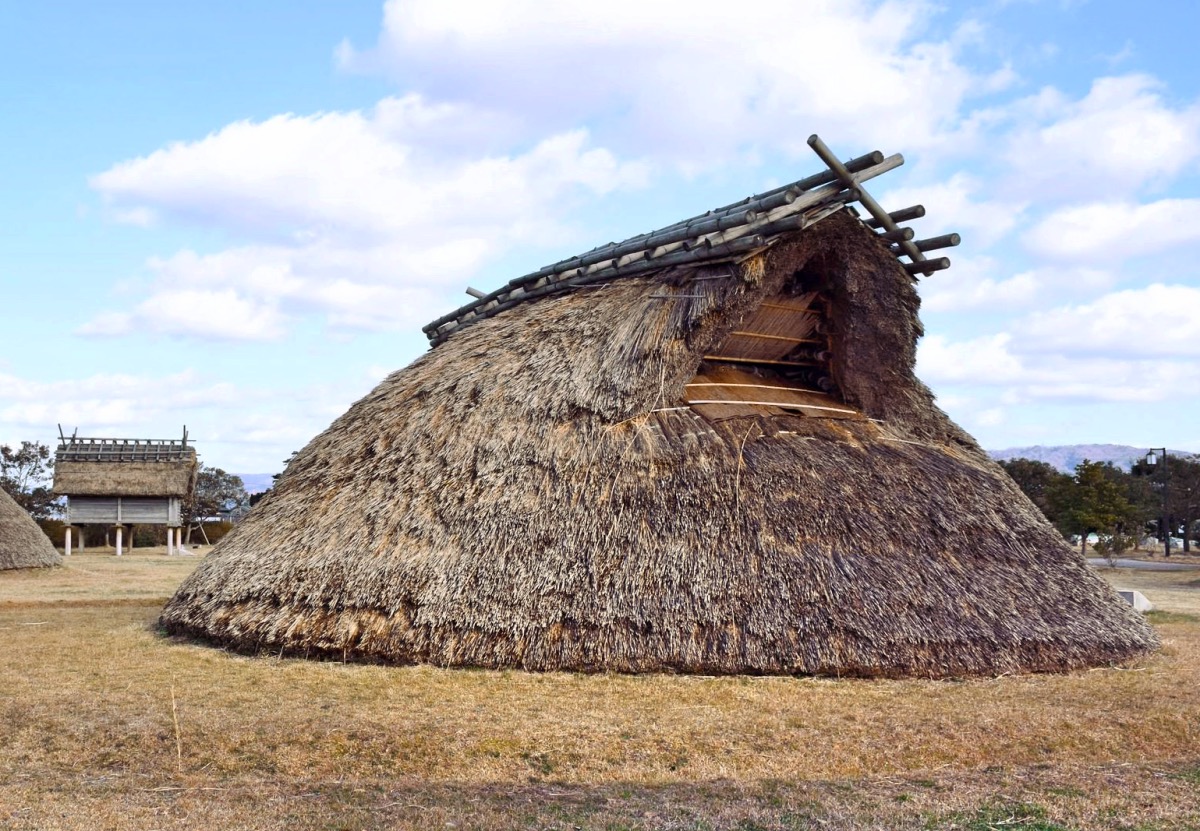
Yoshizaki-Suba Site
Yayoi period settlement remains, Ishikawa, Japan.
Binmanji Ishibotokedani Necropolis
Medieval Japanese necropolis with 1600 tombs.