Explore the Map
Hizen Provincial Capital
33.3169° N, 130.2740° E
About
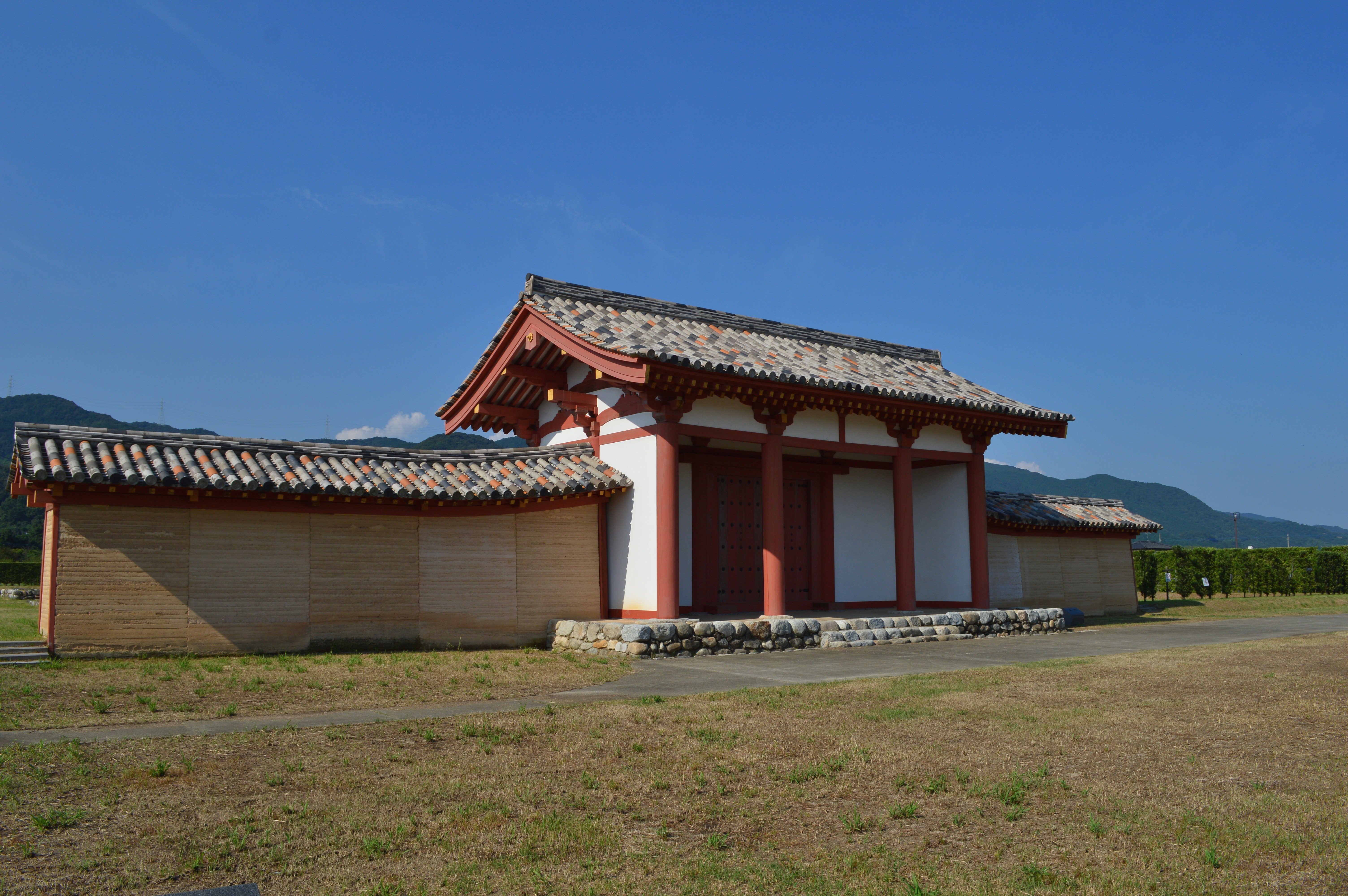
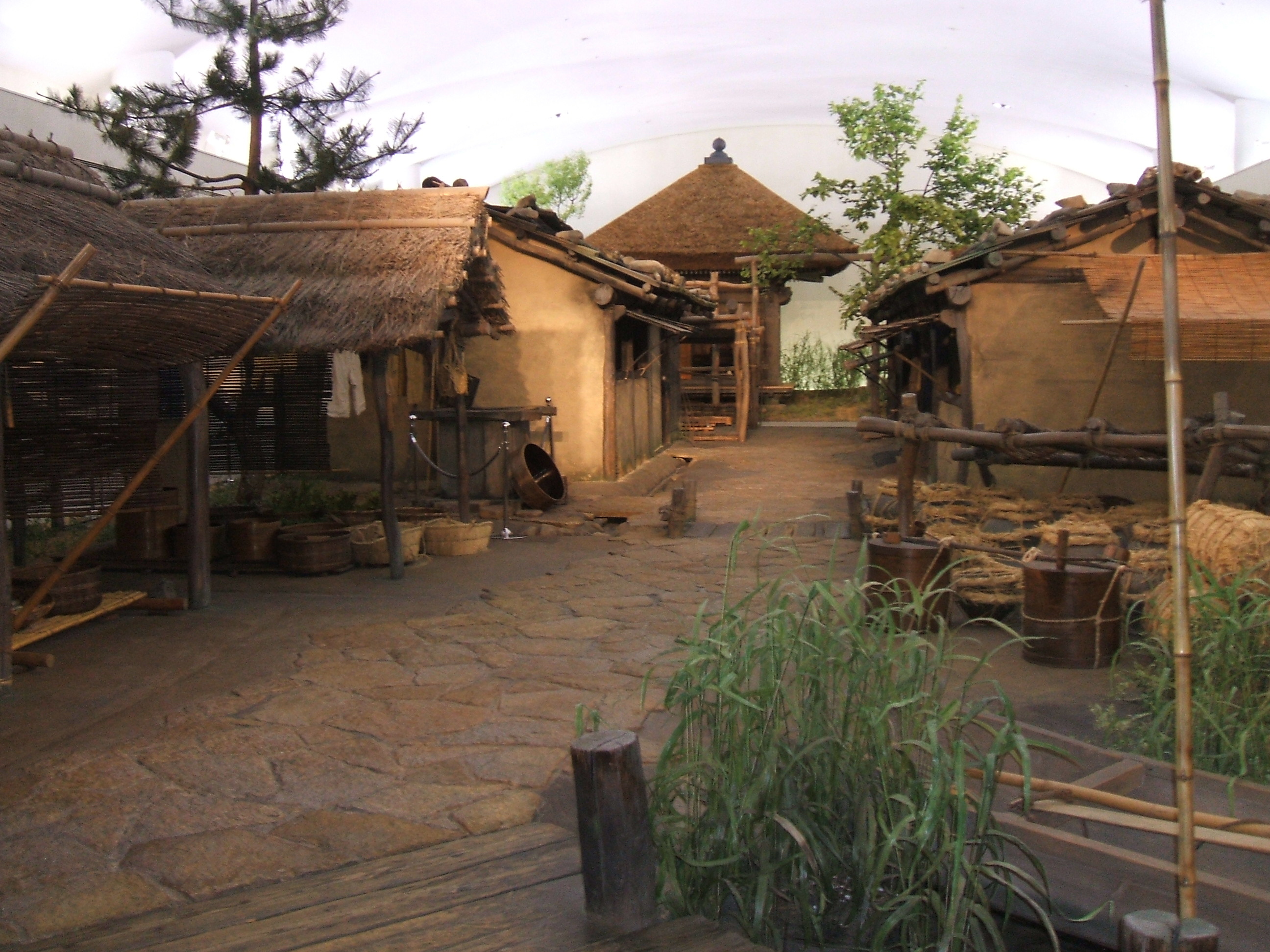
The Hizen Provincial Capital site in Saga, Japan, represents the archaeological remains of a Nara to early Heian period provincial capital. Established following the Taika Reform in 645 CE, the site reflects the centralized administrative model influenced by Chinese governance. The ruins include the foundations of administrative buildings, granaries for tax rice storage, and religious structures like provincial temples. The provincial office complex, with a layout resembling larger capitals like Fujiwara-kyō, features a central north-south axis with halls and a distinctive eight-legged south gate. Though many original structures are lost, excavations have uncovered significant artifacts, including sue and haji ware. This site offers insight into Japan's early centralized governance and the socio-political transformations leading to the Heian period's feudal systems.
Gallery
Explore photographs of ancient structures, artifacts, and archaeological excavations
Historical Timeline
Journey through time and discover key events in this site's history
Establishment of Provincial Capital
645 CE
8th Century Expansion
750 CE
Decline of Provincial System
900 CE
Archaeological Features
Unique architectural and cultural elements found at this historical site
Storage Structures
Public and Civic Structures
Religious and Ritual Structures
Domestic and Habitation Structures
Frequently Asked Questions
Plan Your Visit
Tours, travel arrangements, and practical information
More Sites in Japan
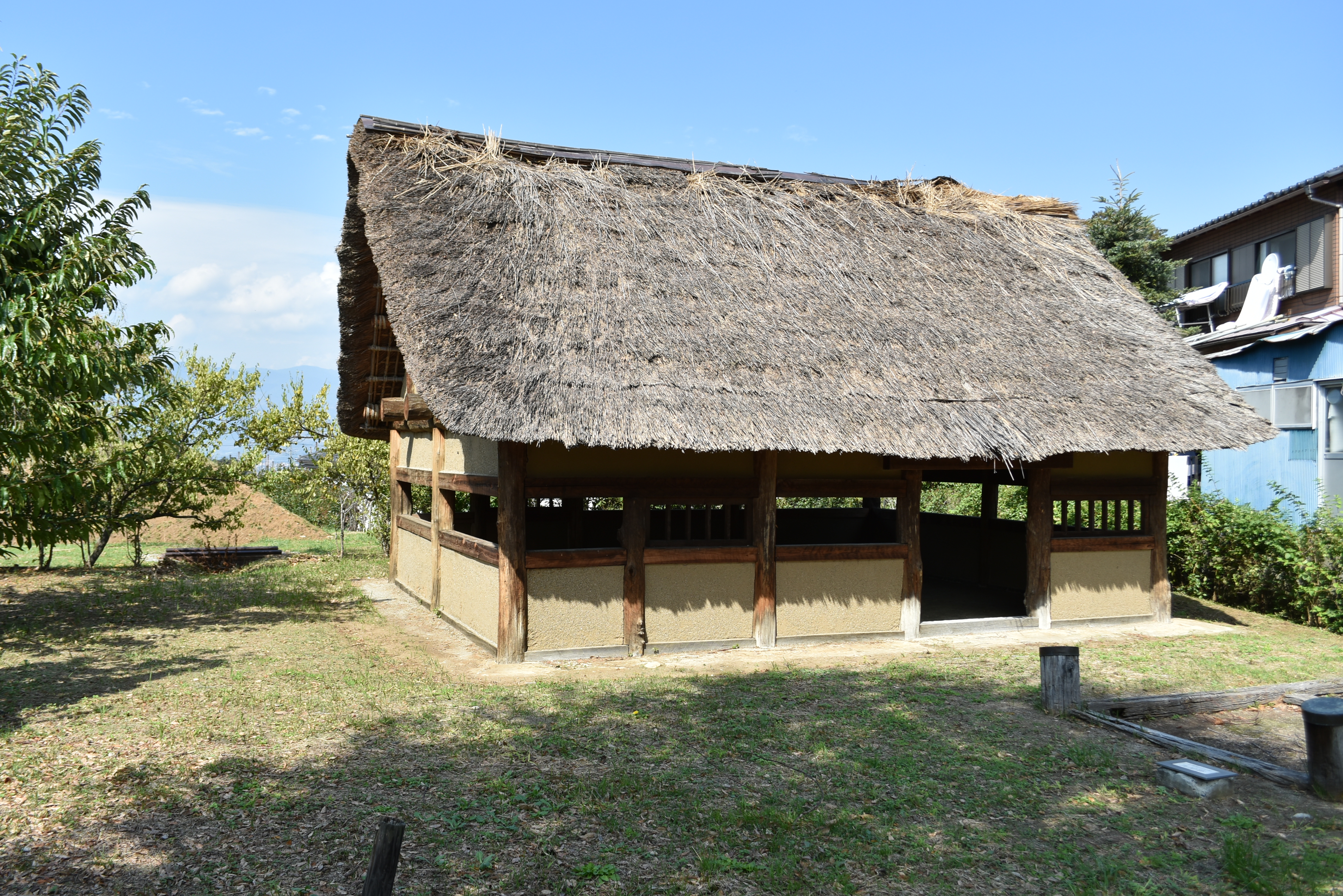
Katsunuma clan residence ruins
Sengoku period fortified residence ruins.
Furushida-Higashi ruins
Heian period fortified residence with moat.

Komaru Castle
Sengoku period castle with moats and ramparts.
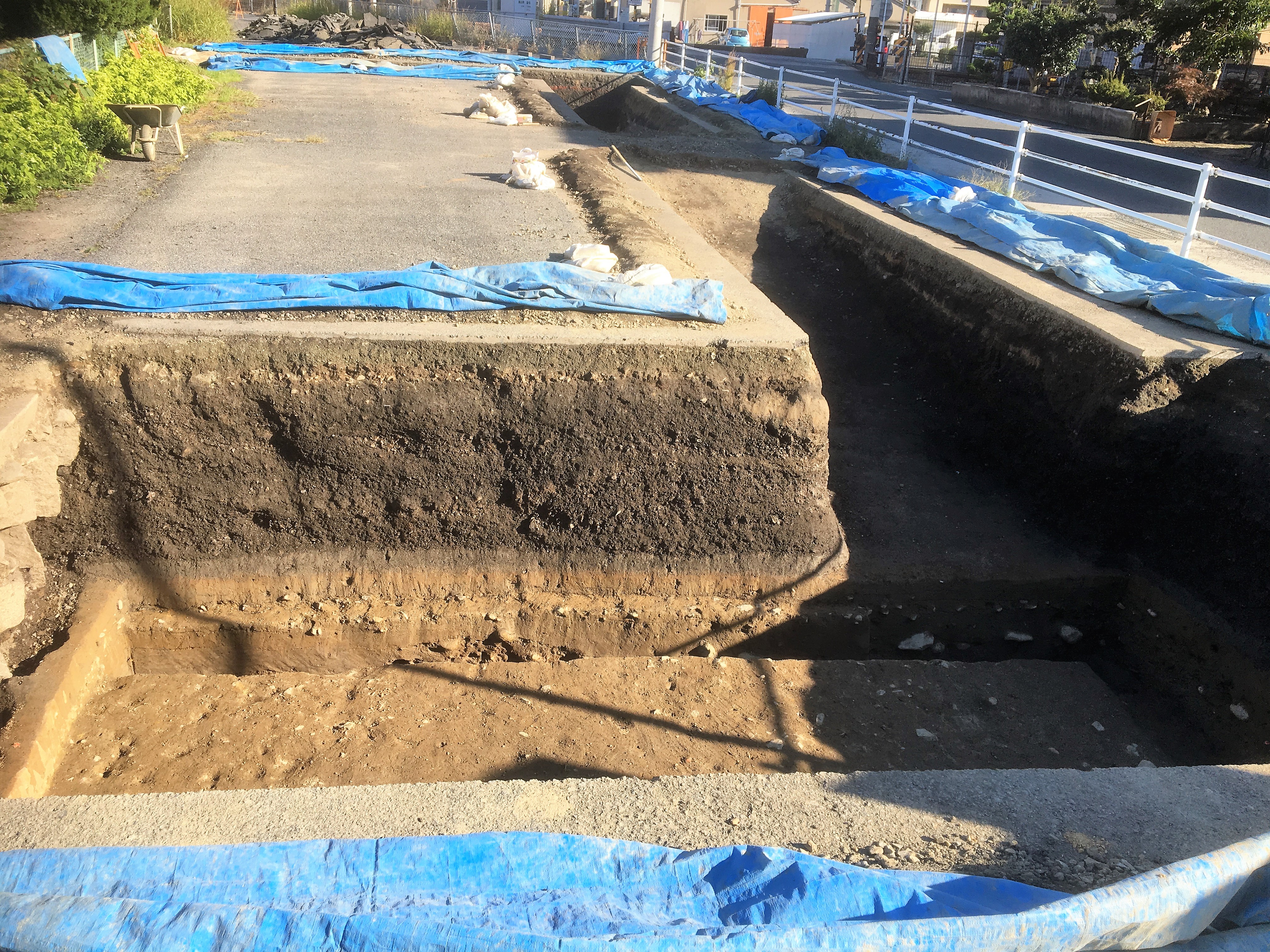
Bingo Provincial Capital
Ruins of ancient provincial capital structures
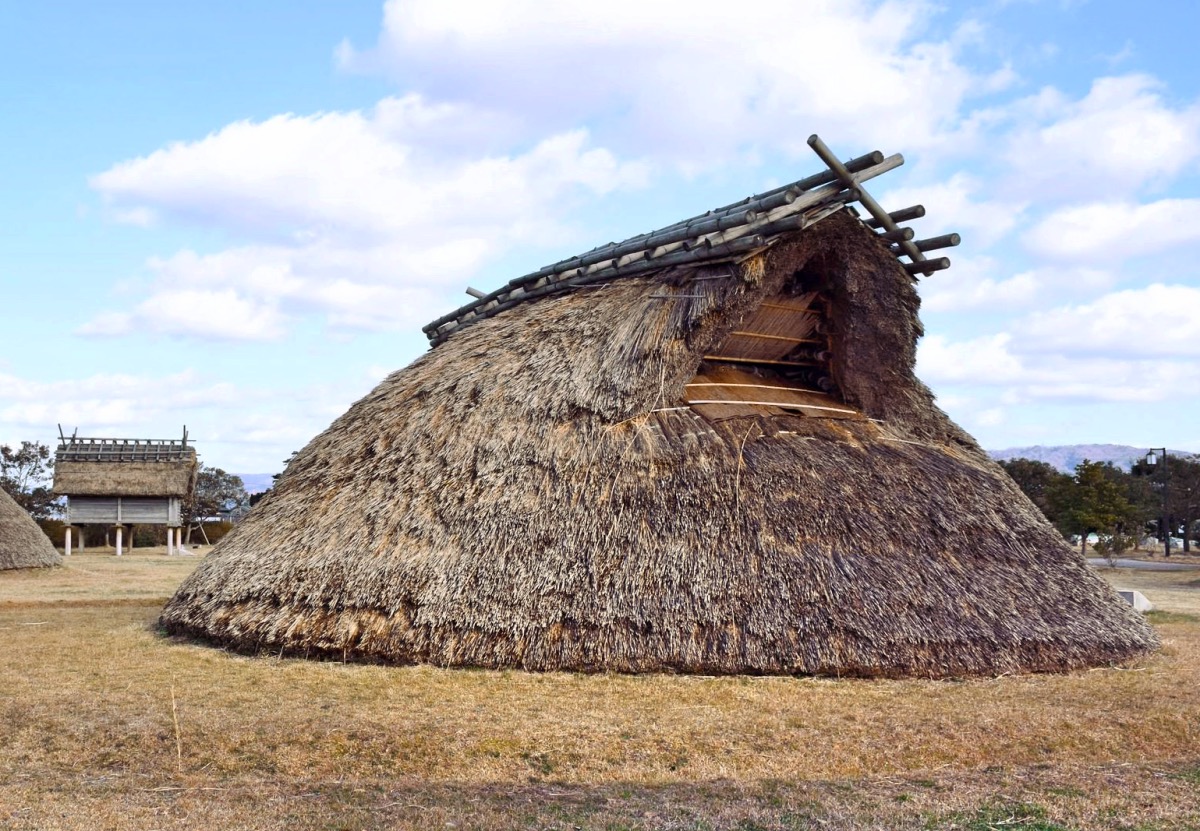
Yoshizaki-Suba Site
Yayoi period settlement remains, Ishikawa, Japan.
Kusado Sengen
Medieval port town near Ashida River