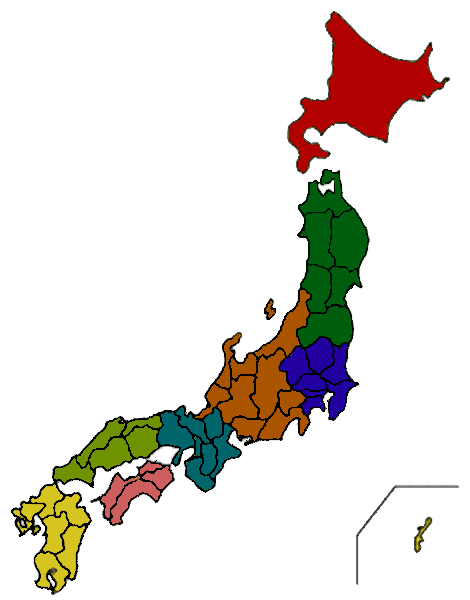
Explore the Map
Shinoridate
41.7658° N, 140.8223° E
About
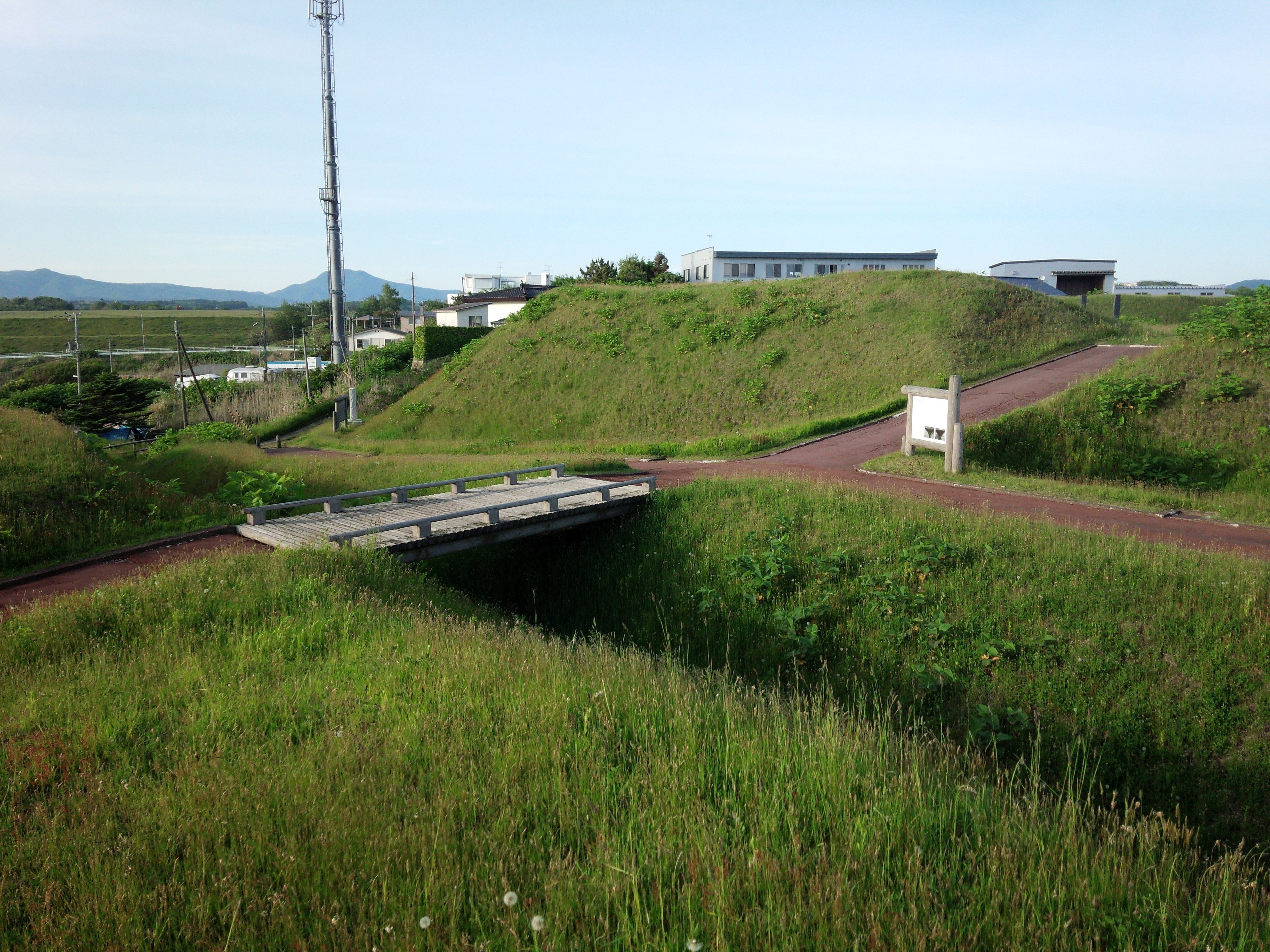
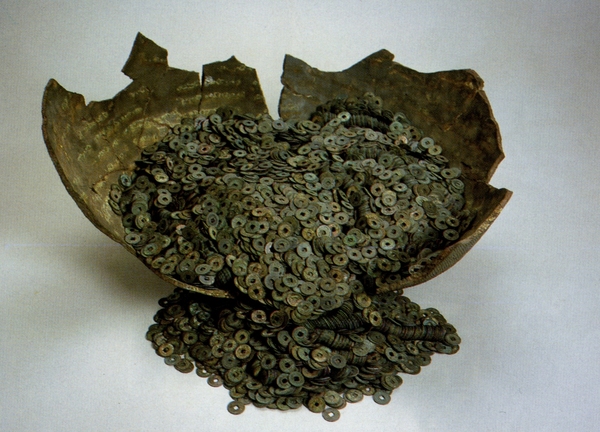
The Shinoridate site in Hakodate, Hokkaidō, Japan, is a historically significant fortified residence constructed by the Wajin at the end of the 14th century. It features prominent defensive structures, including substantial earthworks and a moat, which are indicative of its strategic importance on the Oshima Peninsula. The site was a victim of two notable Ainu attacks during the 15th and 16th centuries, reflecting the tumultuous interactions between different cultural groups in the region. Excavations revealed a range of artefacts, including various ceramics, and a significant coin hoard that underscores the area's historical trade connections. The Shinoridate site offers valuable insights into the cultural and historical dynamics of late medieval Japan.
Gallery
Explore photographs of ancient structures, artifacts, and archaeological excavations
Historical Timeline
Journey through time and discover key events in this site's history
Shinoridate Construction
late 14th century CE
Sacking by Ainu
1457 CE
Second Ainu Attack
1512 CE
Archaeological Features
Unique architectural and cultural elements found at this historical site
Defensive Structures
Miscellaneous Features
Water Management Features
Frequently Asked Questions
Plan Your Visit
Tours, travel arrangements, and practical information
More Sites in Japan
Binmanji Ishibotokedani Necropolis
Medieval Japanese necropolis with 1600 tombs.
Furushida-Higashi ruins
Heian period fortified residence with moat.
Mangyō Site
Late Yayoi–Early Kofun settlement, Nanao (Ishikawa), Japan
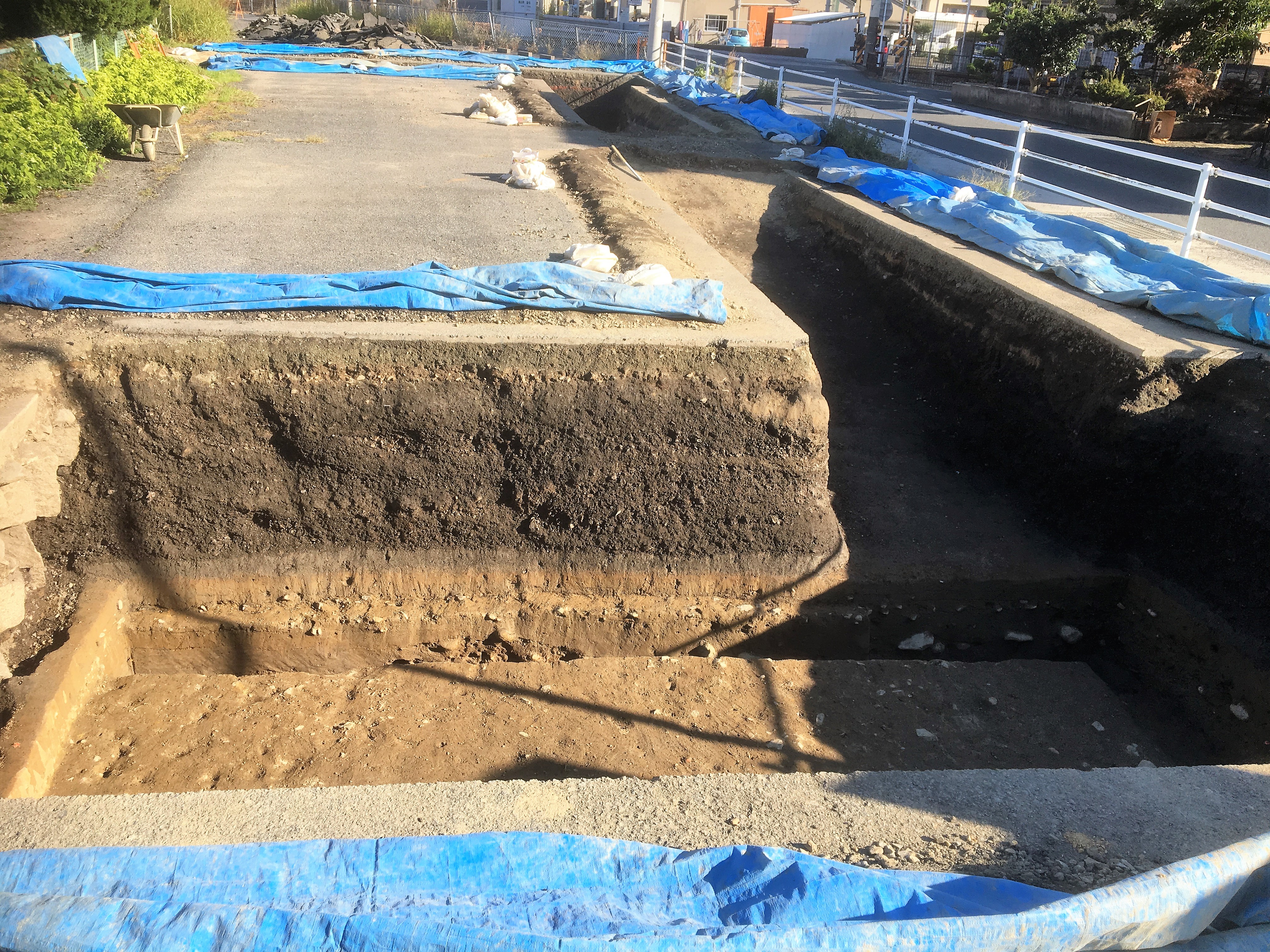
Bingo Provincial Capital
Ruins of ancient provincial capital structures
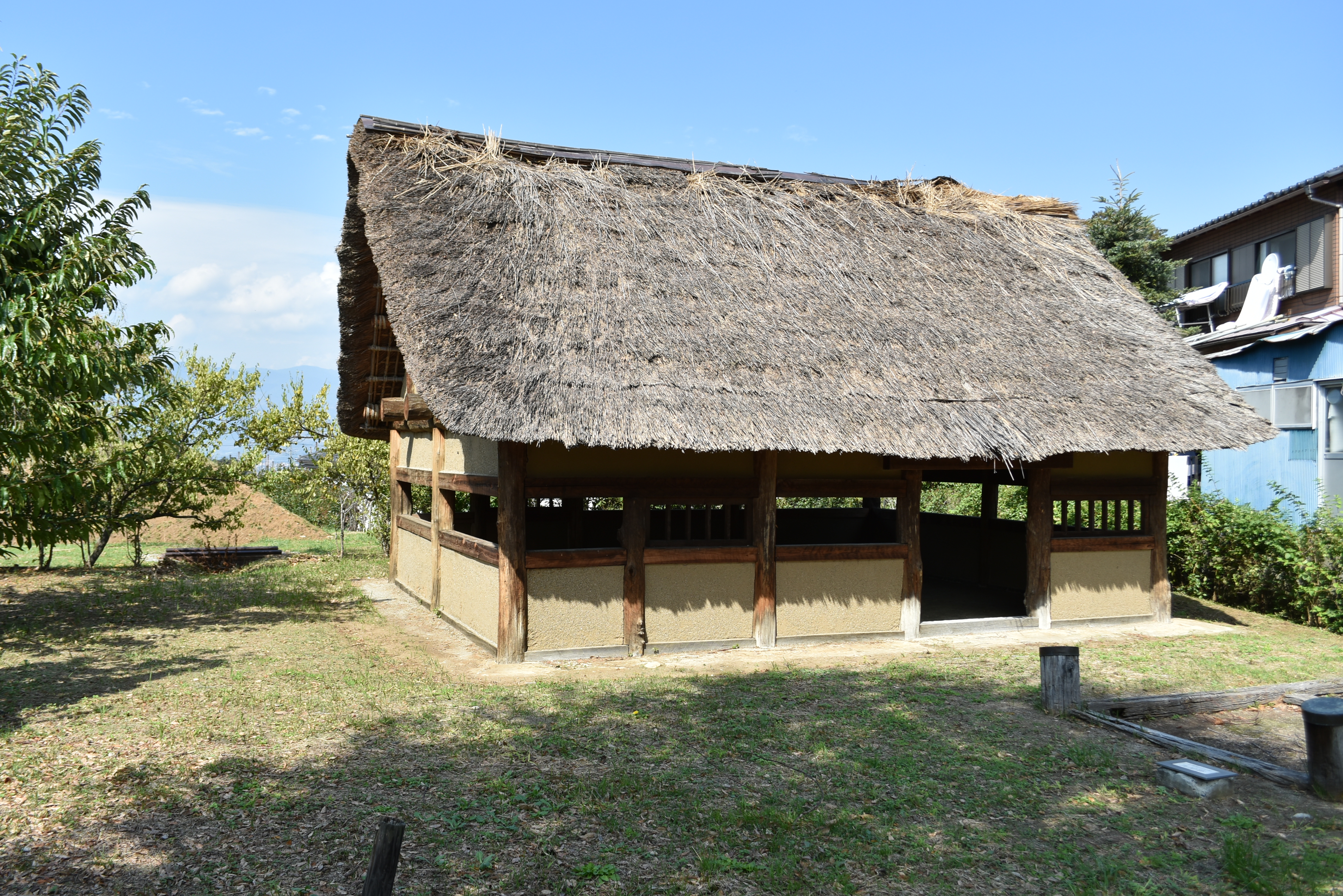
Katsunuma clan residence ruins
Sengoku period fortified residence ruins.
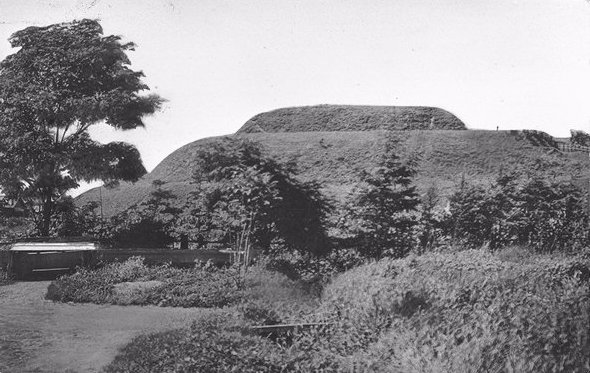
Moshiriya Chashi
Ainu fortified chashi on elevated site