Explore the Map
Shimozato-Aoyama Stele Production Site
36.0567° N, 139.2617° E
About
The Shimozato-Aoyama Stele Production Sites in Ogawa, Saitama, Japan, are important archaeological locations that reveal insights into the production of itabi, a form of stone pagoda. These sites, operative from the 13th to the 16th centuries, include remnants of stone quarrying and production facilities primarily using chlorite schist, known for its ease of processing. The itabi produced here served as religious monuments, often dedicated by samurai for commemorative or votive purposes. The discovery of unfinished itabi at the site suggests these locations functioned as both quarries and production workshops. The significance of this site lies in its contribution to understanding regional religious practices and stone craftsmanship during Japan's Late Post-Classical Period.
Historical Timeline
Journey through time and discover key events in this site's history
Oldest dated itabi
1227 CE
Heyday of itabi
14th century CE
Archaeological Features
Unique architectural and cultural elements found at this historical site
Industrial and Craft Structures
Religious and Ritual Structures
Frequently Asked Questions
Plan Your Visit
Tours, travel arrangements, and practical information
More Sites in Japan

Komaru Castle
Sengoku period castle with moats and ramparts.
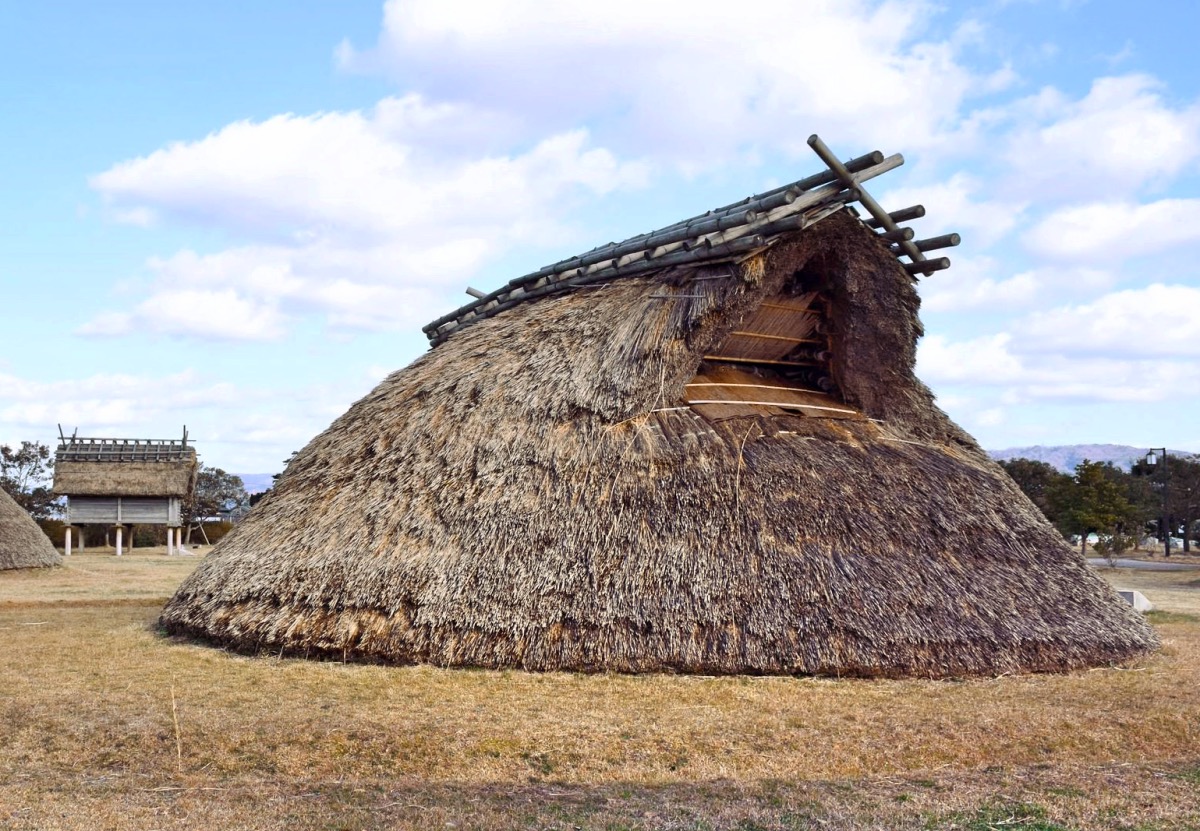
Yoshizaki-Suba Site
Yayoi period settlement remains, Ishikawa, Japan.
Furushida-Higashi ruins
Heian period fortified residence with moat.
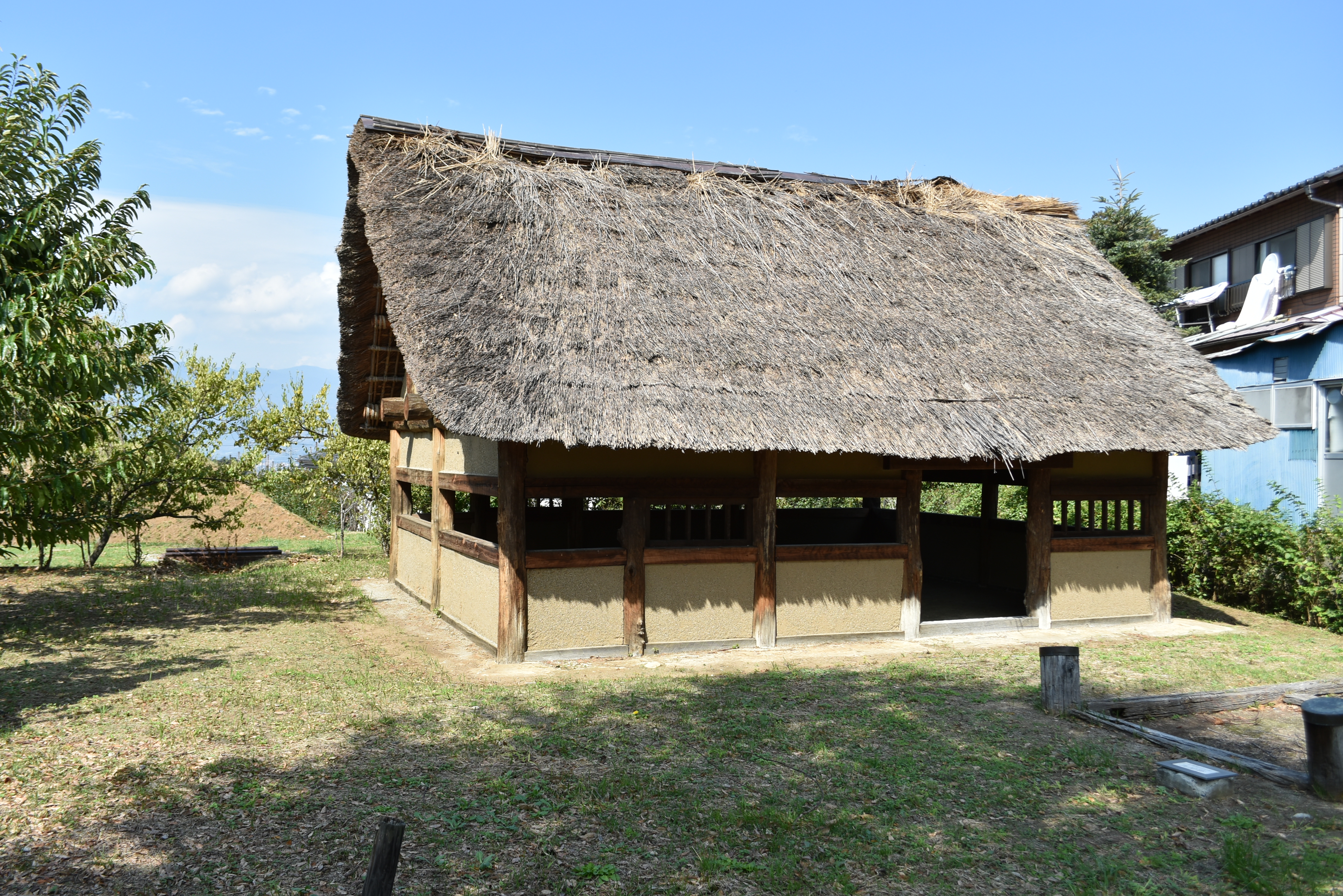
Katsunuma clan residence ruins
Sengoku period fortified residence ruins.
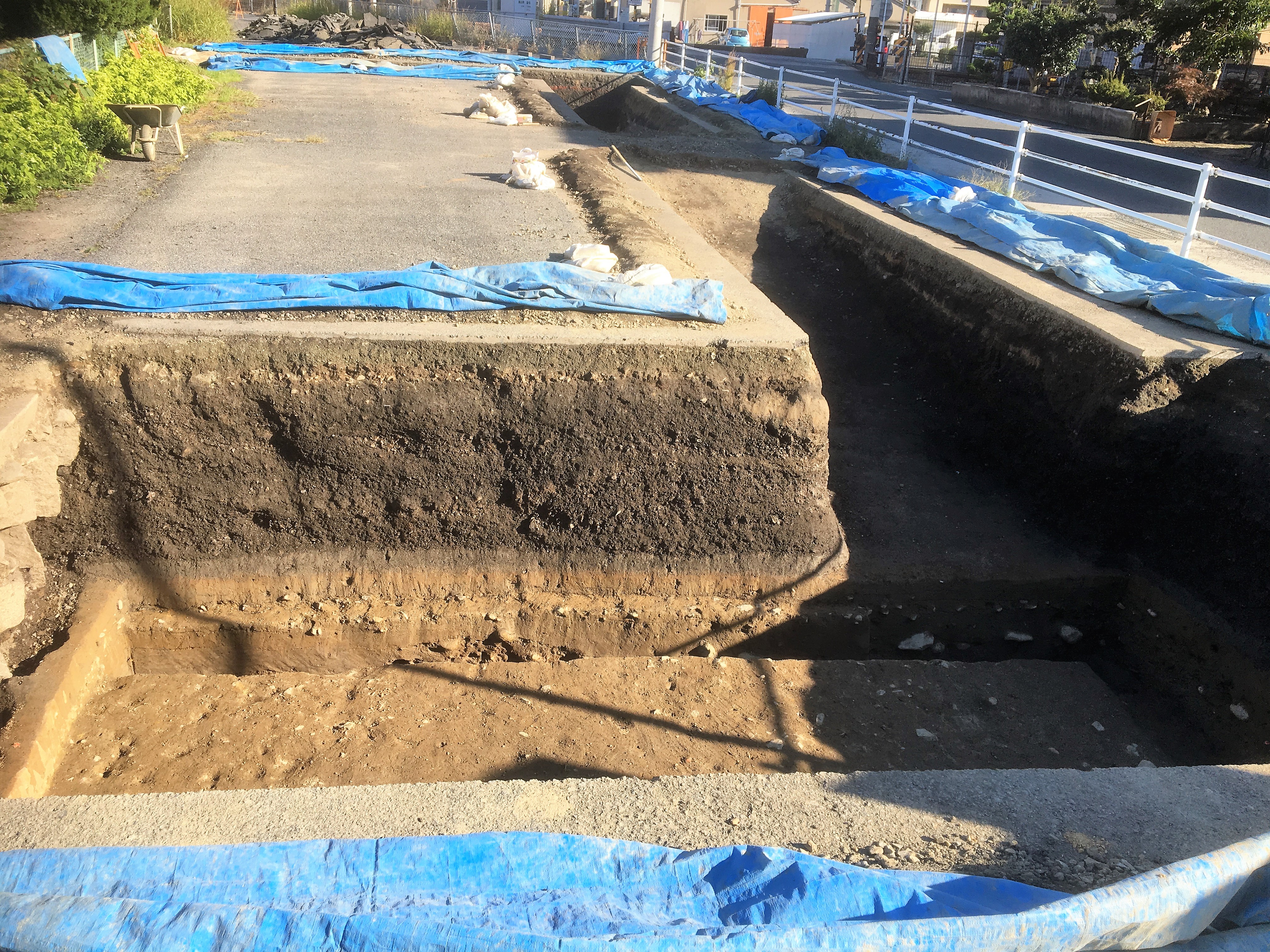
Bingo Provincial Capital
Ruins of ancient provincial capital structures
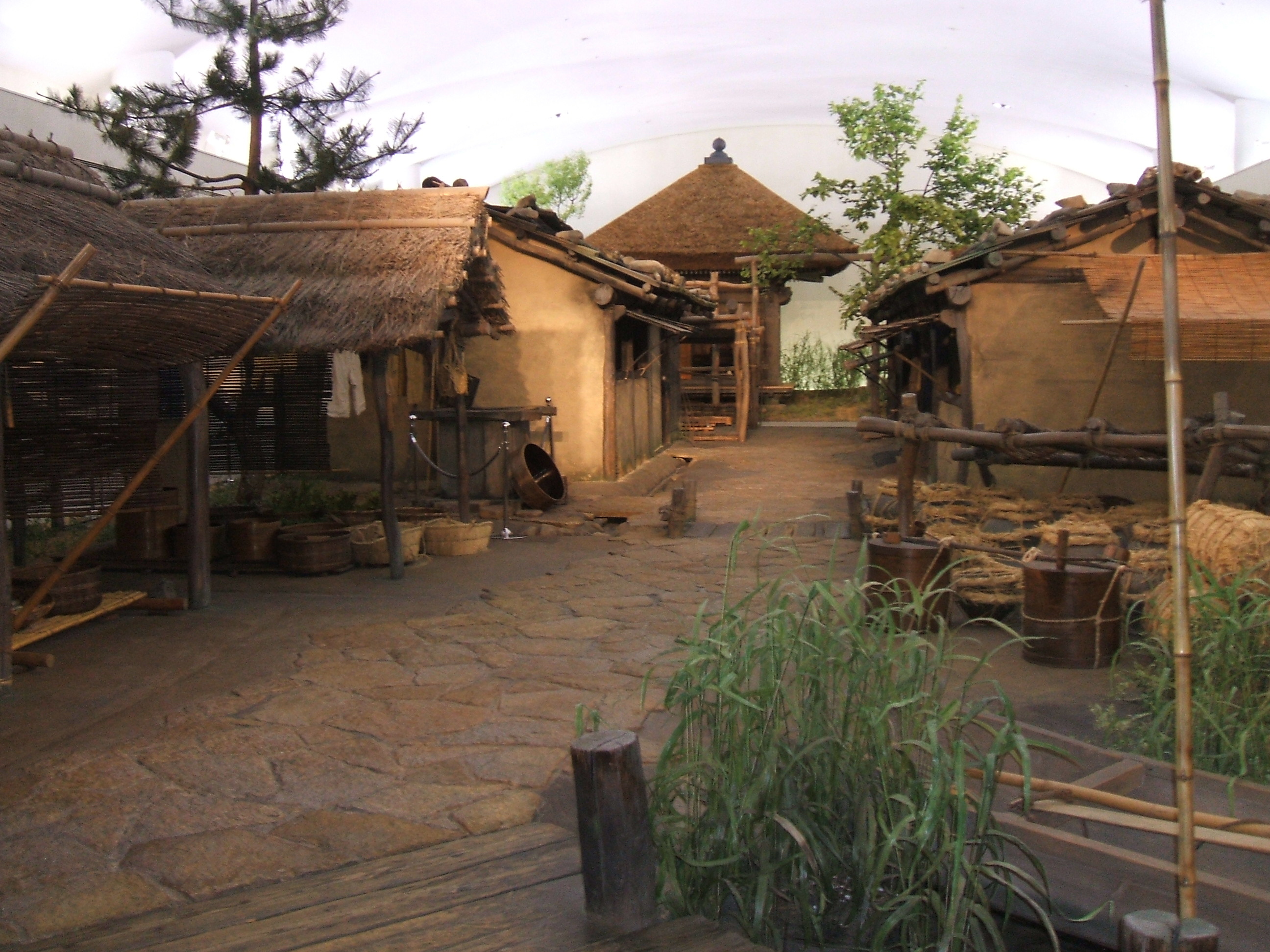
Kusado Sengen
Medieval port town near Ashida River