
Explore the Map
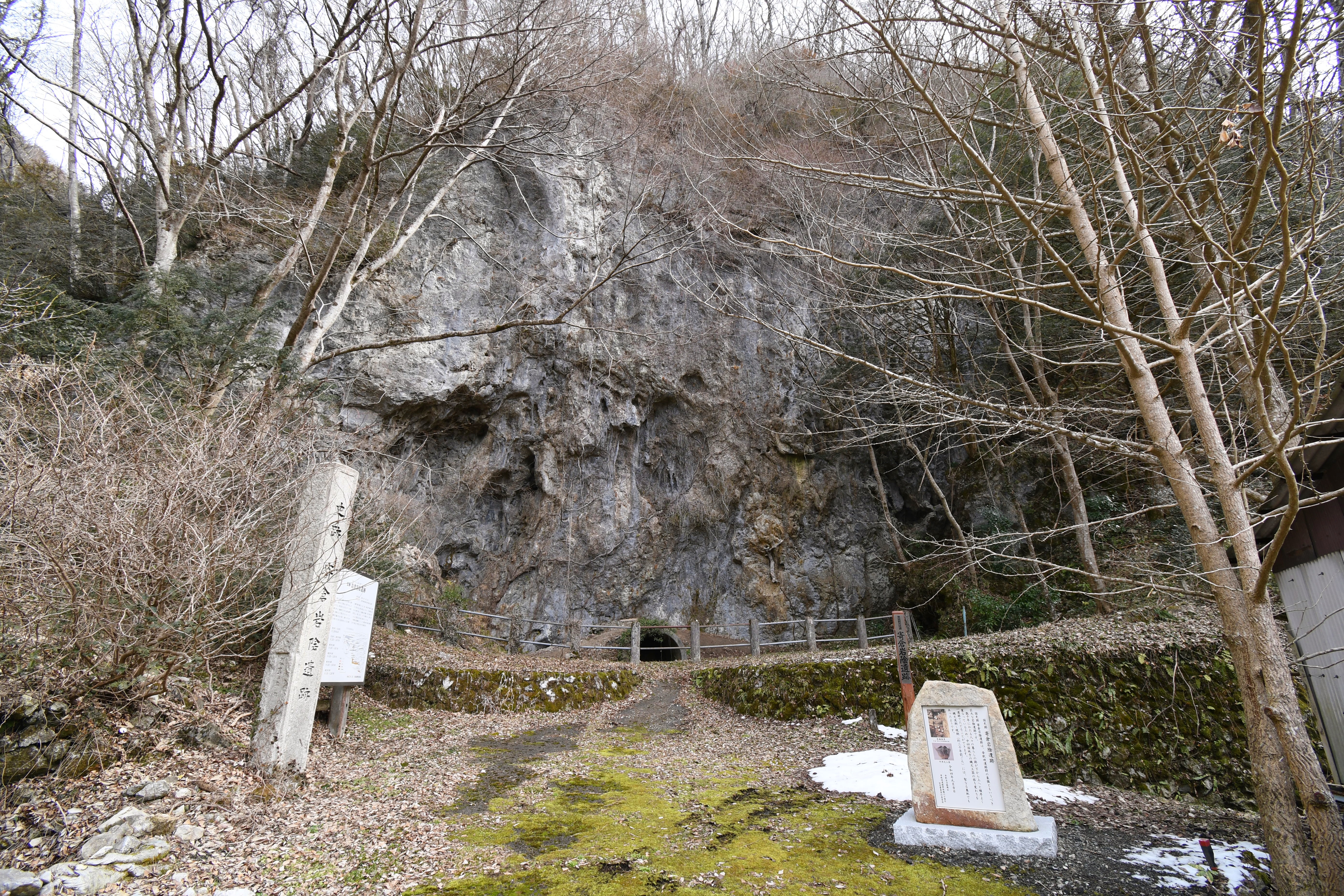
Yosekuraiwakage Site
34.8700° N, 133.2050° E
About
The Yosekuraiwakage site in Shōbara, Hiroshima, is a significant archaeological rock shelter from the Jōmon period, recognized as a National Historic Site of Japan. Located at the foot of a limestone mountain in the Taishakukyo Gorge, the site features a large rock shelter over 30 meters long and 15 meters wide. It is notable for its thick cultural layers from the Jōmon period, with well-ordered stratigraphy that has provided vital insights into Jōmon pottery chronology in the Chugoku and Shikoku regions. Artifacts range from the Jōmon to Kamakura periods, including Jōmon pottery and stone tools. The discovery of a communal burial ground with over 50 human bones suggests the site's role as a secondary burial site. This preservation area offers a glimpse into prehistoric life and rituals.
Gallery
Explore photographs of ancient structures, artifacts, and archaeological excavations
Historical Timeline
Journey through time and discover key events in this site's history
Early Jōmon habitation
1000 BCE
Late Jōmon burial
300 BCE
Archaeological Features
Unique architectural and cultural elements found at this historical site
Burial and Funerary Structures
Domestic and Habitation Structures
Environmental and Natural Features
Frequently Asked Questions
Plan Your Visit
Tours, travel arrangements, and practical information
More Sites in Japan
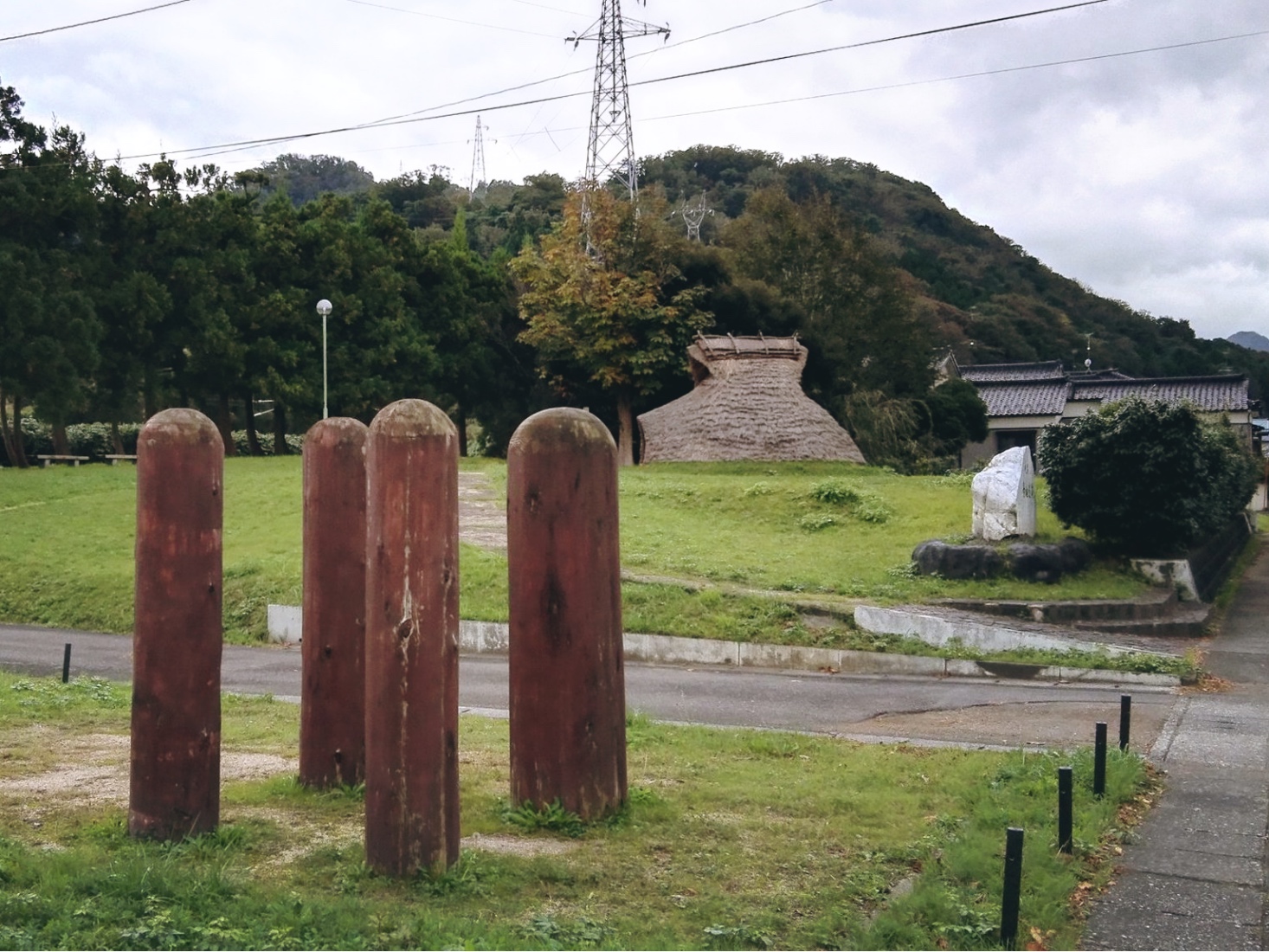
Terachi Site
Middle to late Jōmon period settlement
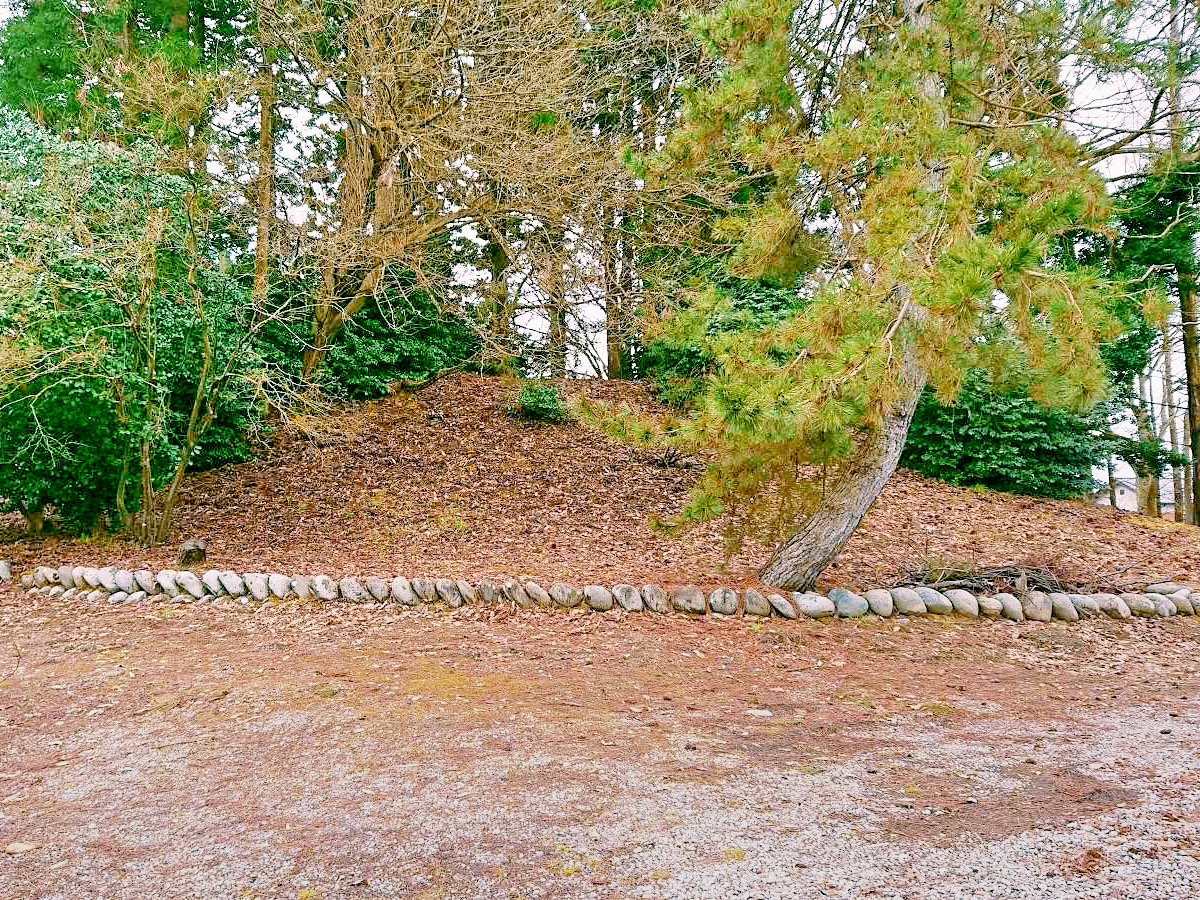
Kushidashin Site
Late Jōmon settlement with Kofun burial mounds.
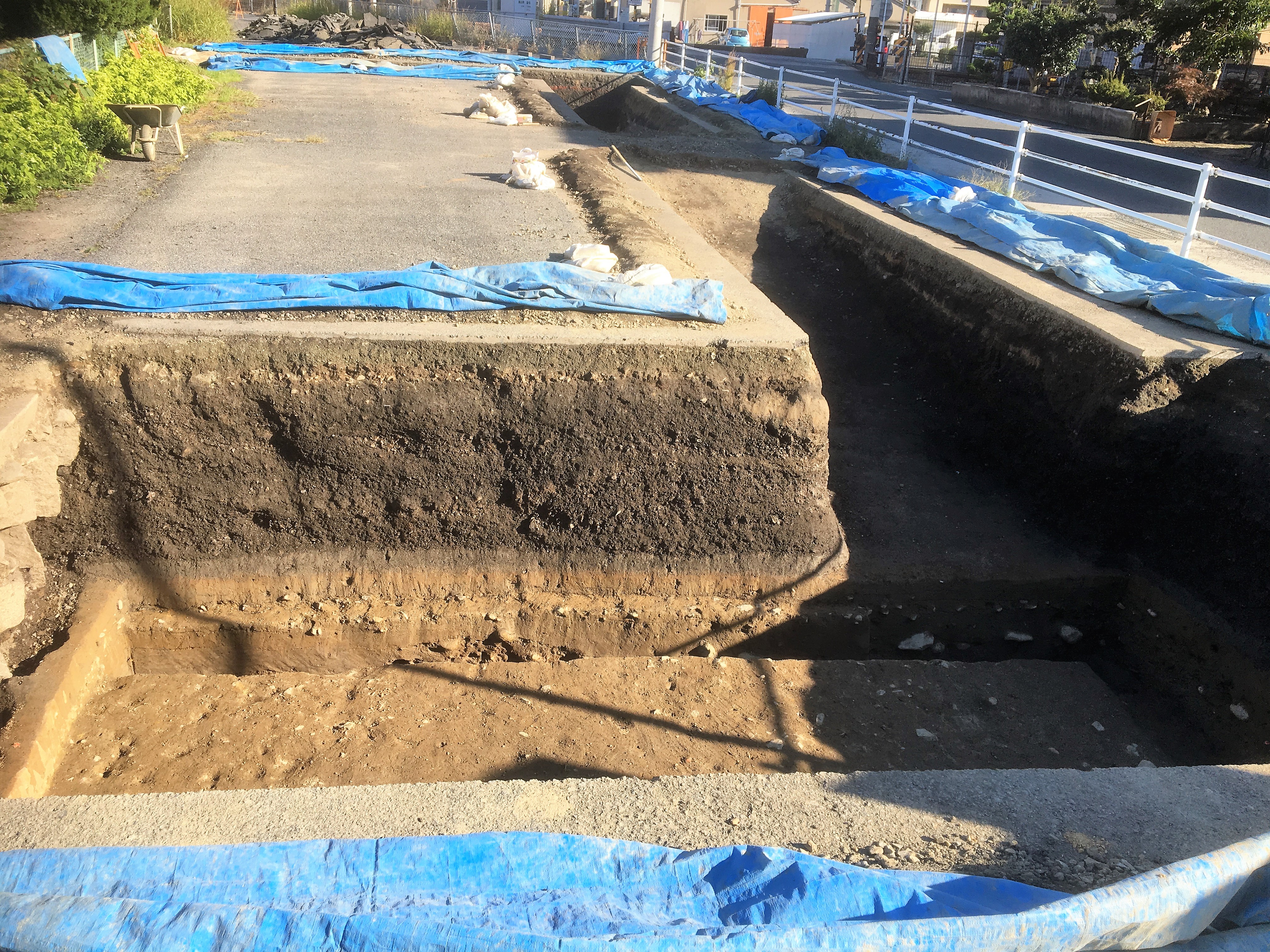
Bingo Provincial Capital
Ruins of ancient provincial capital structures
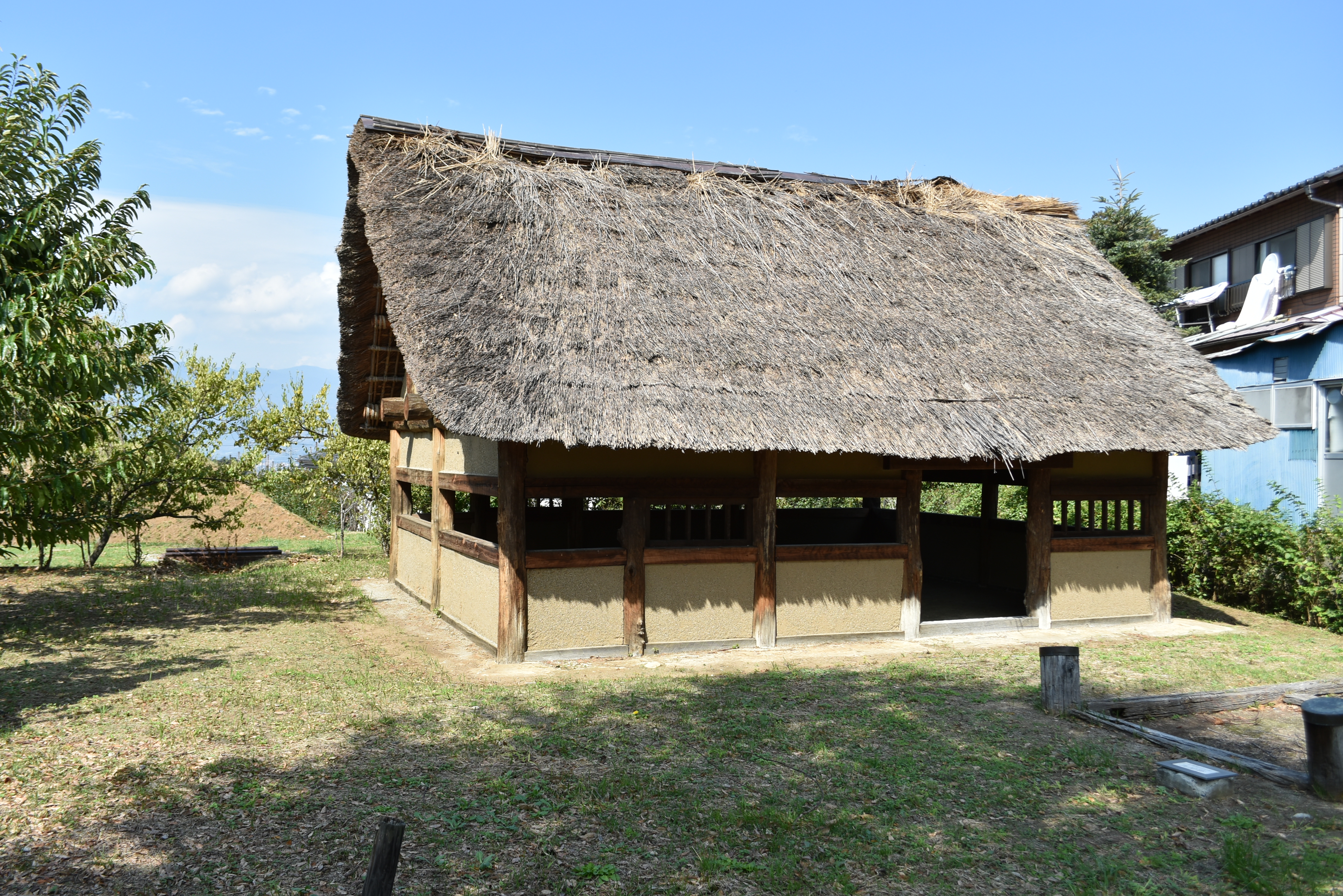
Katsunuma clan residence ruins
Sengoku period fortified residence ruins.
Mangyō Site
Late Yayoi–Early Kofun settlement, Nanao (Ishikawa), Japan

Komaru Castle
Sengoku period castle with moats and ramparts.