
Explore the Map
Sannai-Maruyama Site
40.8103° N, 140.6975° E
About
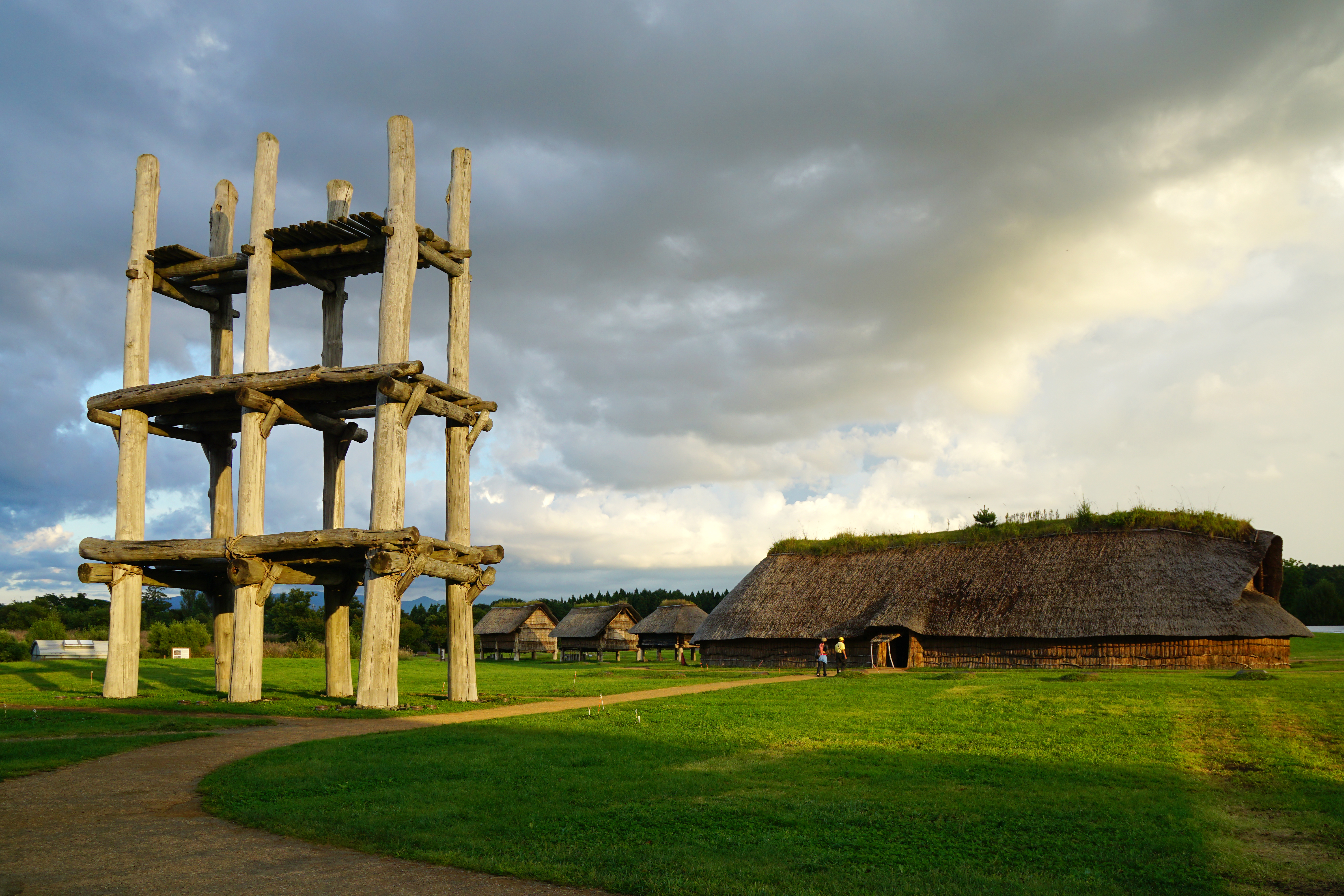
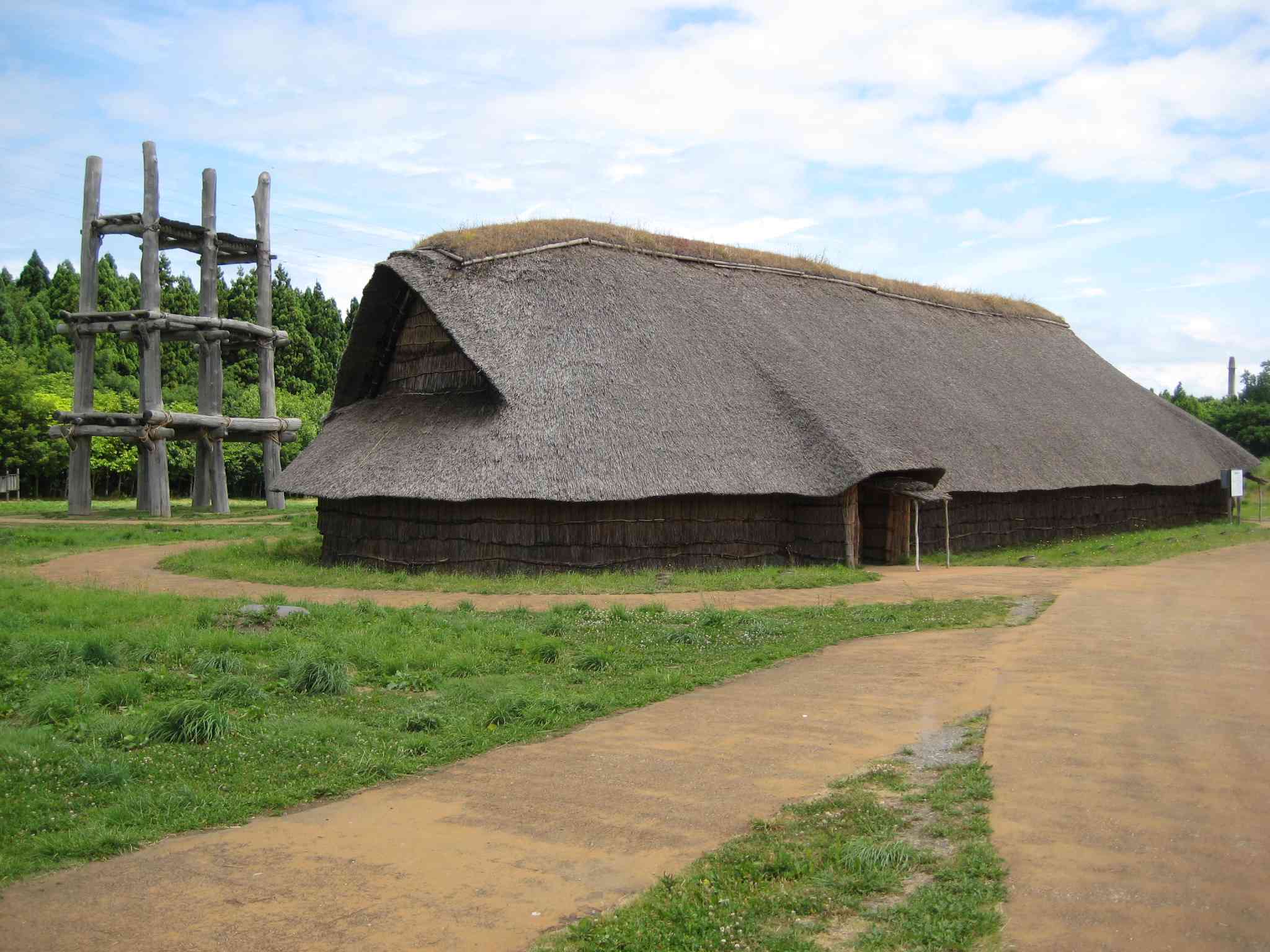
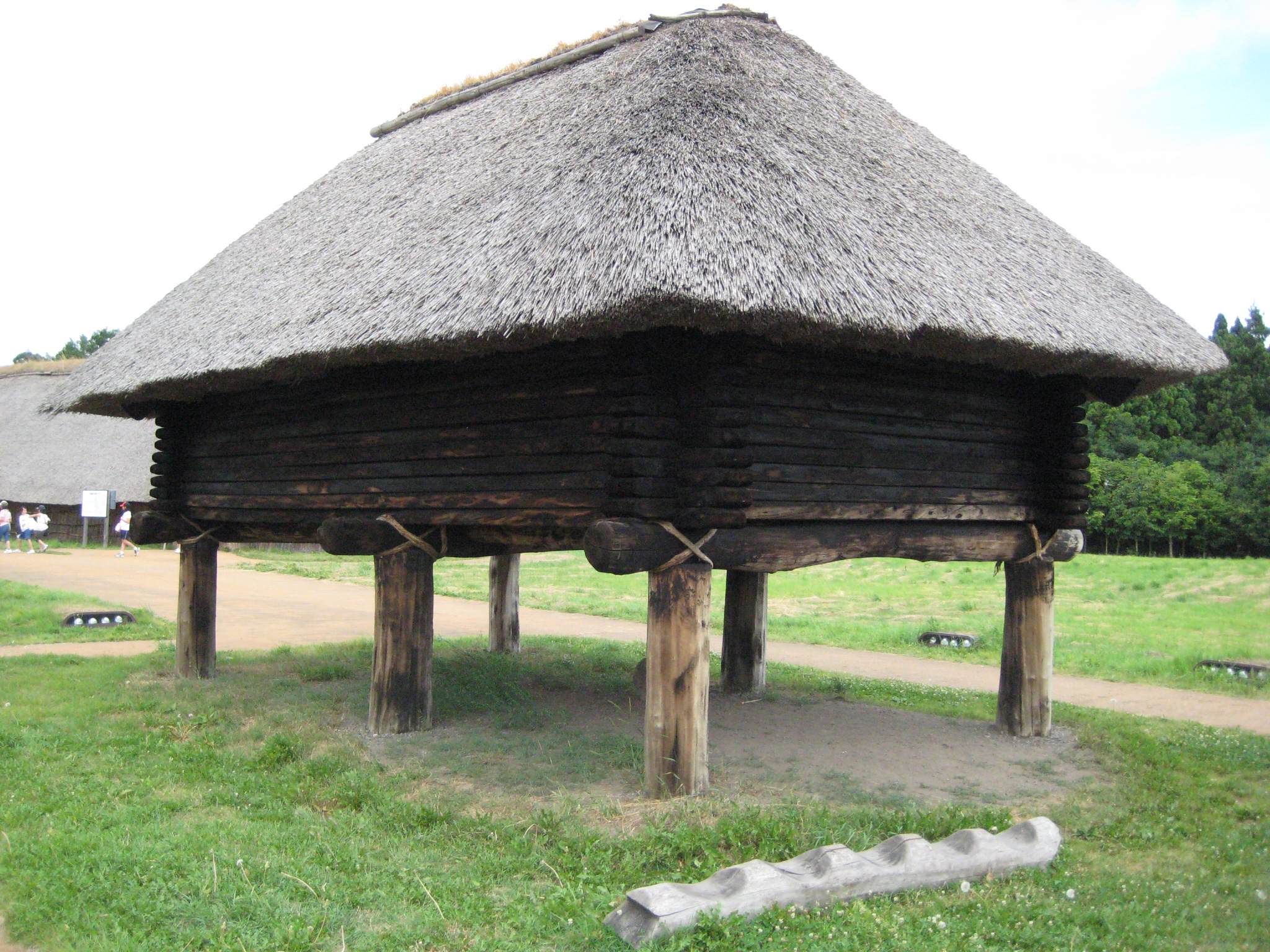
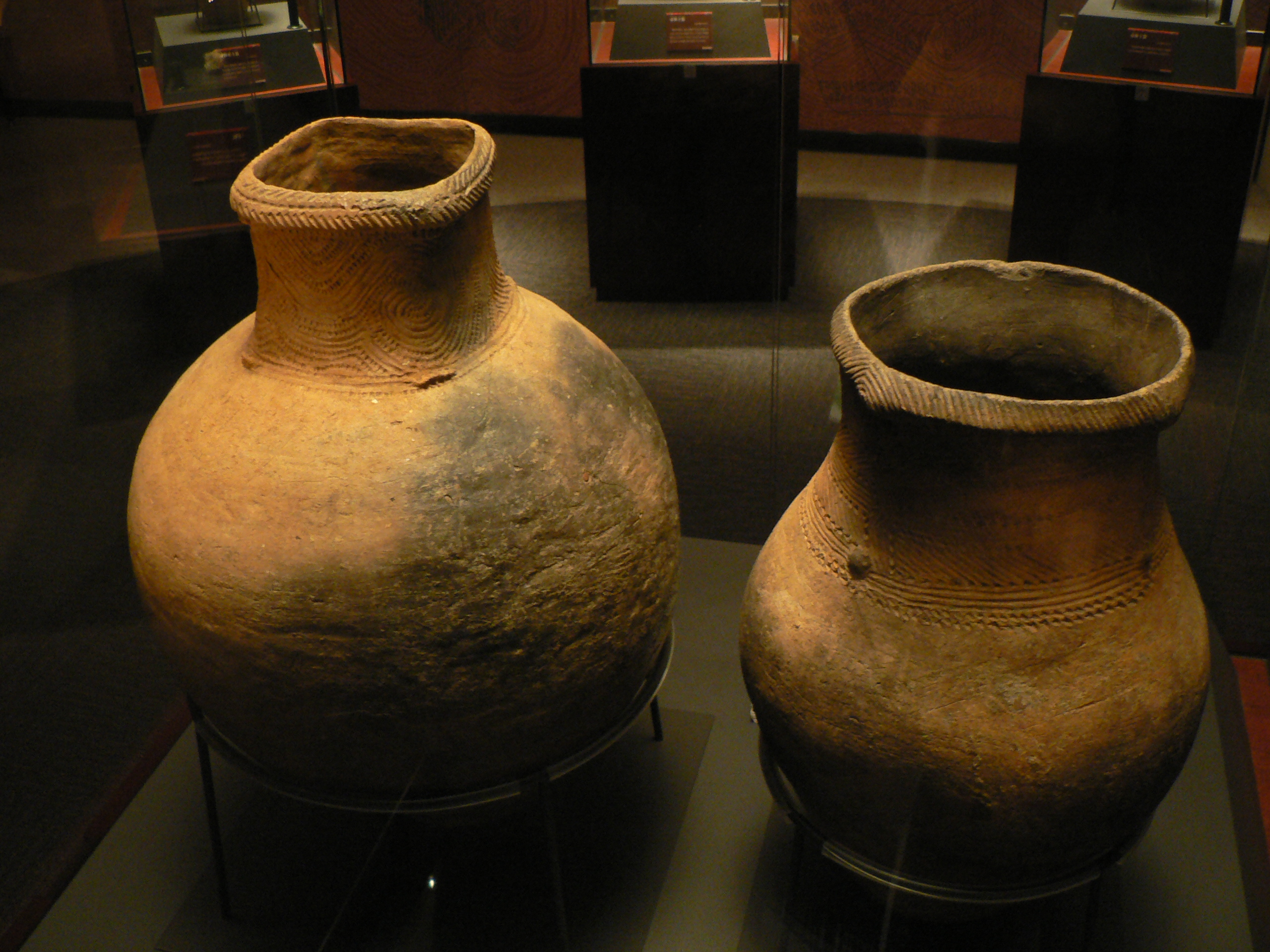
The Sannai-Maruyama Site, located in northern Japan, is a significant archaeological site representing a large Jōmon period settlement. First occupied around 3900 BCE, the site showcases the transition from a semi-nomadic to a more sedentary lifestyle, with the construction of pit houses and elevated storage structures. Notable features include over 500 pit dwellings, longhouses, and a remarkable six-pillared structure, believed to have served a monumental or communal purpose. The site reveals intricate social structures through its burial practices, including jar-burials for infants and stone circle-enclosed elite graves. Artifacts such as earthenware, jade, amber, and obsidian hint at extensive trade networks. Abandoned around 2300 BCE, the site offers insights into prehistoric life and environmental adaptation in the Jōmon period, making it a vital cultural and historical asset.
Gallery
Explore photographs of ancient structures, artifacts, and archaeological excavations
Historical Timeline
Journey through time and discover key events in this site's history
Settlement begins
3900 BCE
Transition to sedentism
2900 BCE
Construction of six-pillared building
2600 BCE
Site abandonment
2300 BCE
Archaeological Features
Unique architectural and cultural elements found at this historical site
Burial and Funerary Structures
Religious and Ritual Structures
Domestic and Habitation Structures
Environmental and Natural Features
Frequently Asked Questions
Plan Your Visit
Tours, travel arrangements, and practical information
More Sites in Japan
Uenohara site
Early Jōmon period settlement in Japan.
Tenpaku Site
Jōmon necropolis and ritual site in Japan
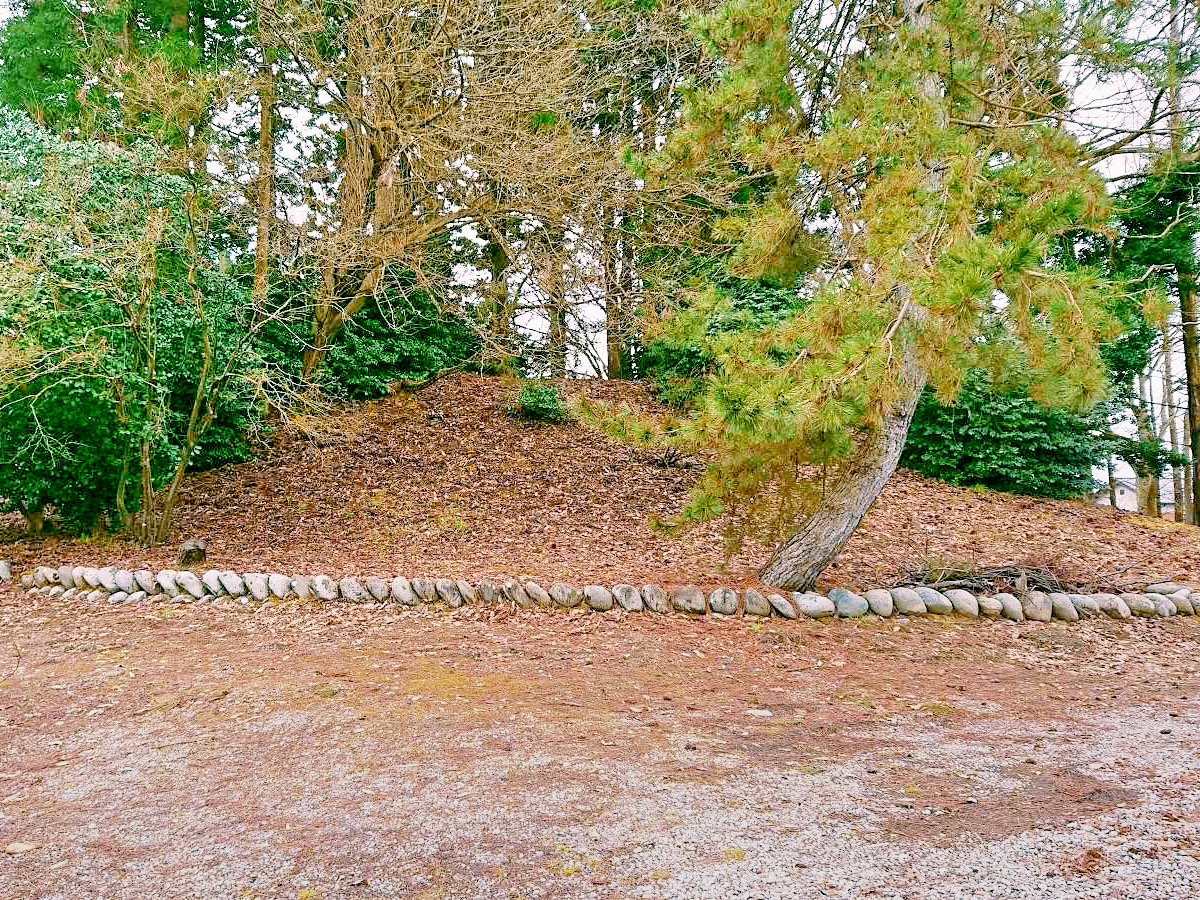
Kushidashin Site
Late Jōmon settlement with Kofun burial mounds.
Mangyō Site
Late Yayoi–Early Kofun settlement, Nanao (Ishikawa), Japan
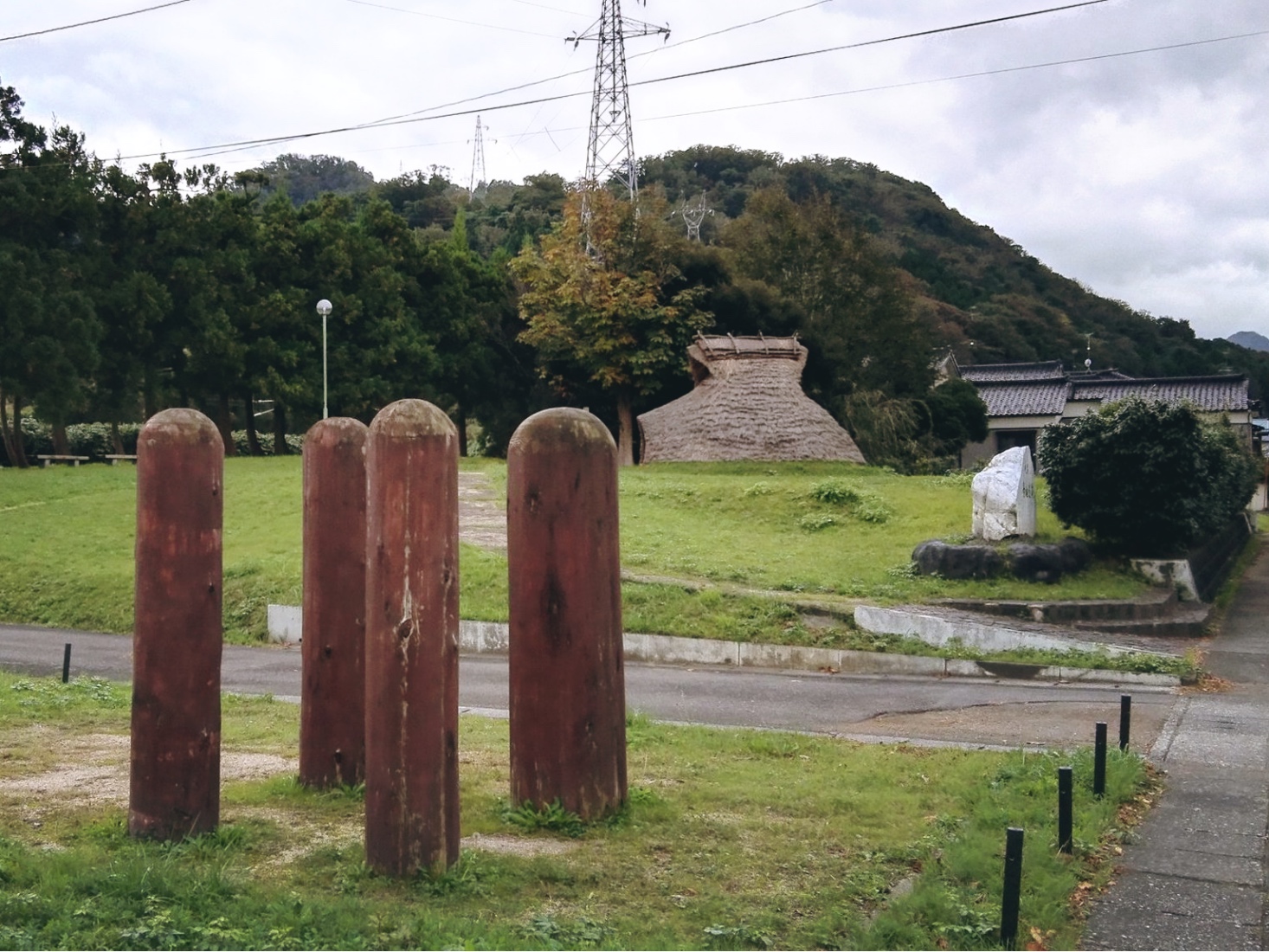
Terachi Site
Middle to late Jōmon period settlement
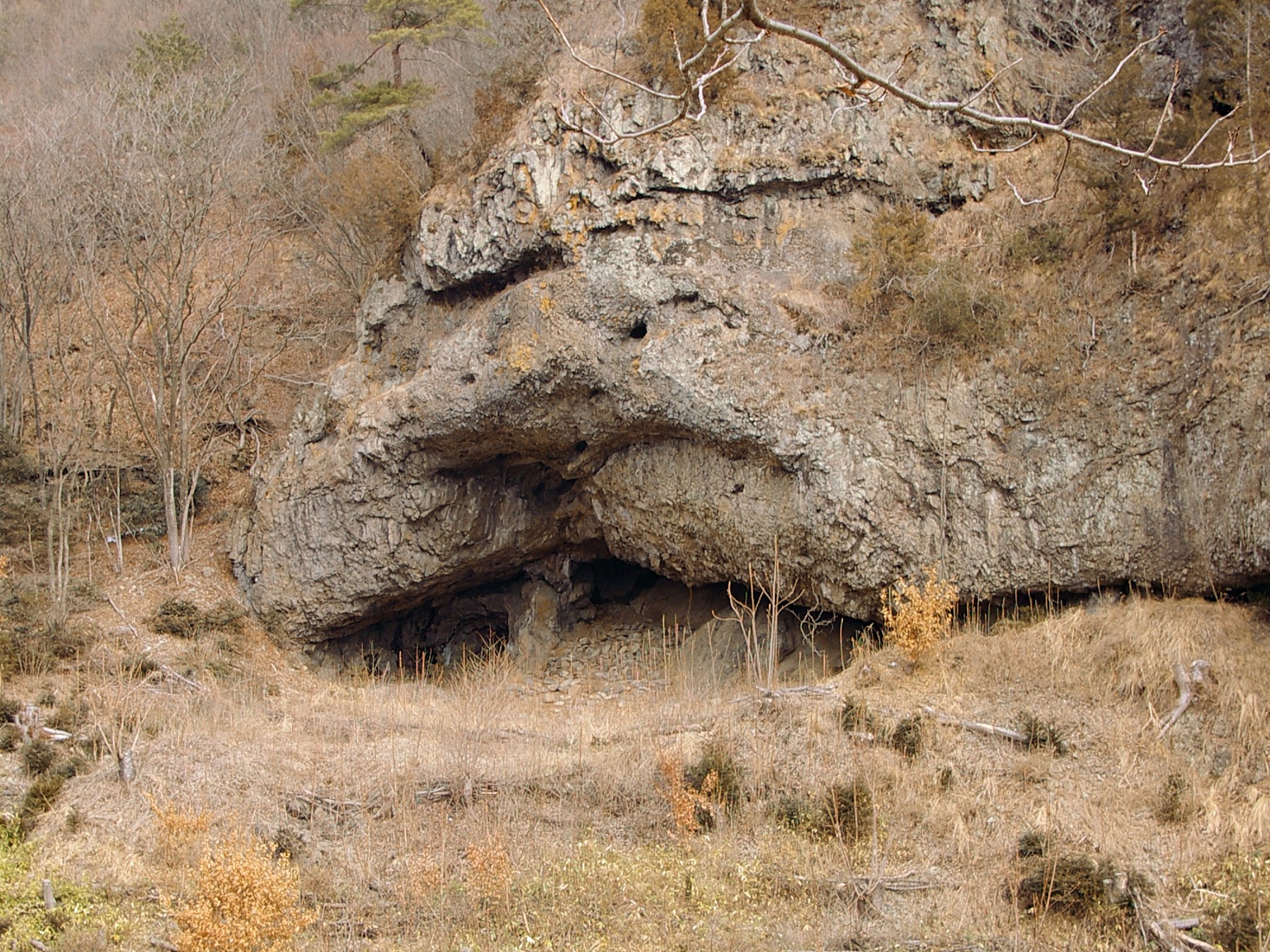
Tobayama Cave
Cave dwelling and tomb with grave goods