Explore the Map
Shimofuda Site
35.6442° N, 139.5489° E
About
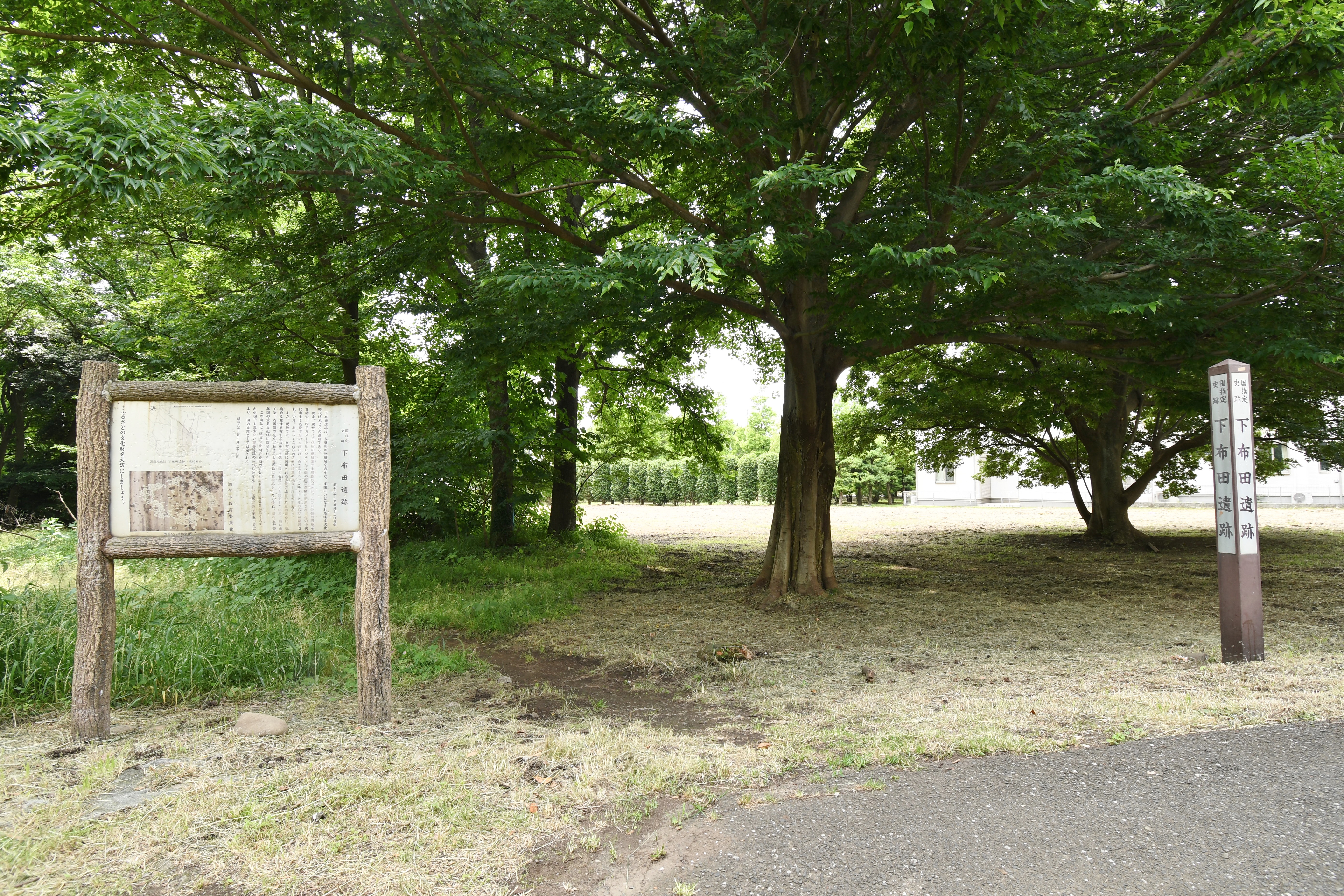
The Shimofuda site, located in the Fudai neighborhood of Chōfu, Tokyo, is an important archaeological site from the late Jōmon period. Situated on a river terrace of the Tama River, this site provides valuable insights into the lifestyle and cultural practices of its ancient inhabitants. Excavations have uncovered a pentagonal pit with phallic-looking stone rods, suggesting ritual activities, and a grave area marked by 600 river stones forming a square, beneath which jar coffin burials were found. Additionally, a variety of Jōmon pottery, stone tools, clay figurines, and other artifacts indicate both local craftsmanship and long-distance trade. This site, designated as a National Historic Site of Japan, remains a significant source for understanding the Jōmon period's societal and cultural dynamics.
Gallery
Explore photographs of ancient structures, artifacts, and archaeological excavations
Historical Timeline
Journey through time and discover key events in this site's history
Ritual Site Use
1000 BCE
Jar Coffin Burials
1000 BCE
Late Jōmon Settlement
1000 BCE
Archaeological Features
Unique architectural and cultural elements found at this historical site
Burial and Funerary Structures
Religious and Ritual Structures
Artistic and Decorative Features
Domestic and Habitation Structures
Frequently Asked Questions
Plan Your Visit
Tours, travel arrangements, and practical information
More Sites in Japan
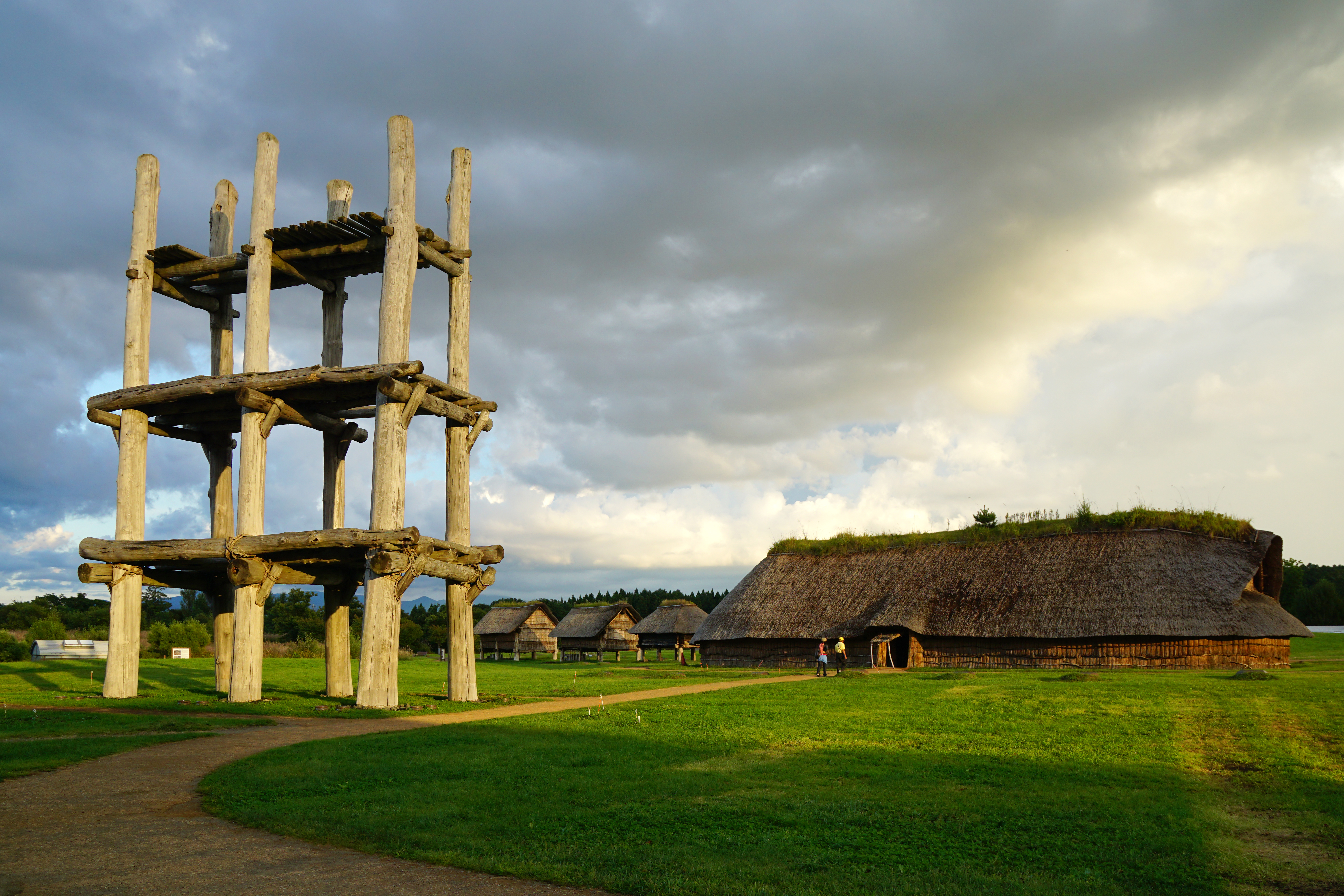
Sannai-Maruyama Site
Large Jōmon period settlement ruins
Tenpaku Site
Jōmon necropolis and ritual site in Japan
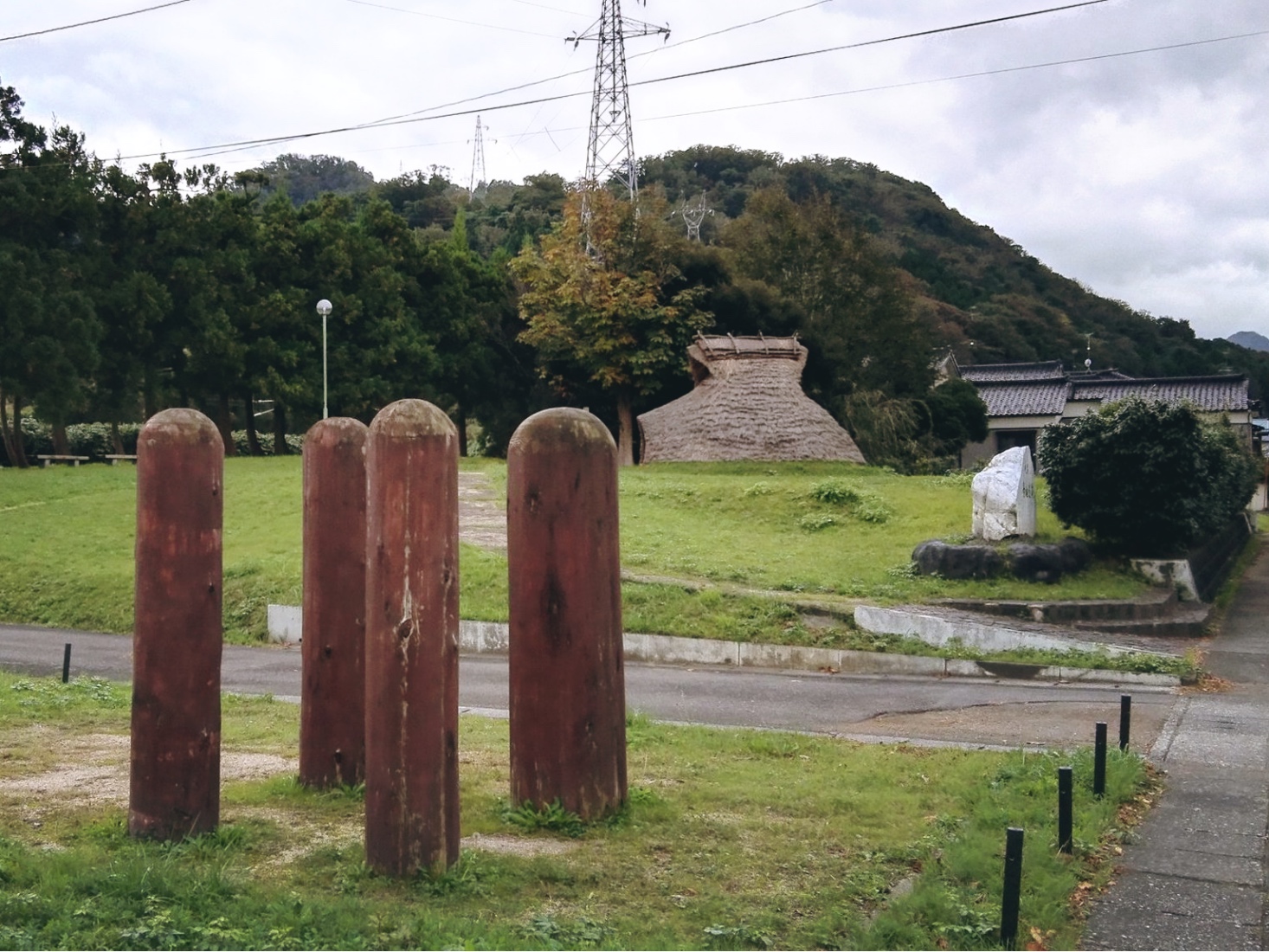
Terachi Site
Middle to late Jōmon period settlement
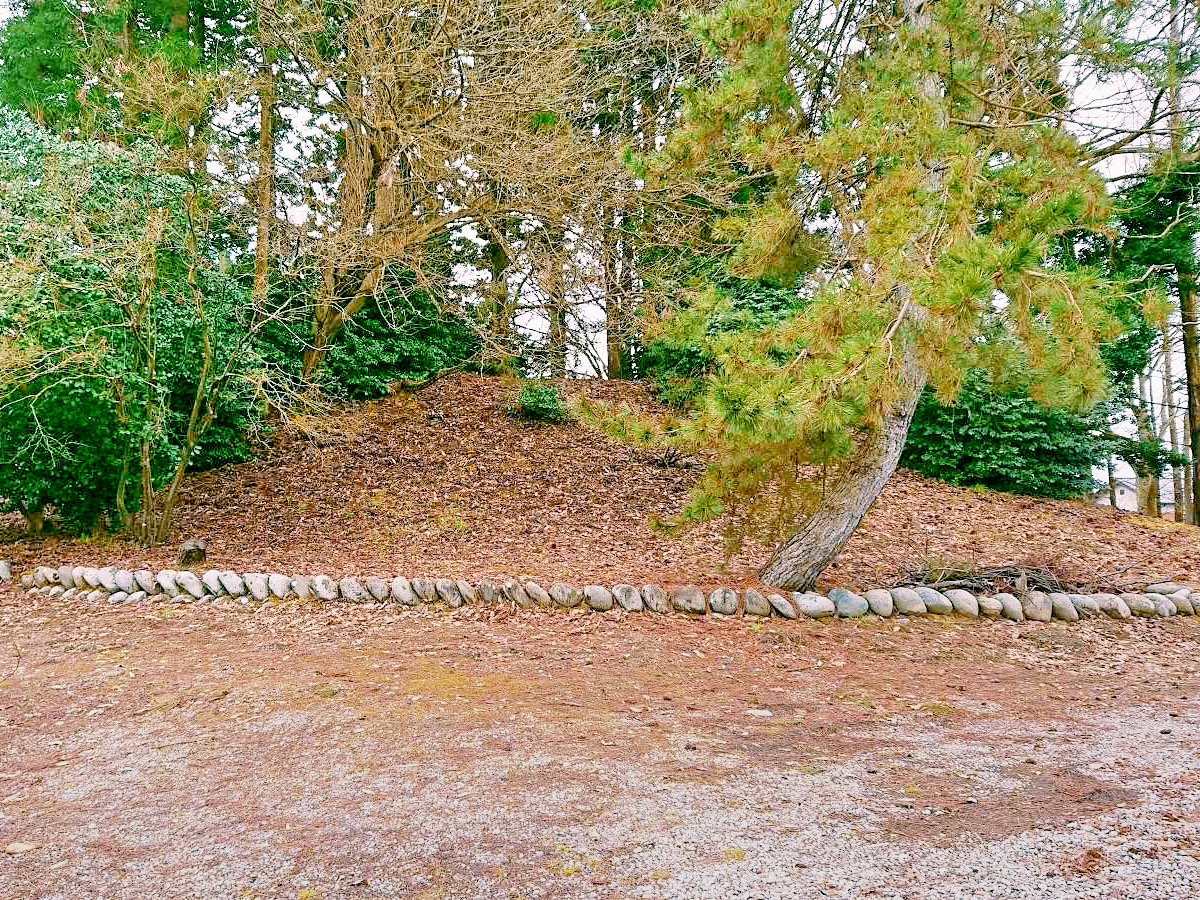
Kushidashin Site
Late Jōmon settlement with Kofun burial mounds.
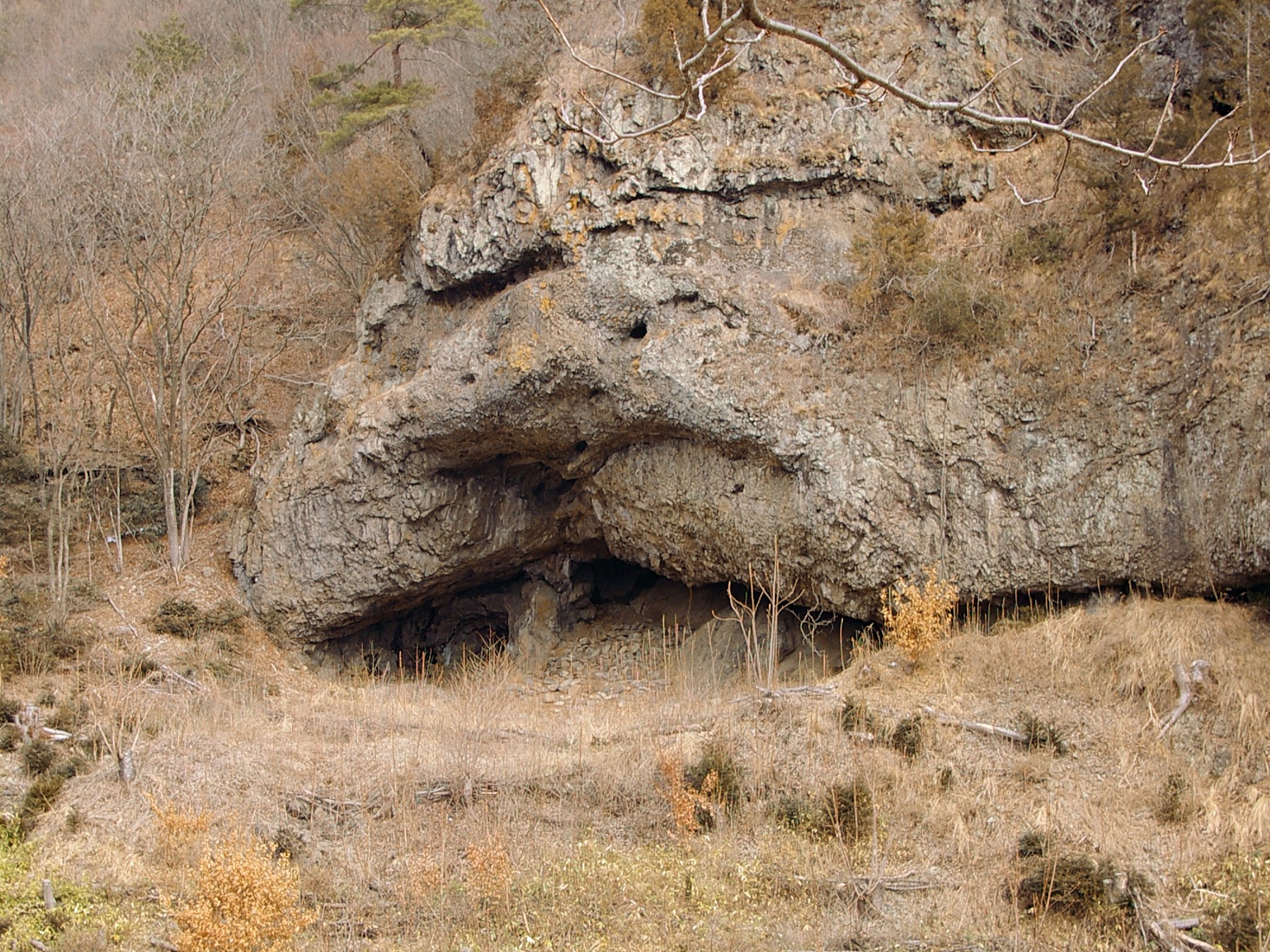
Tobayama Cave
Cave dwelling and tomb with grave goods
Mangyō Site
Late Yayoi–Early Kofun settlement, Nanao (Ishikawa), Japan