Explore the Map
Kushidashin Site
36.6892° N, 137.0414° E
About
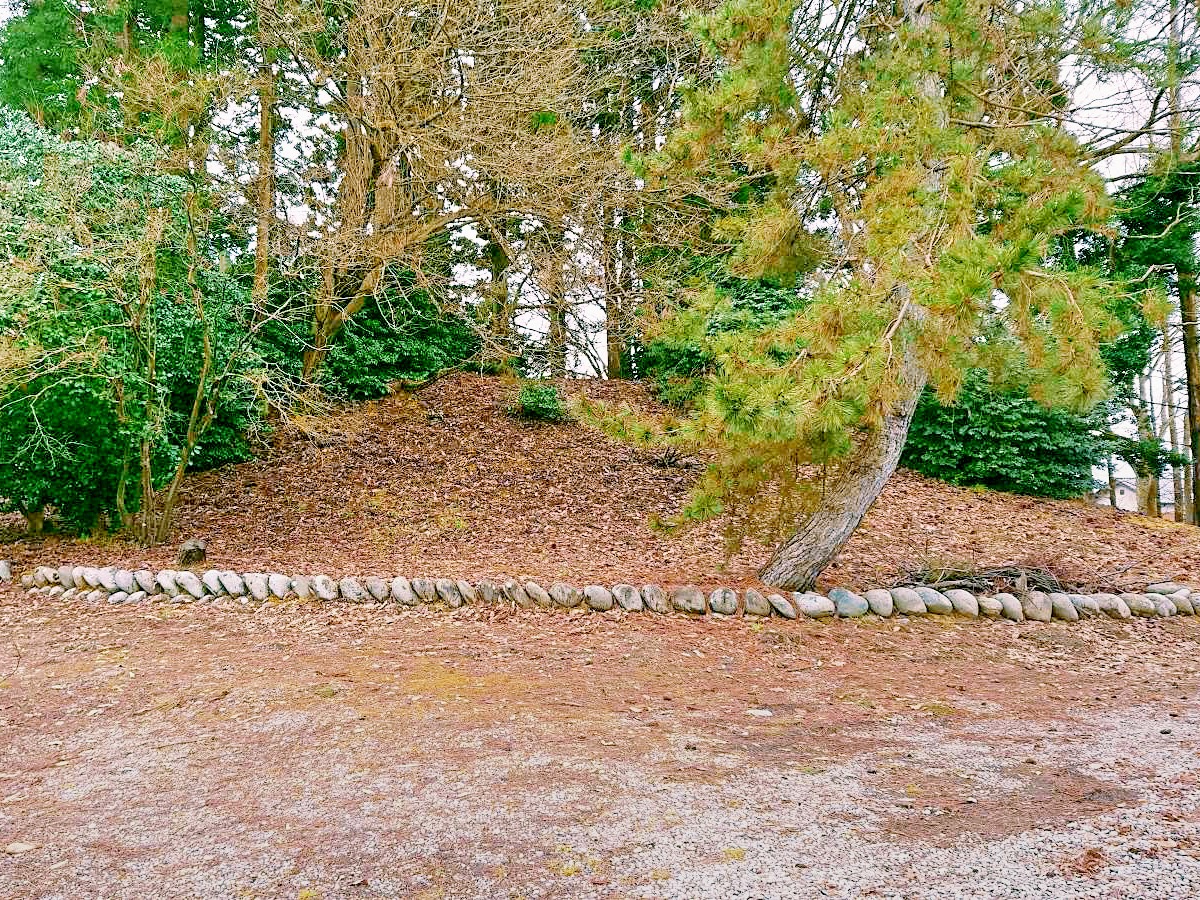
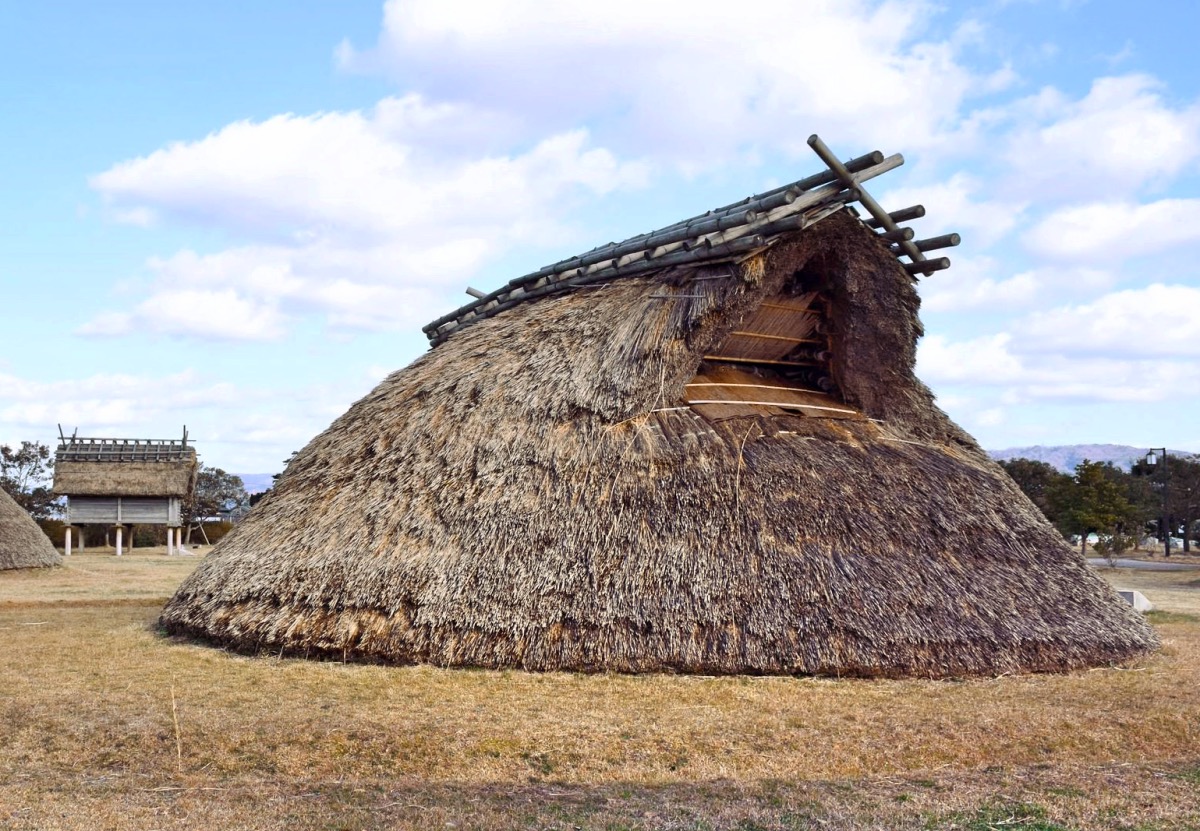
The Kushidashin Site, located in the Daimon neighborhood of Imizu, Toyama, Japan, is a significant archaeological site featuring a late Jōmon period settlement and two Kofun period burial mounds. Situated on a 45-meter hill, the site revealed distinctive Jōmon pottery and the foundations of pit dwellings with stone-lined hearths, reflecting the domestic life of the era. The presence of small dome-shaped kofun mounds indicates a later phase of use during the Kofun period, signifying cultural continuity and transformation in the region. Designated a National Historic Site in 1976, Kushidashin offers critical insights into the prehistoric and early historical periods of Japan, showcasing the transition from the Jōmon to the Kofun periods and the evolving funerary practices. Today, it serves as an archaeological park, preserving these remnants of Japan's ancient past.
Gallery
Explore photographs of ancient structures, artifacts, and archaeological excavations
Historical Timeline
Journey through time and discover key events in this site's history
Late Jōmon Settlement
1000 BCE
Kofun Burial Mounds
250 CE
Archaeological Features
Unique architectural and cultural elements found at this historical site
Burial and Funerary Structures
Domestic and Habitation Structures
Food Production and Processing Features
Frequently Asked Questions
Plan Your Visit
Tours, travel arrangements, and practical information
More Sites in Japan
Mangyō Site
Late Yayoi–Early Kofun settlement, Nanao (Ishikawa), Japan
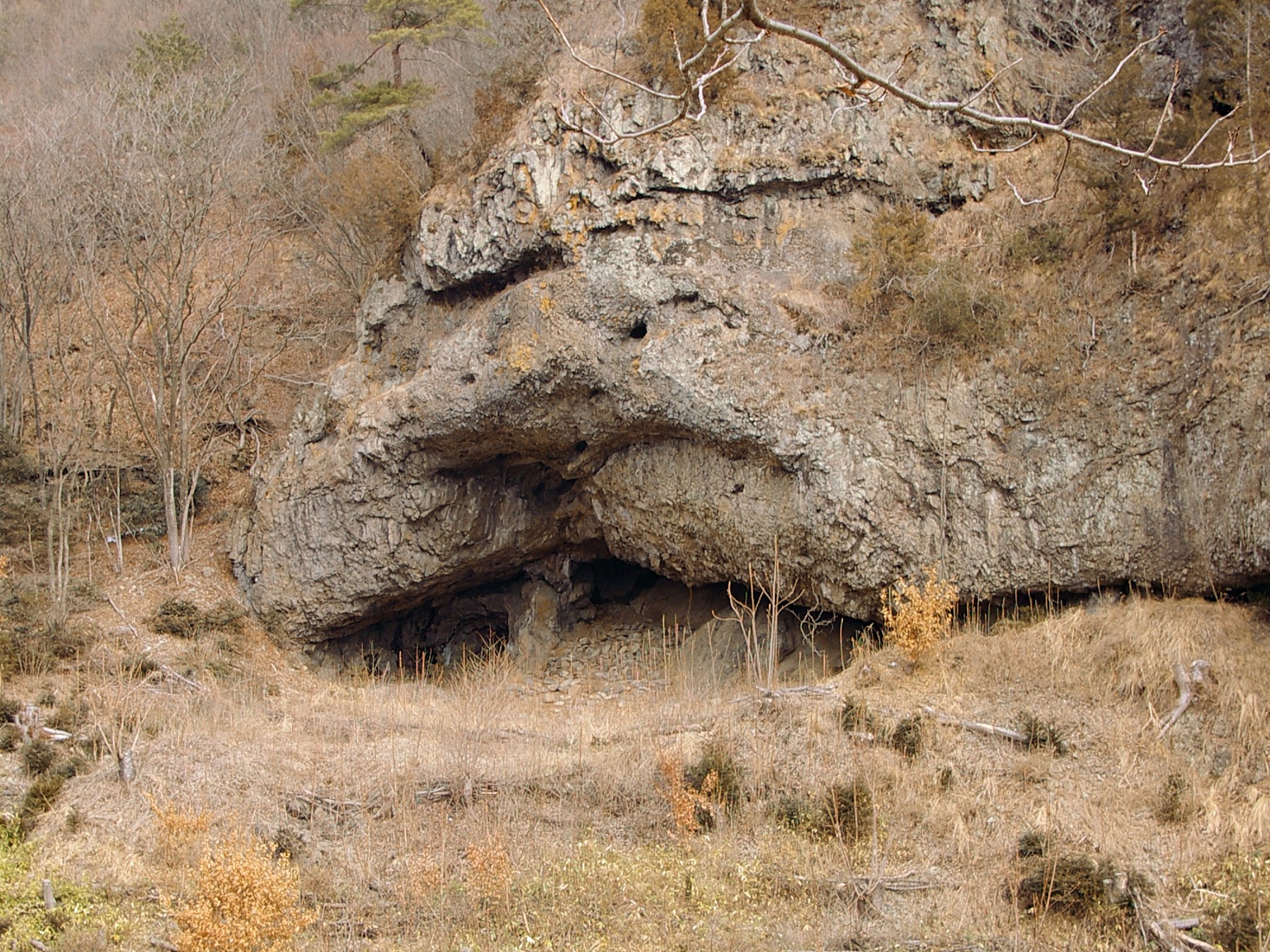
Tobayama Cave
Cave dwelling and tomb with grave goods
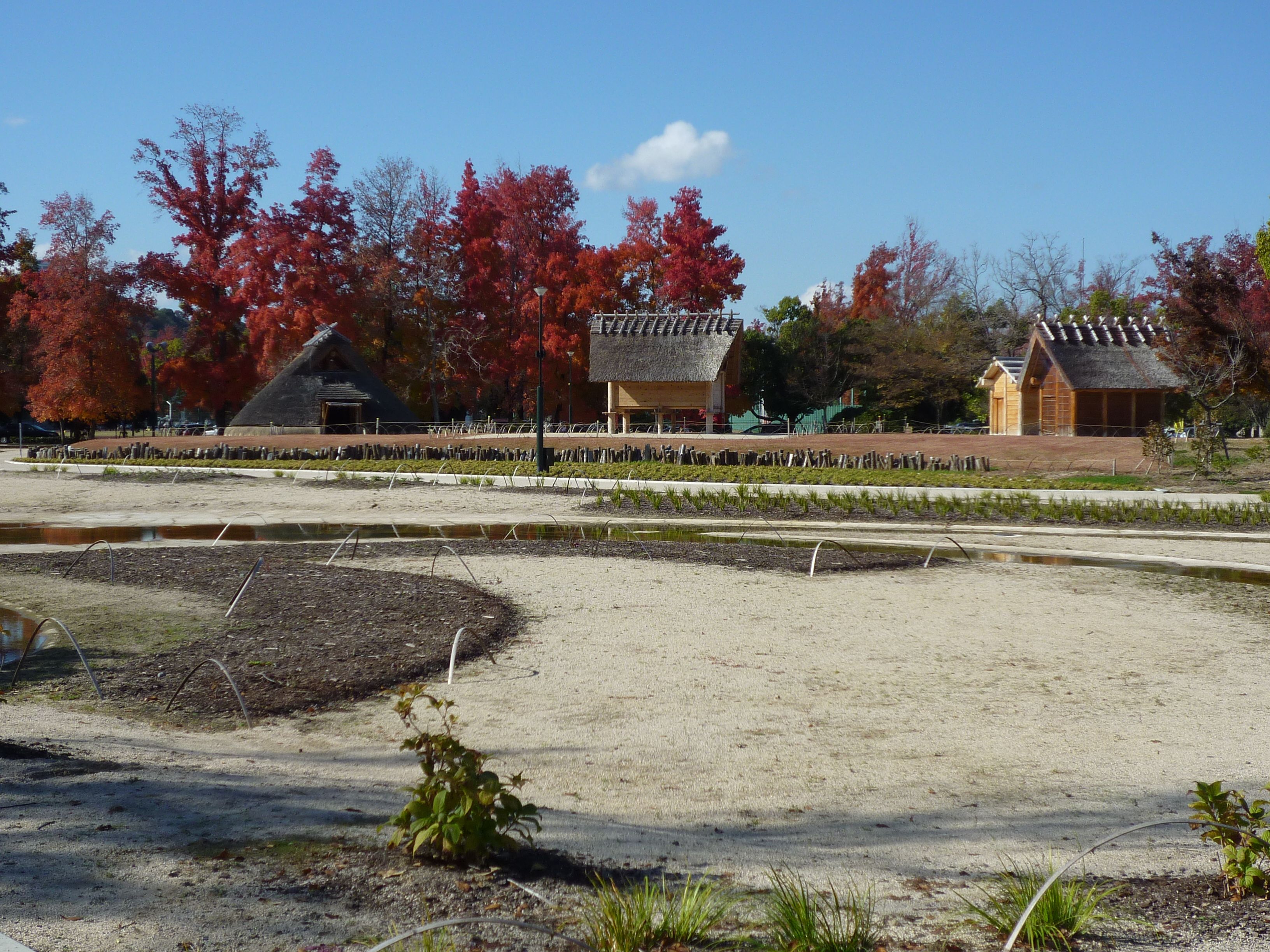
Tsushima Site
Yayoi settlement with paddy fields and dwellings
Tenpaku Site
Jōmon necropolis and ritual site in Japan
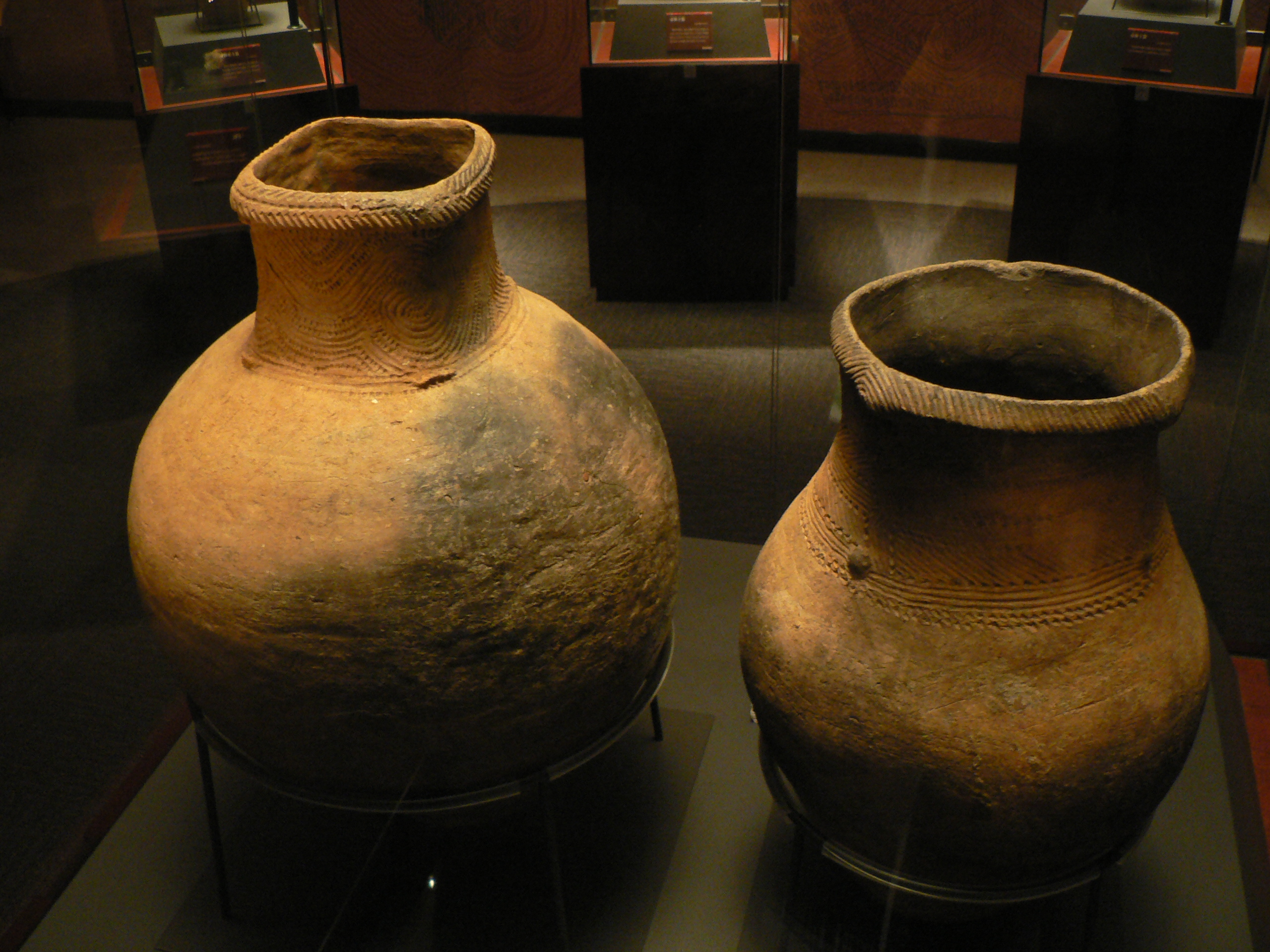
Uenohara site
Early Jōmon period settlement in Japan.
Yoshizaki-Suba Site
Yayoi period settlement remains, Ishikawa, Japan.