Explore the Map
Mawaki Site
37.3056° N, 137.2075° E
About
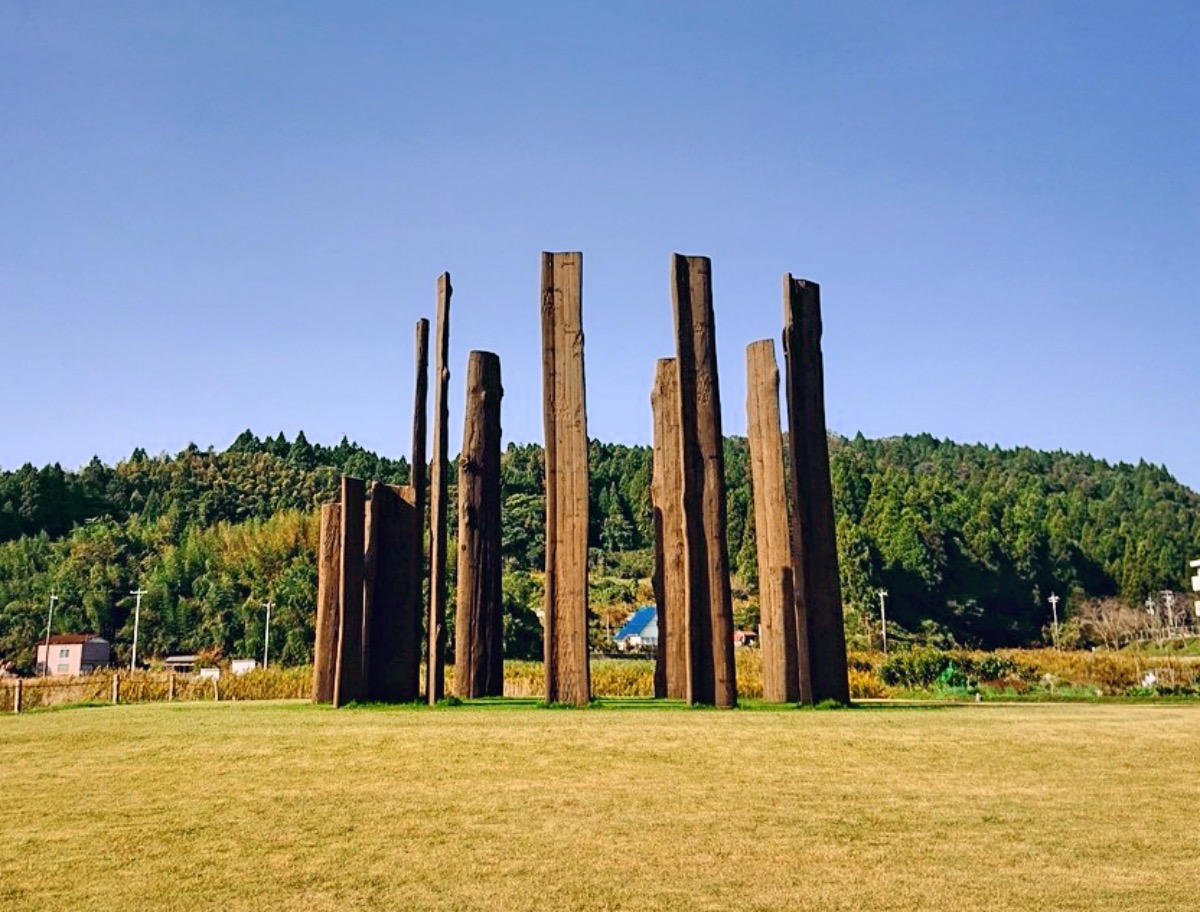
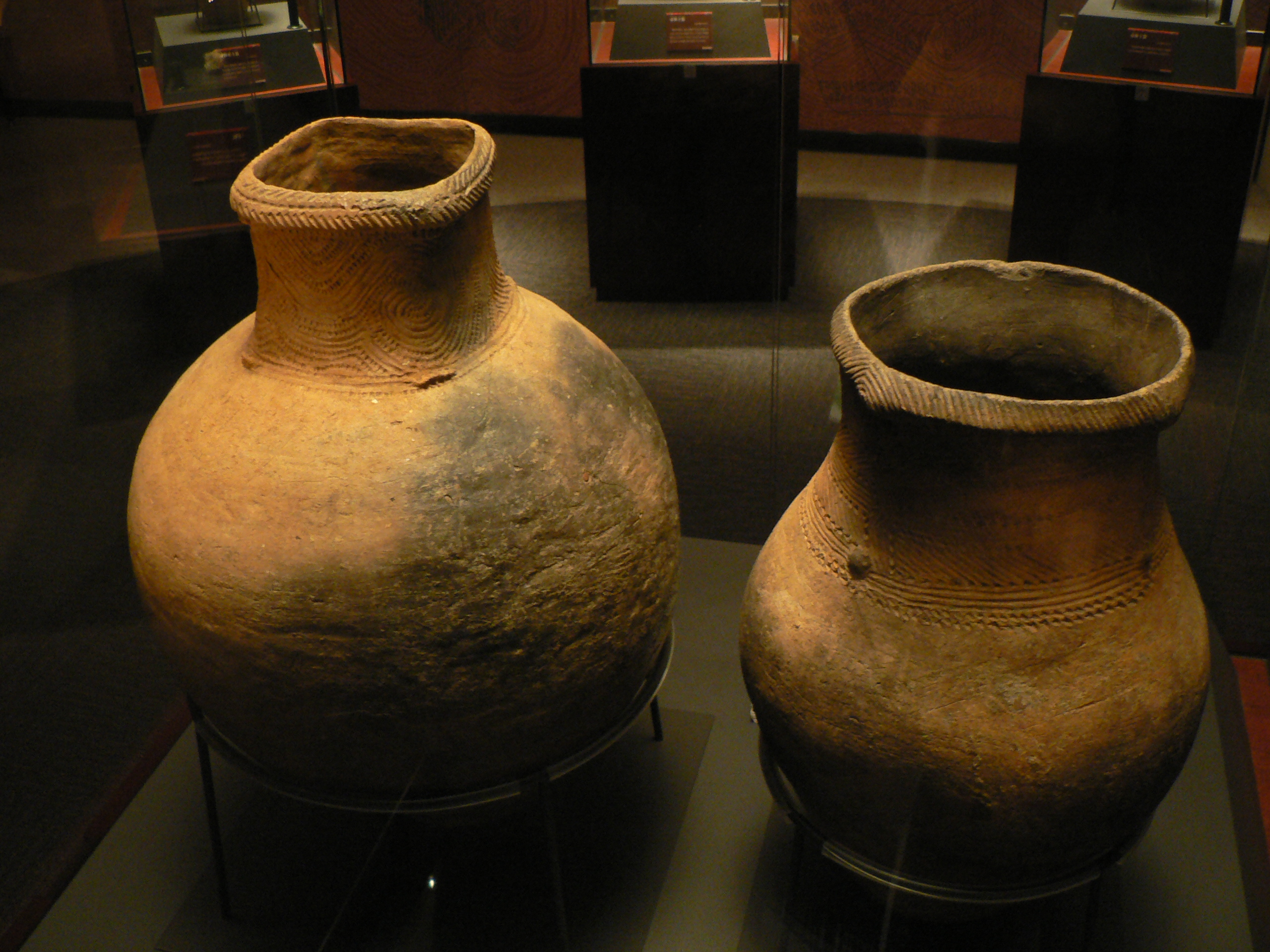
The Mawaki Site is a significant archaeological location on the Noto Peninsula in Japan, representing a large Jōmon period settlement. This site, occupied continuously for approximately 4000 years from the beginning to the end of the Jōmon period, is notable for its rich stratigraphy and diverse array of artifacts. Discoveries include various types of pottery, animal bones, and plant remains, alongside pit dwellings and unique ritual structures such as a timber circle. The site's extensive pottery collection spans the entire Jōmon period, offering unparalleled insight into the cultural and artistic practices of its inhabitants. Designated a National Historic Site of Japan in 1989, the Mawaki Site provides critical data for understanding the Jōmon period and the evolution of early societies in Japan.
Gallery
Explore photographs of ancient structures, artifacts, and archaeological excavations
Historical Timeline
Journey through time and discover key events in this site's history
Settlement beginning
circa 11,000 BCE
Continuous occupation
circa 11,000 BCE to 3,000 BCE
Archaeological Features
Unique architectural and cultural elements found at this historical site
Burial and Funerary Structures
Religious and Ritual Structures
Artistic and Decorative Features
Domestic and Habitation Structures
Environmental and Natural Features
Frequently Asked Questions
Plan Your Visit
Tours, travel arrangements, and practical information
More Sites in Japan
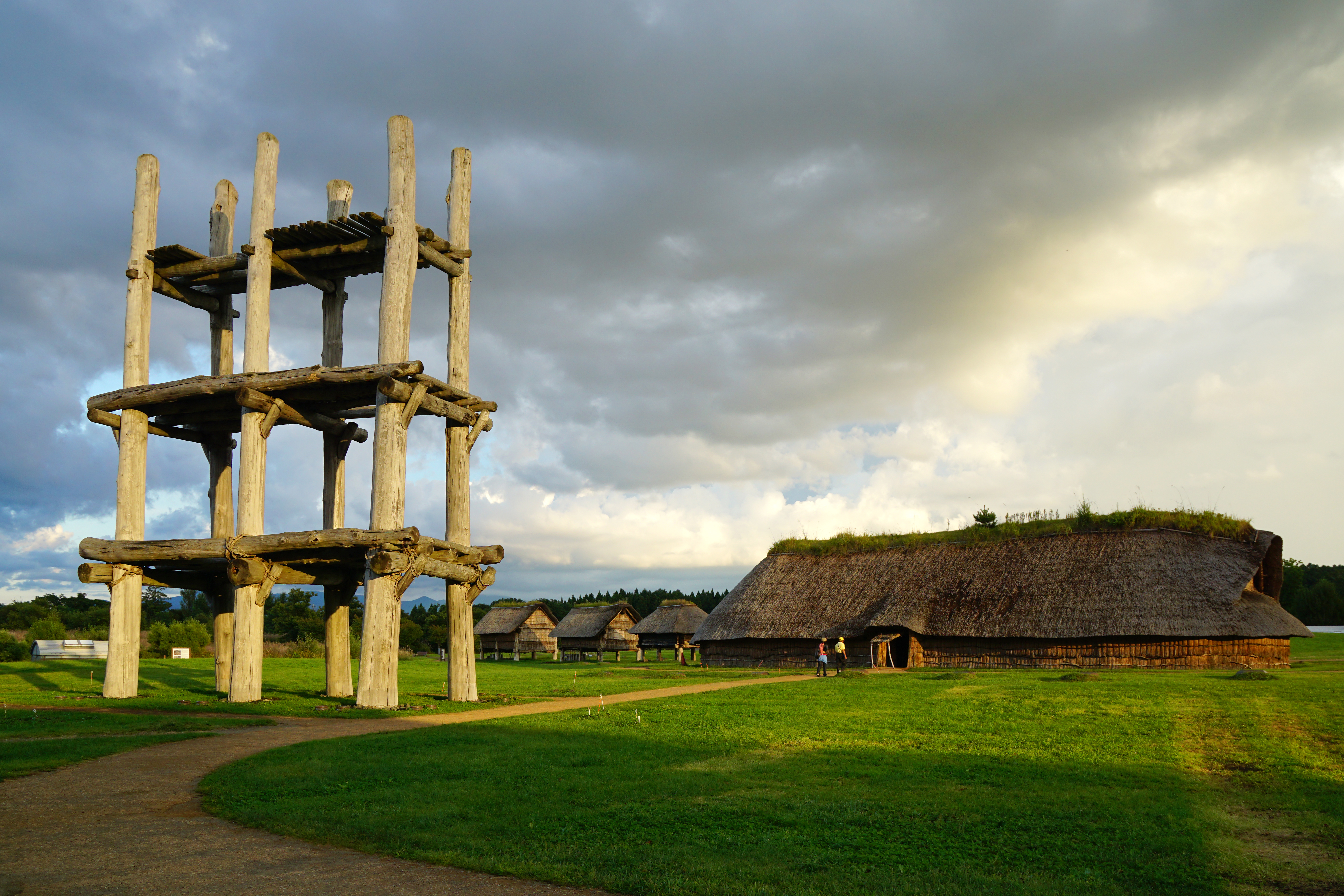
Sannai-Maruyama Site
Large Jōmon period settlement ruins
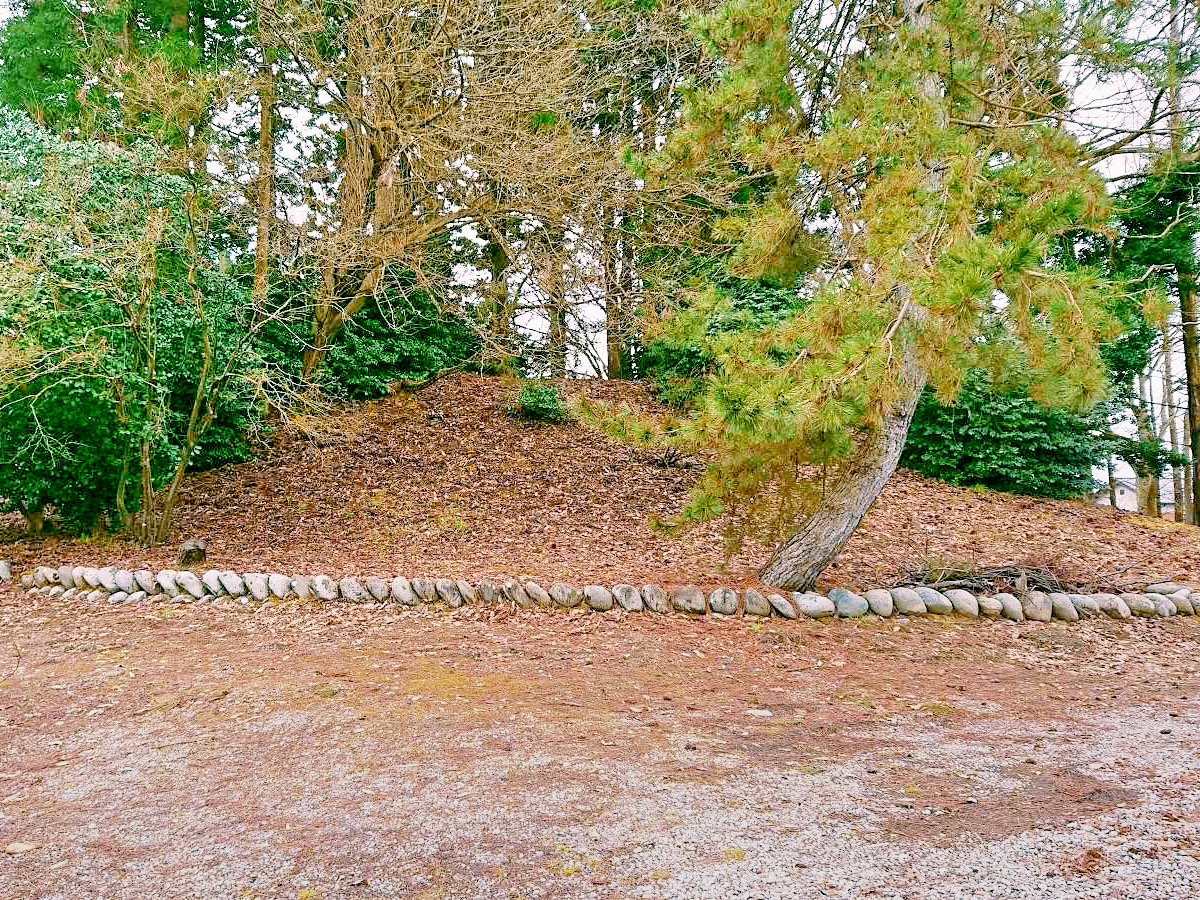
Kushidashin Site
Late Jōmon settlement with Kofun burial mounds.
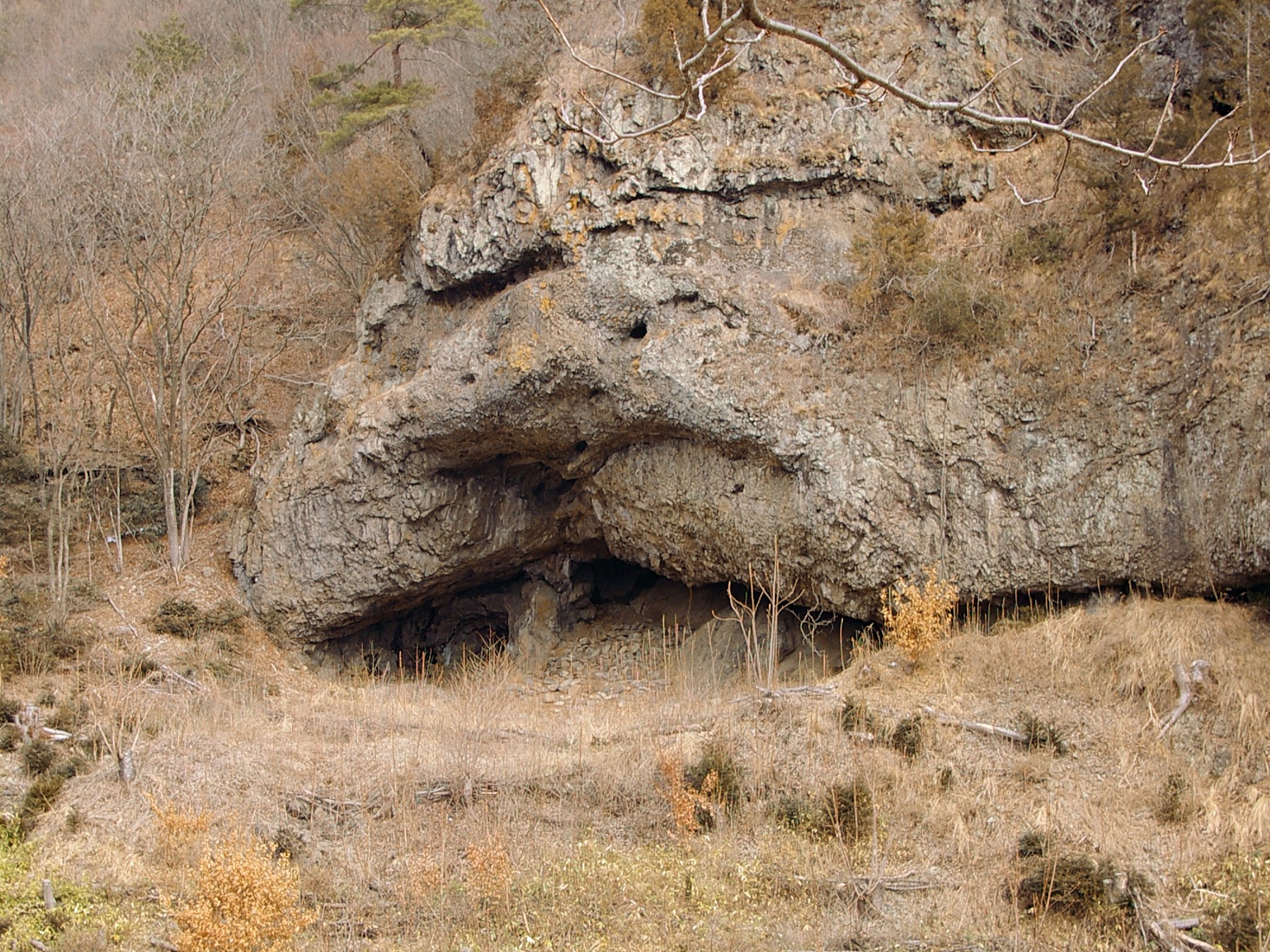
Tobayama Cave
Cave dwelling and tomb with grave goods
Mangyō Site
Late Yayoi–Early Kofun settlement, Nanao (Ishikawa), Japan
Tenpaku Site
Jōmon necropolis and ritual site in Japan
Uenohara site
Early Jōmon period settlement in Japan.