Explore the Map
Shijimizuka site
34.7136° N, 137.7033° E
About
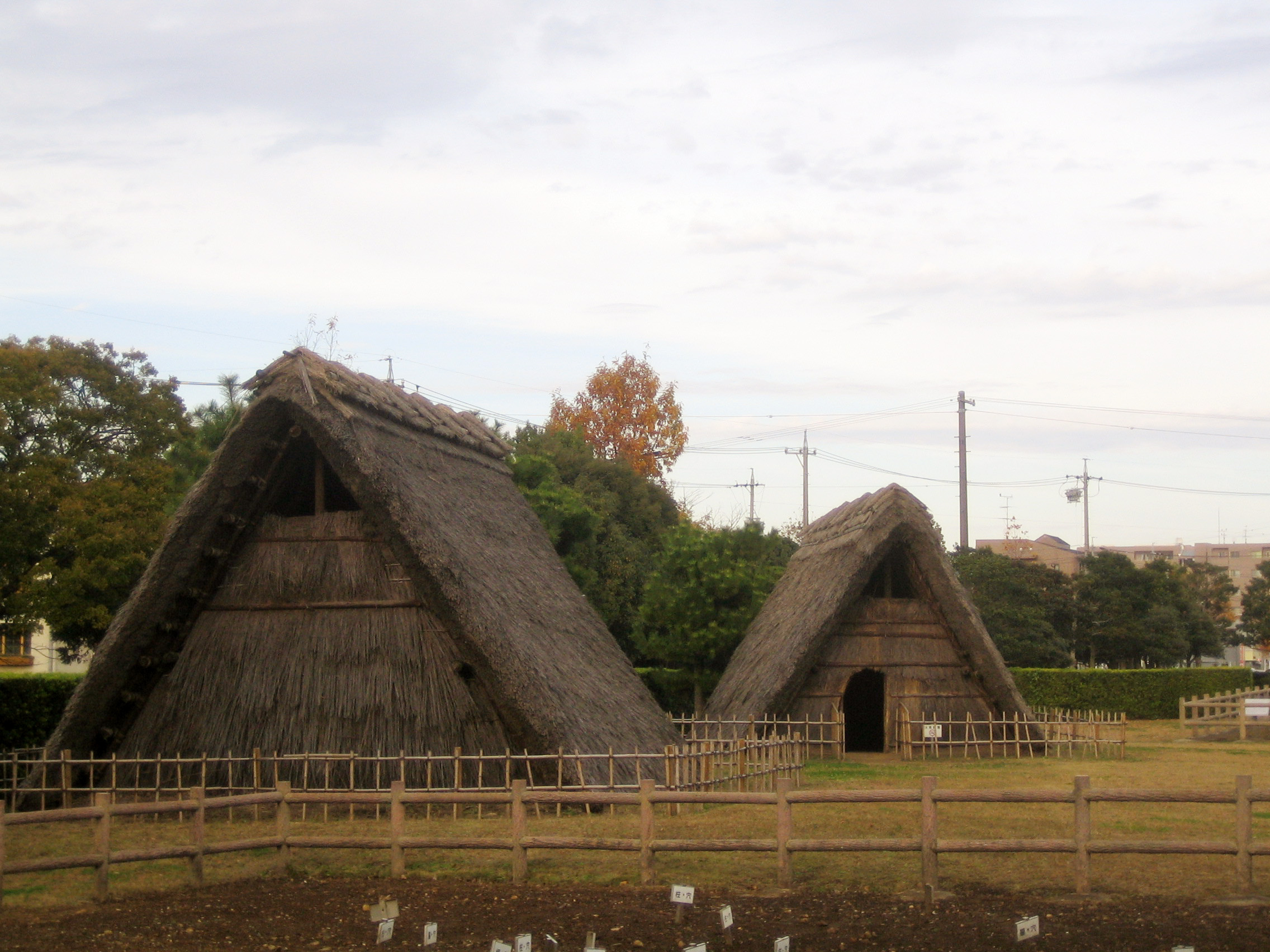
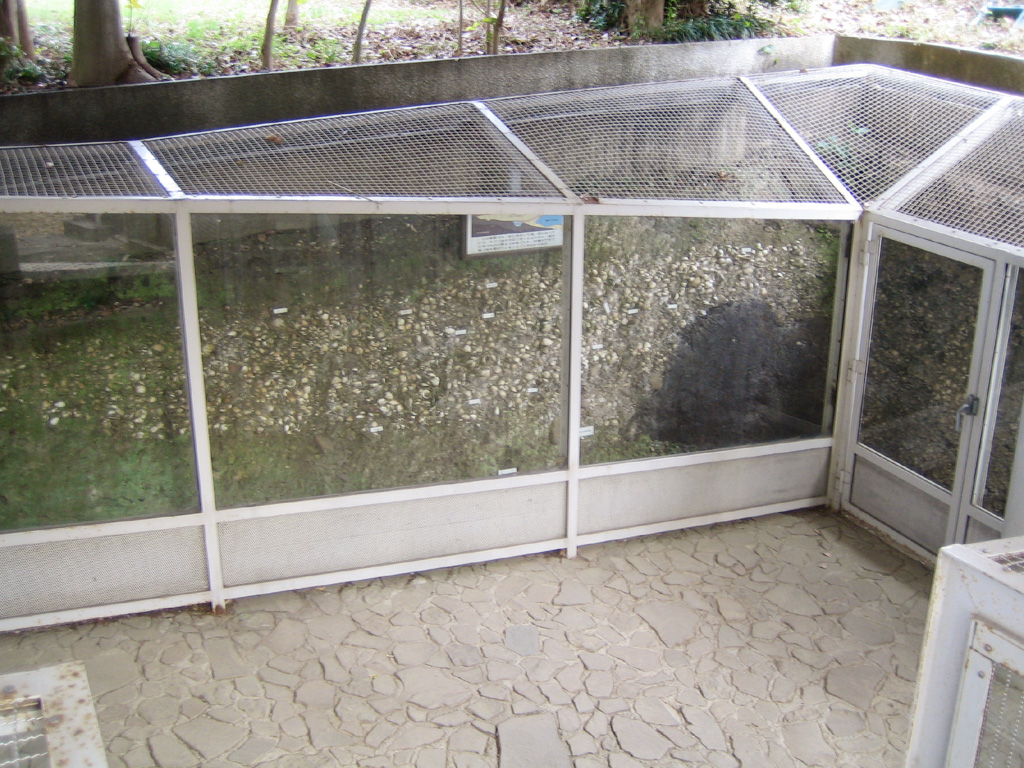
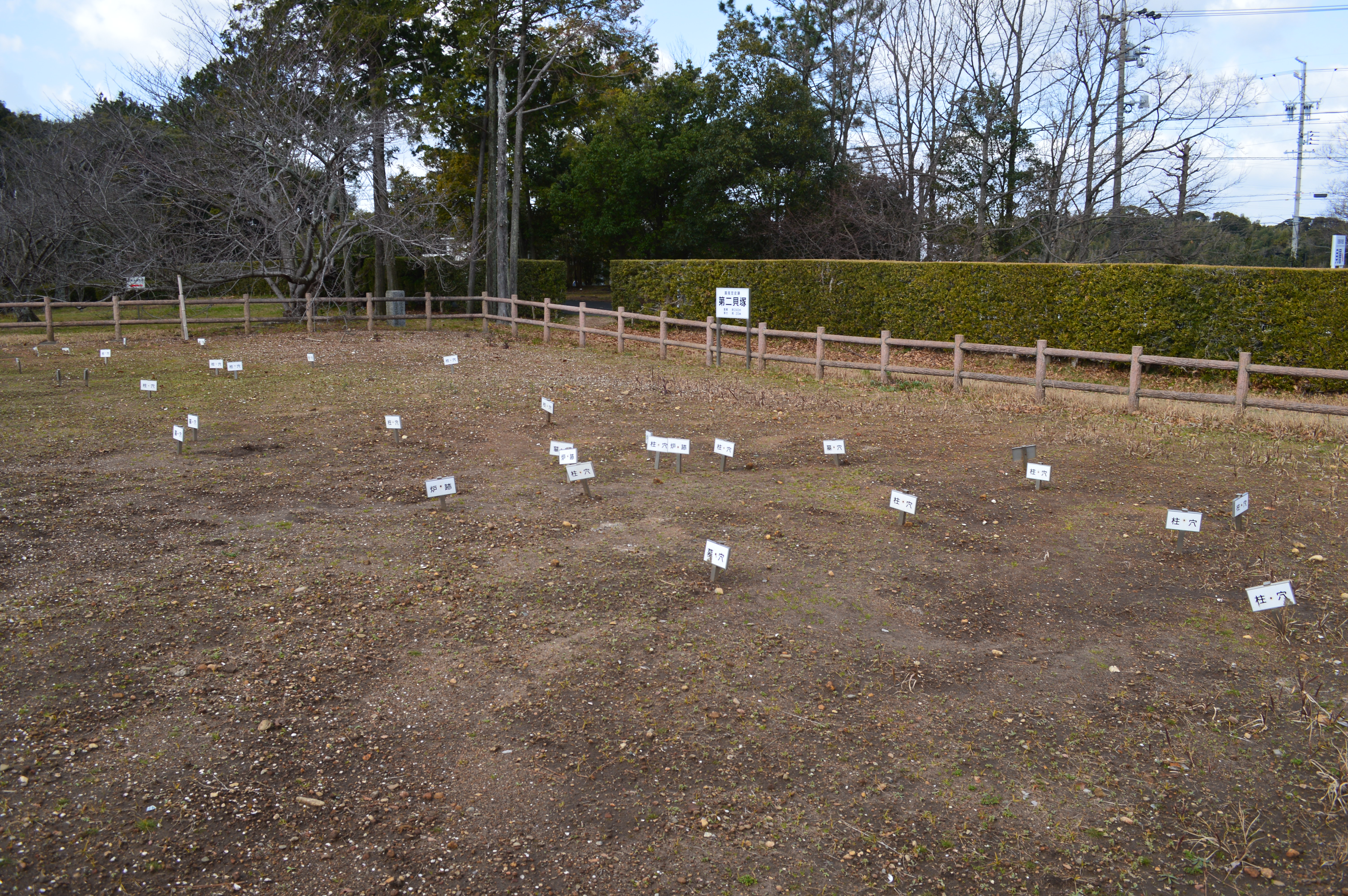
The Shijimizuka site in Chūō-ku, Hamamatsu, Japan, is an archaeological site of great significance, representing a settlement from the late to final Jōmon period. Inhabited between 2000 BCE and 1000 BCE, the site features large shell middens, indicating the dietary practices of the Jōmon people. Archaeological findings include reconstructed pit dwellings, artifacts such as stone tools, Jōmon pottery, and personal ornaments made from shells. The site also contained graves, providing insight into burial customs. Excavations revealed a wealth of ecofacts, including deer and wild boar bones, illustrating the rich biodiversity and resource utilization of the era. This site provides crucial insights into the Jōmon period's social and cultural dynamics.
Gallery
Explore photographs of ancient structures, artifacts, and archaeological excavations
Historical Timeline
Journey through time and discover key events in this site's history
Jōmon Settlement Period
2000 BCE, 1000 BCE
Archaeological Features
Unique architectural and cultural elements found at this historical site
Burial and Funerary Structures
Domestic and Habitation Structures
Environmental and Natural Features
Frequently Asked Questions
Plan Your Visit
Tours, travel arrangements, and practical information
More Sites in Japan
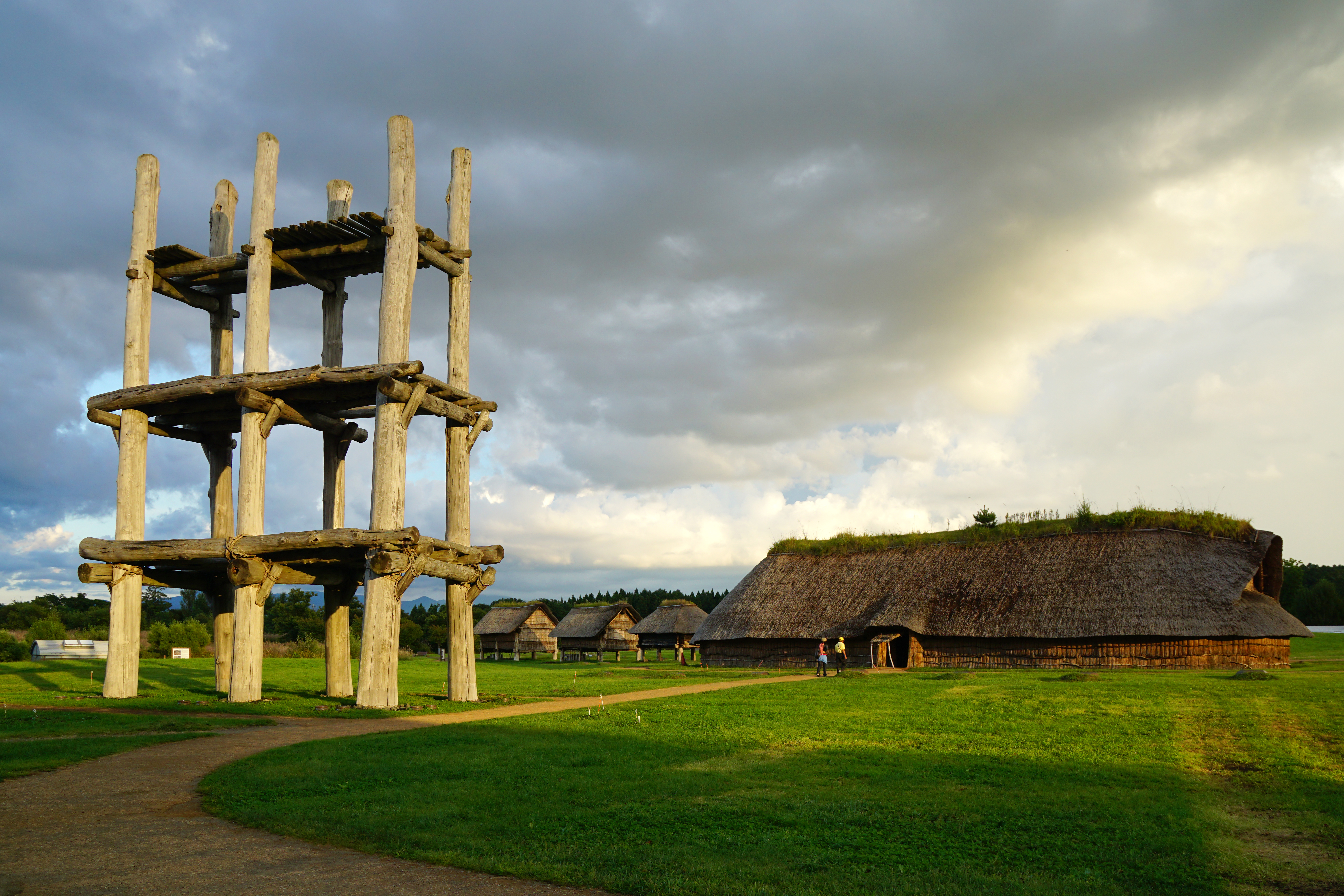
Sannai-Maruyama Site
Large Jōmon period settlement ruins
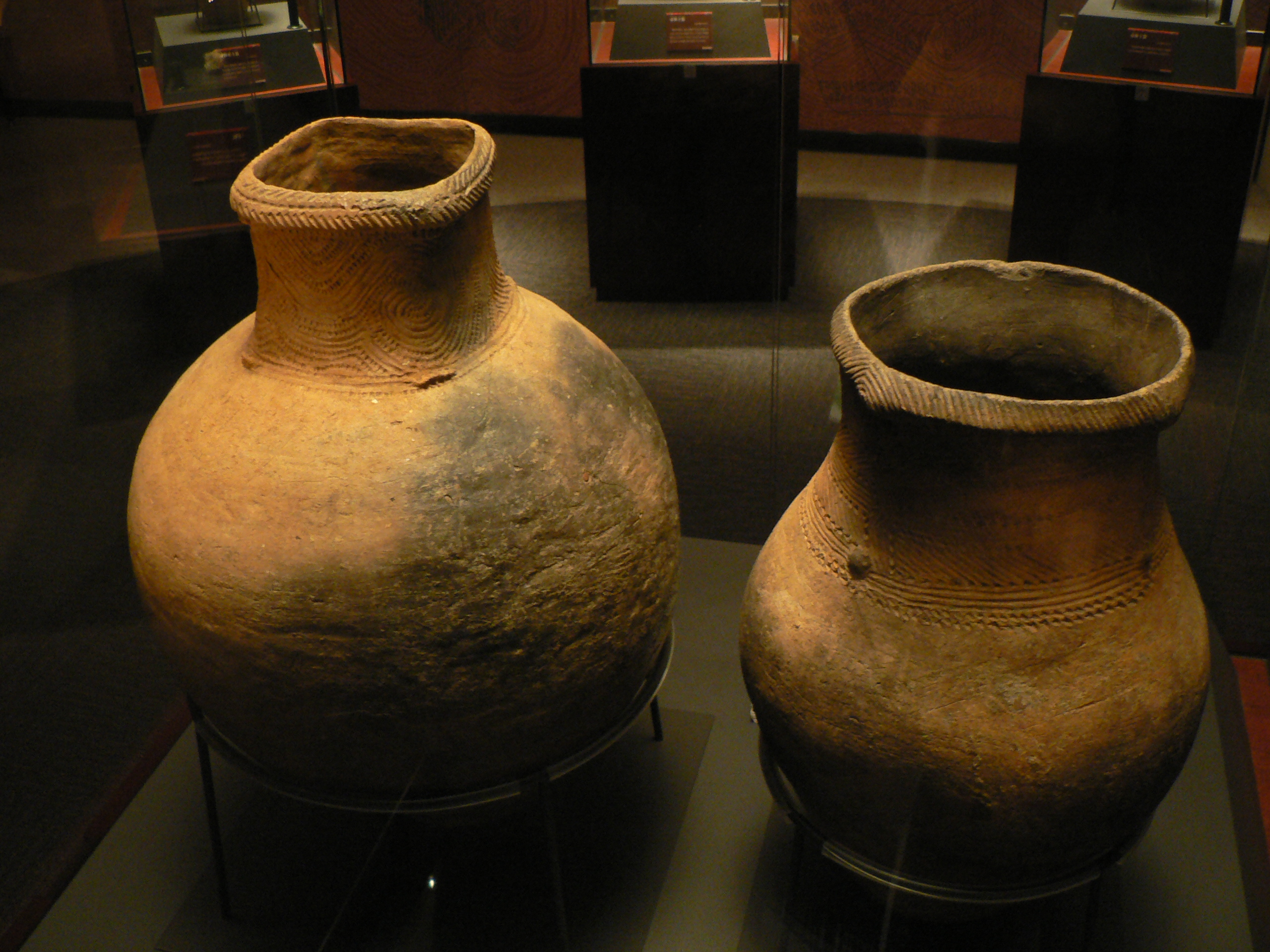
Uenohara site
Early Jōmon period settlement in Japan.
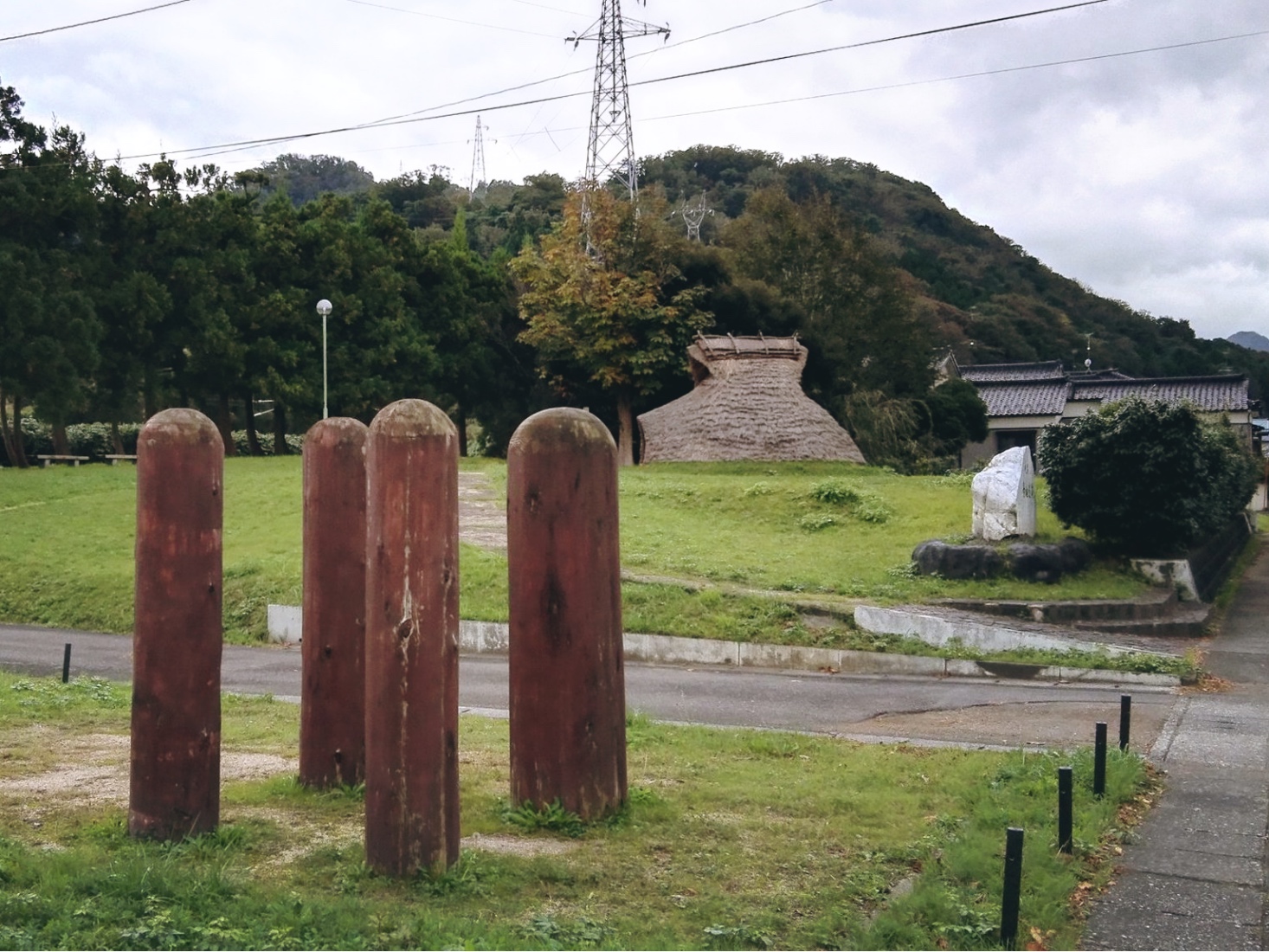
Terachi Site
Middle to late Jōmon period settlement
Tenpaku Site
Jōmon necropolis and ritual site in Japan
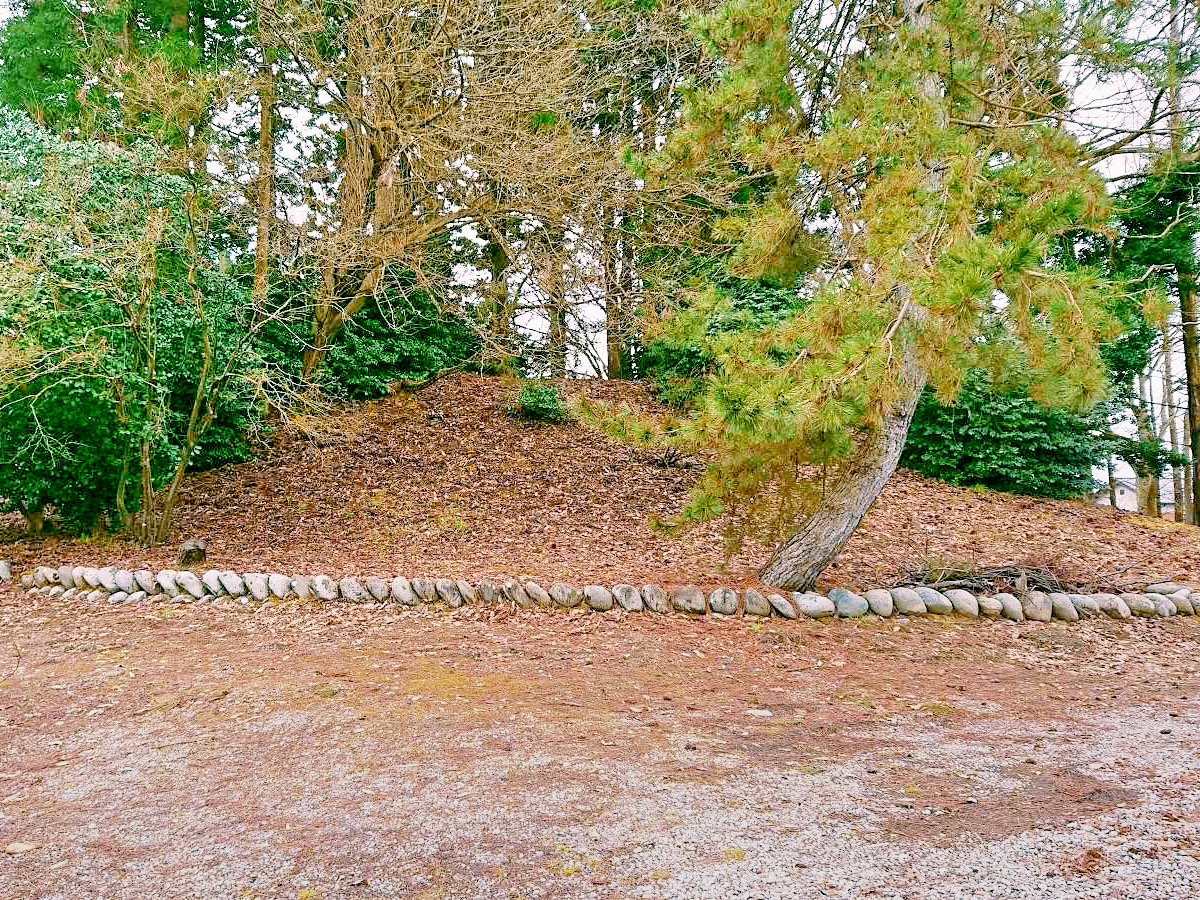
Kushidashin Site
Late Jōmon settlement with Kofun burial mounds.
Mangyō Site
Late Yayoi–Early Kofun settlement, Nanao (Ishikawa), Japan