Explore the Map
Kayano Site
36.4544° N, 138.9781° E
About
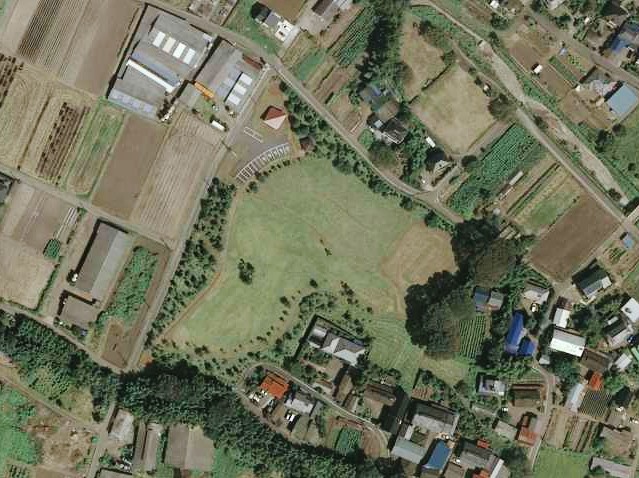
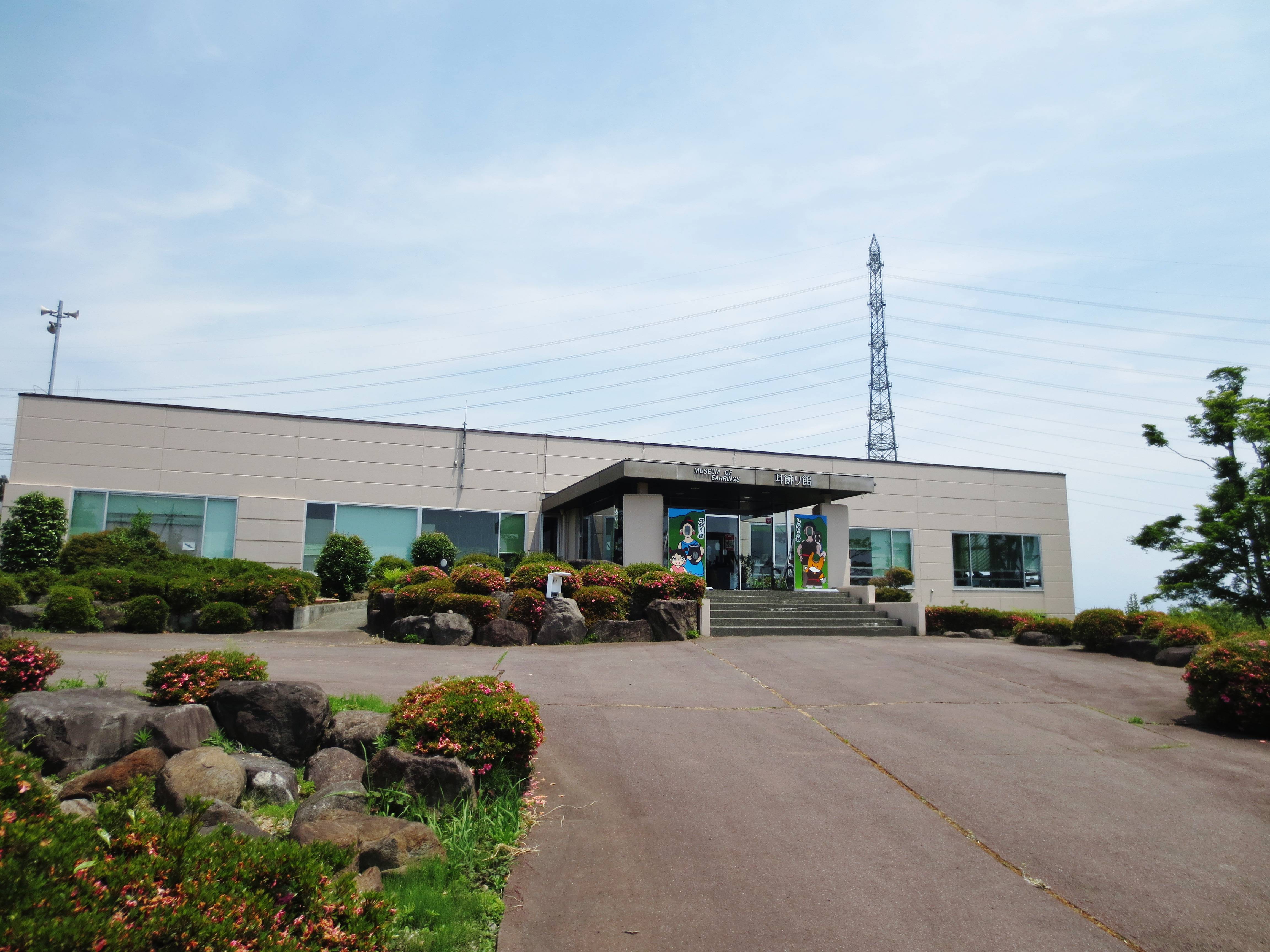
The Kayano ruins are a significant archaeological site from the late Jōmon period, located in Shintō, Gunma Prefecture, Japan. This site, uncovered during an agricultural project in 1989, has revealed well-preserved foundations of pit dwellings and tombs, suggesting it was a large settlement approximately 2500 to 3000 years ago. Excavations have unearthed a wealth of artifacts, including Jōmon pottery shards, stone tools, clay figurines, and a substantial number of earthenware earrings, which might indicate a production site for trade goods. The discovery of a dogū clay figurine wearing earrings underscores the cultural significance of these artifacts. The site has been recognized as a National Historic Site and the excavated items are preserved in the Shintō Village Museum of Earrings.
Gallery
Explore photographs of ancient structures, artifacts, and archaeological excavations
Historical Timeline
Journey through time and discover key events in this site's history
Late Jōmon Settlement
1000 BCE, 900 BCE
Archaeological Features
Unique architectural and cultural elements found at this historical site
Burial and Funerary Structures
Artistic and Decorative Features
Domestic and Habitation Structures
Frequently Asked Questions
Plan Your Visit
Tours, travel arrangements, and practical information
More Sites in Japan
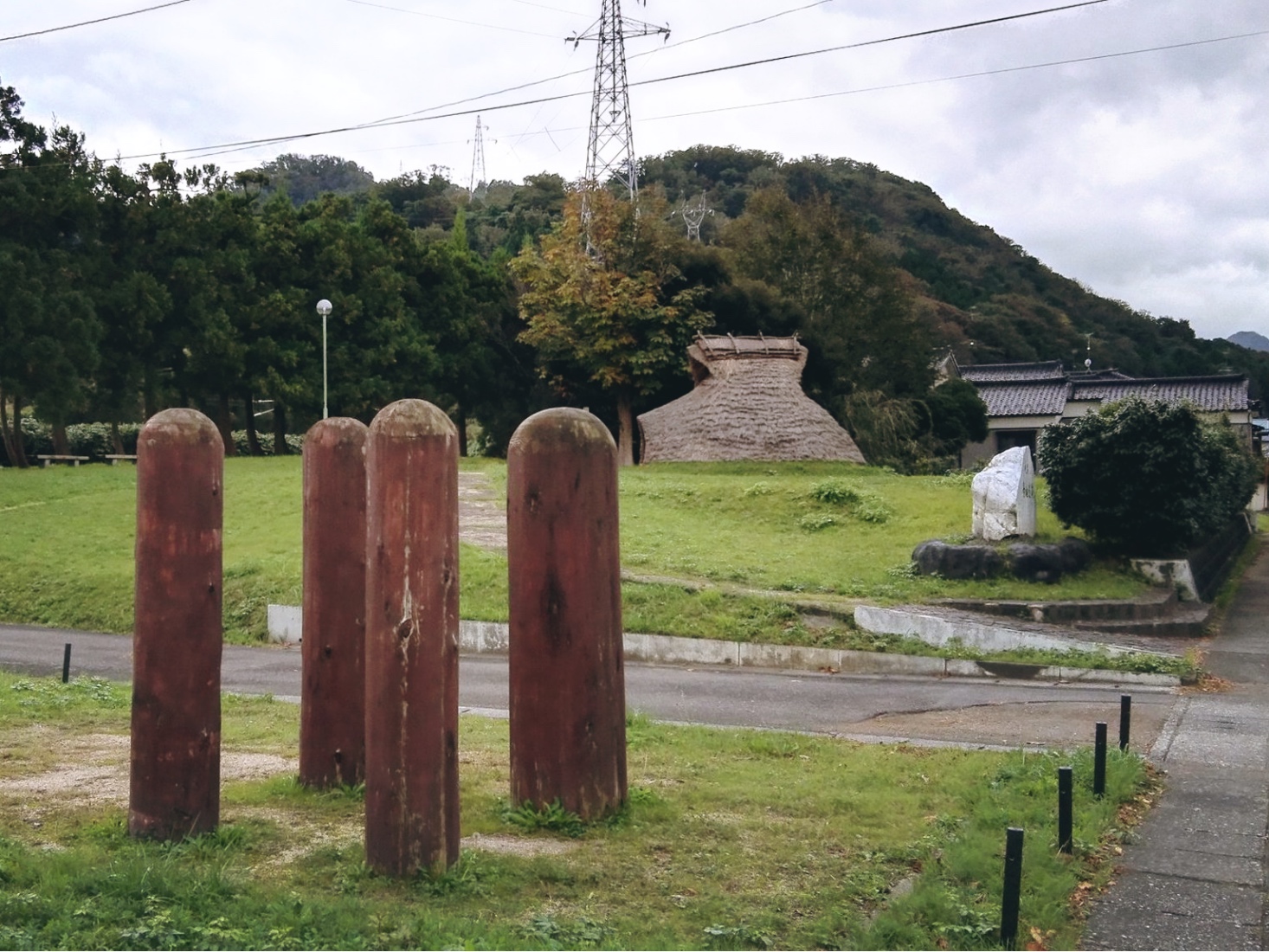
Terachi Site
Middle to late Jōmon period settlement
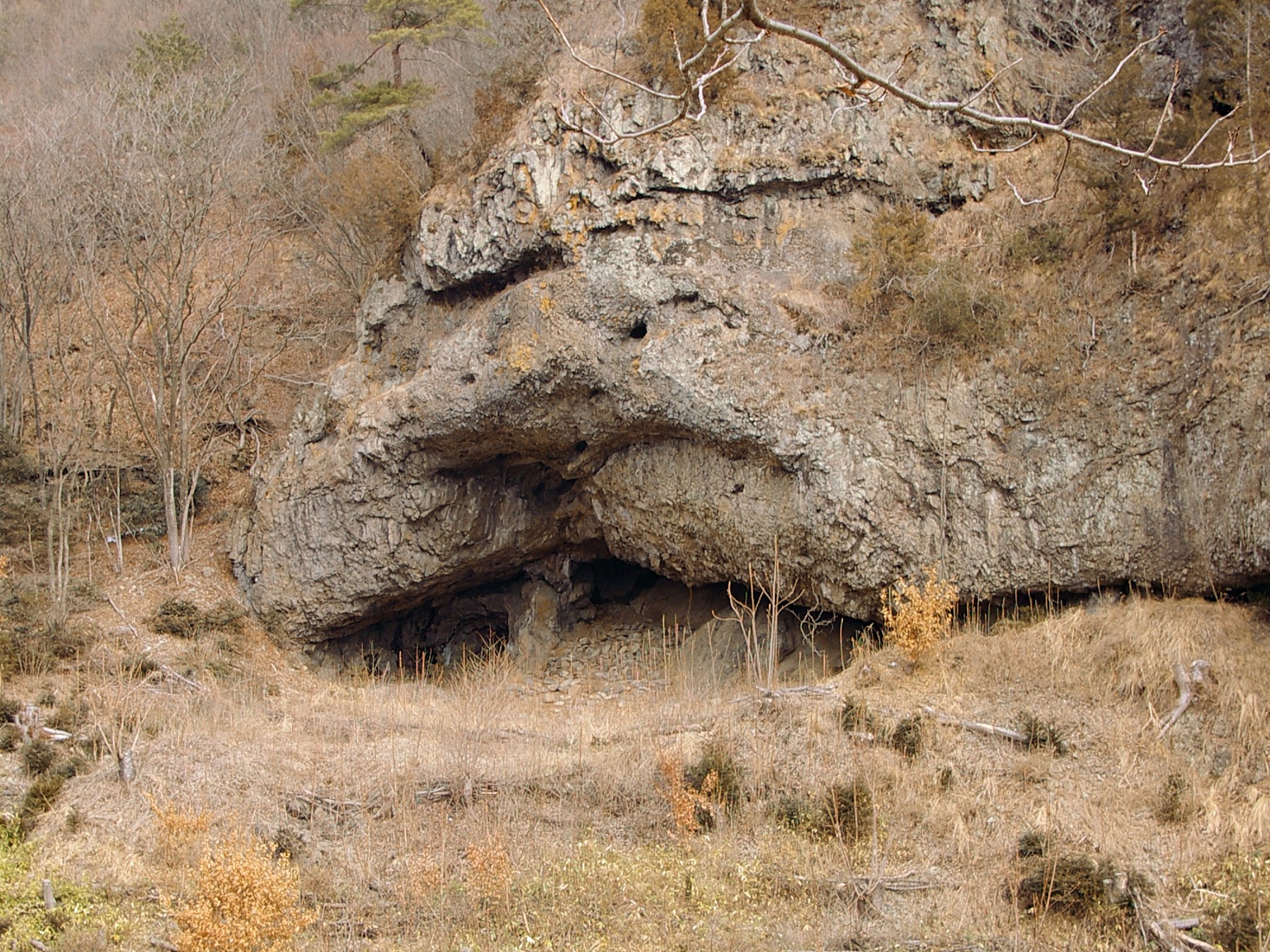
Tobayama Cave
Cave dwelling and tomb with grave goods
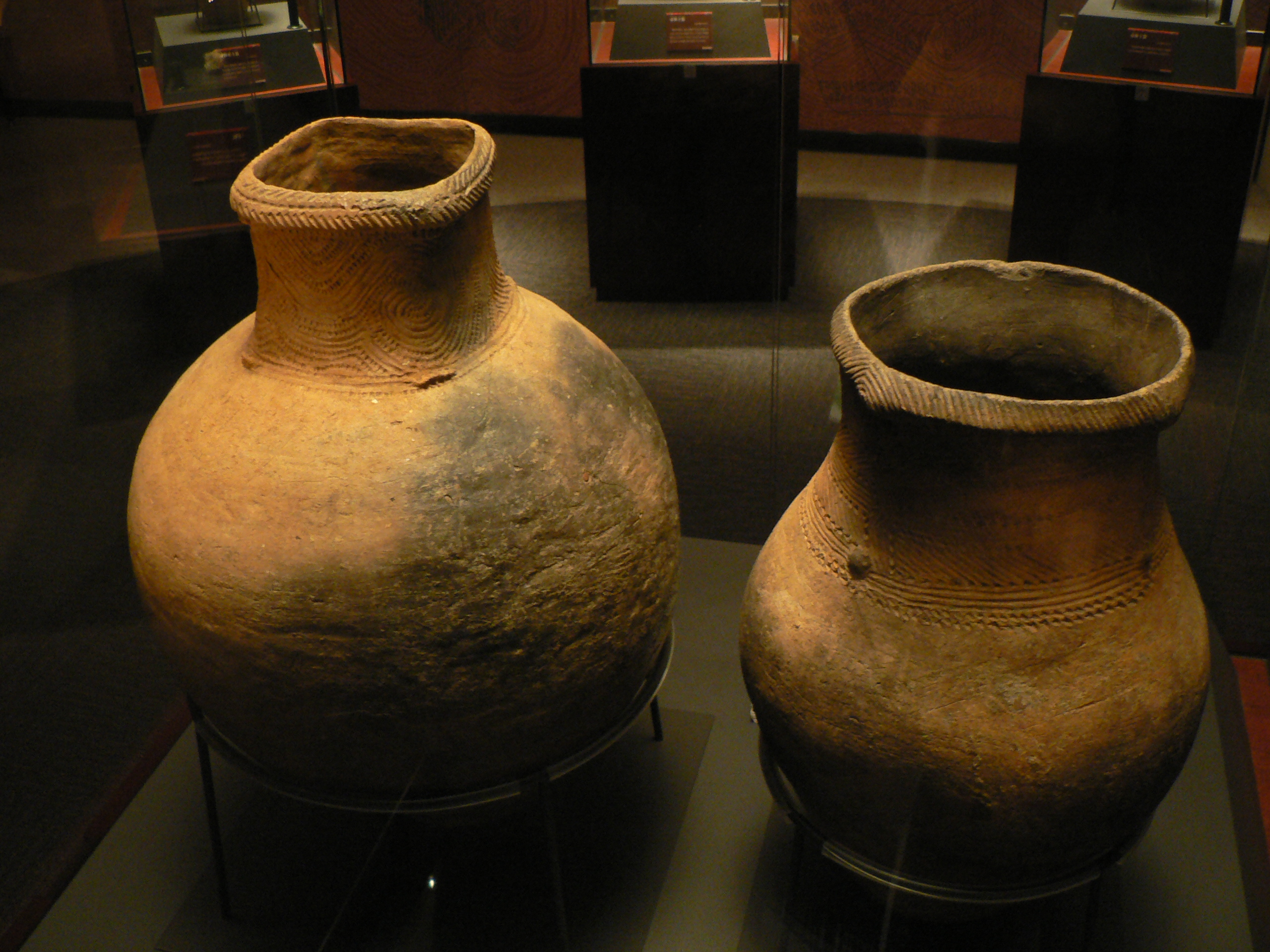
Uenohara site
Early Jōmon period settlement in Japan.
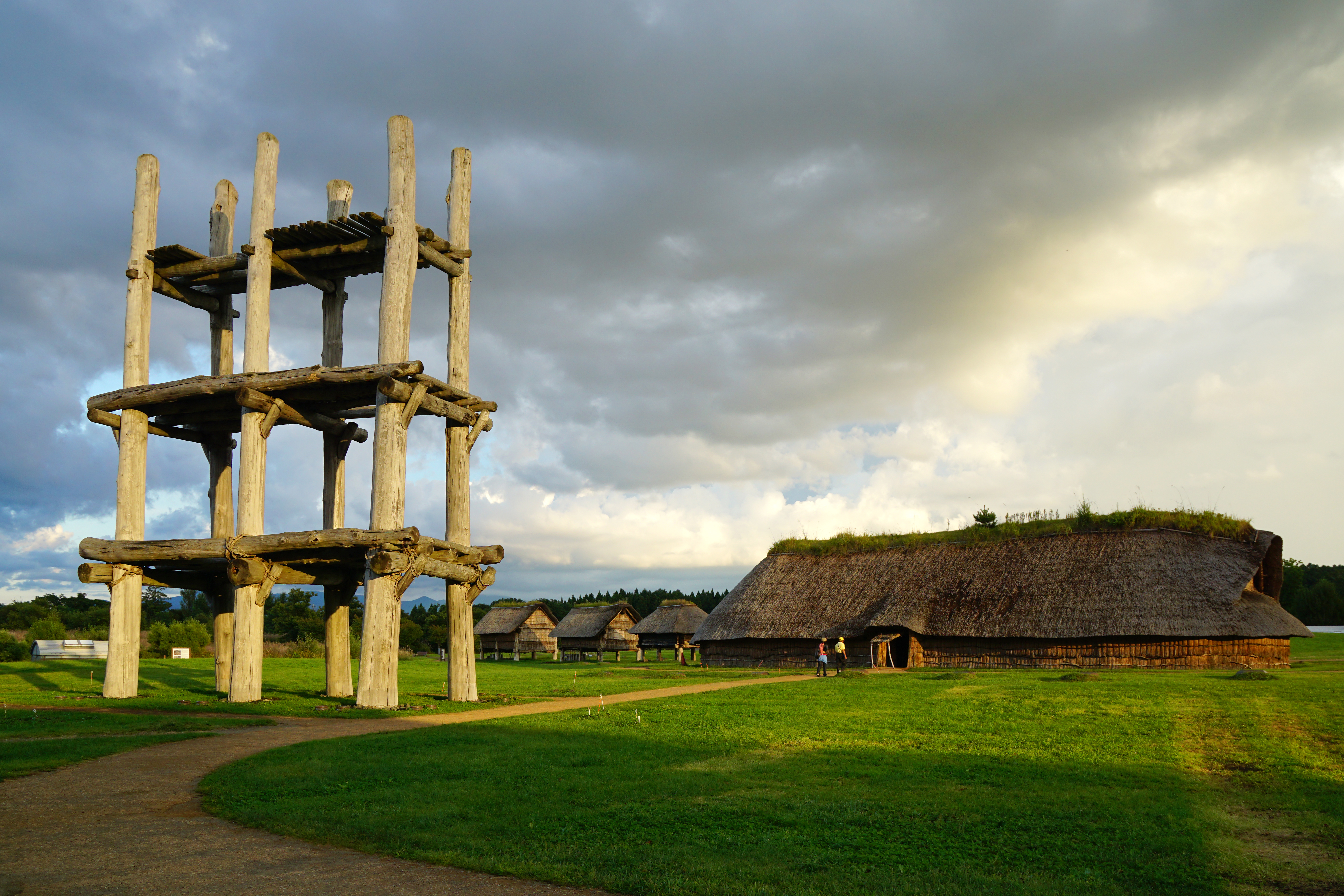
Sannai-Maruyama Site
Large Jōmon period settlement ruins
Tenpaku Site
Jōmon necropolis and ritual site in Japan
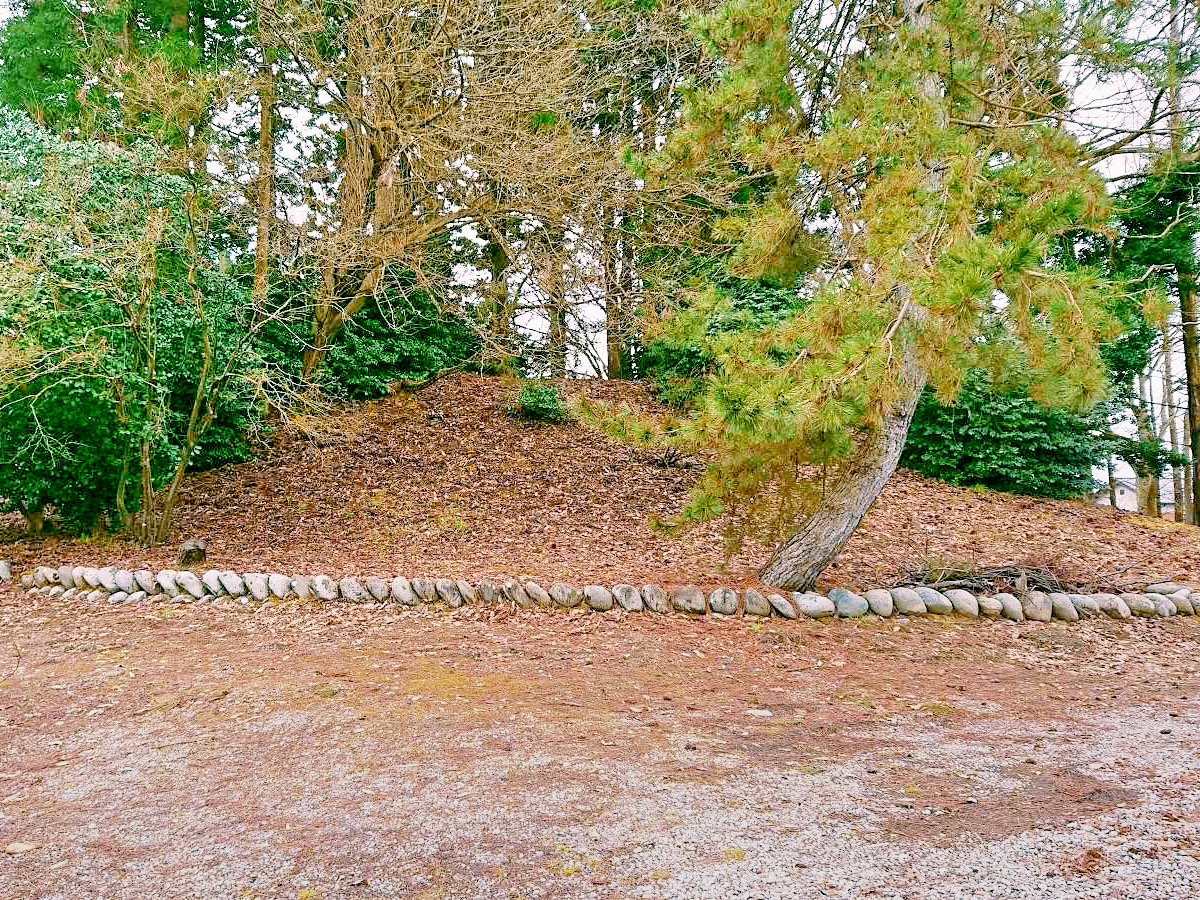
Kushidashin Site
Late Jōmon settlement with Kofun burial mounds.