Explore the Map
Komakino Site
40.7375° N, 140.7282° E
About
The Komakino Site, located in Aomori, Japan, is a significant archaeological site from the Jōmon period, dating to approximately 2000–1500 BCE. This site features large concentric stone circles, characterized by a unique method of stone arrangement known as the 'Komakino style.' The stone circles, along with over 100 earth pit tombs containing pottery coffins and religious artifacts, suggest the site's importance in ritualistic and ceremonial activities. Additional findings include pit dwellings and middens, indicating a well-established settlement. The complexity and labor-intensive construction of the site on a sloped plateau demonstrate the organizational skills of its builders. The Komakino Site's cultural connections with the Jōmon culture of Hokkaido and its submission for UNESCO World Heritage status underline its archaeological and historical significance.
Historical Timeline
Journey through time and discover key events in this site's history
Development of Settlement
2000 BCE
Construction of Stone Circles
2000 BCE
Archaeological Features
Unique architectural and cultural elements found at this historical site
Burial and Funerary Structures
Religious and Ritual Structures
Domestic and Habitation Structures
Environmental and Natural Features
Frequently Asked Questions
Plan Your Visit
Tours, travel arrangements, and practical information
More Sites in Japan
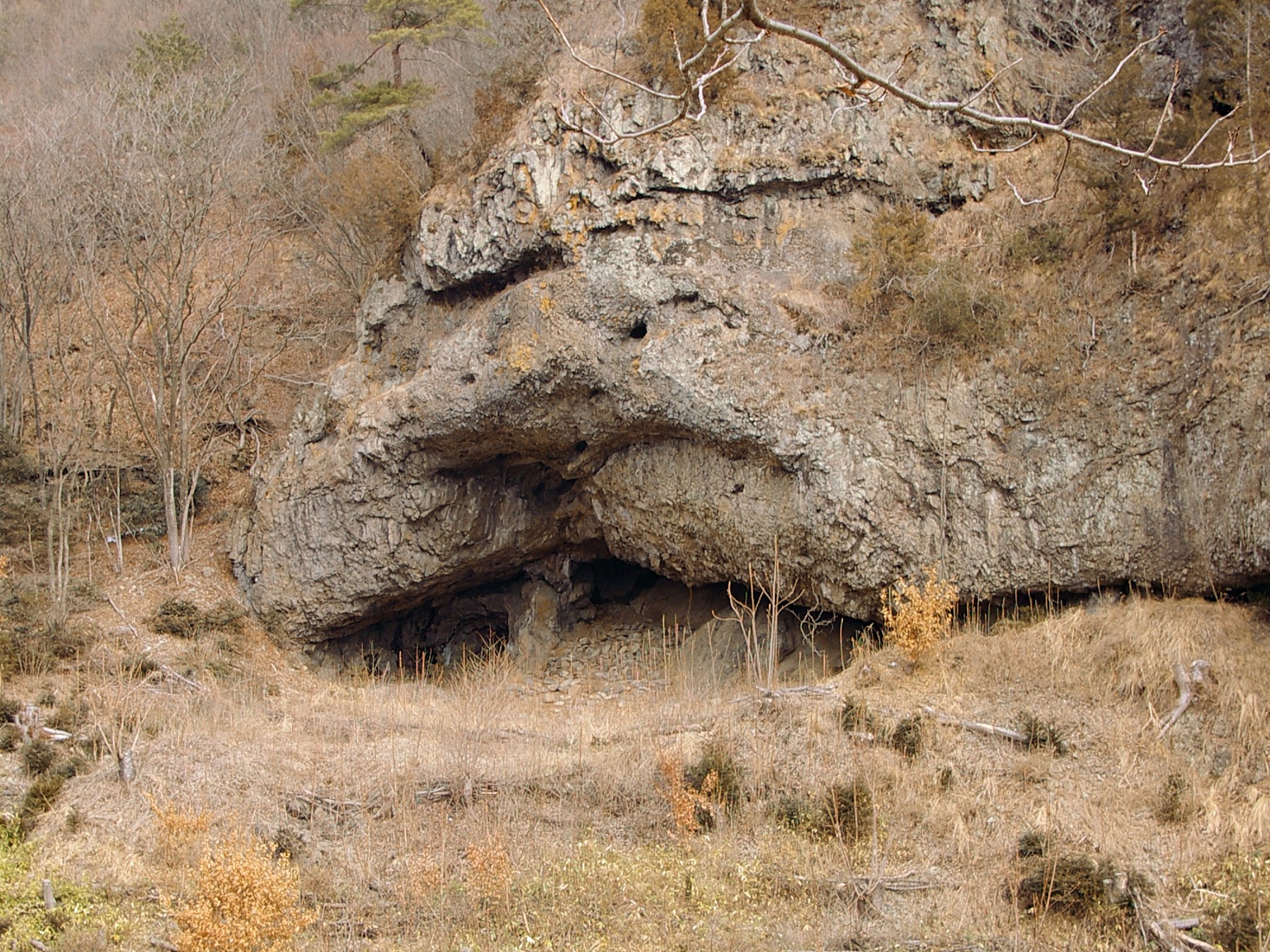
Tobayama Cave
Cave dwelling and tomb with grave goods
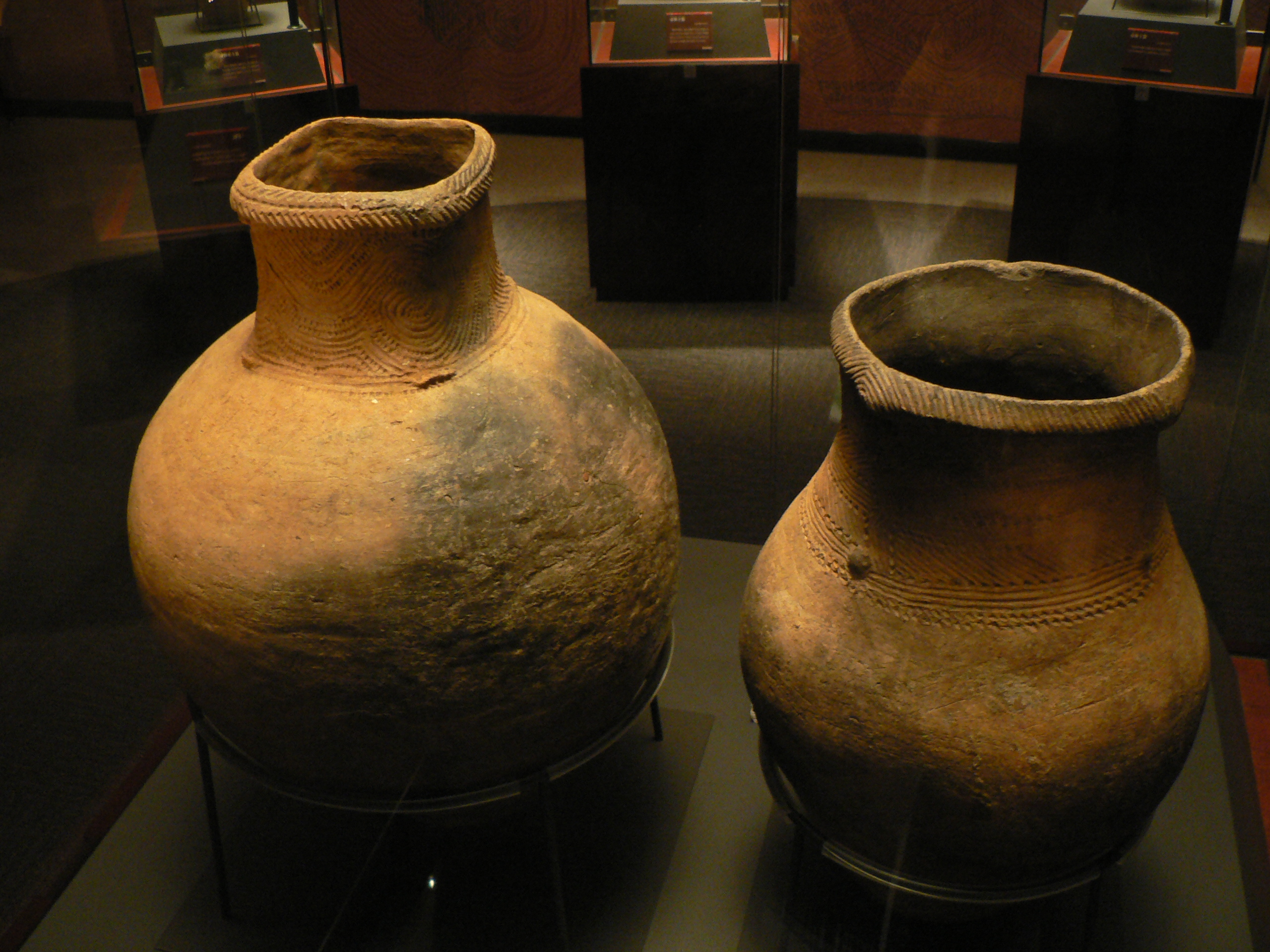
Uenohara site
Early Jōmon period settlement in Japan.
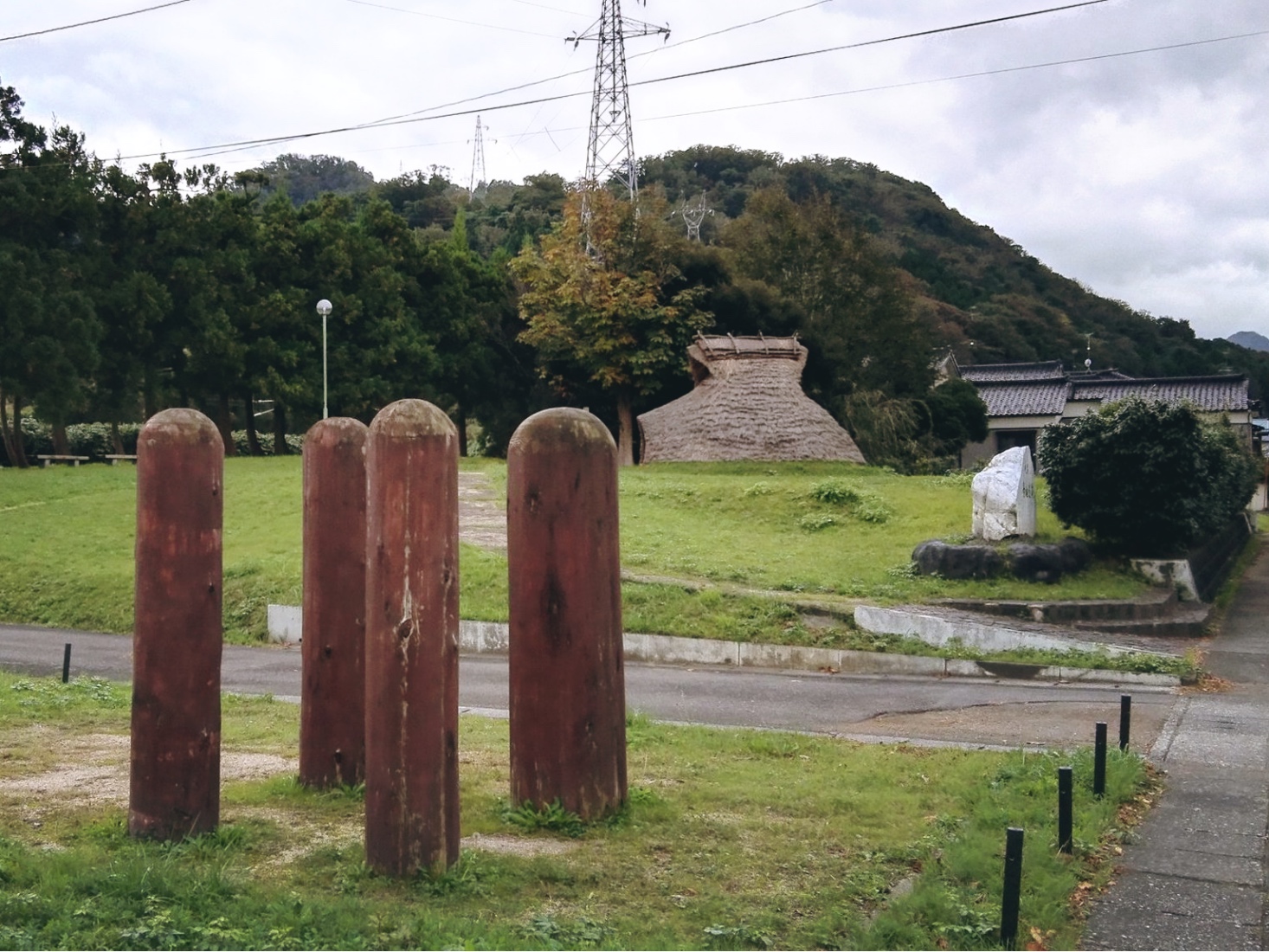
Terachi Site
Middle to late Jōmon period settlement
Tenpaku Site
Jōmon necropolis and ritual site in Japan
Mangyō Site
Late Yayoi–Early Kofun settlement, Nanao (Ishikawa), Japan
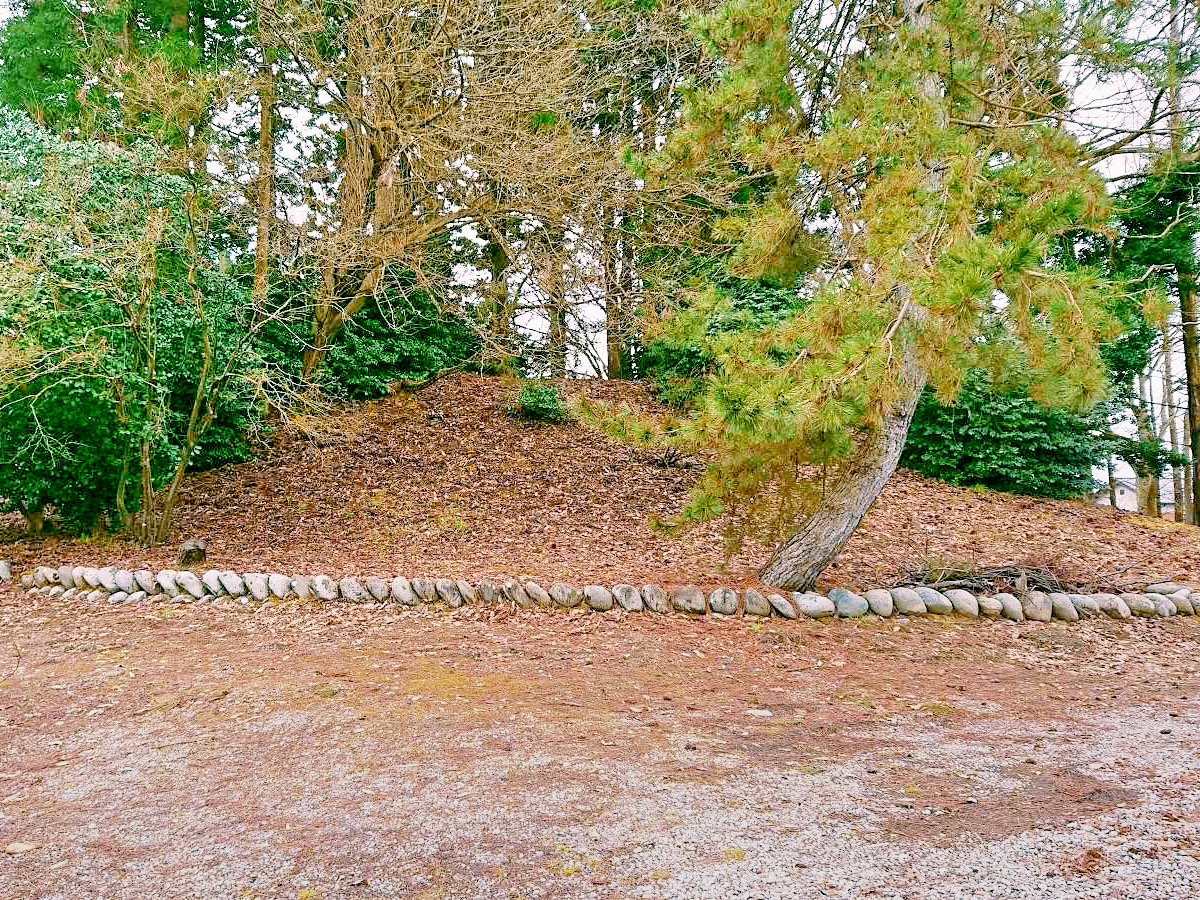
Kushidashin Site
Late Jōmon settlement with Kofun burial mounds.