
Explore the Map
Sengo ruins
35.2912° N, 138.5864° E
About
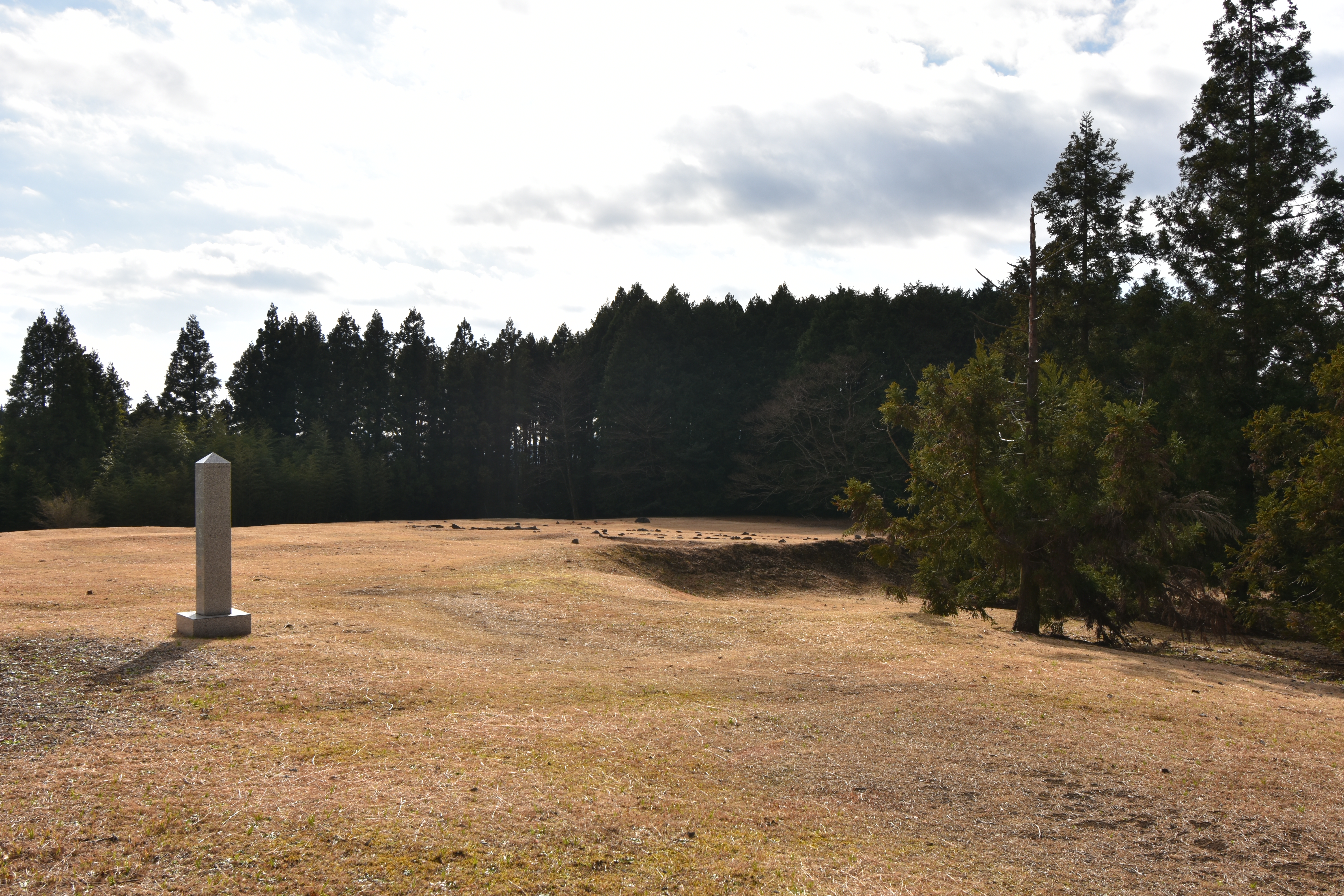
The Sengo ruins, located in Fujinomiya, Shizuoka, Japan, are a significant archaeological site dating back to the early through mid-Jōmon period, around 4000 BCE. Situated at the southeastern foot of Mount Fuji, the site includes the remains of a settlement featuring twenty pit dwellings arranged around a central 50-meter plaza. These dwellings, varying in size from three to 7.3 meters in diameter, suggest a community of considerable size. The presence of overlapping foundations indicates a history of rebuilding over time. The discovery of Jōmon pottery shards and surrounding stone circles further enhances the site's importance in understanding the cultural practices of the Jōmon period. The site's preservation under volcanic ash from Mount Fuji's eruptions provides a unique window into the prehistoric life and environmental conditions of ancient Japan.
Gallery
Explore photographs of ancient structures, artifacts, and archaeological excavations
Historical Timeline
Journey through time and discover key events in this site's history
Jōmon settlement phase
4000 BCE
Mount Fuji eruption ash layer
4000 BCE
Archaeological Features
Unique architectural and cultural elements found at this historical site
Religious and Ritual Structures
Domestic and Habitation Structures
Environmental and Natural Features
Frequently Asked Questions
Plan Your Visit
Tours, travel arrangements, and practical information
More Sites in Japan
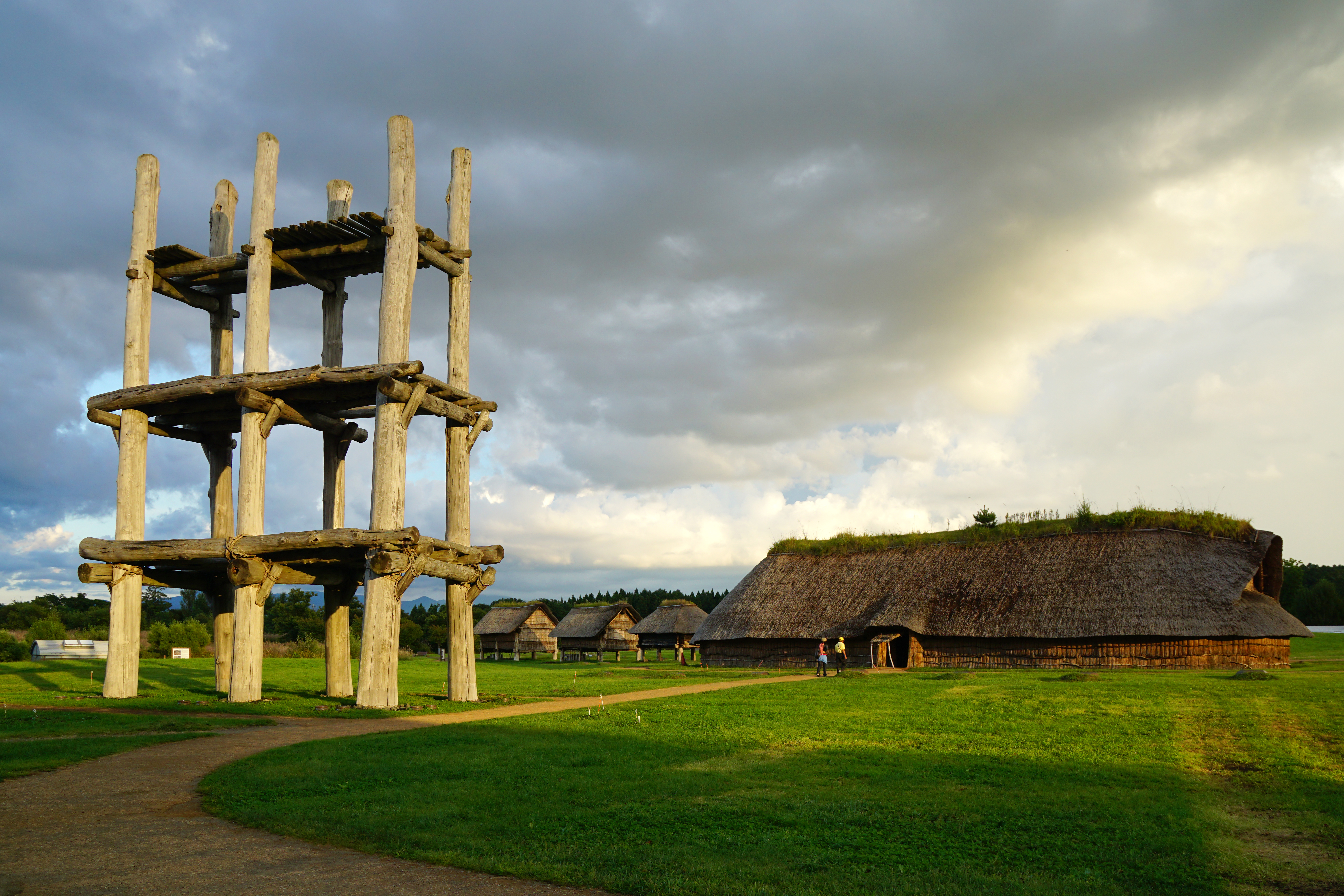
Sannai-Maruyama Site
Large Jōmon period settlement ruins
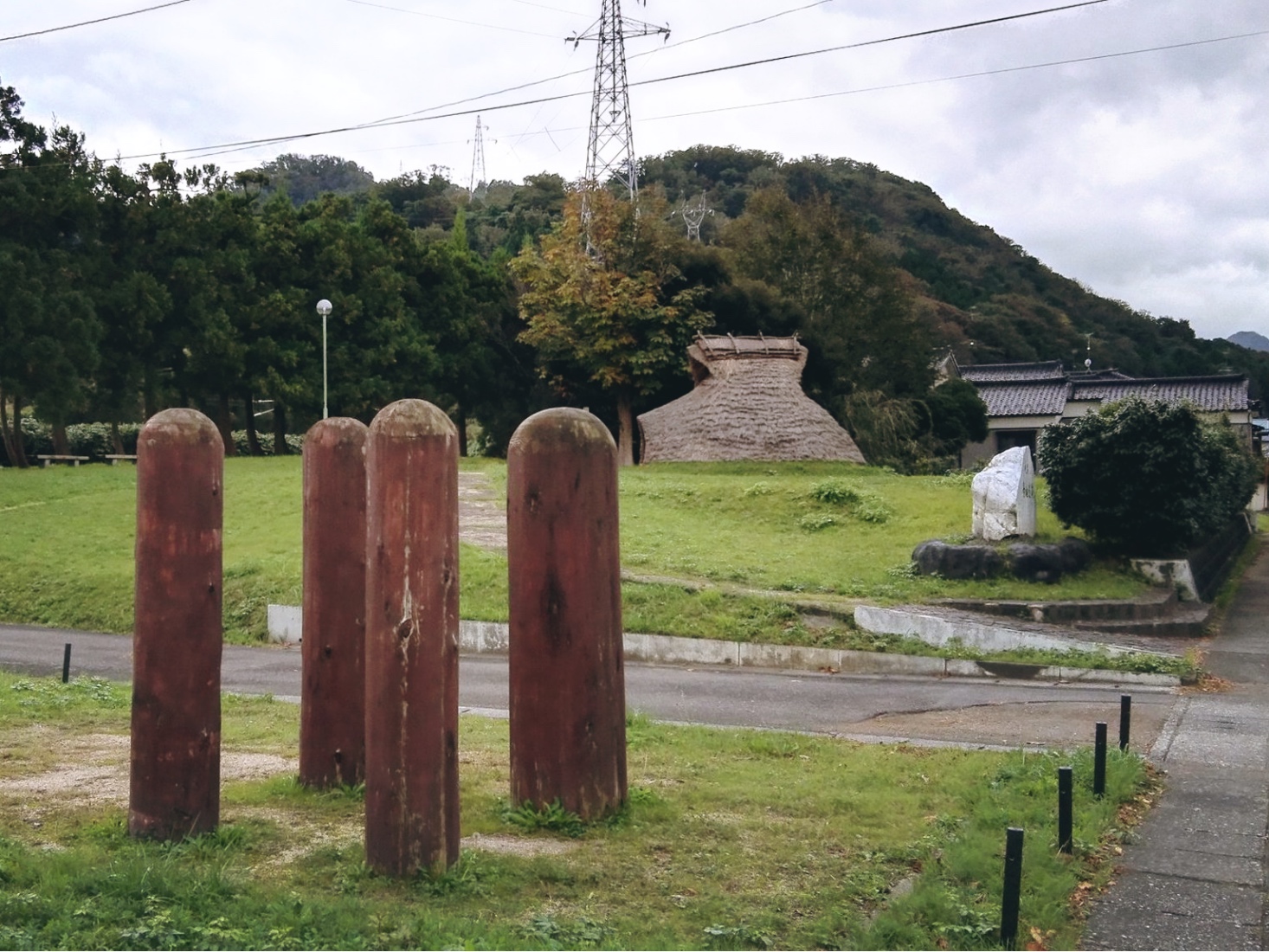
Terachi Site
Middle to late Jōmon period settlement
Mangyō Site
Late Yayoi–Early Kofun settlement, Nanao (Ishikawa), Japan
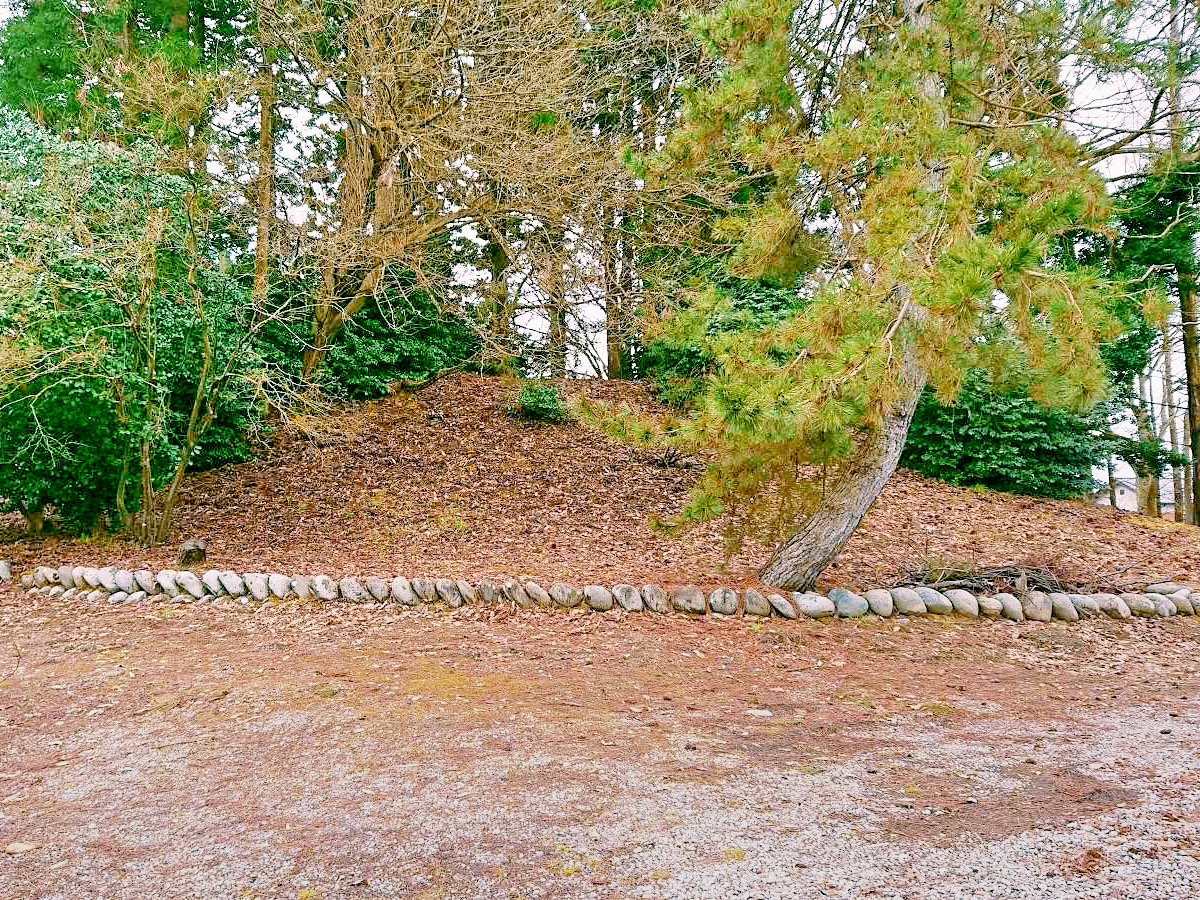
Kushidashin Site
Late Jōmon settlement with Kofun burial mounds.
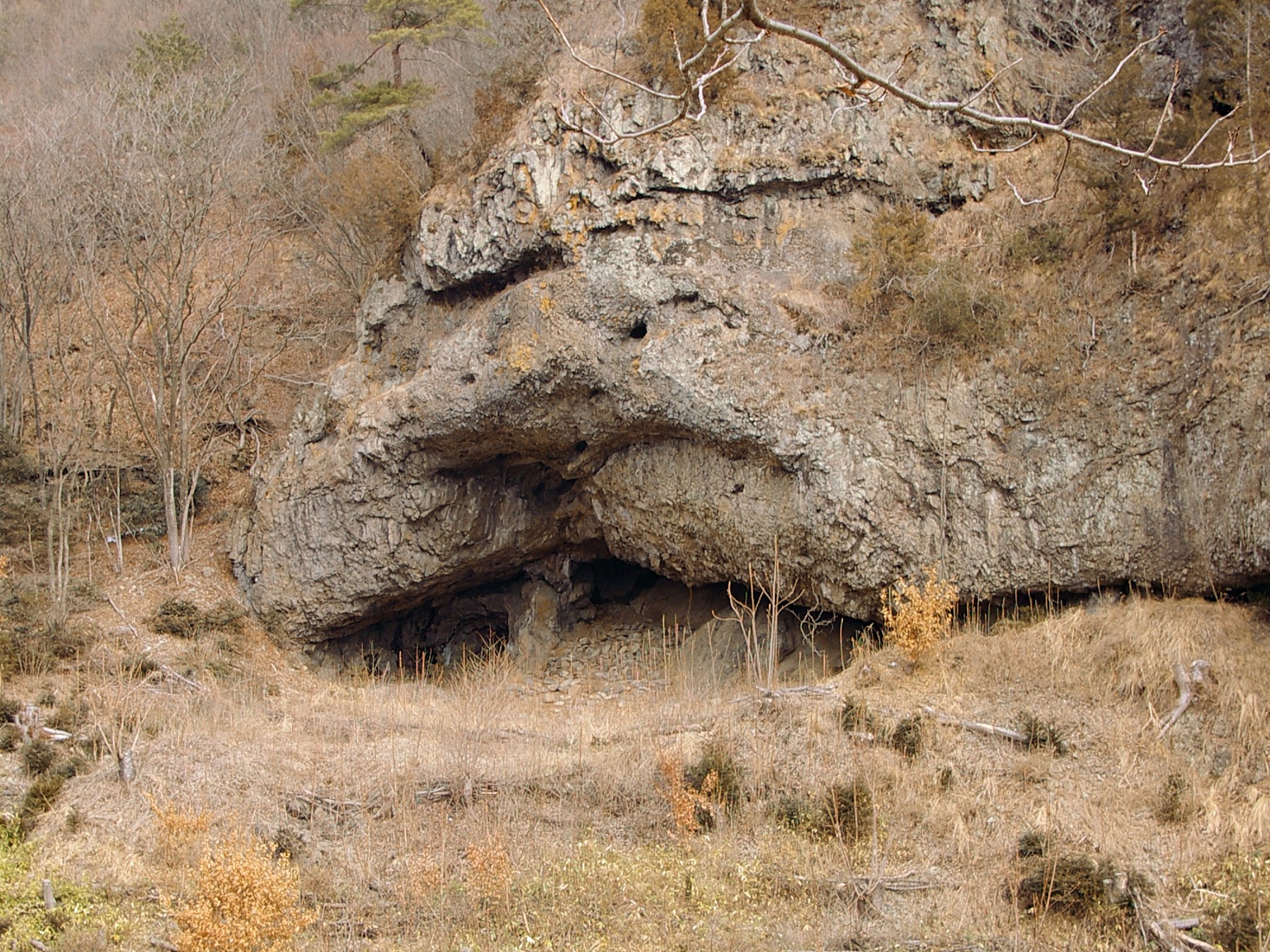
Tobayama Cave
Cave dwelling and tomb with grave goods
Tenpaku Site
Jōmon necropolis and ritual site in Japan