
Explore the Map
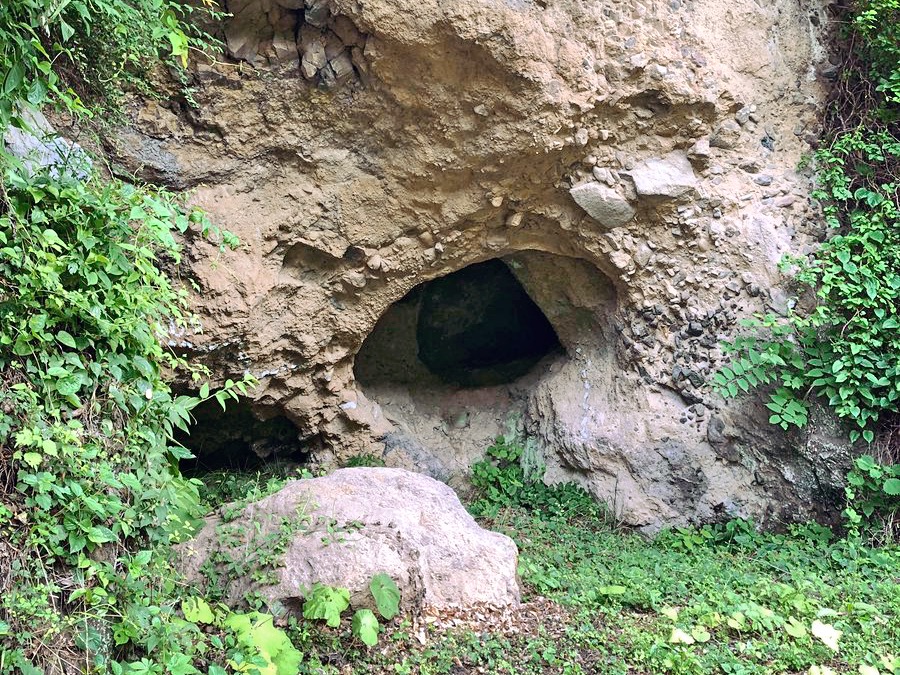
Tochibaraiwakage ruins
36.0620° N, 138.5148° E
About
The Tochibaraiwakage ruins in Nagano, Japan, are significant for their role as a Jōmon period cave dwelling site, inhabited for at least a thousand years. Located by the Aiki River and surrounded by rich mountainous resources, the site consists of three small rock shelters. Excavations revealed adult and child human remains, Jōmon pottery, stone tools, and sophisticated bone implements such as fish hooks and sewing needles. These findings, along with evidence of long-distance trade indicated by shark tooth tools, suggest a high level of technological advancement. The site also includes the earliest recorded accidental deaths in Japan, with the tragic collapse of a rock ceiling onto two young children. Artifacts from the site are displayed at the Kitaaiki Village Archaeological Museum, offering insights into early Jōmon life and culture.
Gallery
Explore photographs of ancient structures, artifacts, and archaeological excavations
Historical Timeline
Journey through time and discover key events in this site's history
Jōmon habitation
circa 9000 BCE
Child fatalities by rock fall
circa 9000 BCE
Archaeological Features
Unique architectural and cultural elements found at this historical site
Domestic and Habitation Structures
Environmental and Natural Features
Food Production and Processing Features
Frequently Asked Questions
Plan Your Visit
Tours, travel arrangements, and practical information
More Sites in Japan
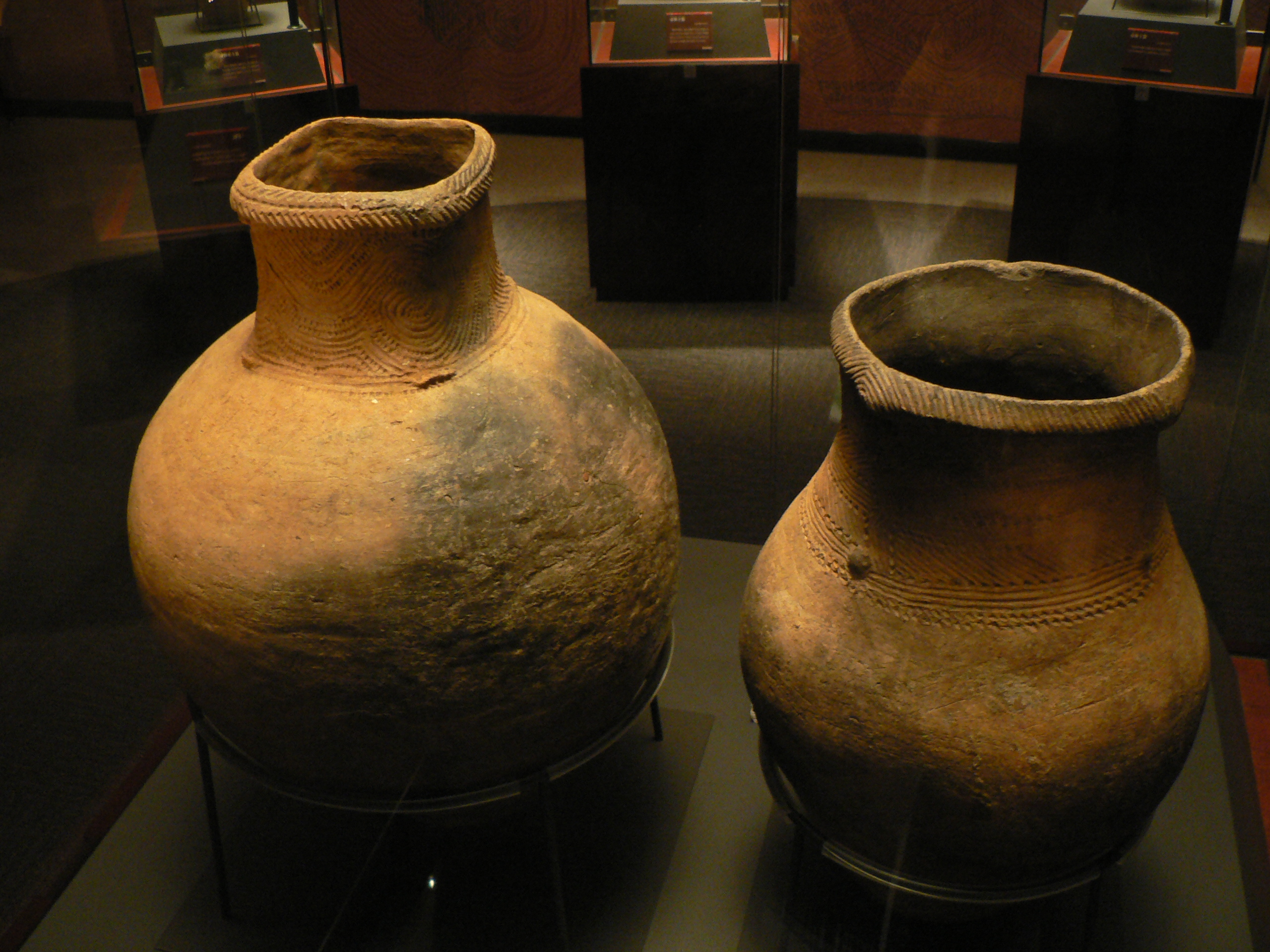
Uenohara site
Early Jōmon period settlement in Japan.
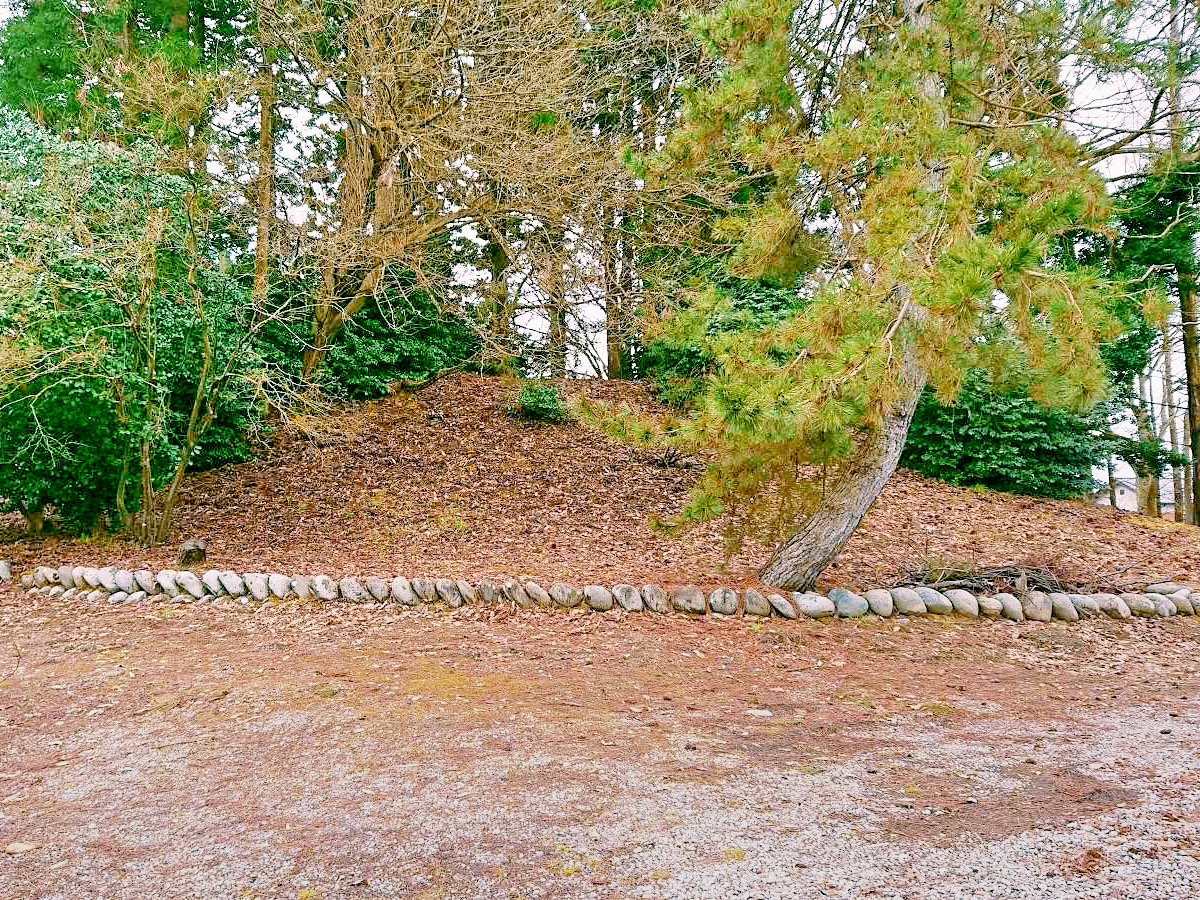
Kushidashin Site
Late Jōmon settlement with Kofun burial mounds.
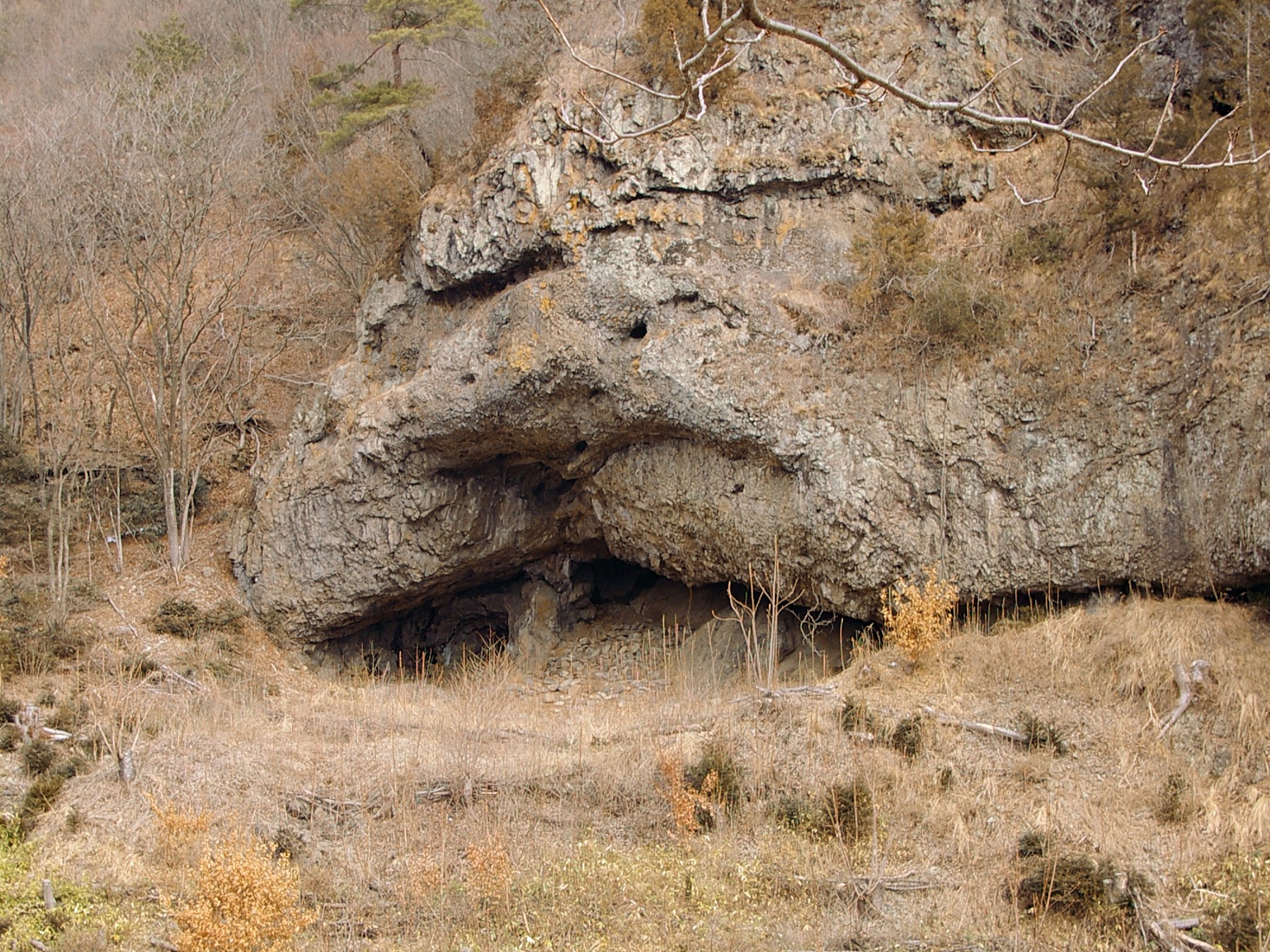
Tobayama Cave
Cave dwelling and tomb with grave goods
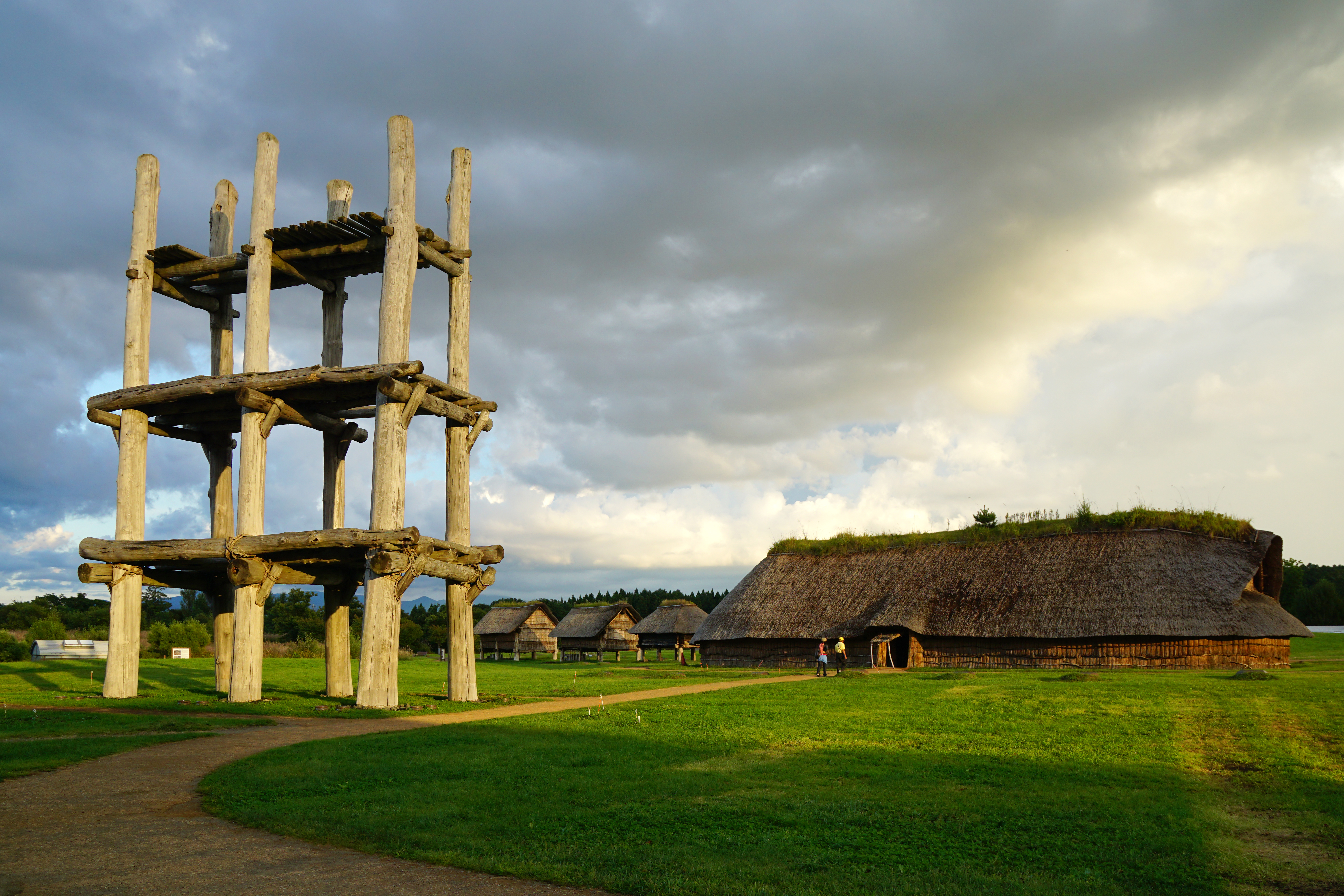
Sannai-Maruyama Site
Large Jōmon period settlement ruins
Mangyō Site
Late Yayoi–Early Kofun settlement, Nanao (Ishikawa), Japan
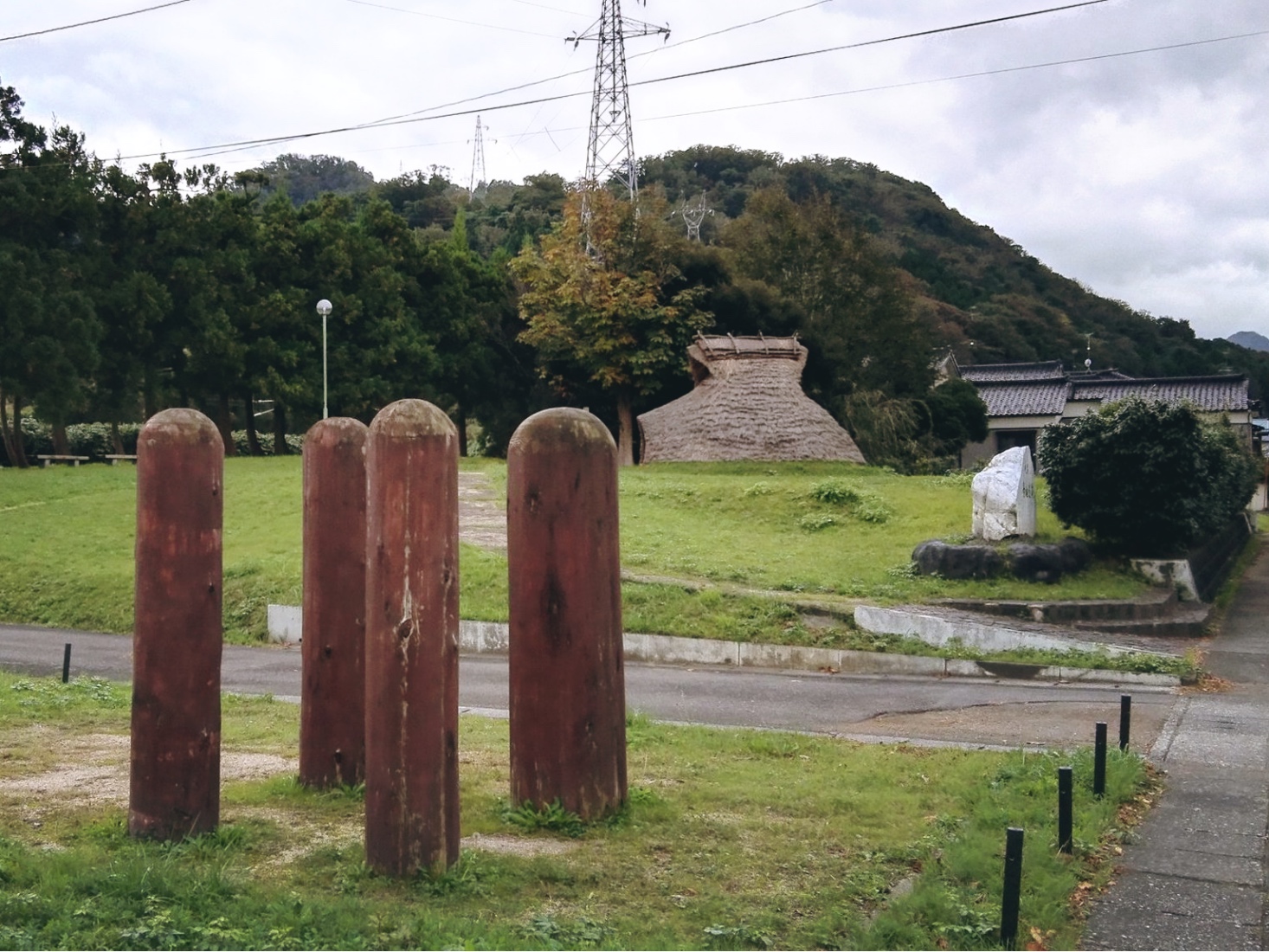
Terachi Site
Middle to late Jōmon period settlement