Explore the Map
Negoyadai Site
36.5350° N, 139.8331° E
About
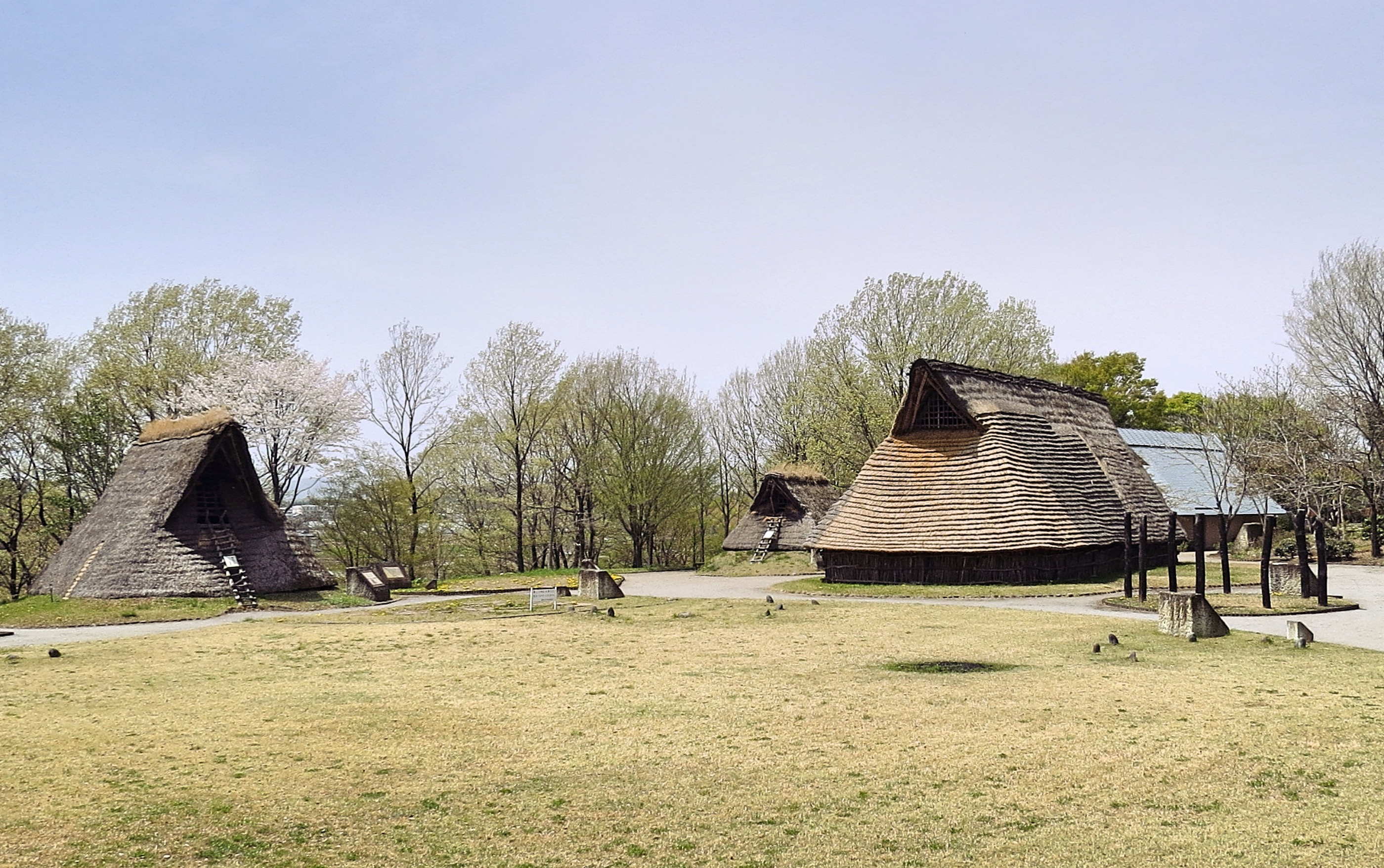
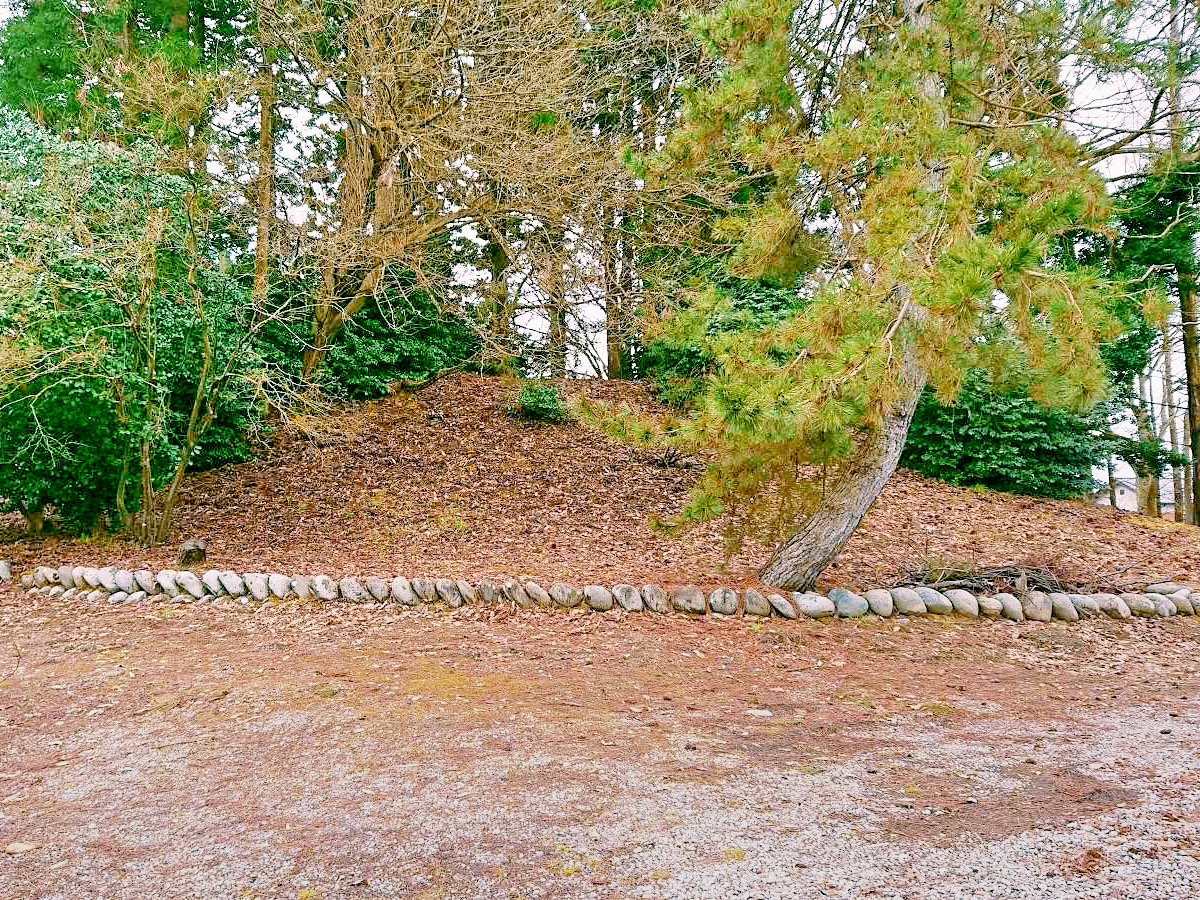
The Negoyadai Site, located in Utsunomiya, Tochigi Prefecture, Japan, is a significant archaeological site from the Jōmon period, featuring a settlement and a necropolis. The site, discovered during the construction of a municipal cemetery, comprises pit dwellings and grave pits, which are arranged around a central plaza. The pit dwellings are notably large, suggesting communal living, while the necropolis consists of over 339 grave pits, indicating the site's importance in ritual activities. Grave goods such as stone earrings, cylindrical beads, and stone implements were found, highlighting the site's cultural significance. Designated as a National Historic Site in 1988, the artifacts excavated here were declared an Important Cultural Property of Japan in 1990. The site's preservation and reconstruction efforts allow for a glimpse into the Jōmon period, offering insights into the social and ritual practices of the time.
Gallery
Explore photographs of ancient structures, artifacts, and archaeological excavations
Historical Timeline
Journey through time and discover key events in this site's history
Jōmon period habitation
10,000 BCE – 300 BCE
Archaeological Features
Unique architectural and cultural elements found at this historical site
Public and Civic Structures
Burial and Funerary Structures
Domestic and Habitation Structures
Frequently Asked Questions
Plan Your Visit
Tours, travel arrangements, and practical information
More Sites in Japan
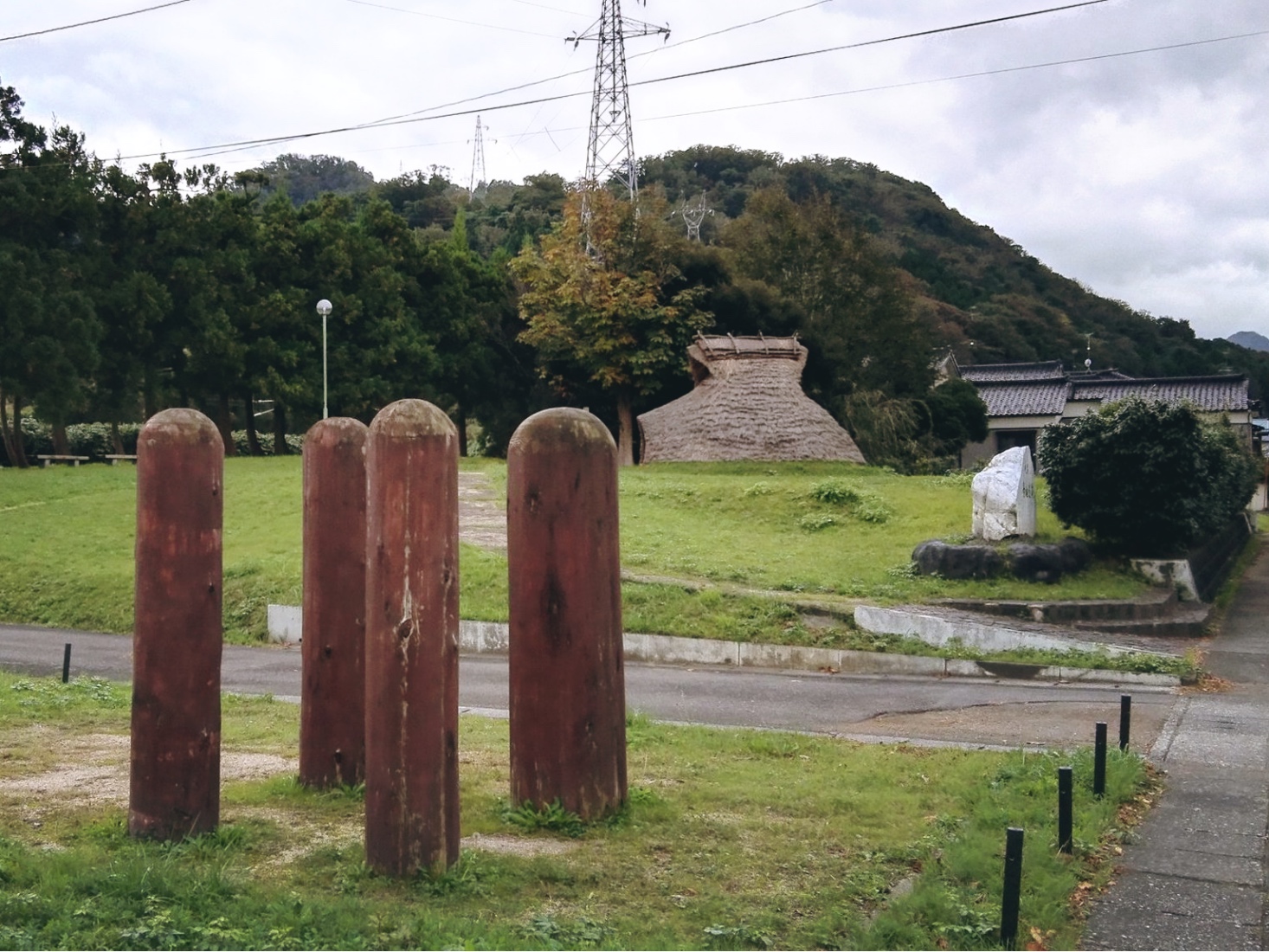
Terachi Site
Middle to late Jōmon period settlement
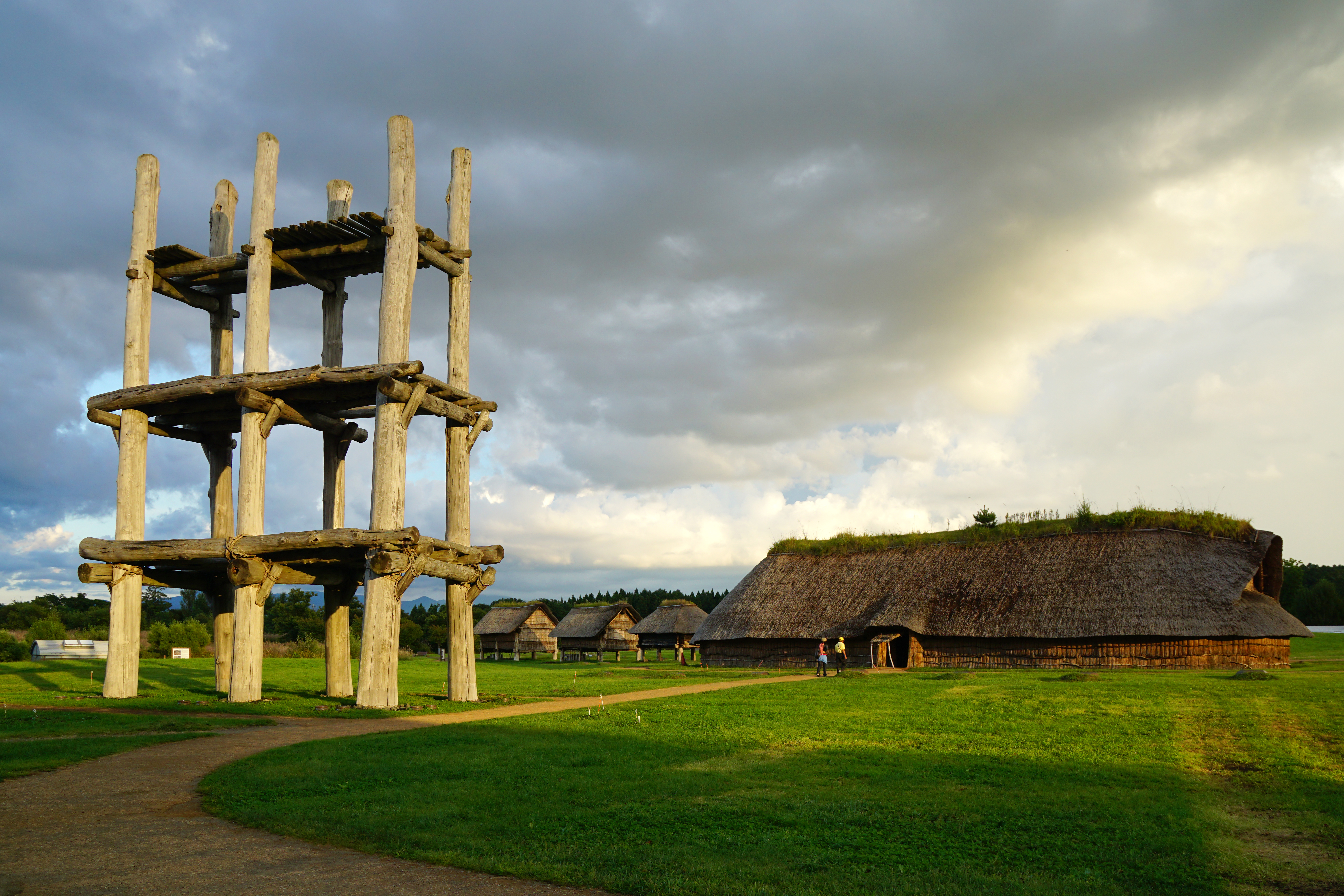
Sannai-Maruyama Site
Large Jōmon period settlement ruins
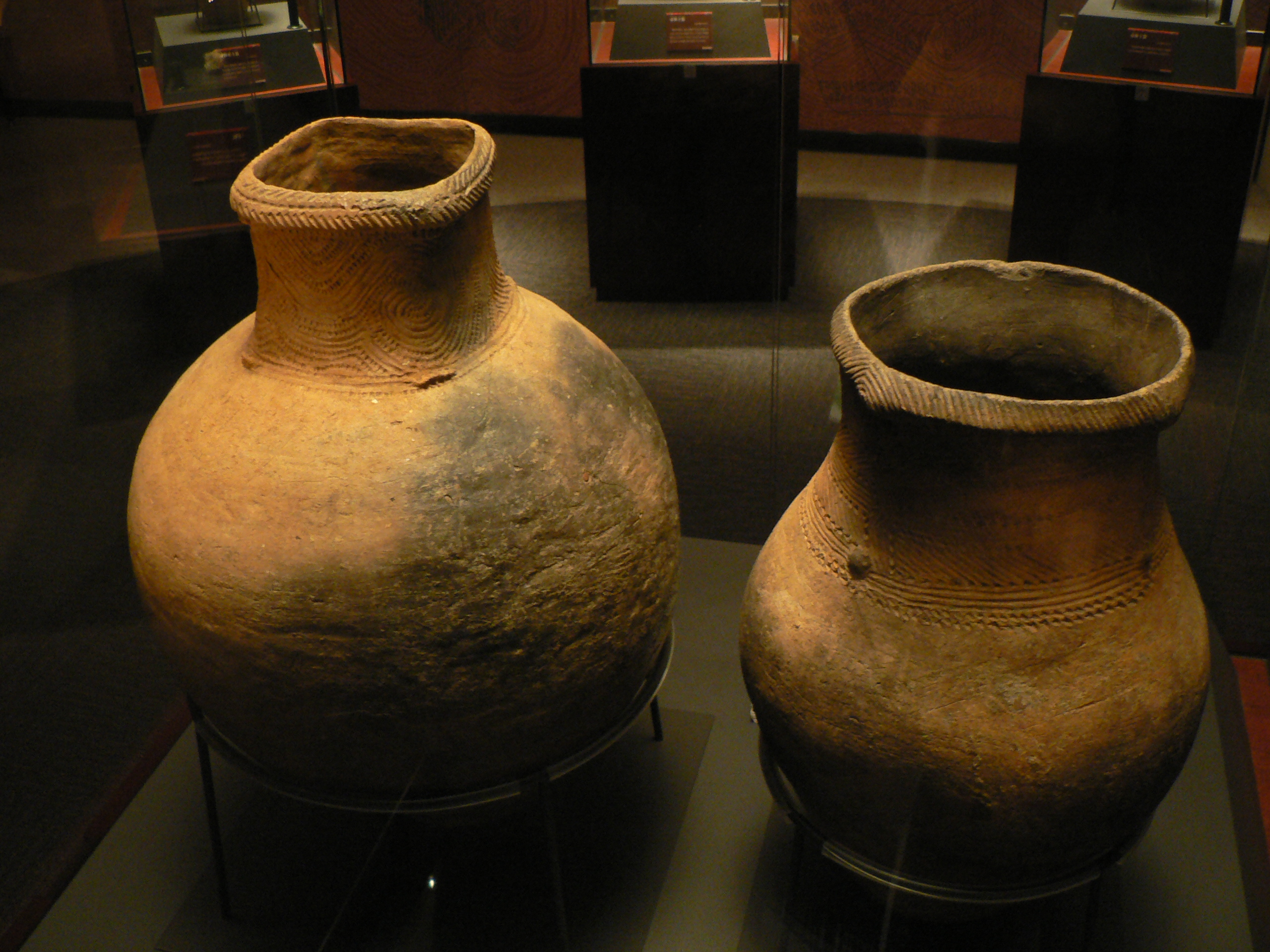
Uenohara site
Early Jōmon period settlement in Japan.
Mangyō Site
Late Yayoi–Early Kofun settlement, Nanao (Ishikawa), Japan
Kushidashin Site
Late Jōmon settlement with Kofun burial mounds.
Tenpaku Site
Jōmon necropolis and ritual site in Japan