Explore the Map
Uenohara site
31.7125° N, 130.8011° E
About
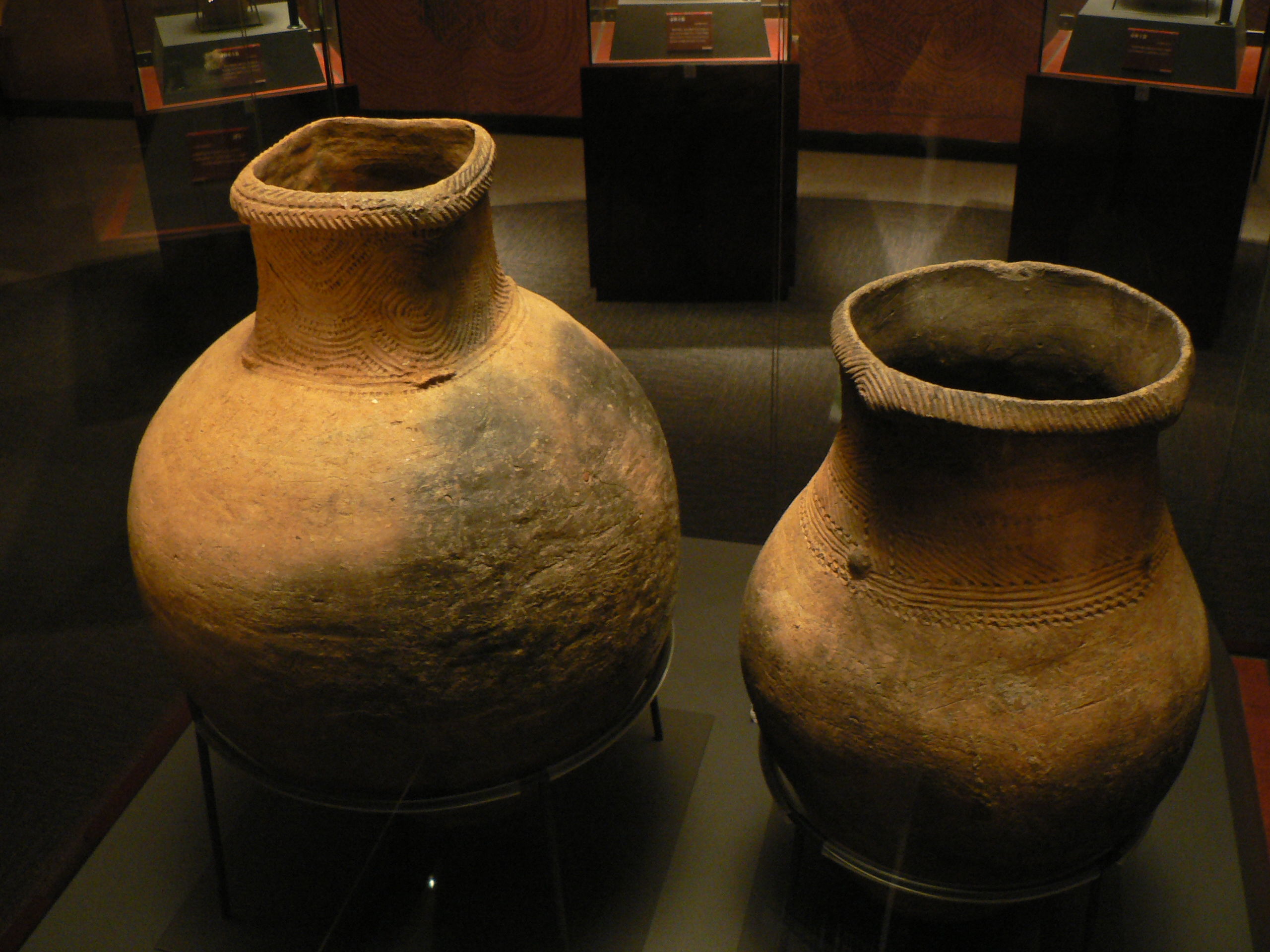
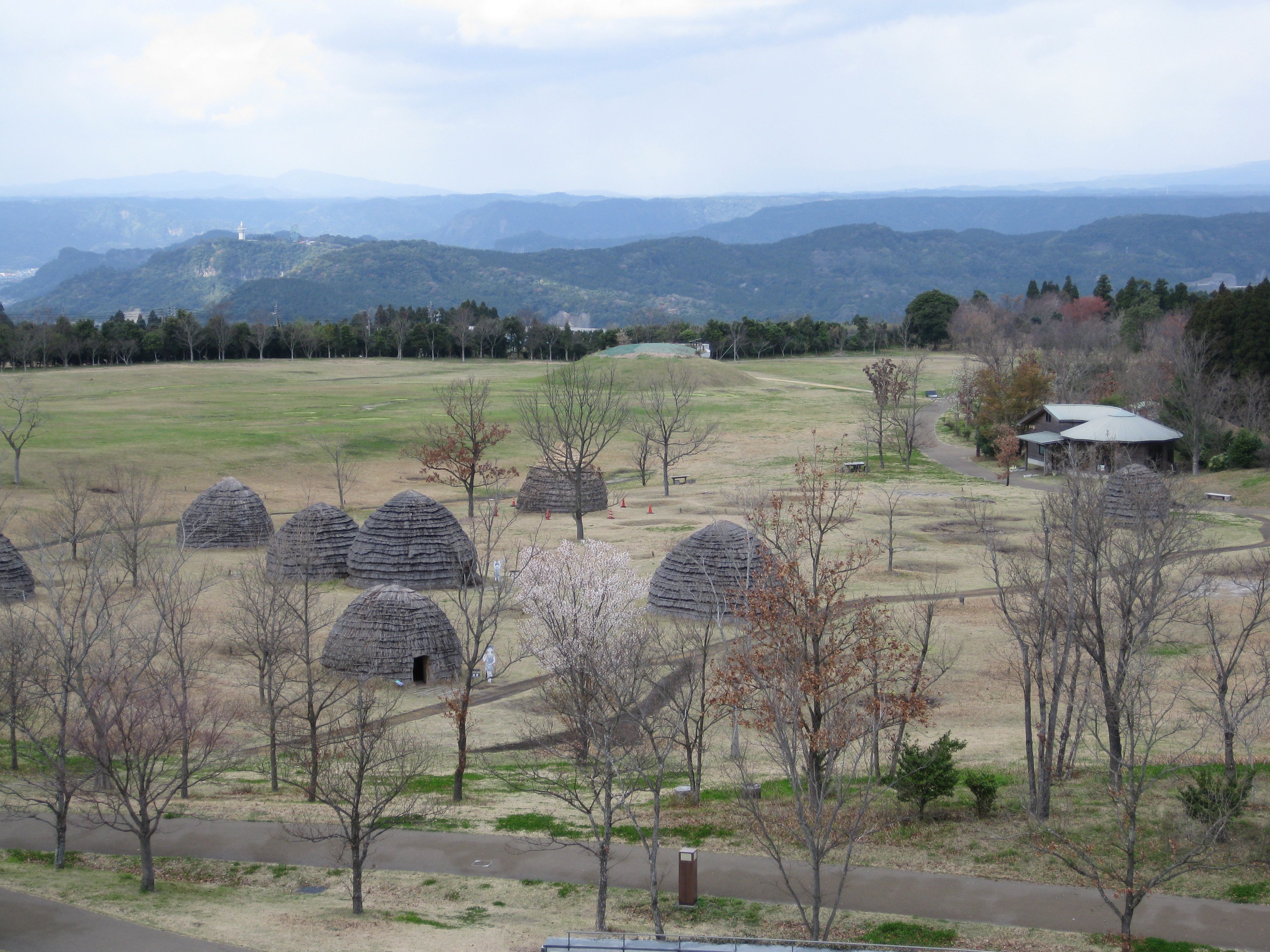
The Uenohara Site, located on the Uenohara Plateau in Kirishima, Kagoshima, Japan, represents one of the oldest permanent settlements in Japan, dating back to the early Jōmon period around 9500 BCE. This archaeological site is notable for its 52 pit dwellings, 65 stone collection remains, and 16 storage pits, arranged in an organized manner indicative of a stable society. The site is characterized by its volcanic ash and pumice layers from Mount Sakurajima, which helped in dating the ruins. Additionally, evidence of food preparation and ritual activities, including large pot-shaped Jōmon earthenware and polished stone axes, was found. The site's significance is further emphasized by its designation as a National Historic Site in 1999, and its pottery was recognized as a National Important Cultural Property in 1998.
Gallery
Explore photographs of ancient structures, artifacts, and archaeological excavations
Historical Timeline
Journey through time and discover key events in this site's history
Settlement Establishment
9500 BCE
Late Early Jōmon Activities
7500 BCE
Archaeological Features
Unique architectural and cultural elements found at this historical site
Storage Structures
Religious and Ritual Structures
Domestic and Habitation Structures
Food Production and Processing Features
Frequently Asked Questions
Plan Your Visit
Tours, travel arrangements, and practical information
More Sites in Japan
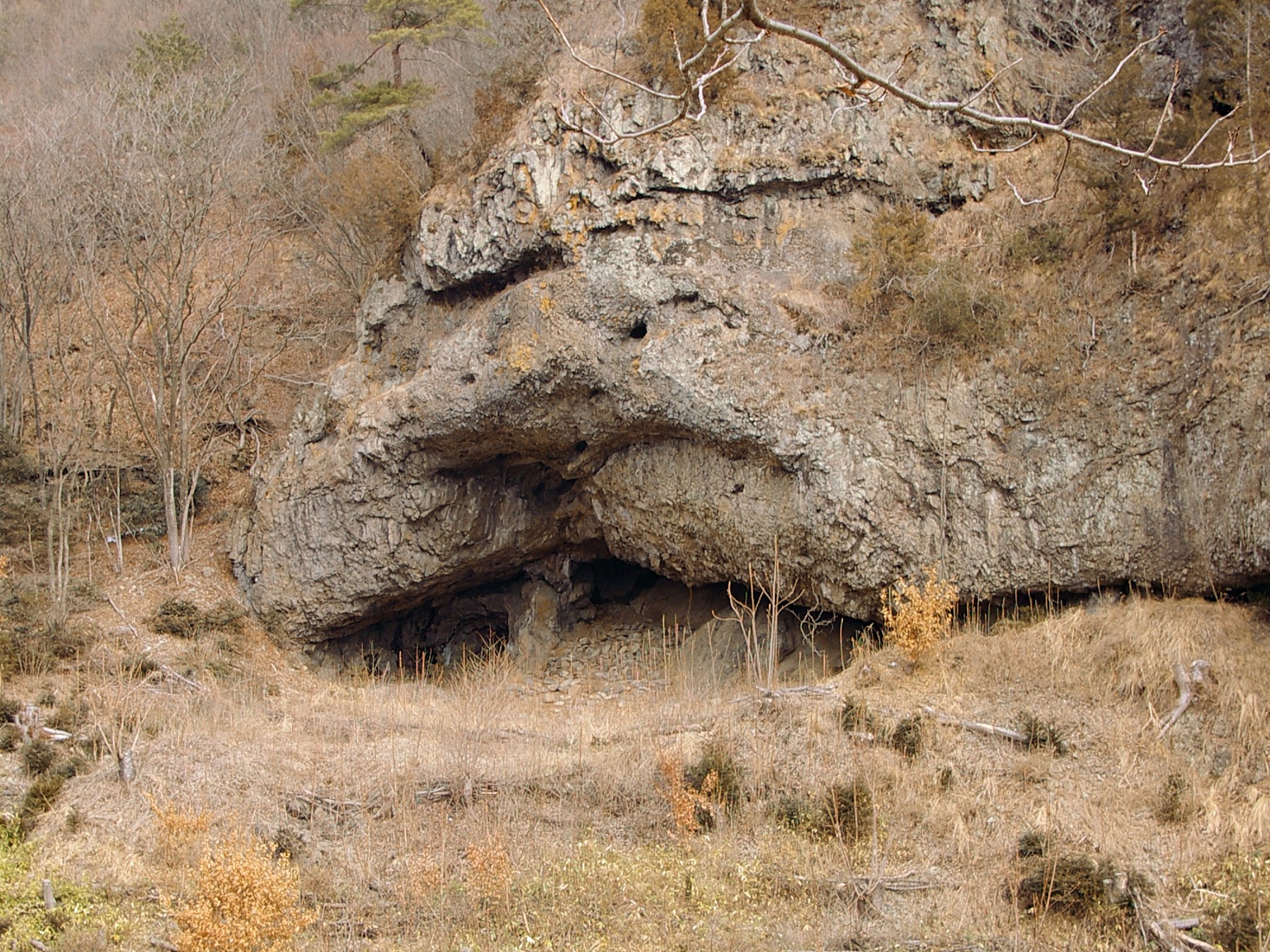
Tobayama Cave
Cave dwelling and tomb with grave goods
Tenpaku Site
Jōmon necropolis and ritual site in Japan
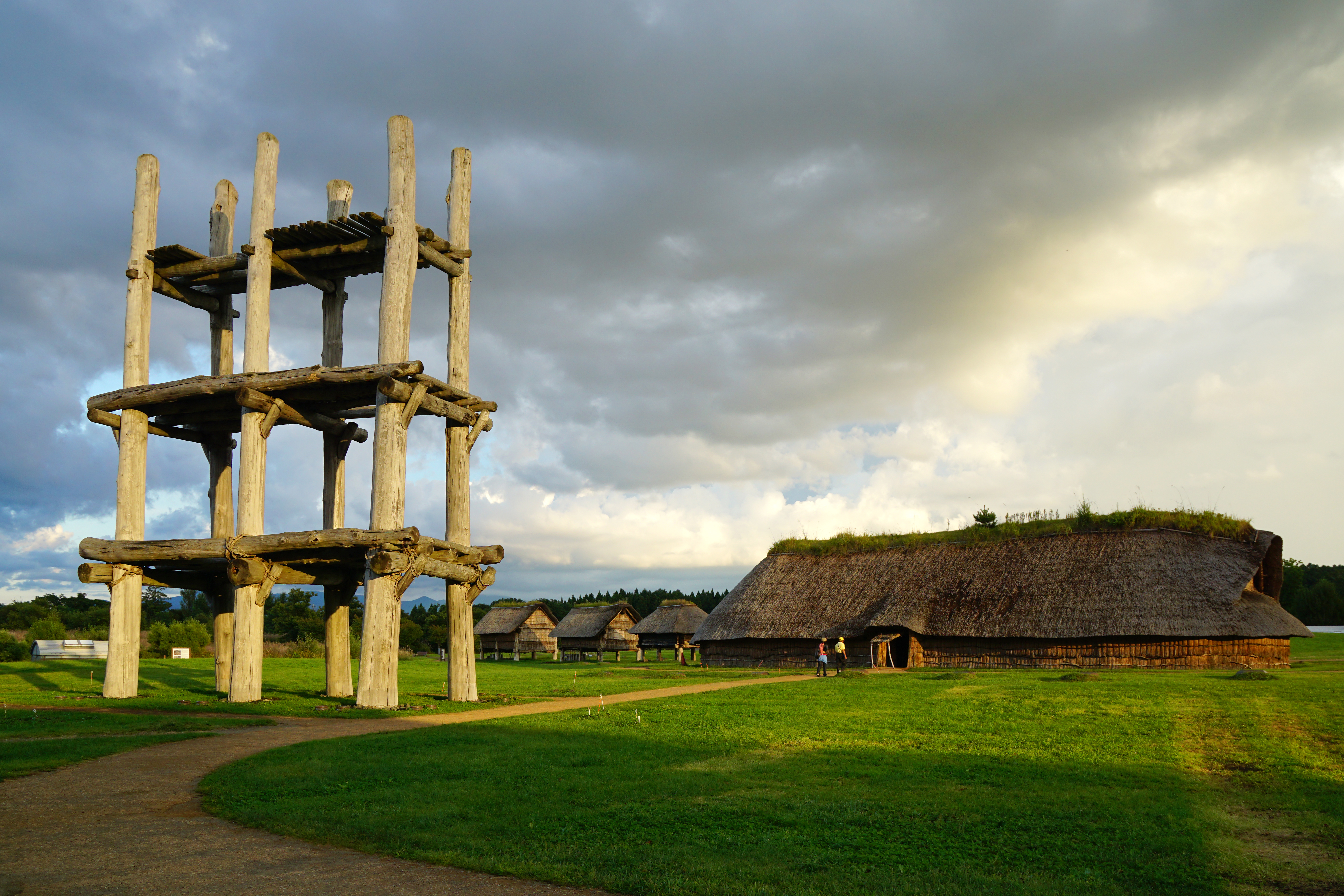
Sannai-Maruyama Site
Large Jōmon period settlement ruins
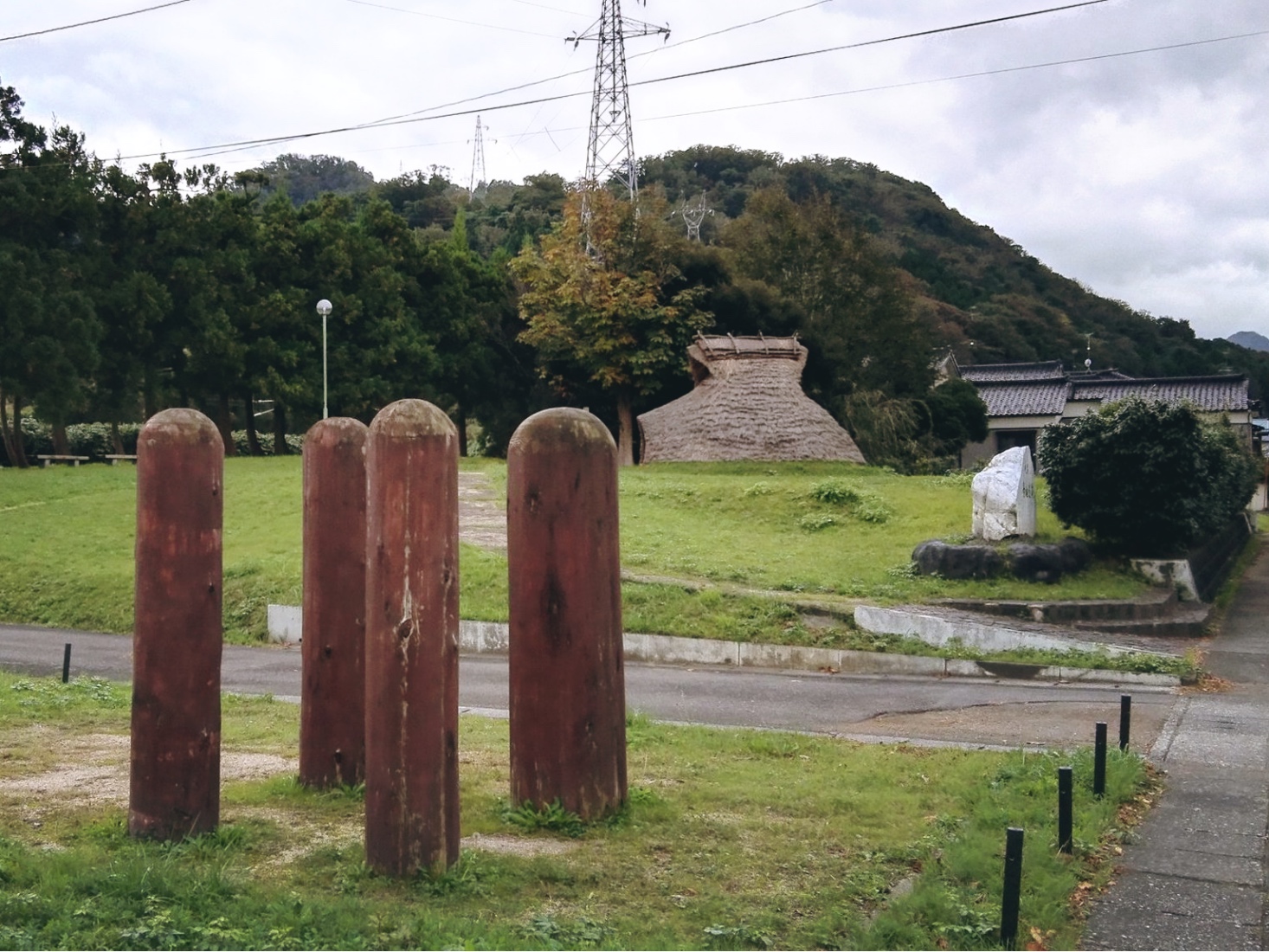
Terachi Site
Middle to late Jōmon period settlement
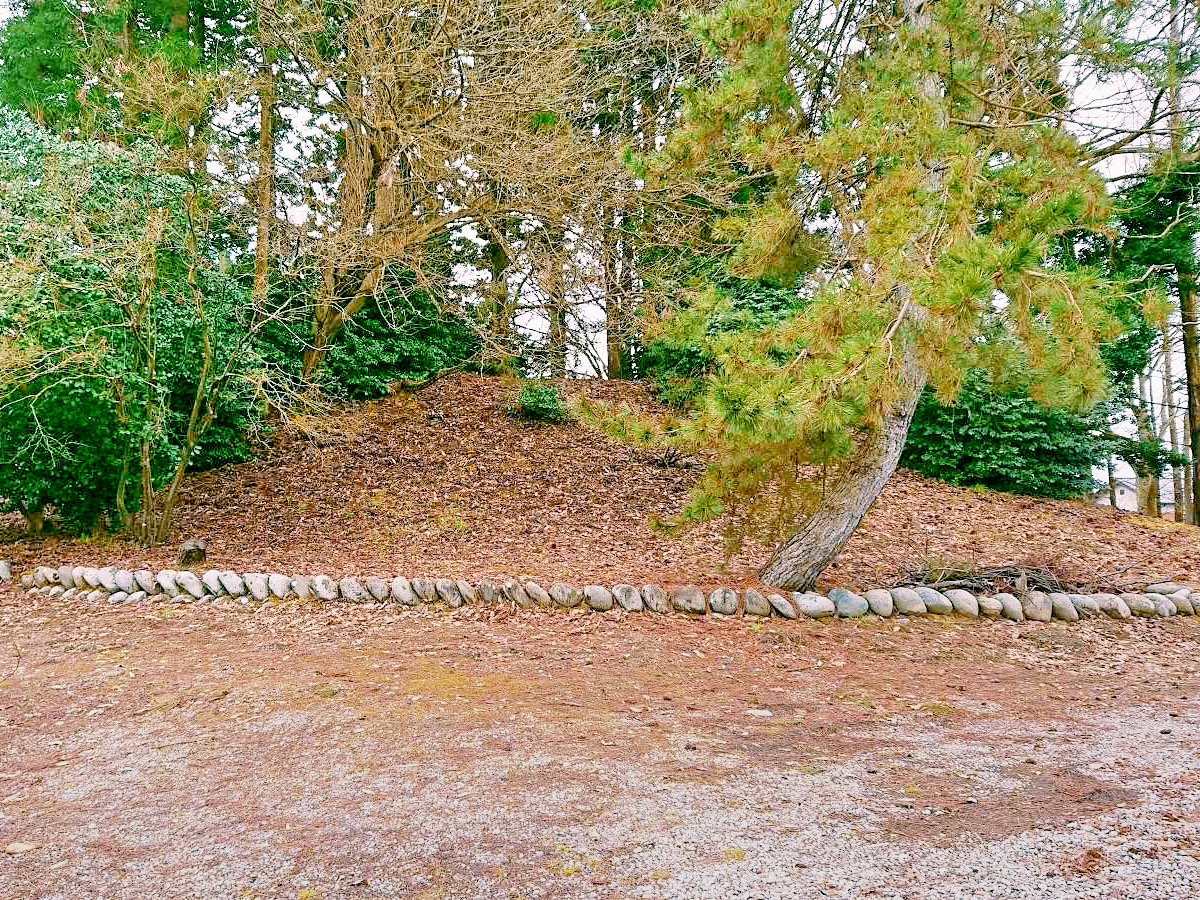
Kushidashin Site
Late Jōmon settlement with Kofun burial mounds.
Mangyō Site
Late Yayoi–Early Kofun settlement, Nanao (Ishikawa), Japan