Explore the Map
Terachi Site
37.0250° N, 137.8094° E
About
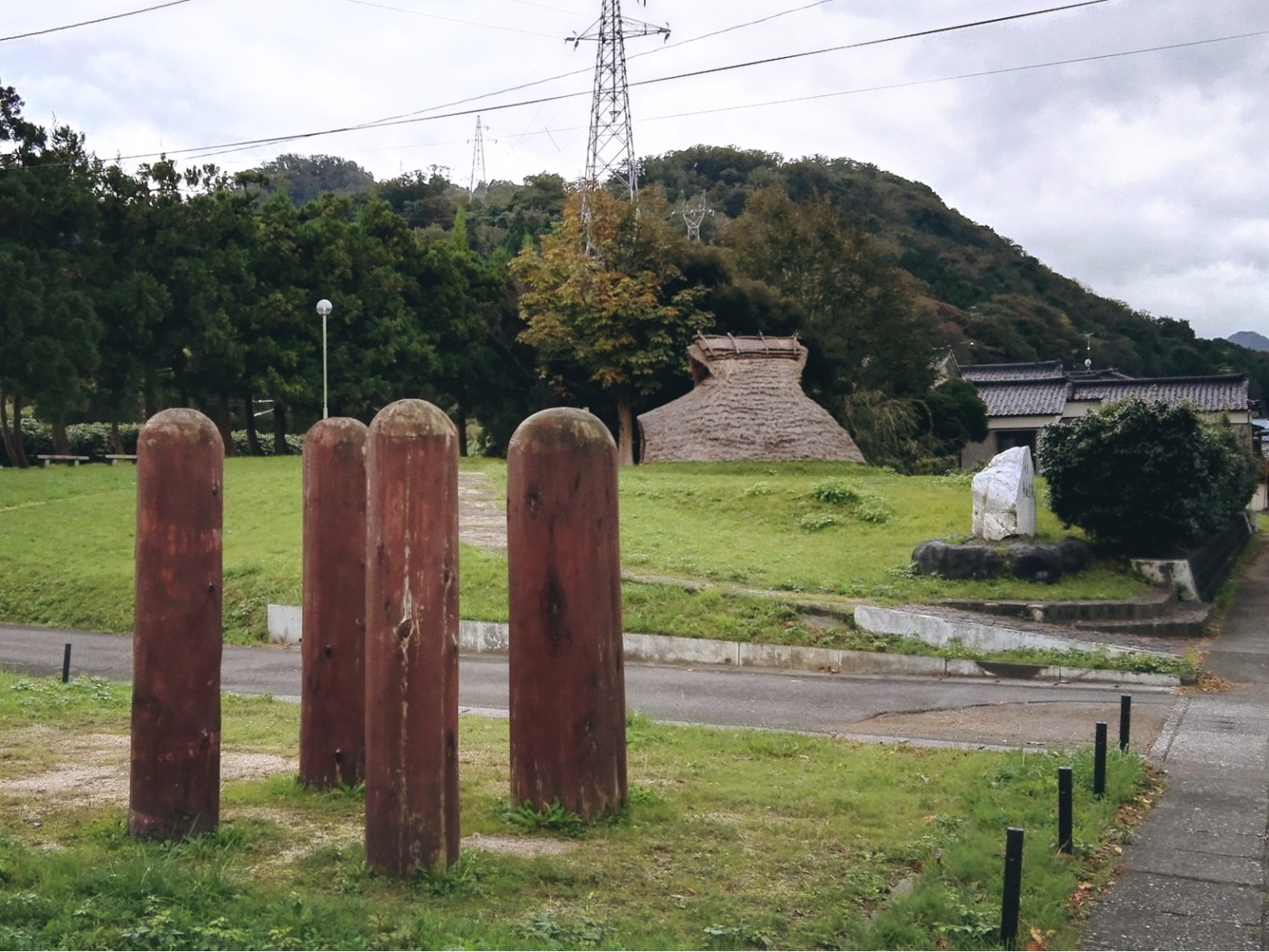
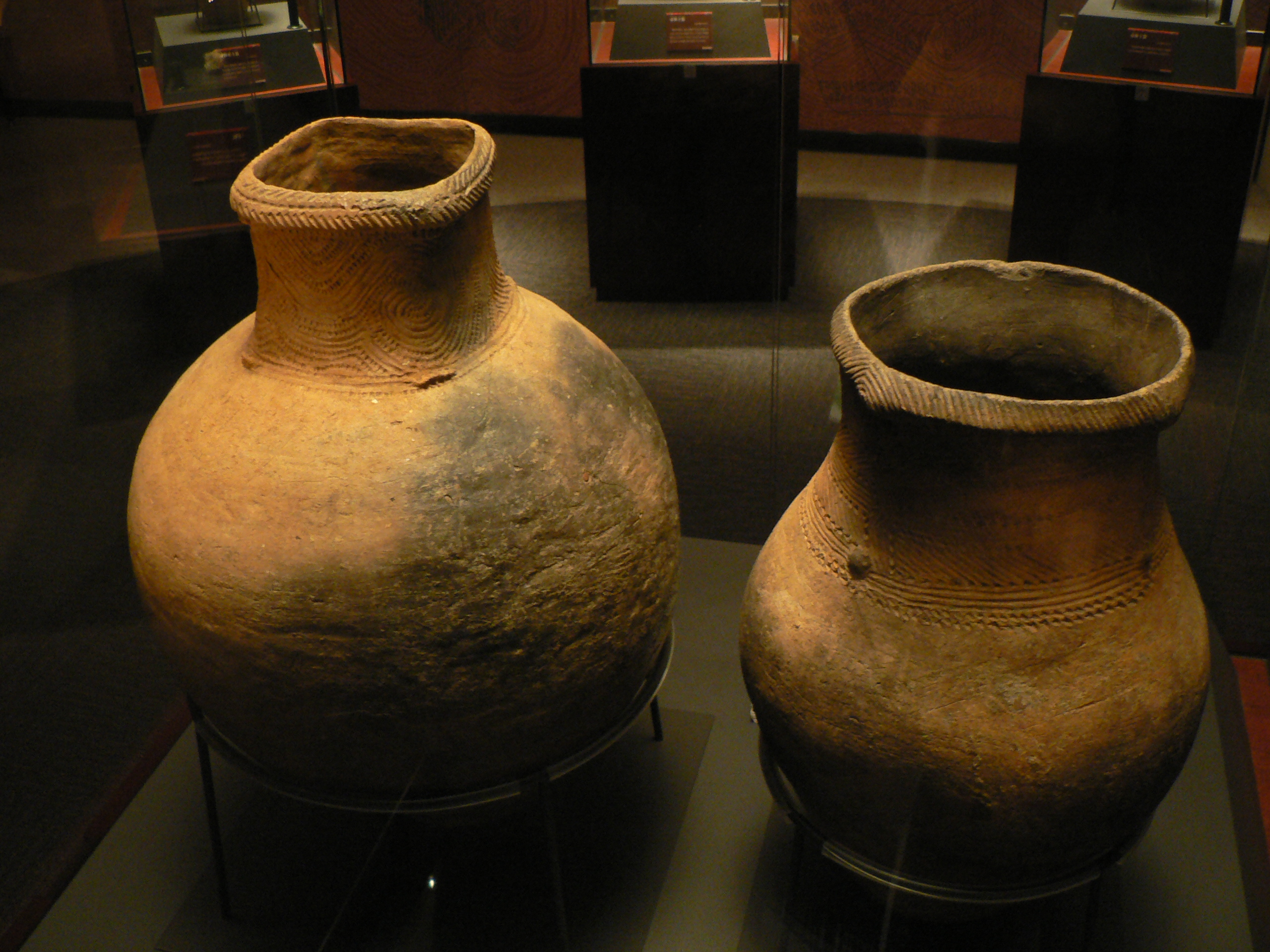
The Terachi Site, located in the Teraji neighborhood of Itoigawa, Niigata, Japan, is a significant archaeological site from the middle to late Jōmon period, dating back 5,000 to 3,500 years. This site is notable for its extensive settlement remains, including pit dwellings and workshops dedicated to the production of jadeite and serpentine artifacts such as stone axes, beads, and magatama. The presence of whetstones, abrasive sales, and furnaces indicates a highly developed craft industry. The arrangement of four large wooden pillars suggests a potential ritual or calendrical function. The site's artifacts have been found throughout the Hokuriku and Kantō regions, highlighting its importance in regional trade and cultural exchange. Today, the site is preserved as an archaeological park with reconstructed dwellings for public education and appreciation.
Gallery
Explore photographs of ancient structures, artifacts, and archaeological excavations
Historical Timeline
Journey through time and discover key events in this site's history
Jōmon period settlement
5000 BCE to 3500 BCE
Archaeological Features
Unique architectural and cultural elements found at this historical site
Industrial and Craft Structures
Religious and Ritual Structures
Domestic and Habitation Structures
Astronomical and Timekeeping Structures
Frequently Asked Questions
Plan Your Visit
Tours, travel arrangements, and practical information
More Sites in Japan
Mangyō Site
Late Yayoi–Early Kofun settlement, Nanao (Ishikawa), Japan
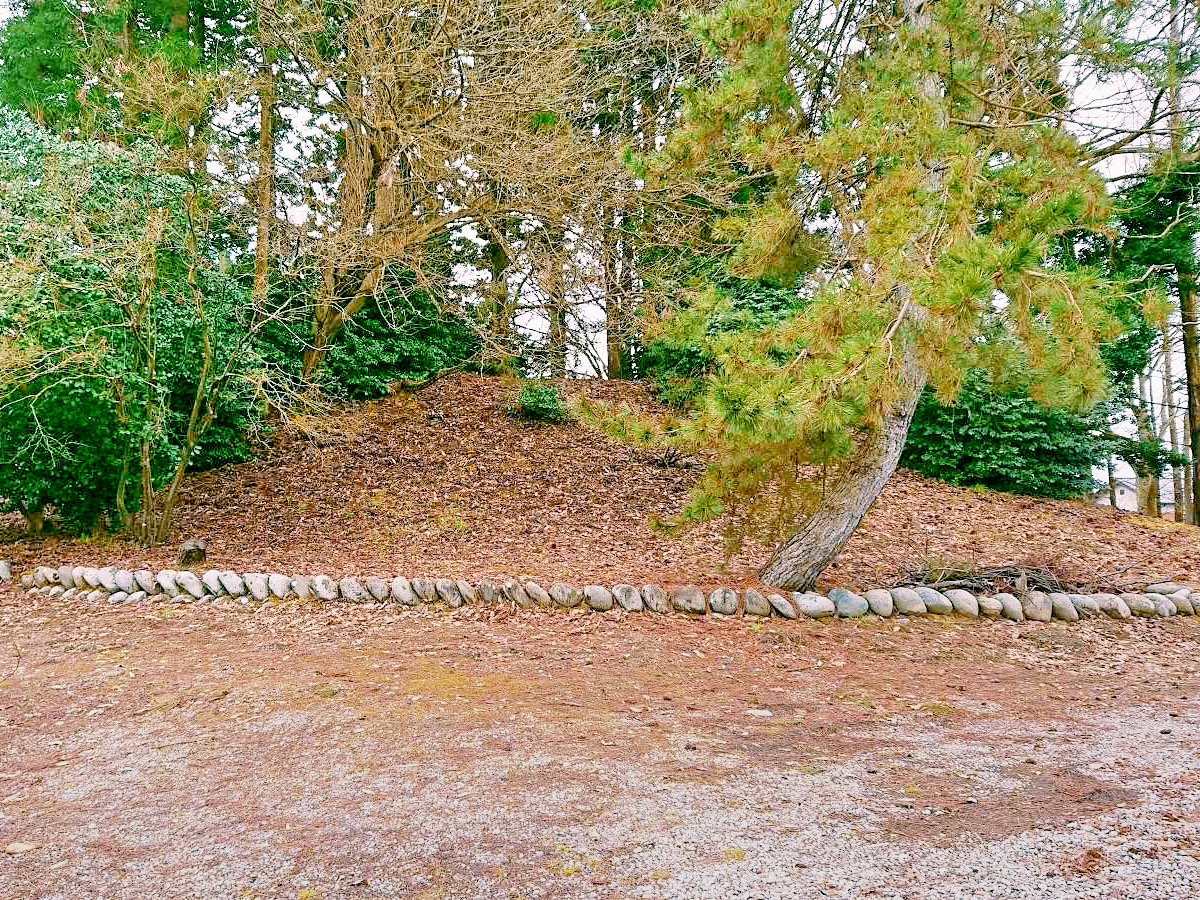
Kushidashin Site
Late Jōmon settlement with Kofun burial mounds.
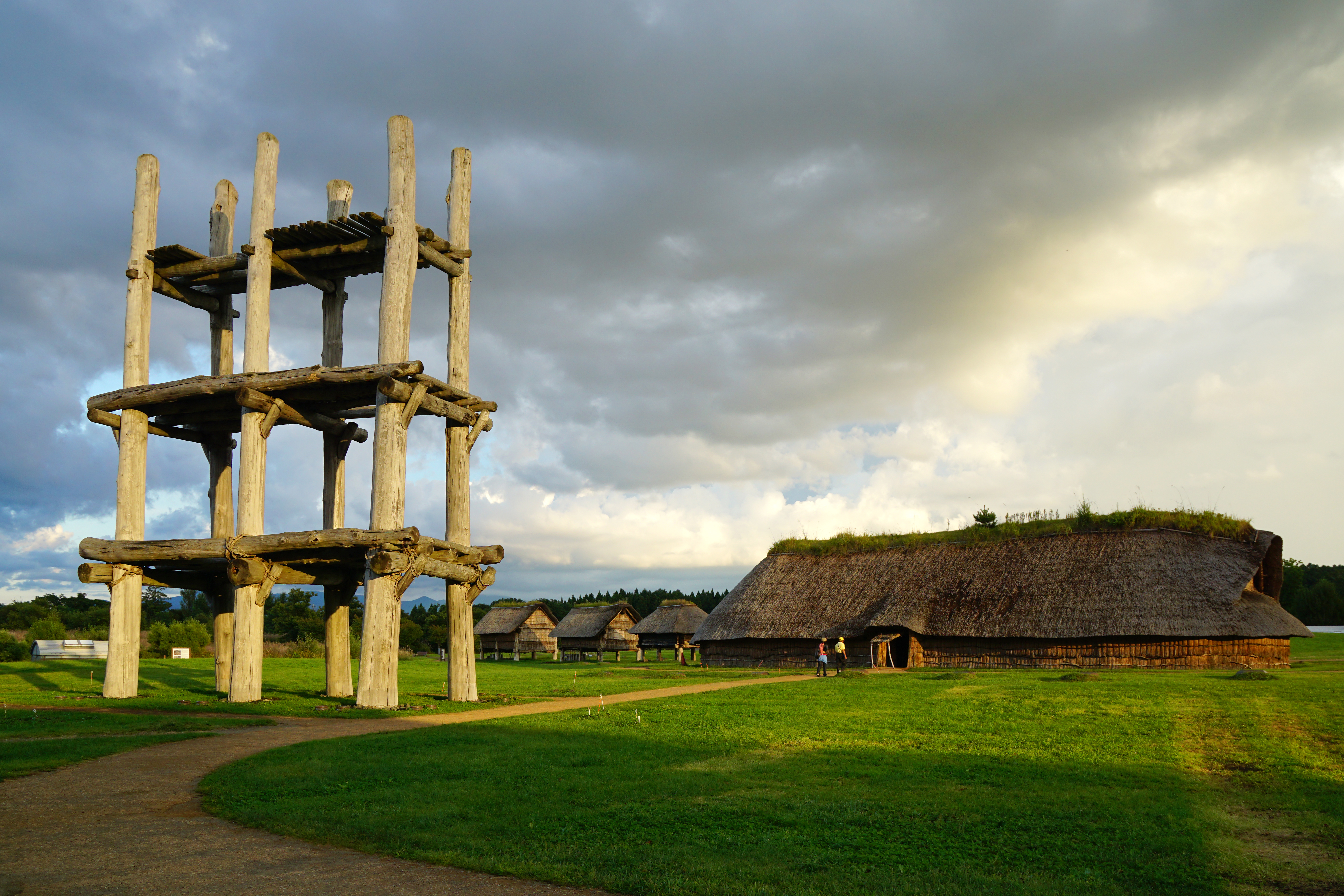
Sannai-Maruyama Site
Large Jōmon period settlement ruins
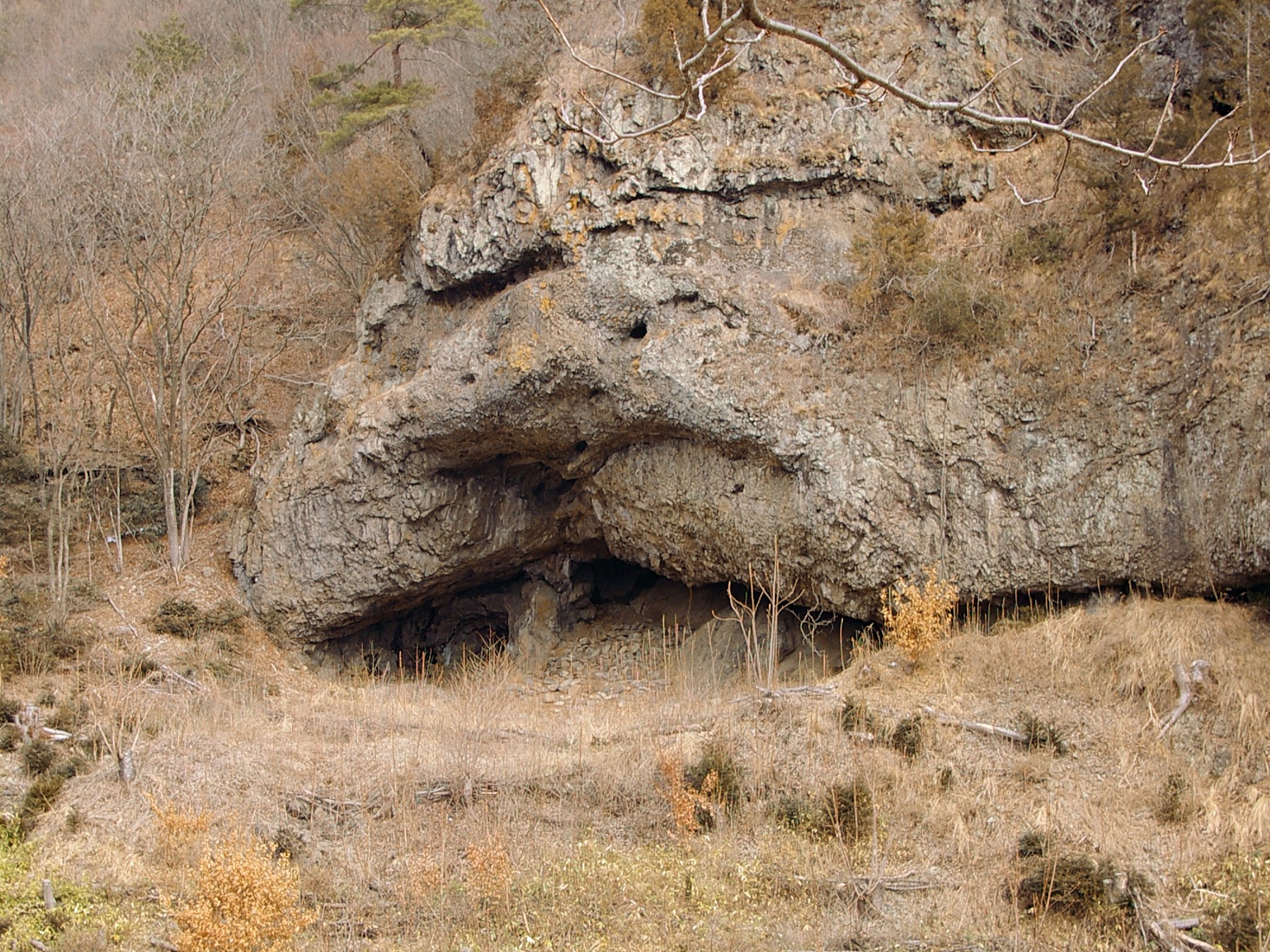
Tobayama Cave
Cave dwelling and tomb with grave goods
Tenpaku Site
Jōmon necropolis and ritual site in Japan
Uenohara site
Early Jōmon period settlement in Japan.