
Explore the Map
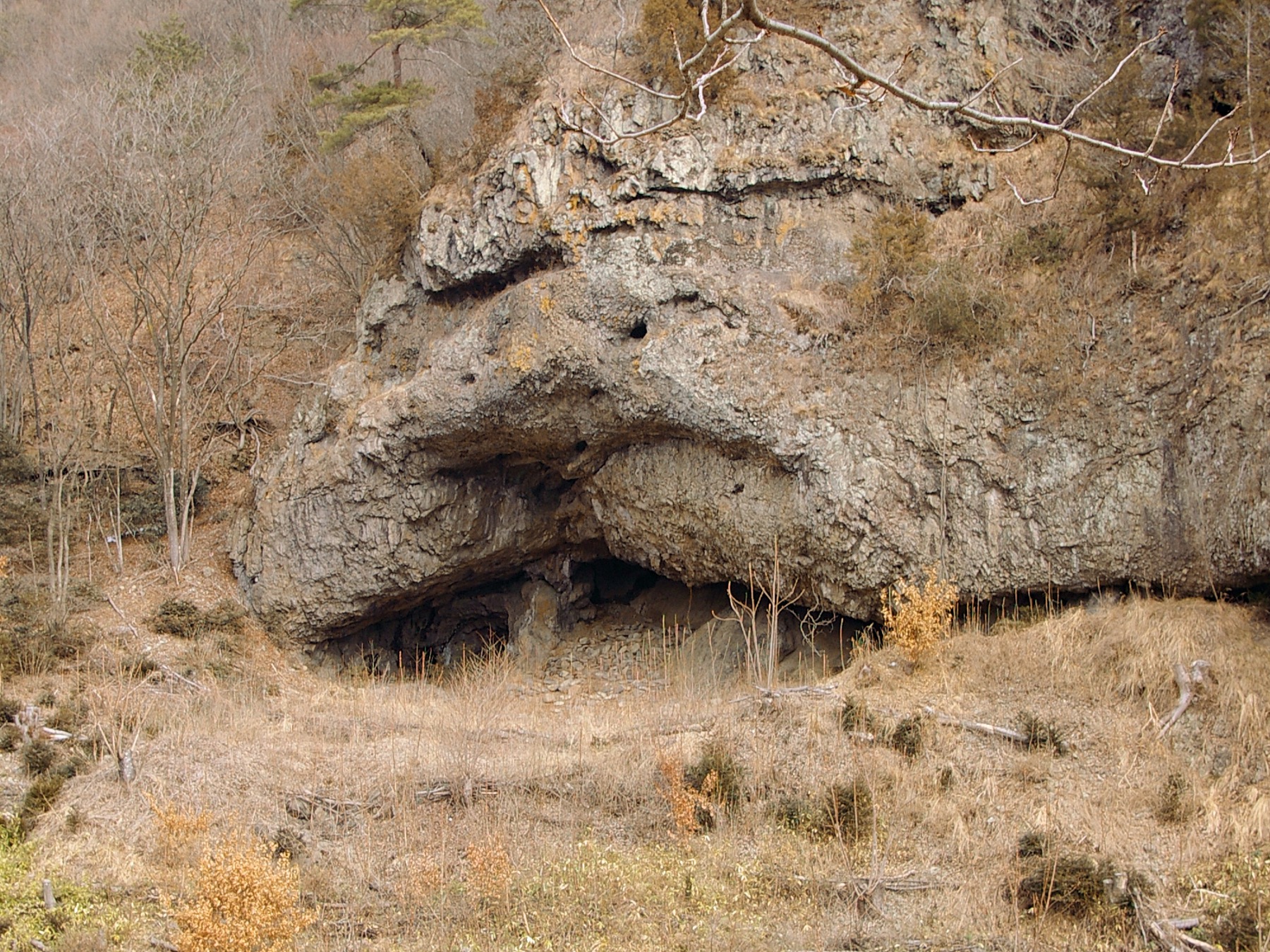
Tobayama Cave
36.2983° N, 138.2581° E
About
The Tobayama Cave, located in Ueda, Nagano, Japan, is a significant archaeological site featuring a natural cave utilized for habitation and burial purposes across multiple historical periods. From the late Jōmon period, through the Yayoi, and into the Kofun period, the cave served as a dwelling space and later as a tomb. Excavations revealed a paved floor and human remains, some of which were found in unique strata containing crushed bones, a rare occurrence on Honshu. The site yielded numerous grave goods, including iron weapons, horse fittings, copper bracelets, and Sue ware pottery, reflecting the cultural practices of the time. The cave’s long-term usage highlights the evolution of local funerary customs and the interaction of various cultural influences in ancient Japan.
Gallery
Explore photographs of ancient structures, artifacts, and archaeological excavations
Historical Timeline
Journey through time and discover key events in this site's history
Jōmon Period Inhabitance
3000 BCE - 300 BCE
Yayoi Period Use
300 BCE - 300 CE
Kofun Period Tomb
400 CE - 500 CE
Archaeological Features
Unique architectural and cultural elements found at this historical site
Burial and Funerary Structures
Artistic and Decorative Features
Domestic and Habitation Structures
Frequently Asked Questions
Plan Your Visit
Tours, travel arrangements, and practical information

More Sites in Japan
Mangyō Site
Late Yayoi–Early Kofun settlement, Nanao (Ishikawa), Japan
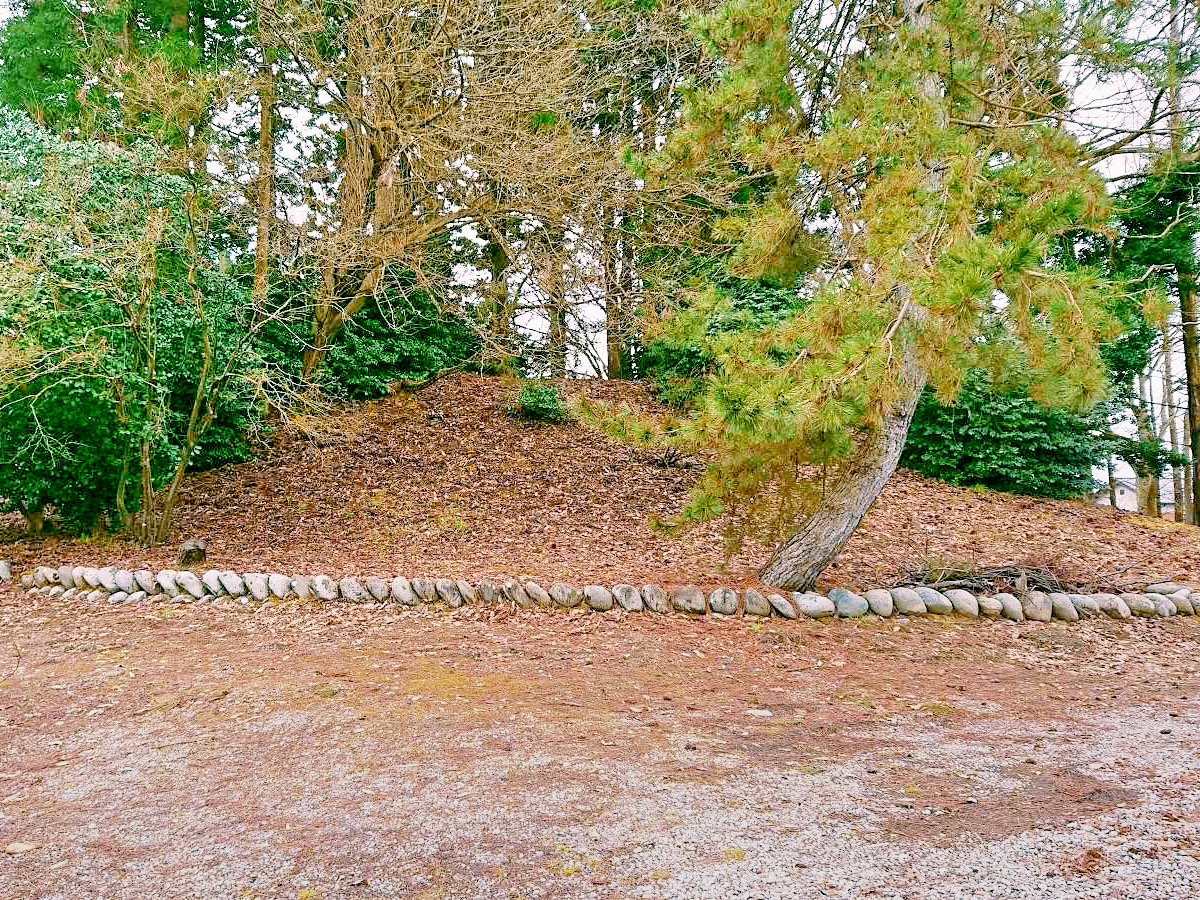
Kushidashin Site
Late Jōmon settlement with Kofun burial mounds.
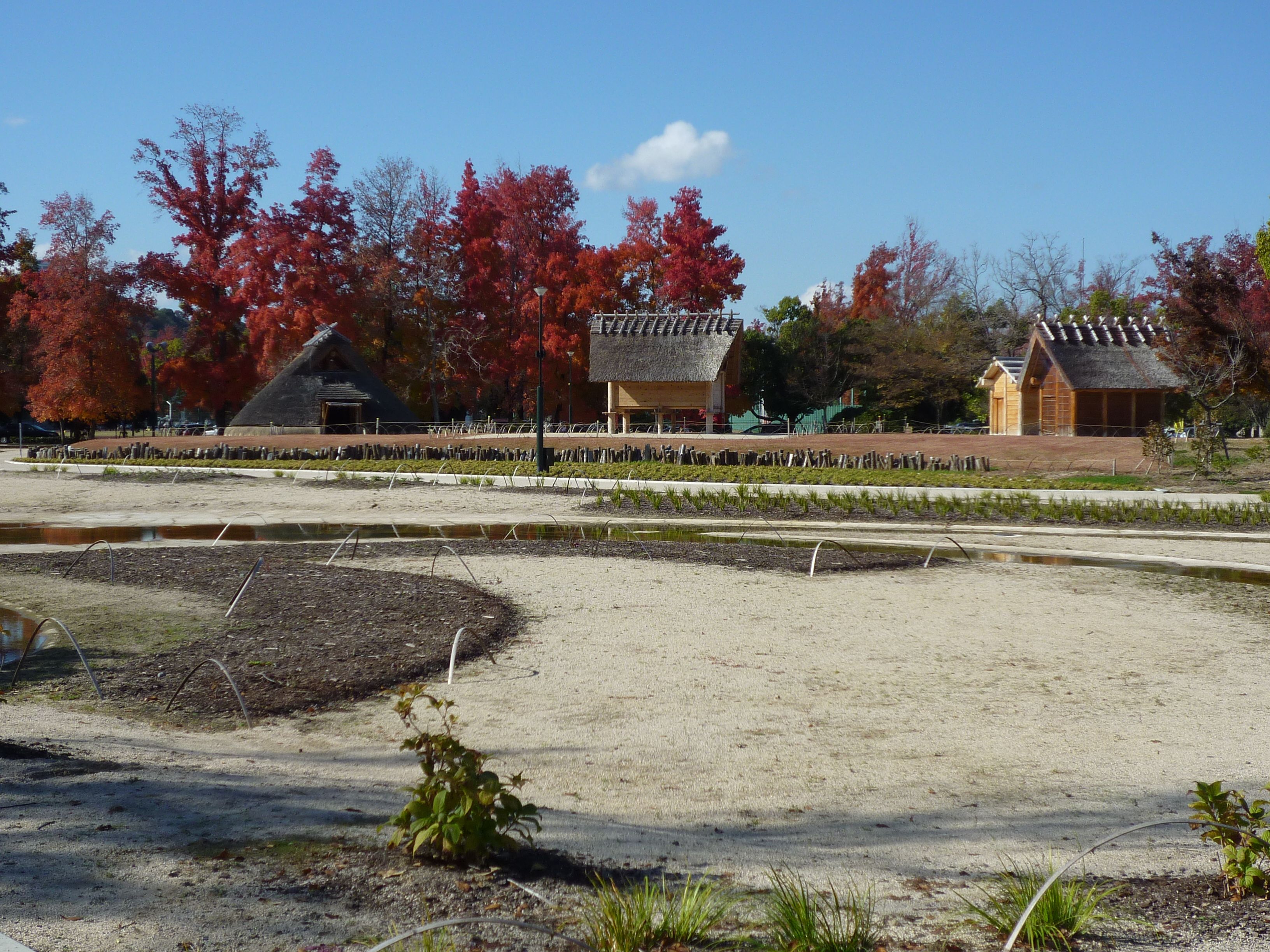
Tsushima Site
Yayoi settlement with paddy fields and dwellings
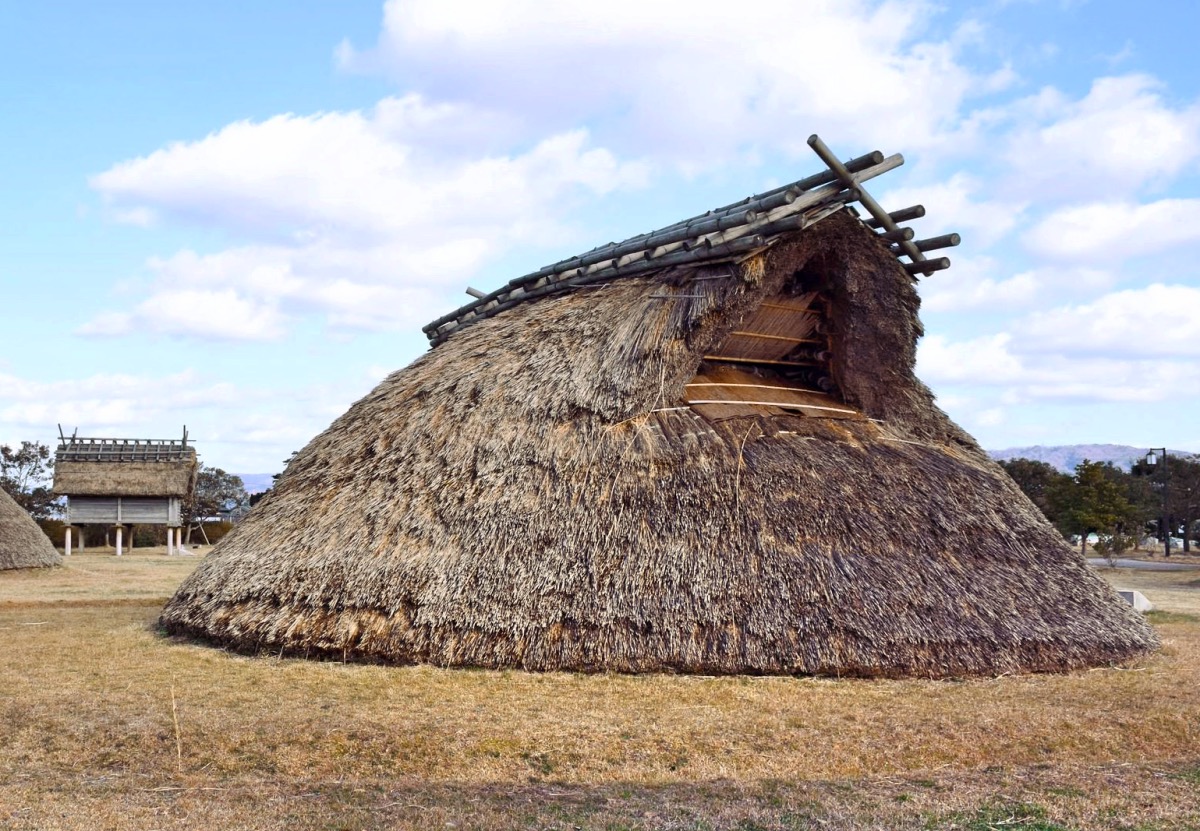
Yoshizaki-Suba Site
Yayoi period settlement remains, Ishikawa, Japan.
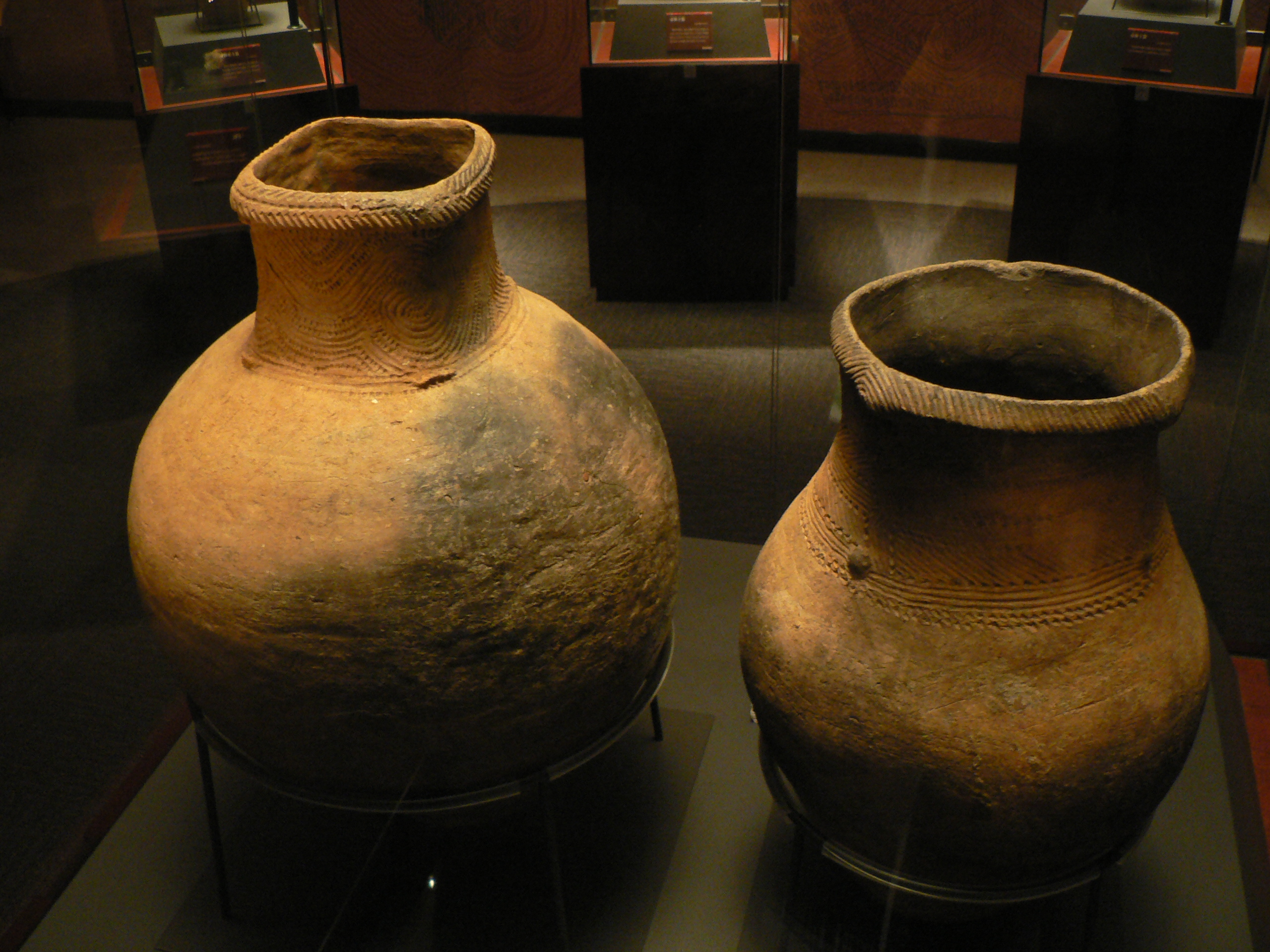
Uenohara site
Early Jōmon period settlement in Japan.
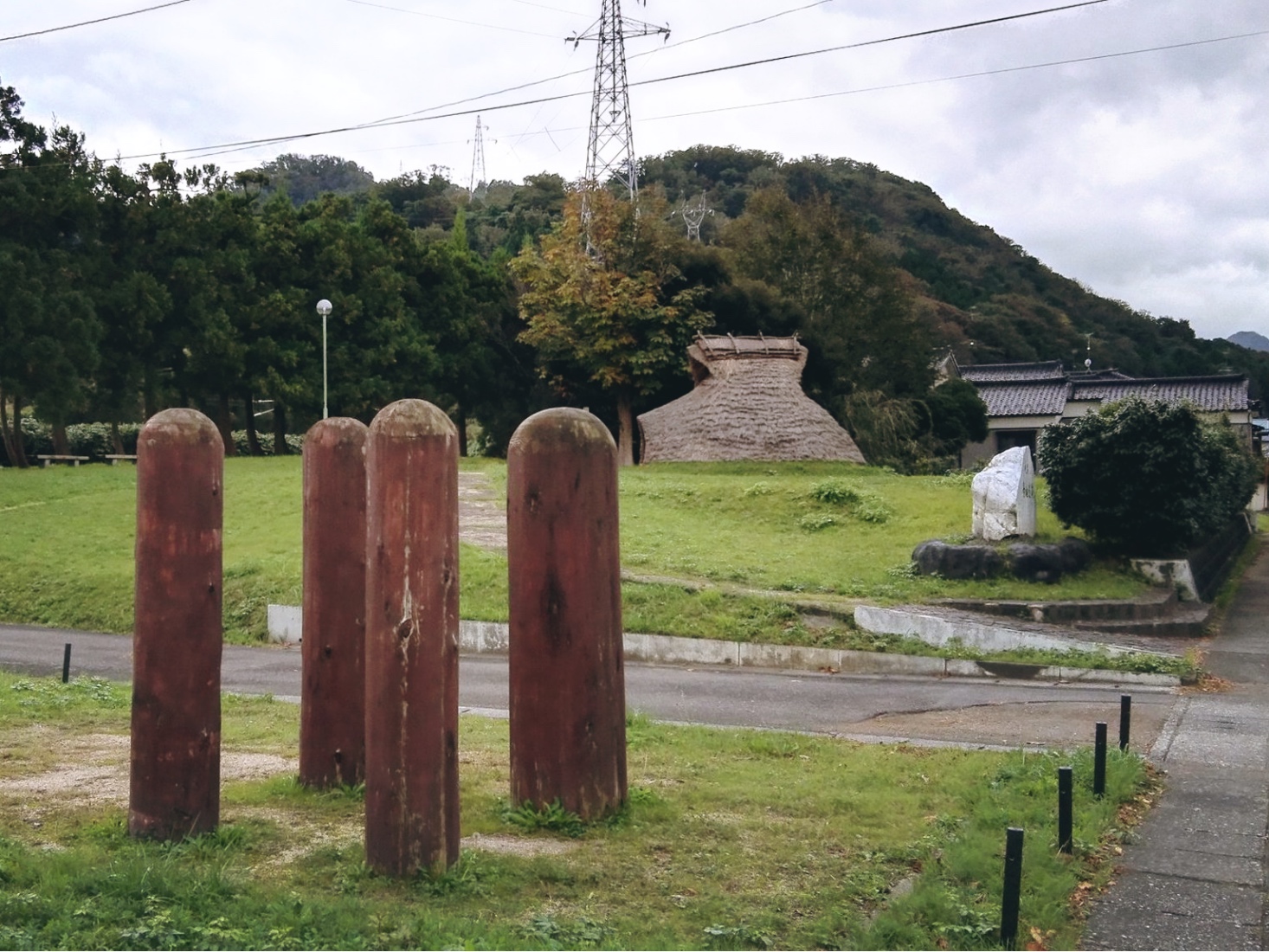
Terachi Site
Middle to late Jōmon period settlement