Explore the Map
Tatetsuki Site
34.6631° N, 133.8255° E
About
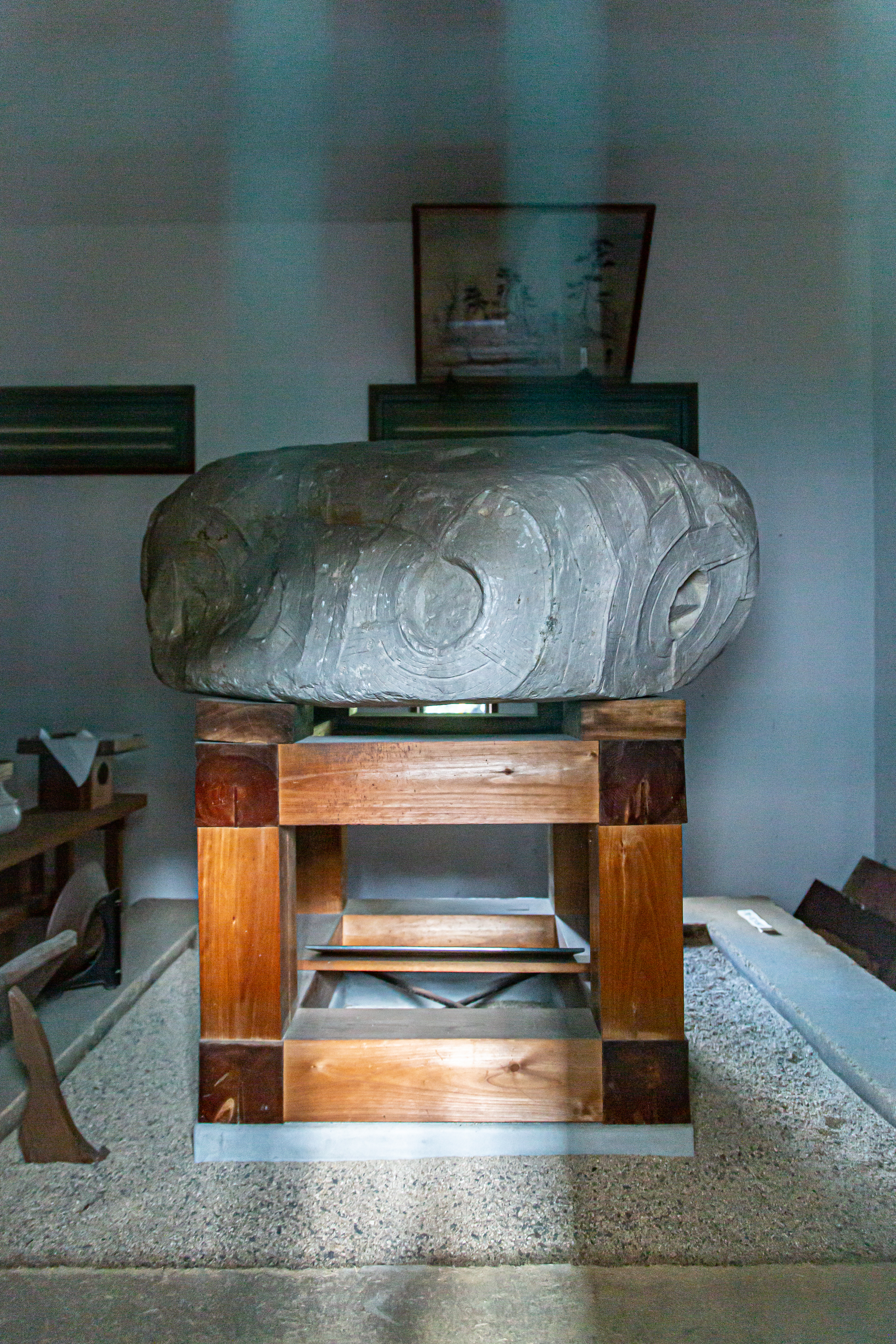
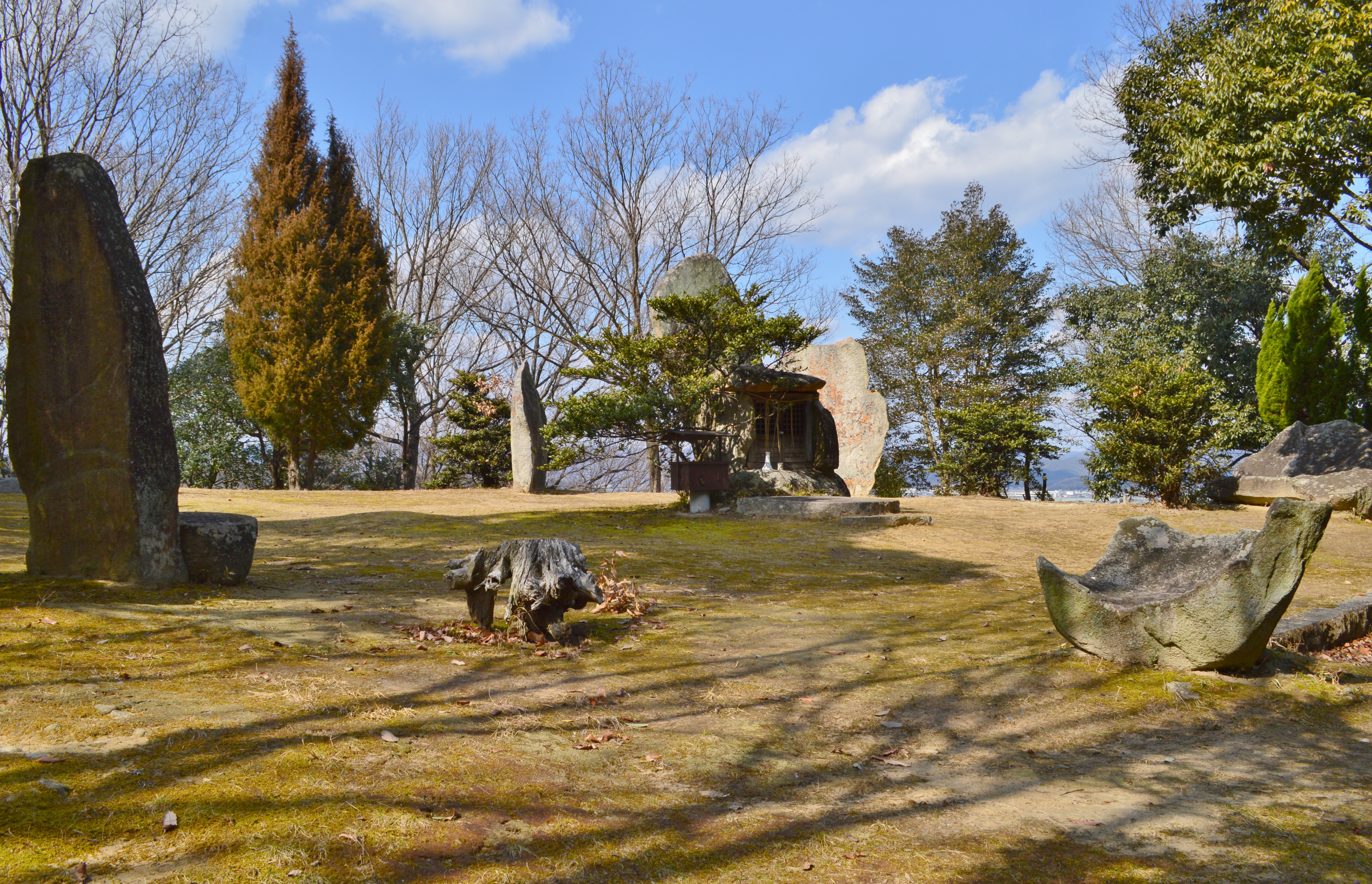
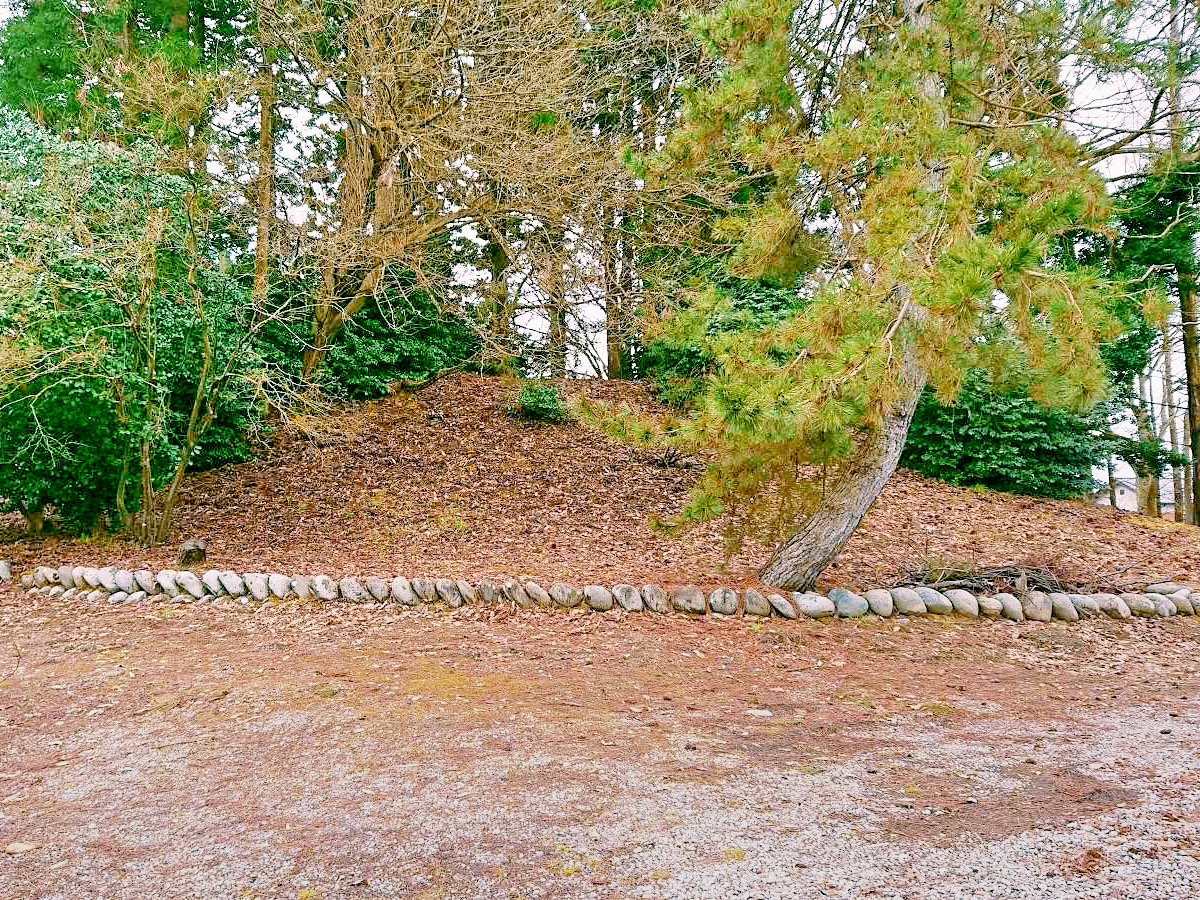
The Tatetsuki Site is a significant archaeological location in Kurashiki, Okayama Prefecture, Japan, representing one of the largest burial mounds of the Yayoi period. It features a mound approximately 43 meters in diameter with megalithic stones surrounding a central burial chamber. This site served as a burial place for chieftains of the Kingdom of Kibi, indicating considerable political power in the late Yayoi period, roughly between the late 2nd century and early 3rd century CE. The site provides insight into the funerary practices of the time, including the use of wooden coffins, vermilion, and grave goods such as iron swords and glass beads. The presence of a stone with swirling patterns, now an Important Cultural Property, highlights the ceremonial aspects of the site. Tatetsuki is crucial for understanding the transition to large-scale burial mounds in the region before the Kofun period.
Gallery
Explore photographs of ancient structures, artifacts, and archaeological excavations
Historical Timeline
Journey through time and discover key events in this site's history
Late Yayoi period burial
late 2nd century to early 3rd century CE
Post-Civil War of Wa mounds
3rd century CE
Archaeological Features
Unique architectural and cultural elements found at this historical site
Burial and Funerary Structures
Environmental and Natural Features
Frequently Asked Questions
Plan Your Visit
Tours, travel arrangements, and practical information
More Sites in Japan
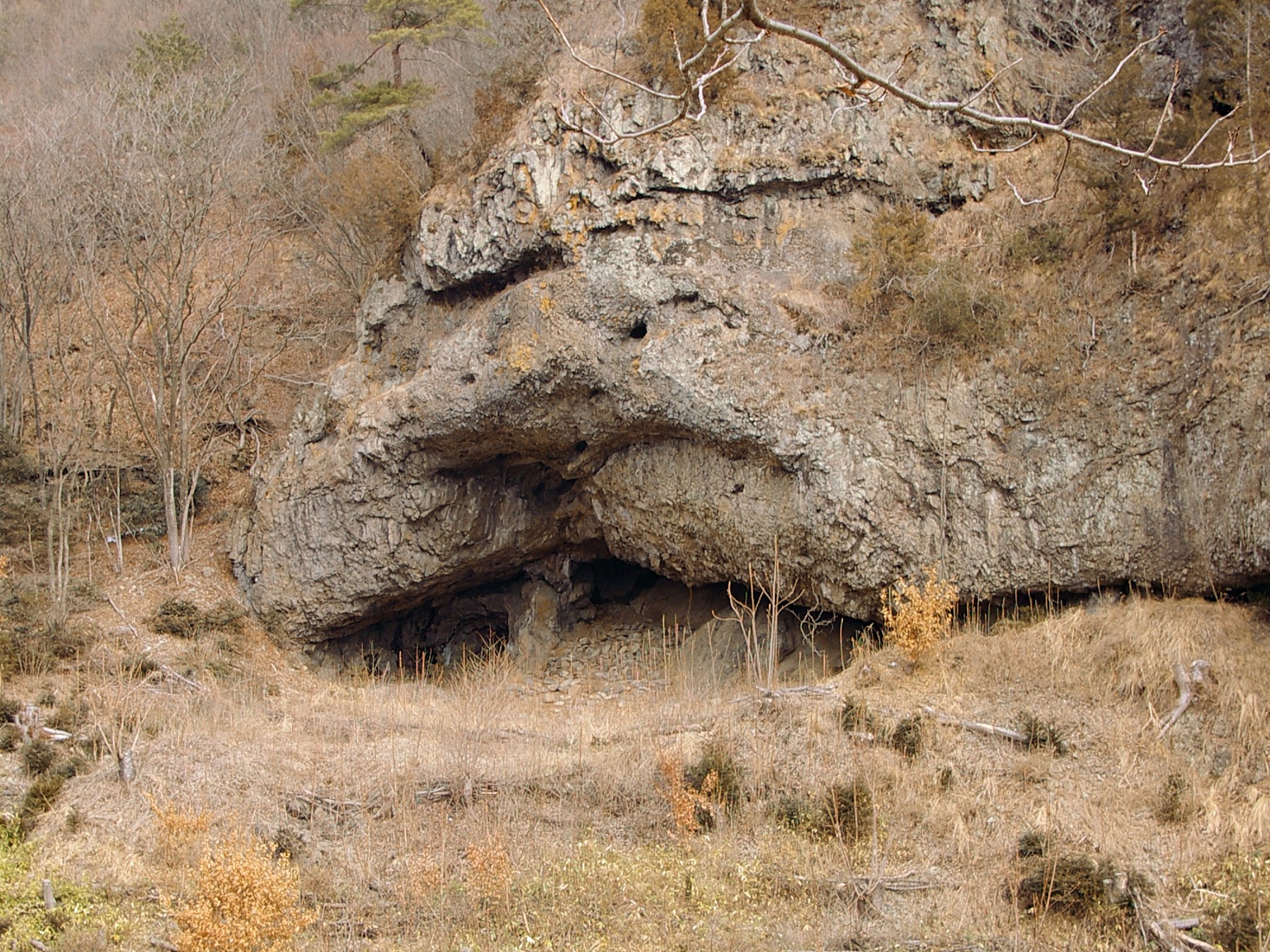
Tobayama Cave
Cave dwelling and tomb with grave goods
Mangyō Site
Late Yayoi–Early Kofun settlement, Nanao (Ishikawa), Japan
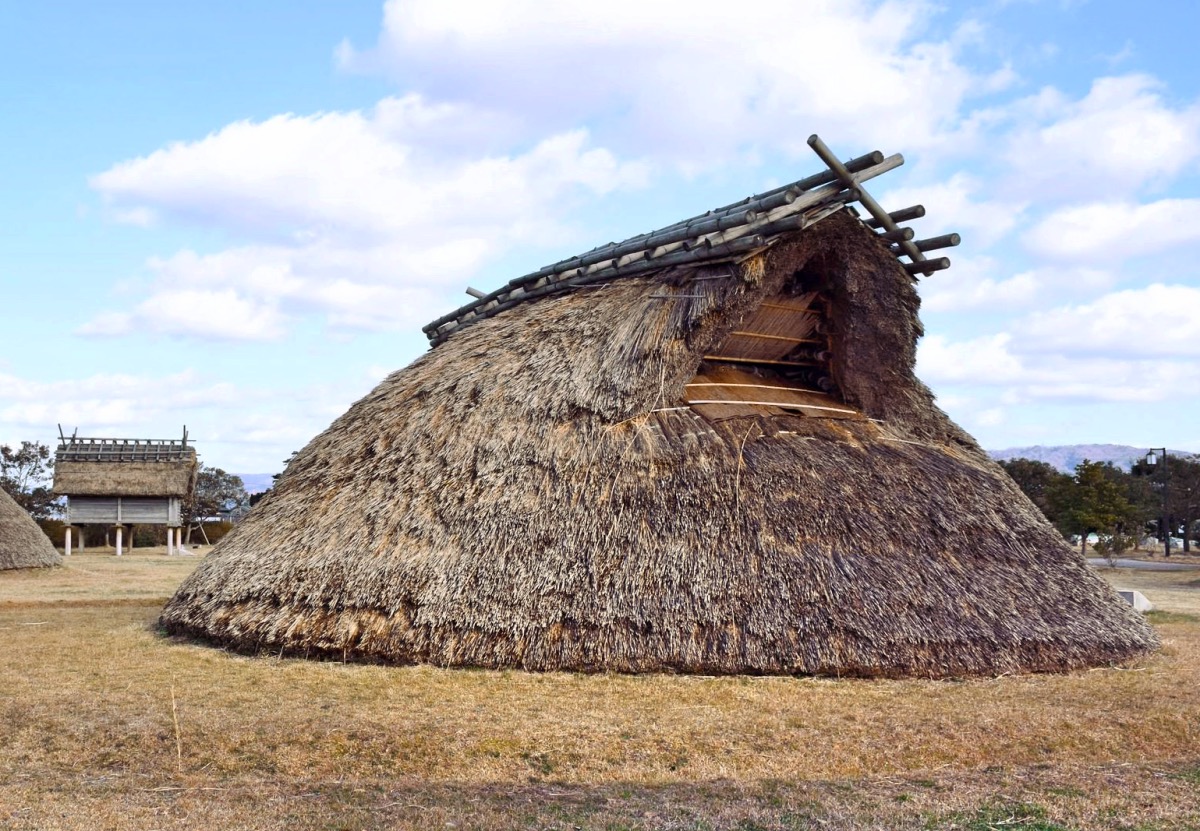
Yoshizaki-Suba Site
Yayoi period settlement remains, Ishikawa, Japan.
Kushidashin Site
Late Jōmon settlement with Kofun burial mounds.
Furushida-Higashi ruins
Heian period fortified residence with moat.
Uenohara site
Early Jōmon period settlement in Japan.