Explore the Map
Toro (archaeological site)
34.9561° N, 138.4081° E
About
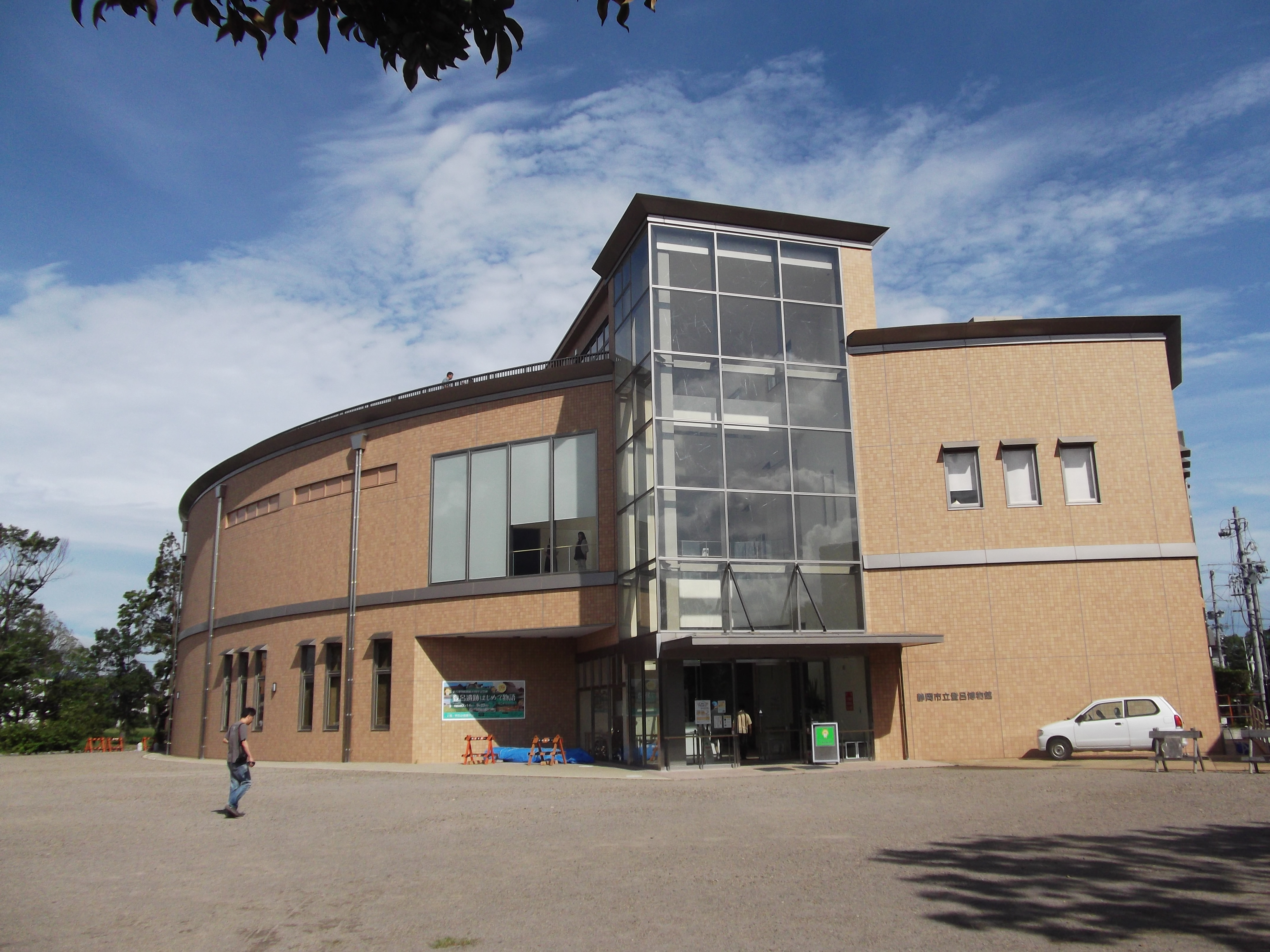
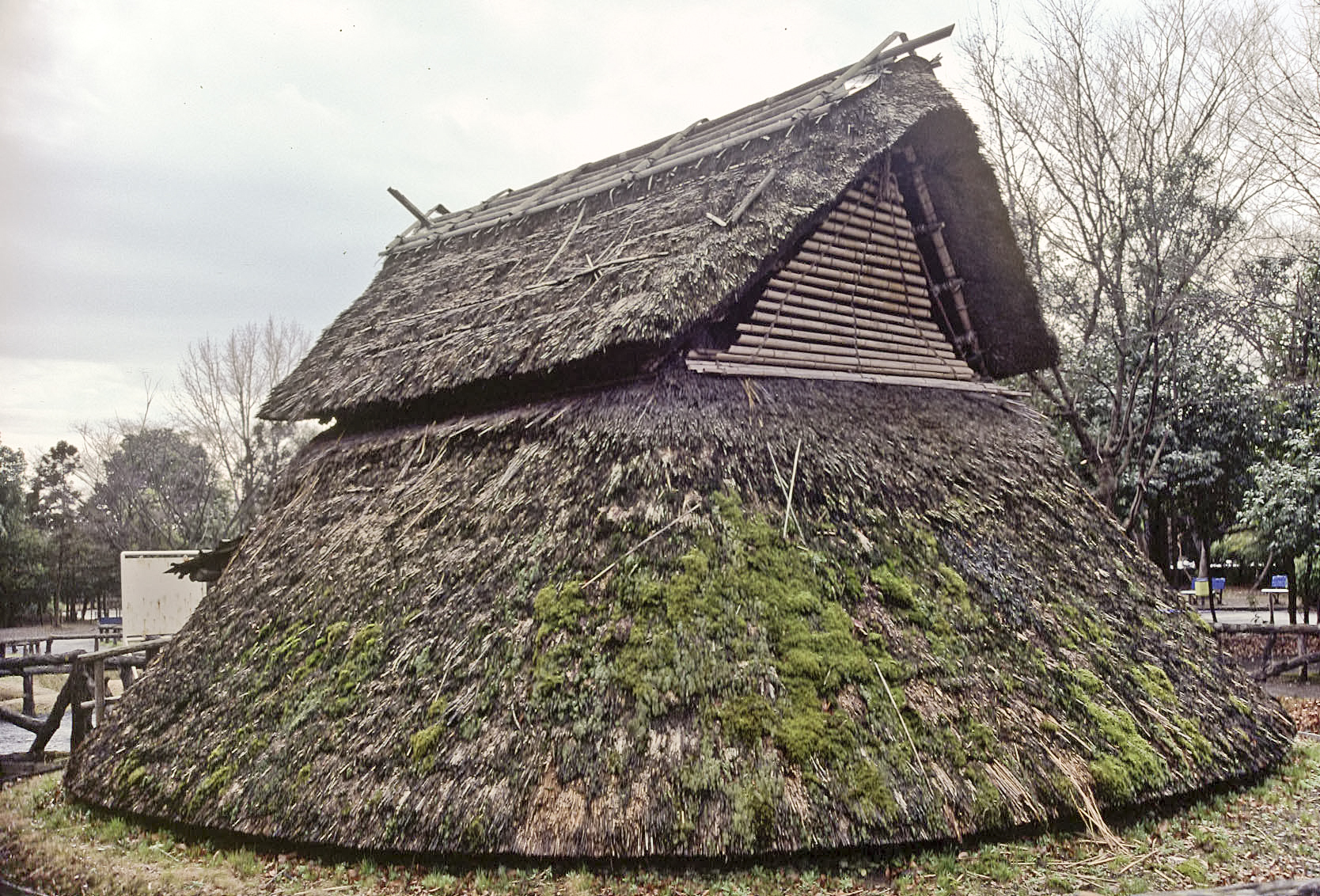
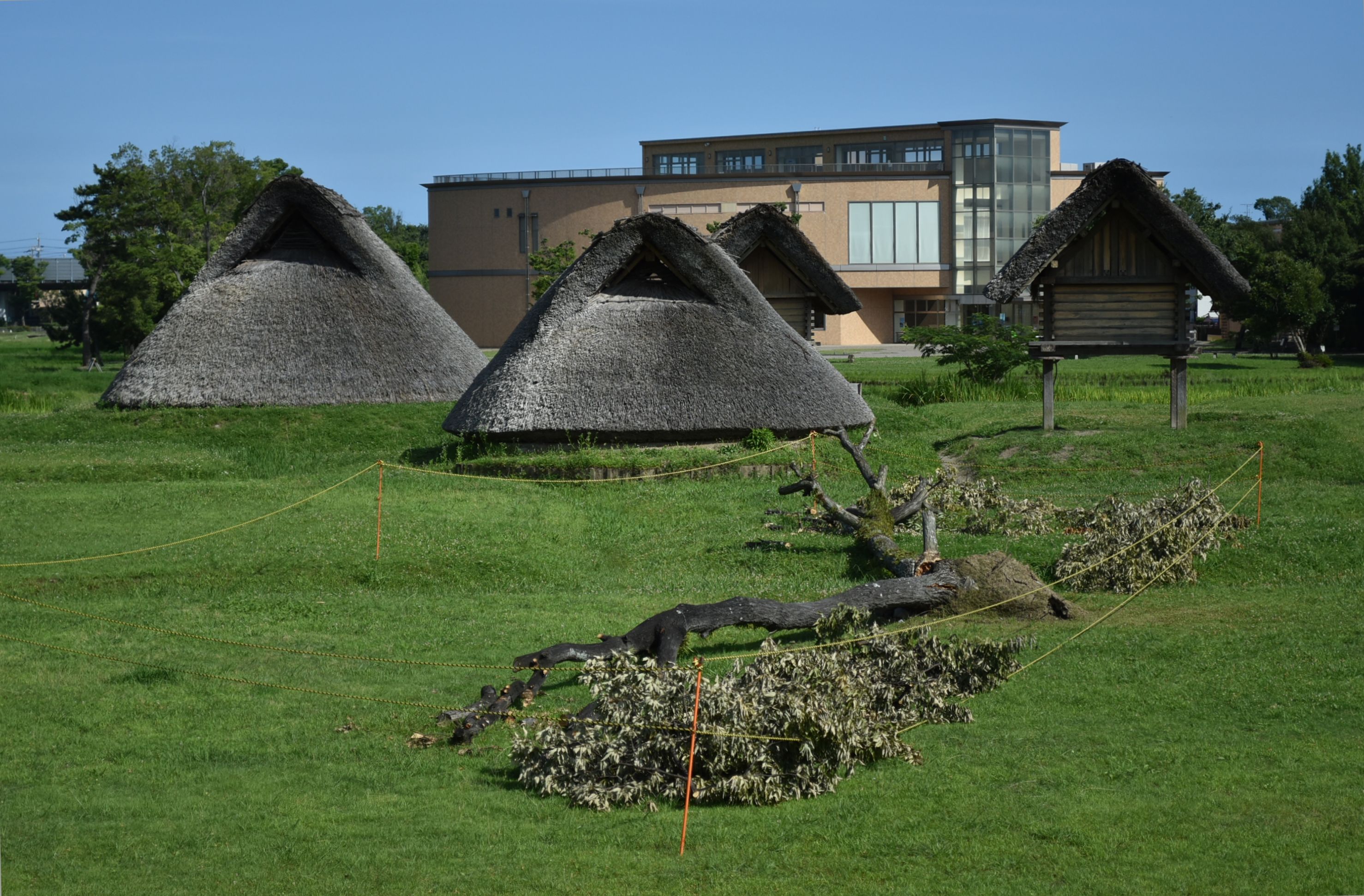
The Toro archaeological site, located in Suruga Ward, Shizuoka City, Japan, is a significant Yayoi-period settlement site dating to the 1st century CE. It features the remains of pit-house dwellings, wet-rice paddy fields, and raised-floor buildings interpreted as storehouses. The site is notable for its well-preserved agricultural tools and structures, providing a rare glimpse into the wet-rice cultivation practices of the time. The discovery of these features in Toro marked a pivotal moment for Japanese archaeology, leading to the formation of the Japanese Archaeological Association. The site is now preserved as an archaeological park, with reconstructed buildings and fields serving as a public educational resource. Its designation as a Special Historic Site of Japan underscores its cultural and historical significance.
Gallery
Explore photographs of ancient structures, artifacts, and archaeological excavations
Historical Timeline
Journey through time and discover key events in this site's history
Settlement Occupation
1st century CE
Archaeological Features
Unique architectural and cultural elements found at this historical site
Storage Structures
Agricultural and Land Use Features
Domestic and Habitation Structures
Food Production and Processing Features
Frequently Asked Questions
Plan Your Visit
Tours, travel arrangements, and practical information
More Sites in Japan
Mangyō Site
Late Yayoi–Early Kofun settlement, Nanao (Ishikawa), Japan
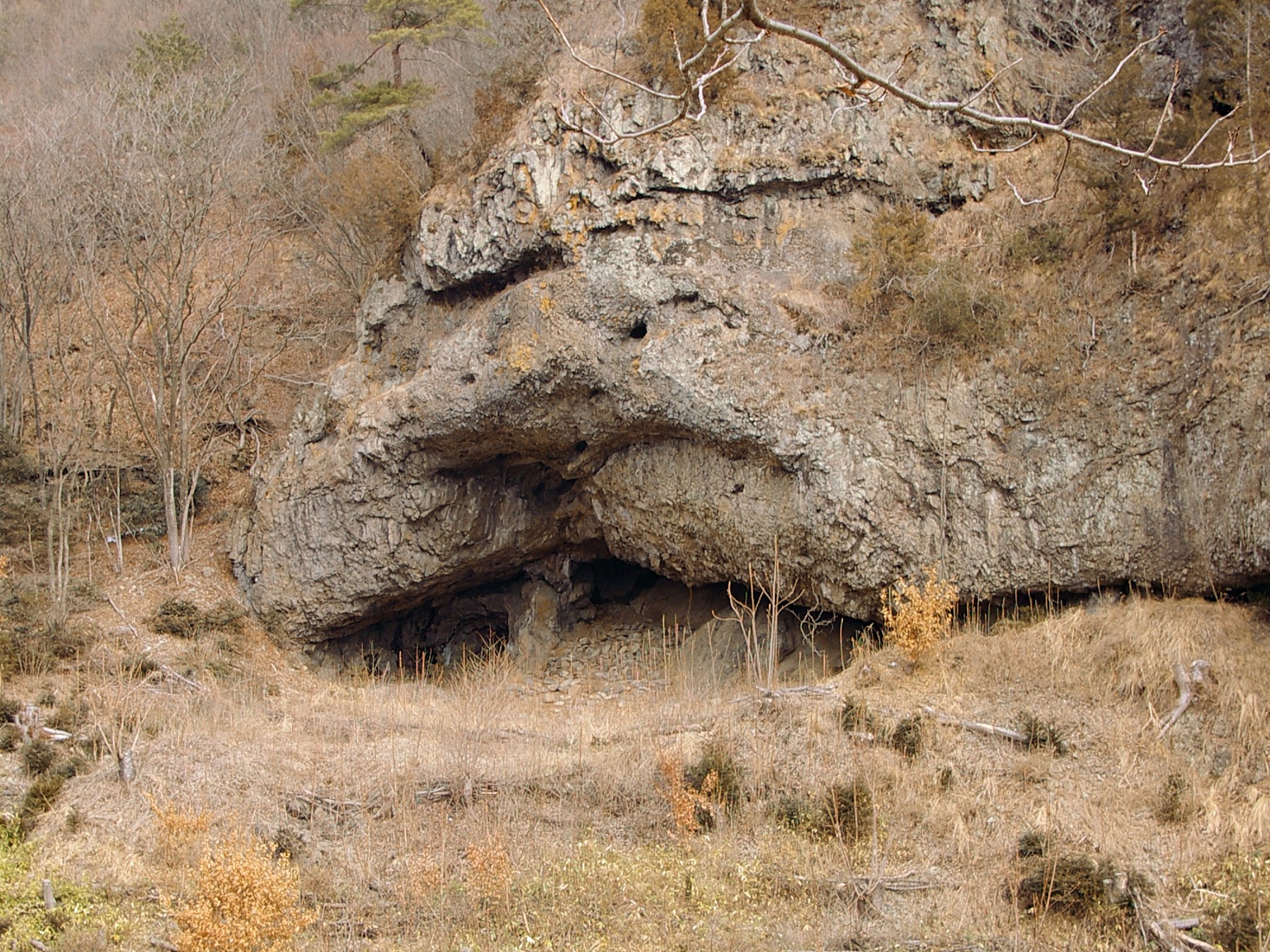
Tobayama Cave
Cave dwelling and tomb with grave goods
Binmanji Ishibotokedani Necropolis
Medieval Japanese necropolis with 1600 tombs.
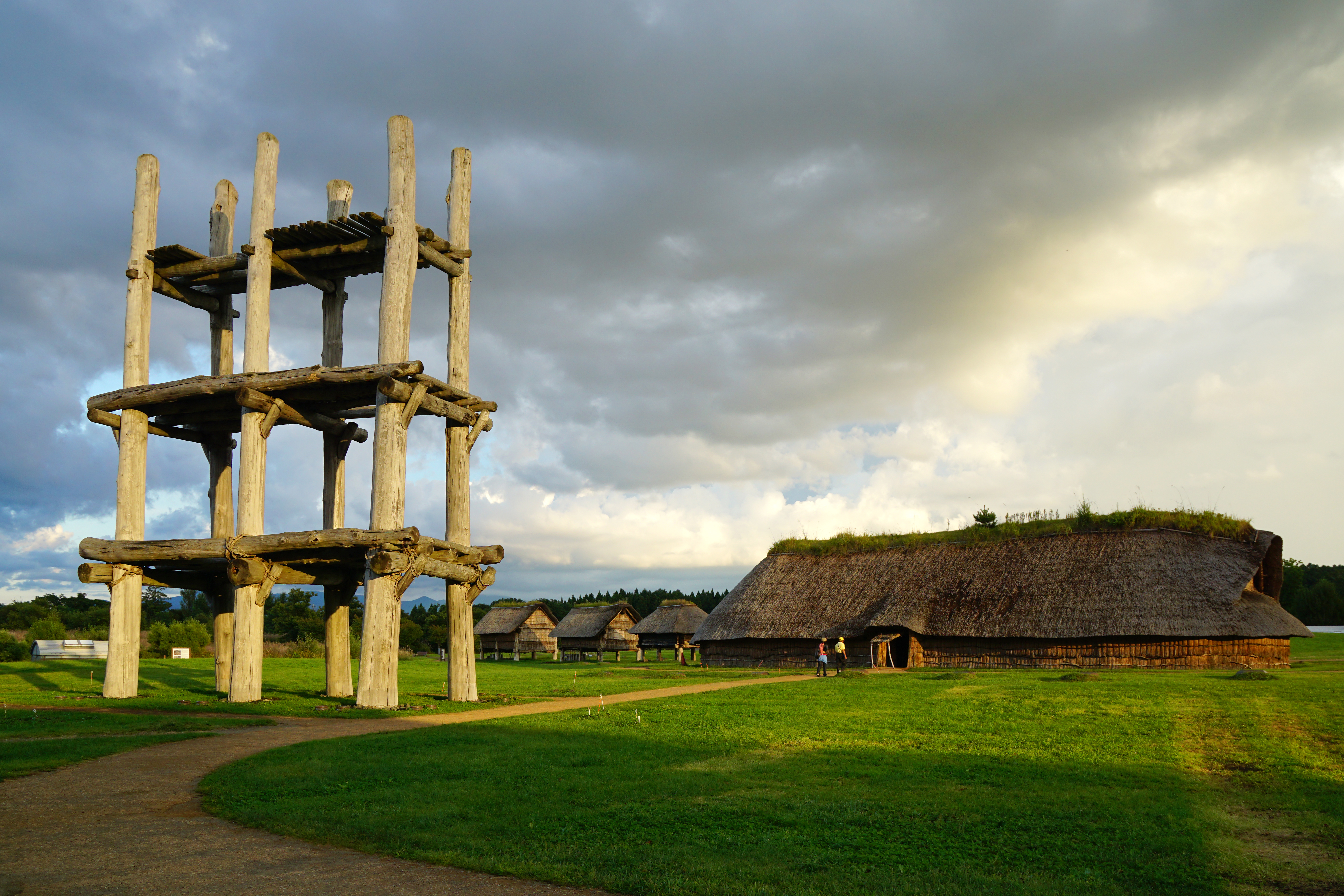
Sannai-Maruyama Site
Large Jōmon period settlement ruins
Moshiriya Chashi
Ainu fortified chashi on elevated site
Bingo Provincial Capital
Ruins of ancient provincial capital structures