Explore the Map
Shima ruins
38.2843° N, 140.3187° E
About
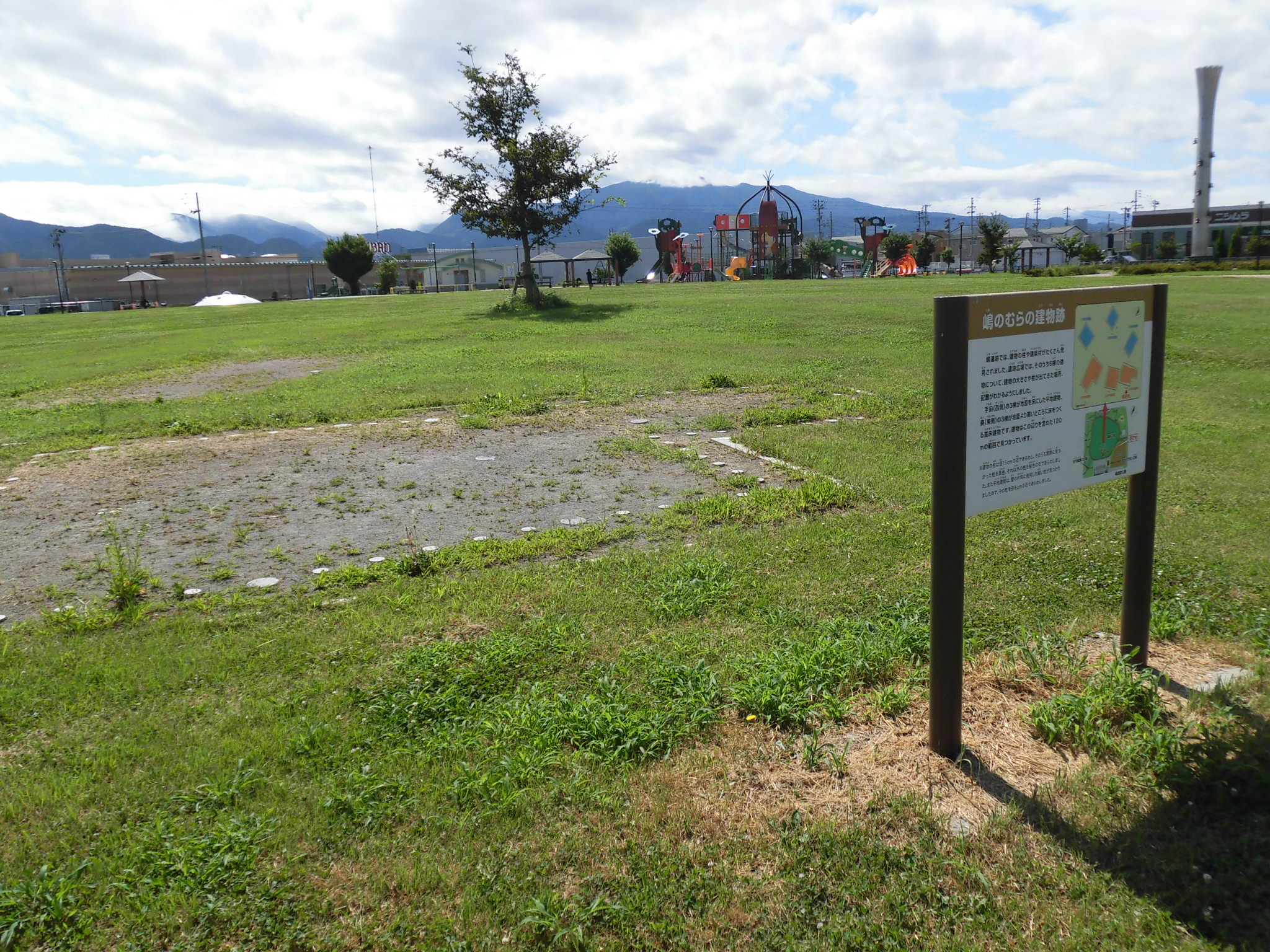
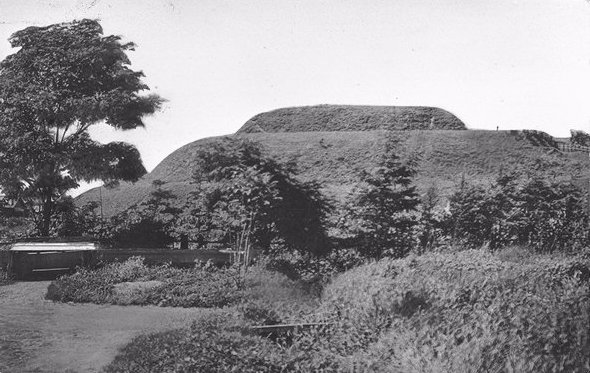
The Shima ruins, located in Yamagata in northern Japan, represent a significant Kofun period settlement dating from the 4th to 7th centuries CE. The site, uncovered in a low-lying swampy area, features foundations of both flat-type and stilt-type buildings, indicative of the architectural adaptations to the marshy environment. The deep placement of wooden pillars allowed the preservation of the bases, providing insight into the construction techniques of the era. Artifacts such as Haji and Sue ware ceramics, magatama beads, horse fittings, and carbonized rice highlight the daily life and trade activities of the settlement. The Shima ruins have been preserved and partially transformed into an archaeological park, offering valuable insights into the Kofun period's domestic architecture and lifestyle.
Gallery
Explore photographs of ancient structures, artifacts, and archaeological excavations
Historical Timeline
Journey through time and discover key events in this site's history
Formation of the village
4th century CE
Peak of the village
7th century CE
Archaeological Features
Unique architectural and cultural elements found at this historical site
Storage Structures
Miscellaneous Features
Domestic and Habitation Structures
Frequently Asked Questions
Plan Your Visit
Tours, travel arrangements, and practical information
More Sites in Japan
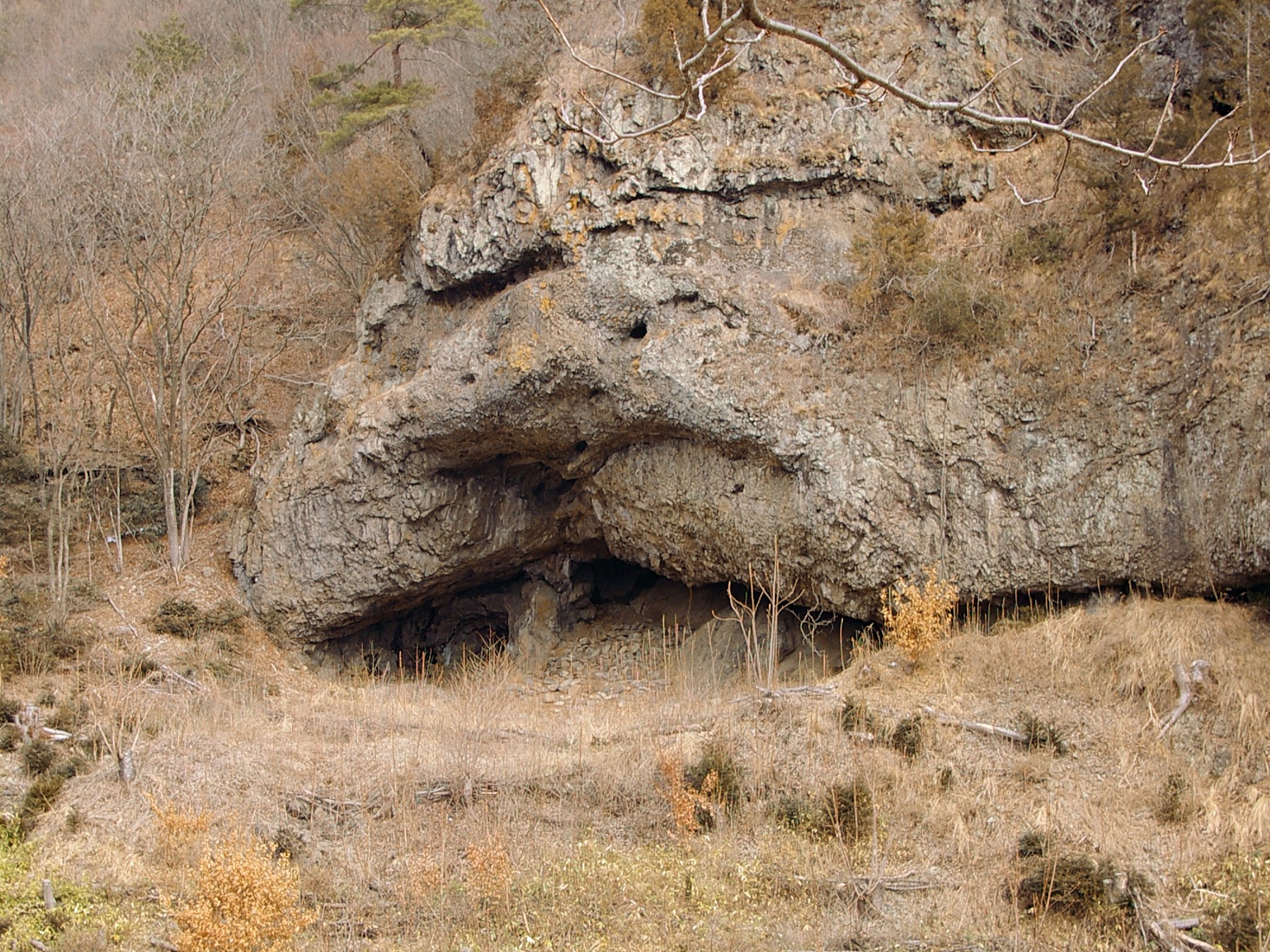
Tobayama Cave
Cave dwelling and tomb with grave goods
Mangyō Site
Late Yayoi–Early Kofun settlement, Nanao (Ishikawa), Japan
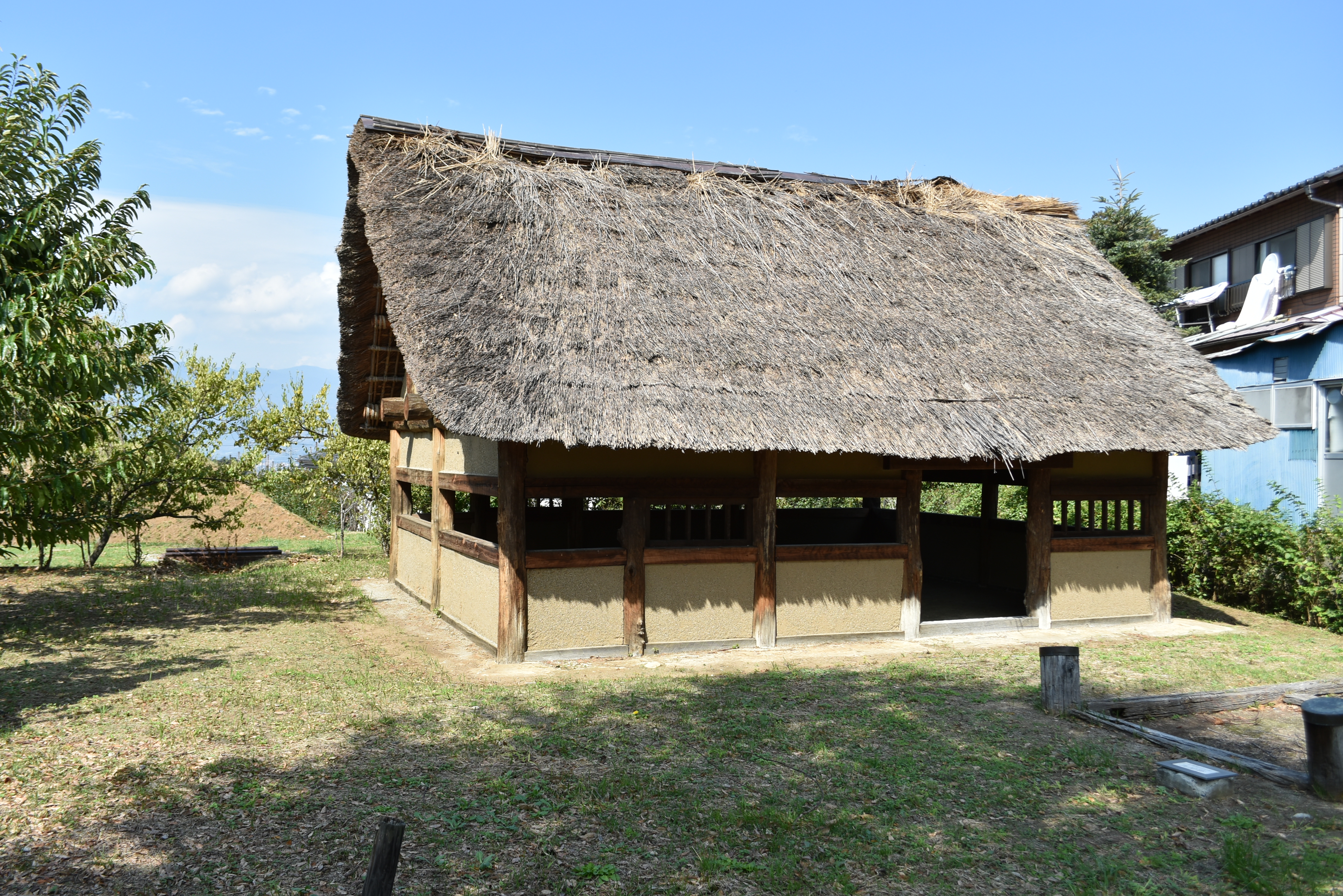
Katsunuma clan residence ruins
Sengoku period fortified residence ruins.
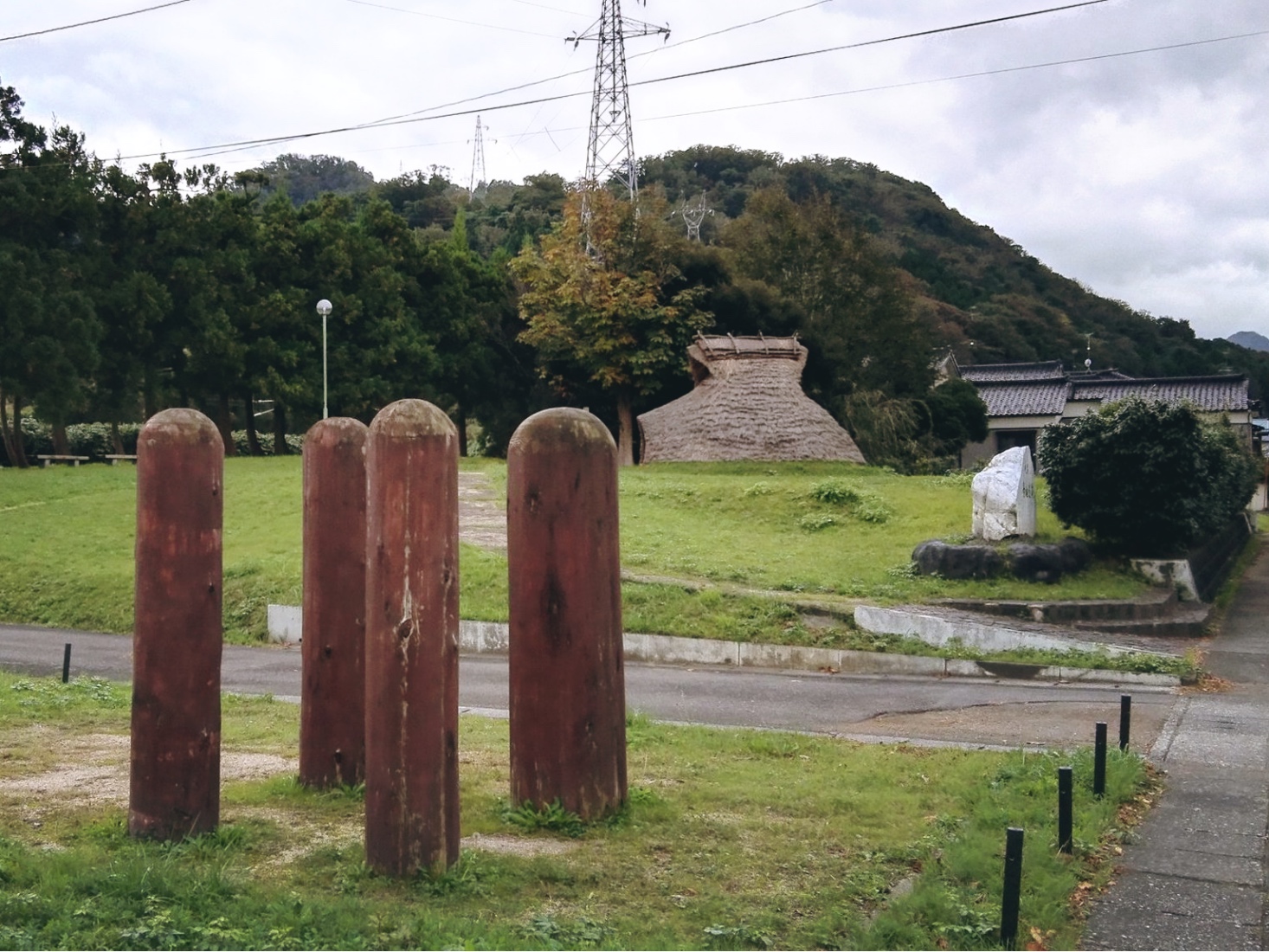
Terachi Site
Middle to late Jōmon period settlement
Tenpaku Site
Jōmon necropolis and ritual site in Japan
Moshiriya Chashi
Ainu fortified chashi on elevated site