
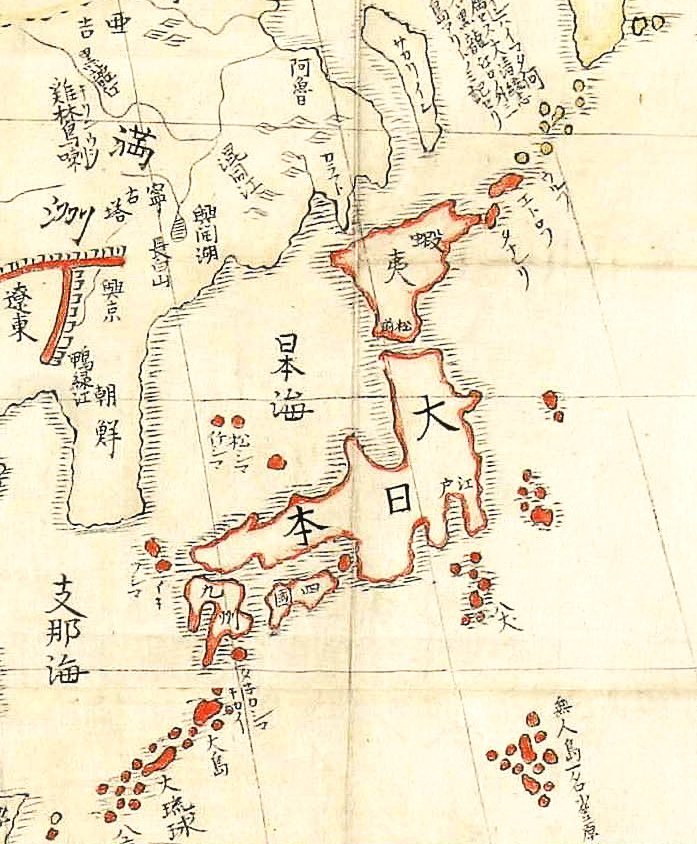
Explore the Map
Yoshinogari site
33.3236° N, 130.3907° E
About
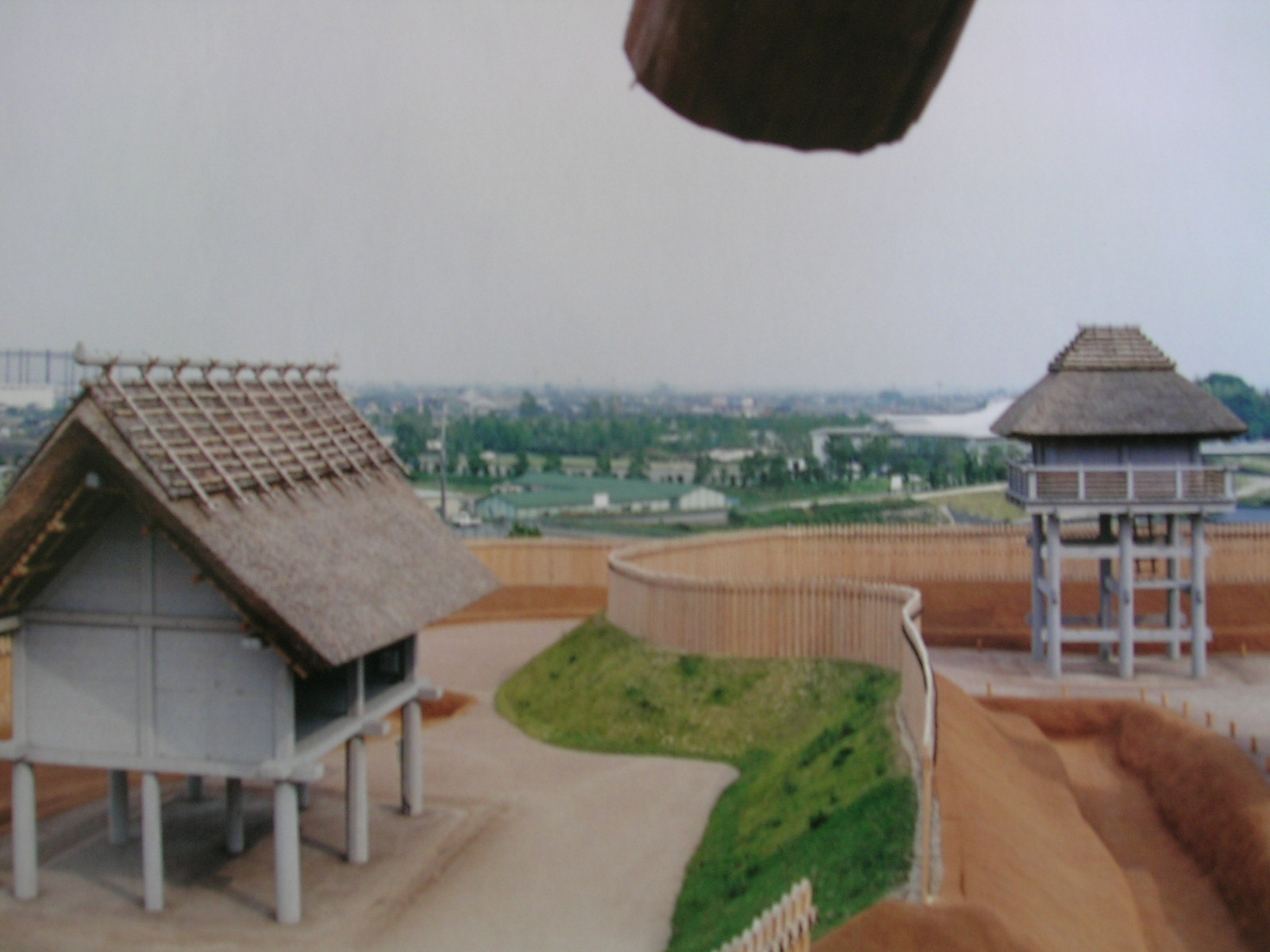
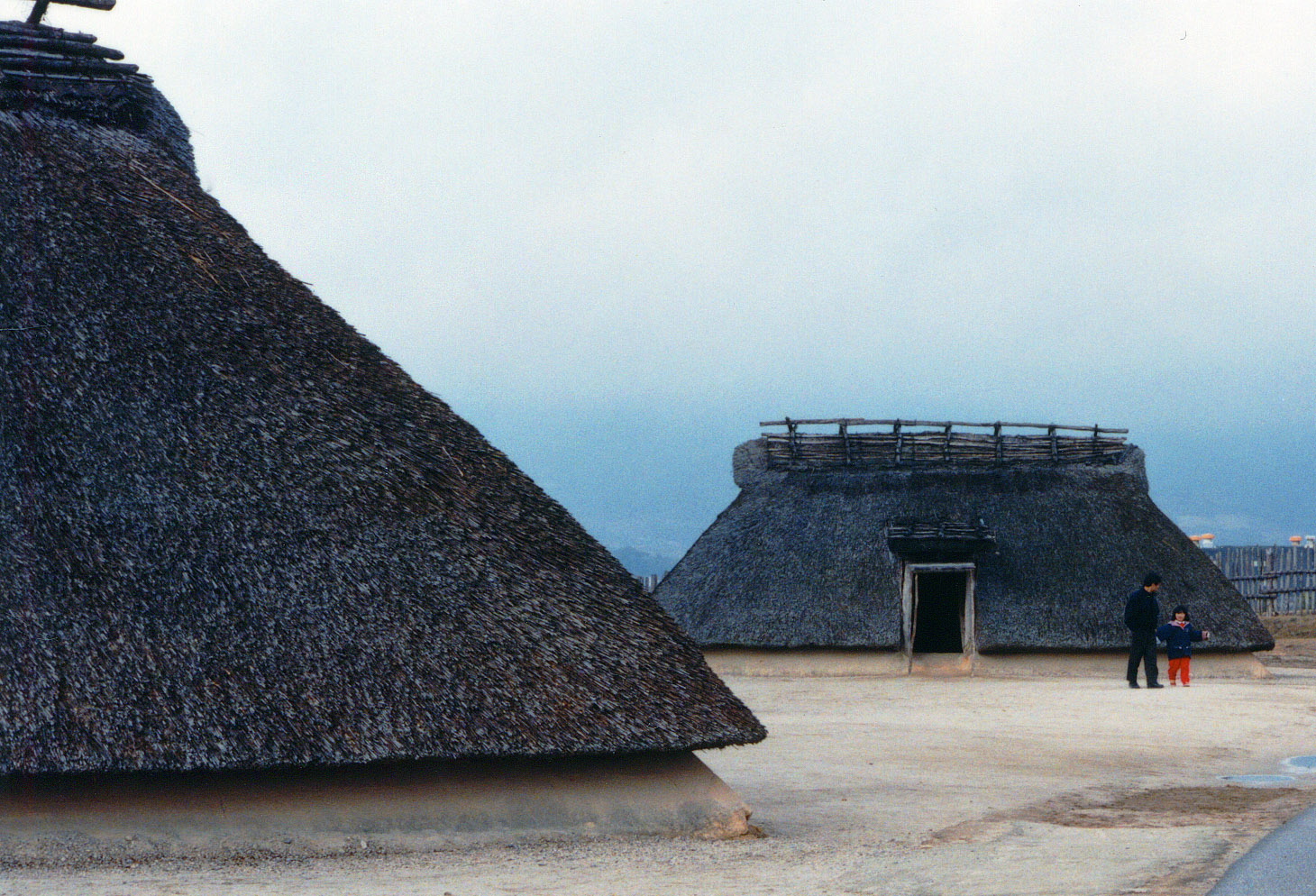
The Yoshinogari site is a significant archaeological location in Saga Prefecture, Japan, attributed to the Yayoi period. This extensive site covers approximately 40 hectares and includes a variety of features such as settlements, cemeteries, and defensive structures like ditches. It is renowned for its burial mounds containing artifacts such as bronze mirrors, daggers, and jade-like ornaments, indicating social stratification and connections with the Korean Peninsula and China. The site's ongoing excavation since 1986 has unearthed pit-houses, granaries, and evidence of bronze casting, illustrating the complexity and cultural interactions of the Yayoi society. Yoshinogari's historical importance is underscored by its designation as a Special National Historic Site and its development into a National Park, offering insights into early Japanese civilization.
Gallery
Explore photographs of ancient structures, artifacts, and archaeological excavations
Historical Timeline
Journey through time and discover key events in this site's history
Early Yayoi settlement
400 BCE
Middle Yayoi burial mound
2nd century BCE
Late Yayoi defensive ditches
1st century BCE
Archaeological Features
Unique architectural and cultural elements found at this historical site
Storage Structures
Defensive Structures
Burial and Funerary Structures
Domestic and Habitation Structures
Frequently Asked Questions
Plan Your Visit
Tours, travel arrangements, and practical information
More Sites in Japan
Mangyō Site
Late Yayoi–Early Kofun settlement, Nanao (Ishikawa), Japan
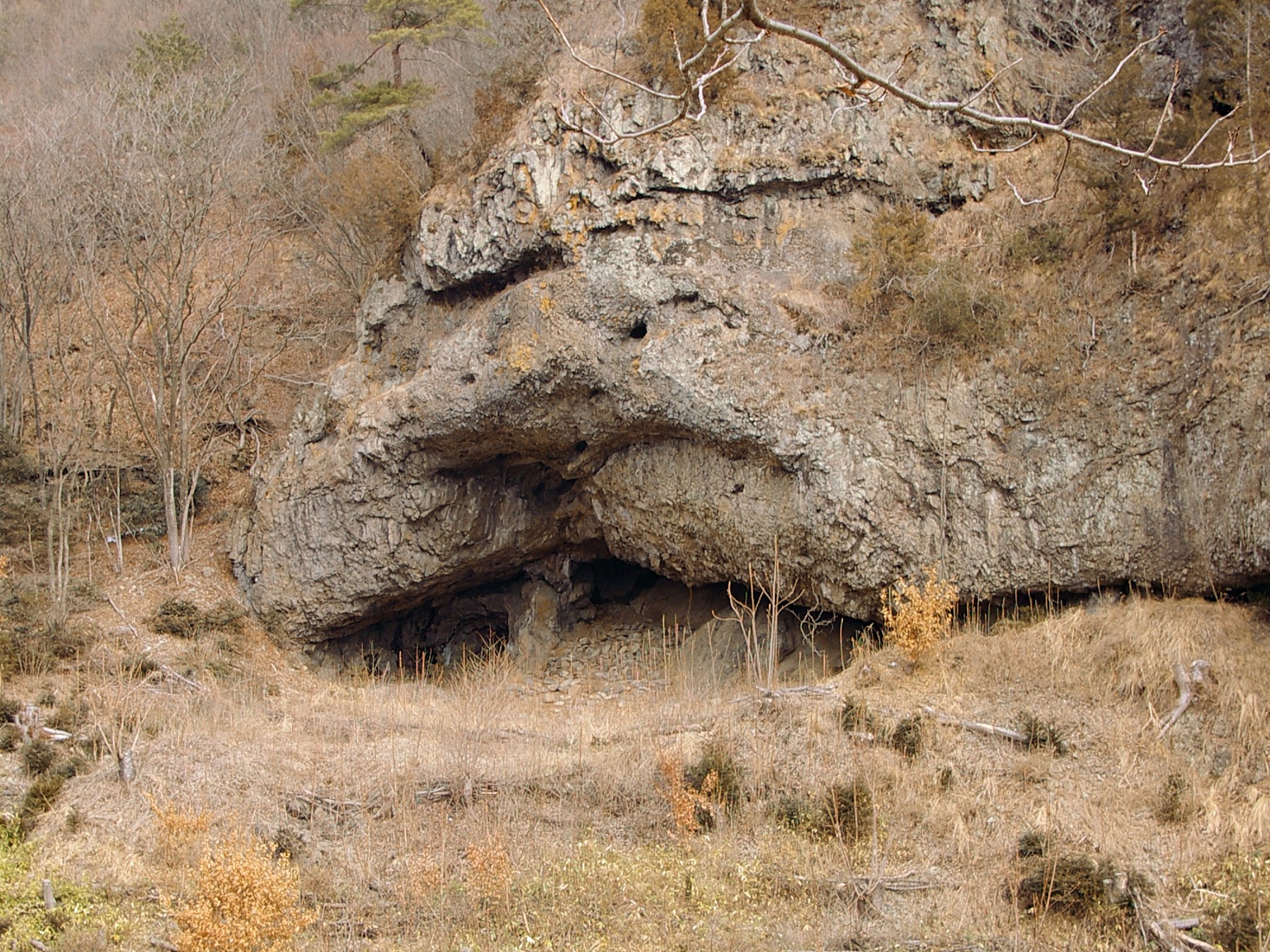
Tobayama Cave
Cave dwelling and tomb with grave goods
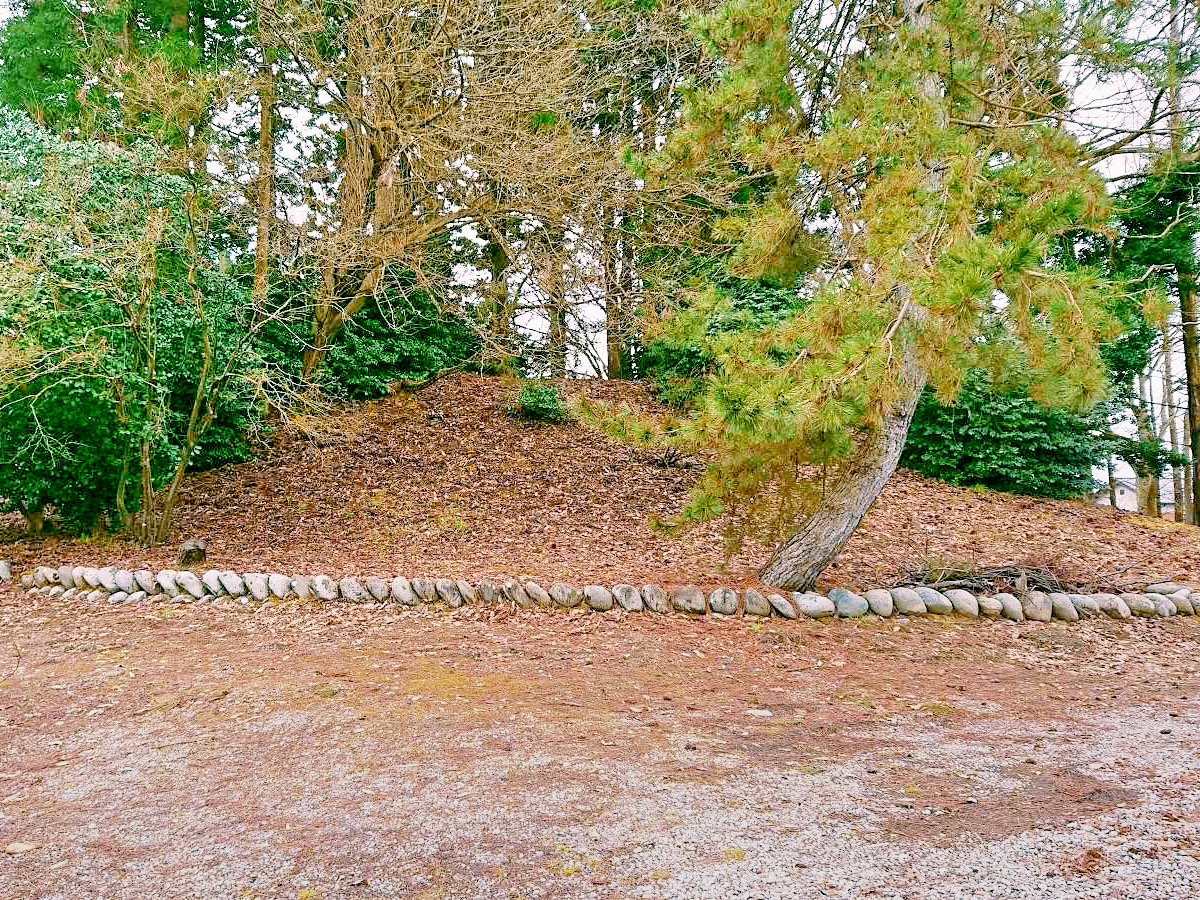
Kushidashin Site
Late Jōmon settlement with Kofun burial mounds.
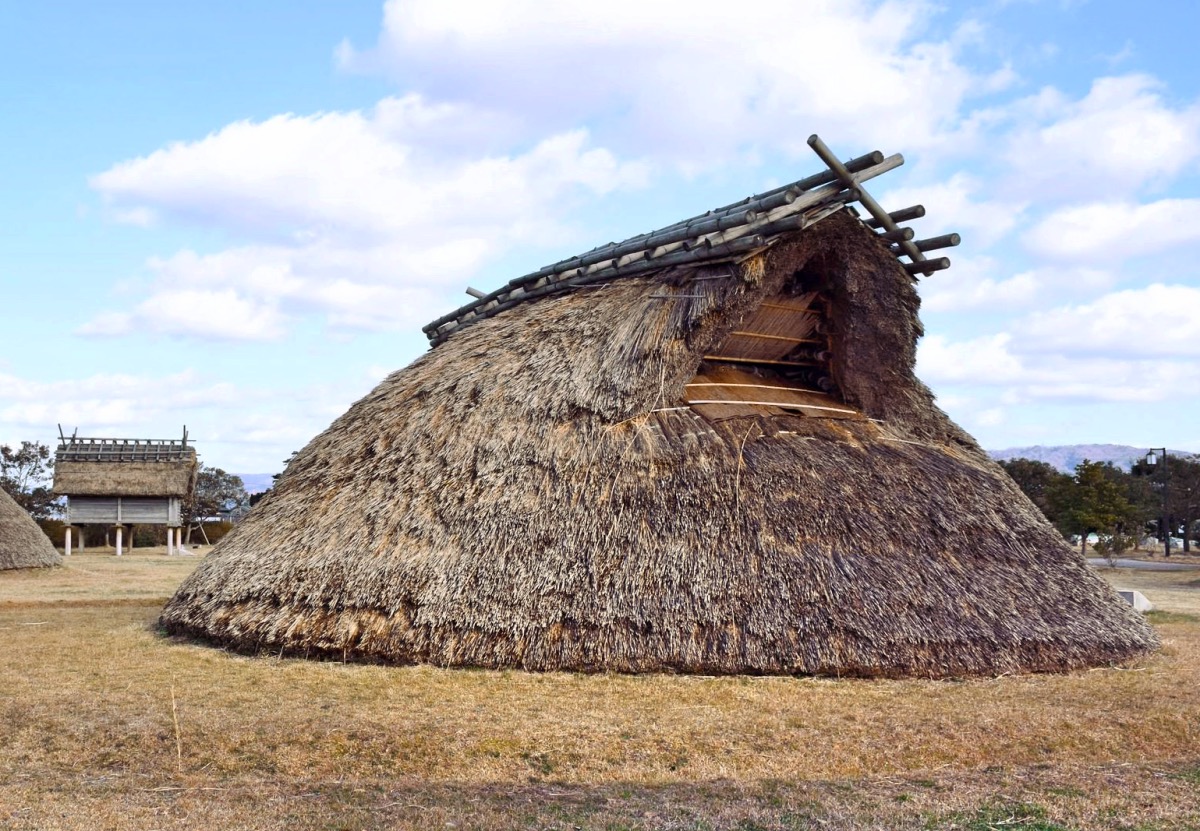
Yoshizaki-Suba Site
Yayoi period settlement remains, Ishikawa, Japan.
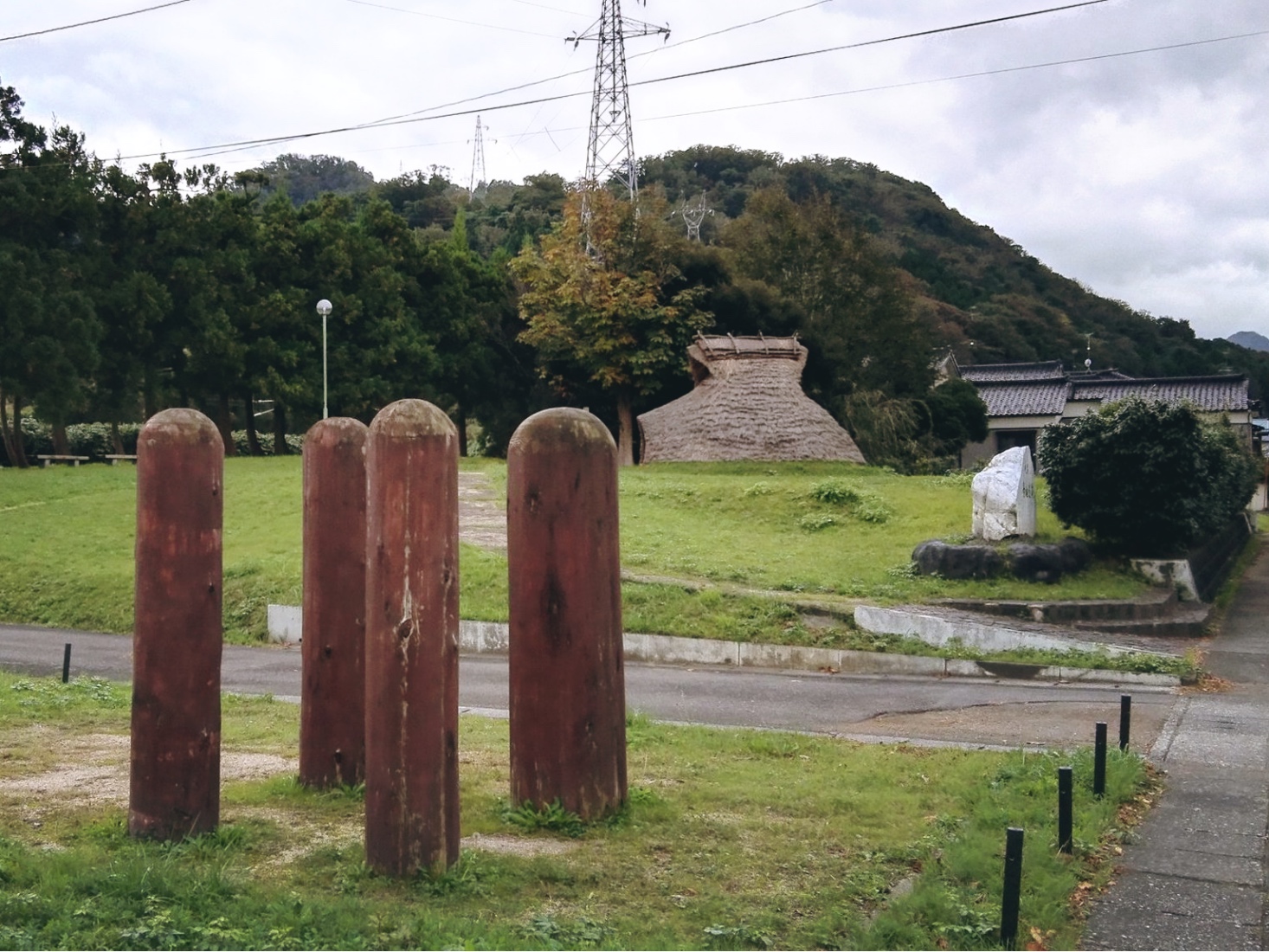
Terachi Site
Middle to late Jōmon period settlement
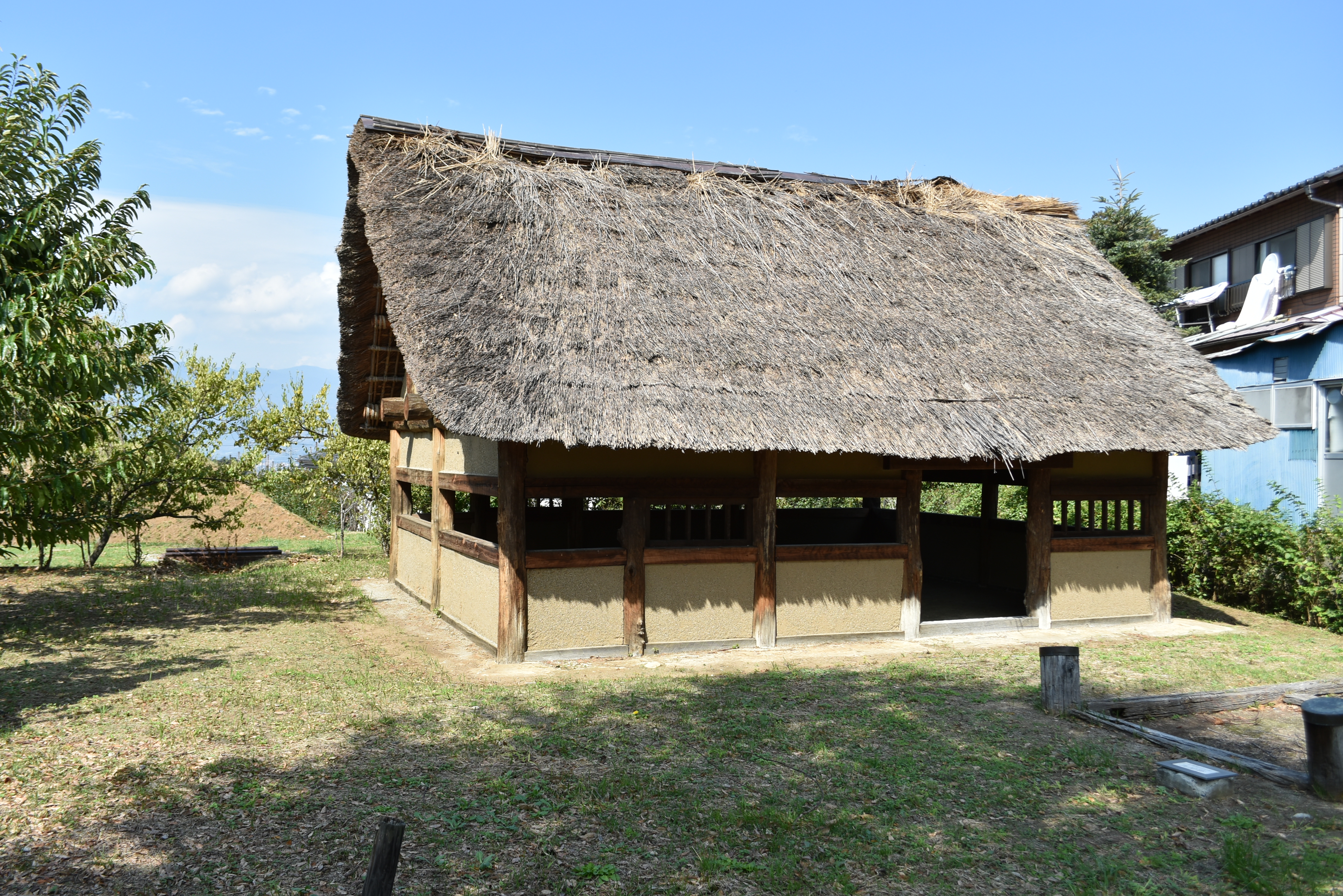
Katsunuma clan residence ruins
Sengoku period fortified residence ruins.