Explore the Map
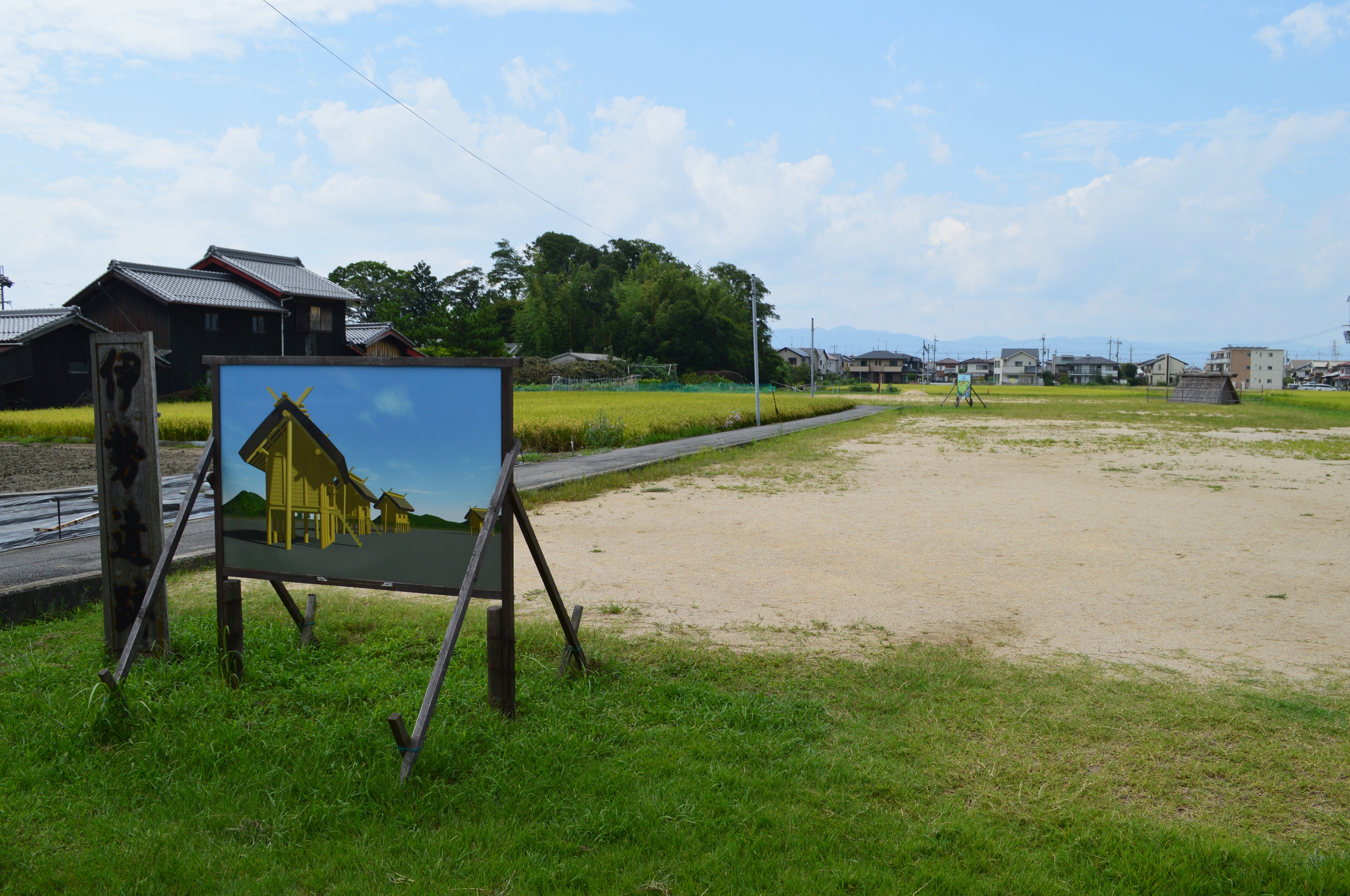
Ise Site
35.0414° N, 135.9889° E
About
The Ise Site, located in the Kansai region of Japan, is a significant archaeological site from the Yayoi period, dating back to the 1st and 2nd centuries CE. It features a large settlement with distinct ritual areas, fortified by moats and ramparts. The site includes numerous large buildings arranged in ceremonious patterns, possibly serving political or ritual purposes. The architectural style of these structures is reminiscent of the Ise Grand Shrine. A unique aspect of the site is the presence of one of Japan's largest pit dwellings, likely a royal residence. The site also reveals evidence of metalware production from the late Yayoi to early Kofun period, highlighting its importance in regional craft and trade networks.
Gallery
Explore photographs of ancient structures, artifacts, and archaeological excavations
Historical Timeline
Journey through time and discover key events in this site's history
Yayoi settlement establishment
100 CE
Yayoi settlement peak
200 CE
Metalware production
250 CE
Archaeological Features
Unique architectural and cultural elements found at this historical site
Defensive Structures
Industrial and Craft Structures
Religious and Ritual Structures
Domestic and Habitation Structures
Frequently Asked Questions
Plan Your Visit
Tours, travel arrangements, and practical information
More Sites in Japan
Mangyō Site
Late Yayoi–Early Kofun settlement, Nanao (Ishikawa), Japan
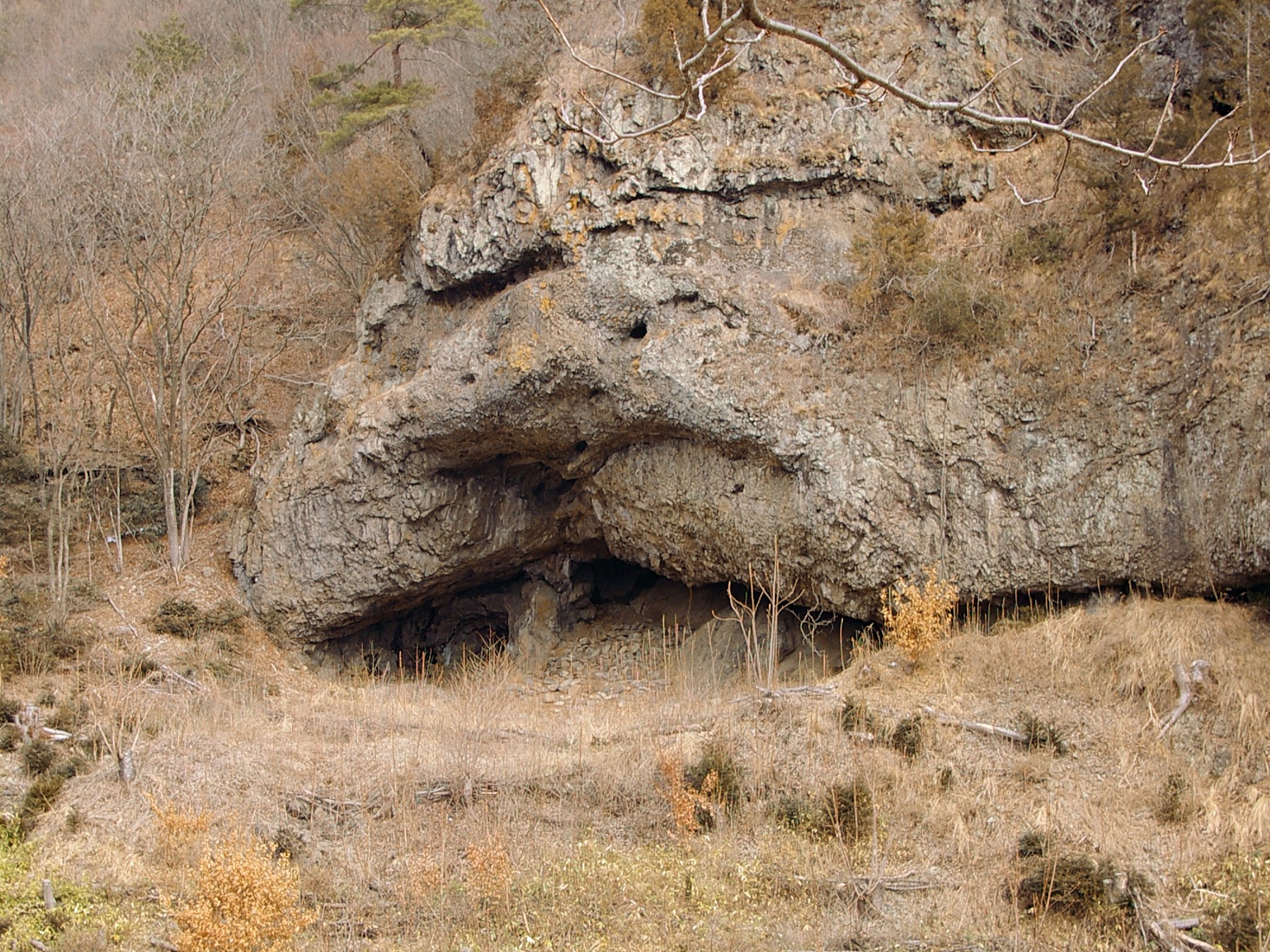
Tobayama Cave
Cave dwelling and tomb with grave goods
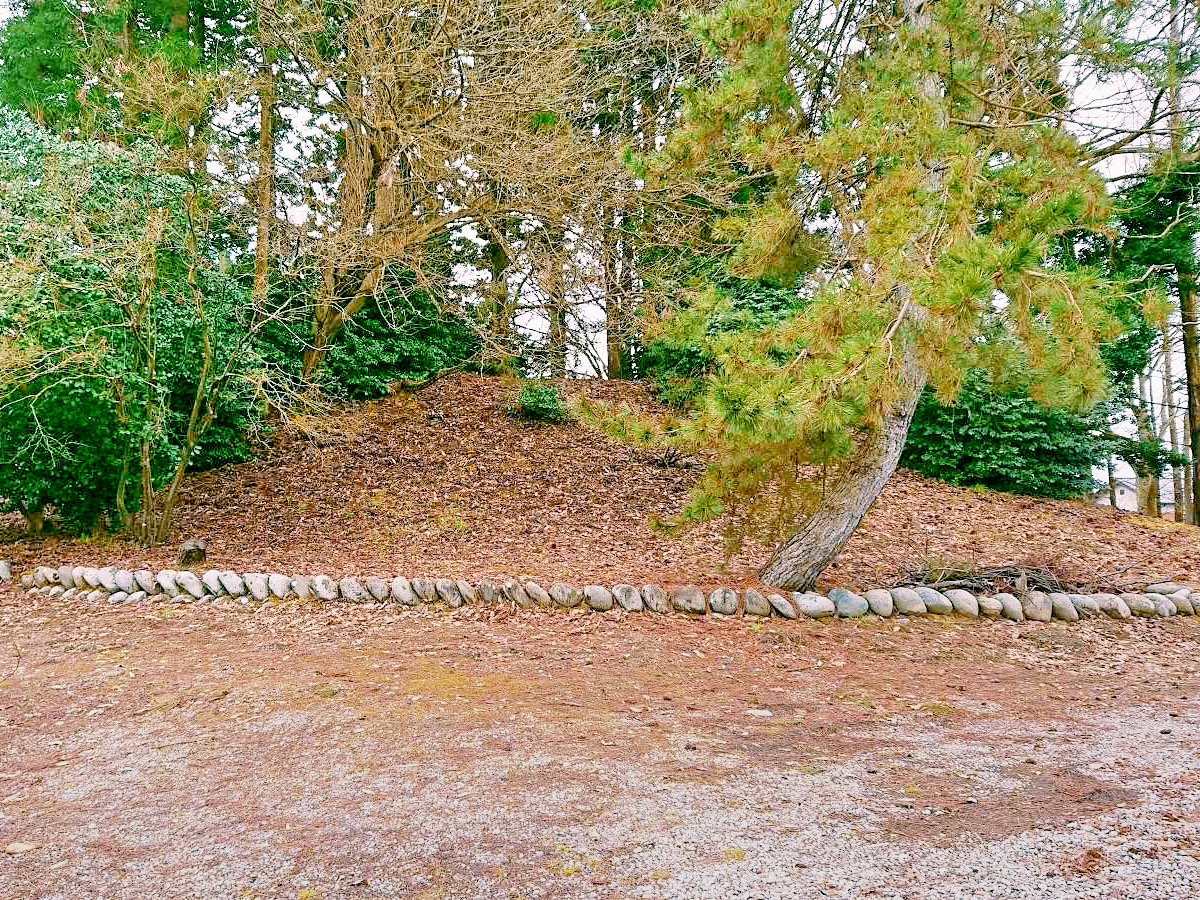
Kushidashin Site
Late Jōmon settlement with Kofun burial mounds.
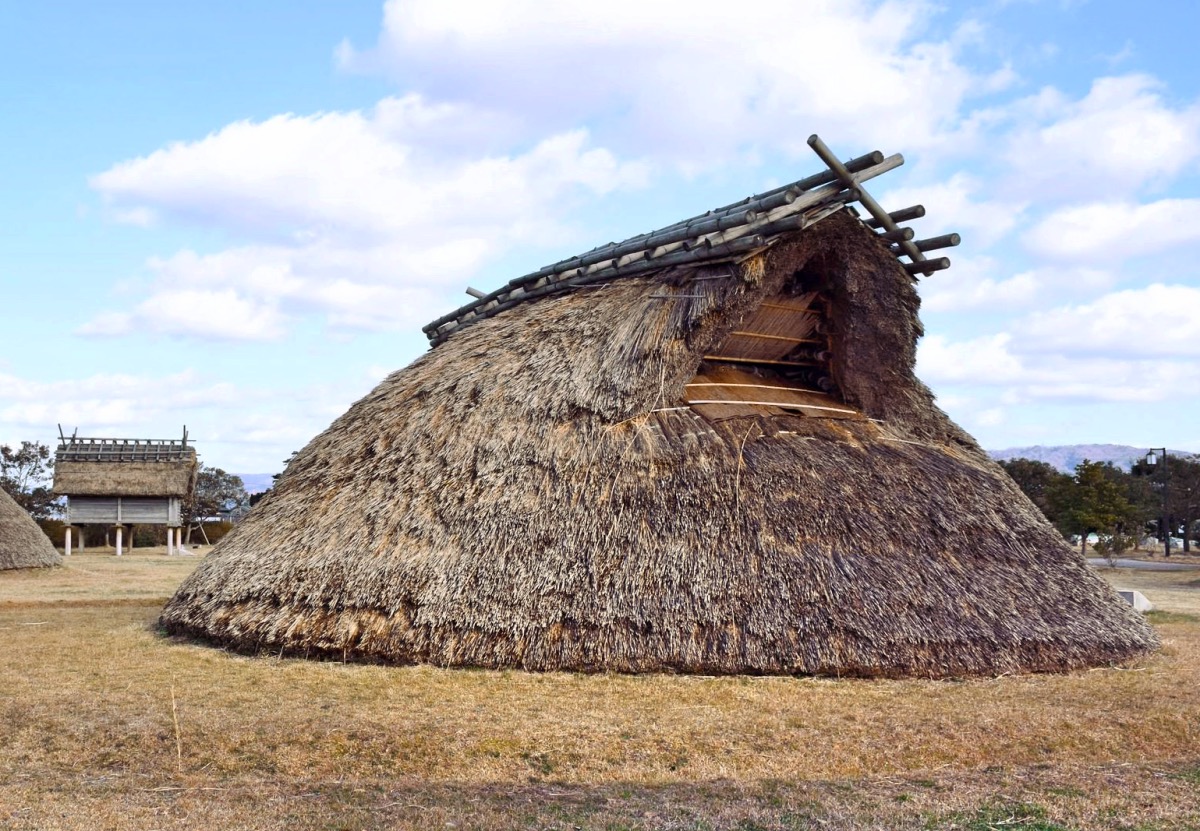
Yoshizaki-Suba Site
Yayoi period settlement remains, Ishikawa, Japan.
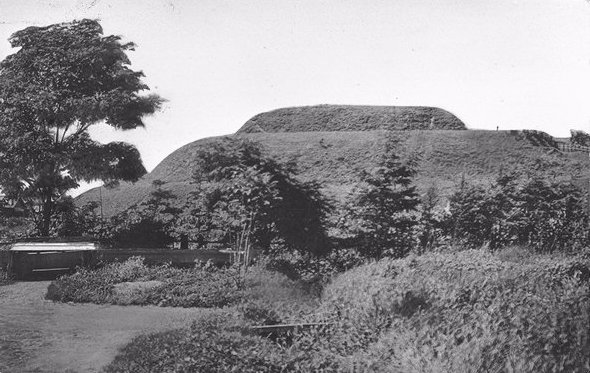
Moshiriya Chashi
Ainu fortified chashi on elevated site
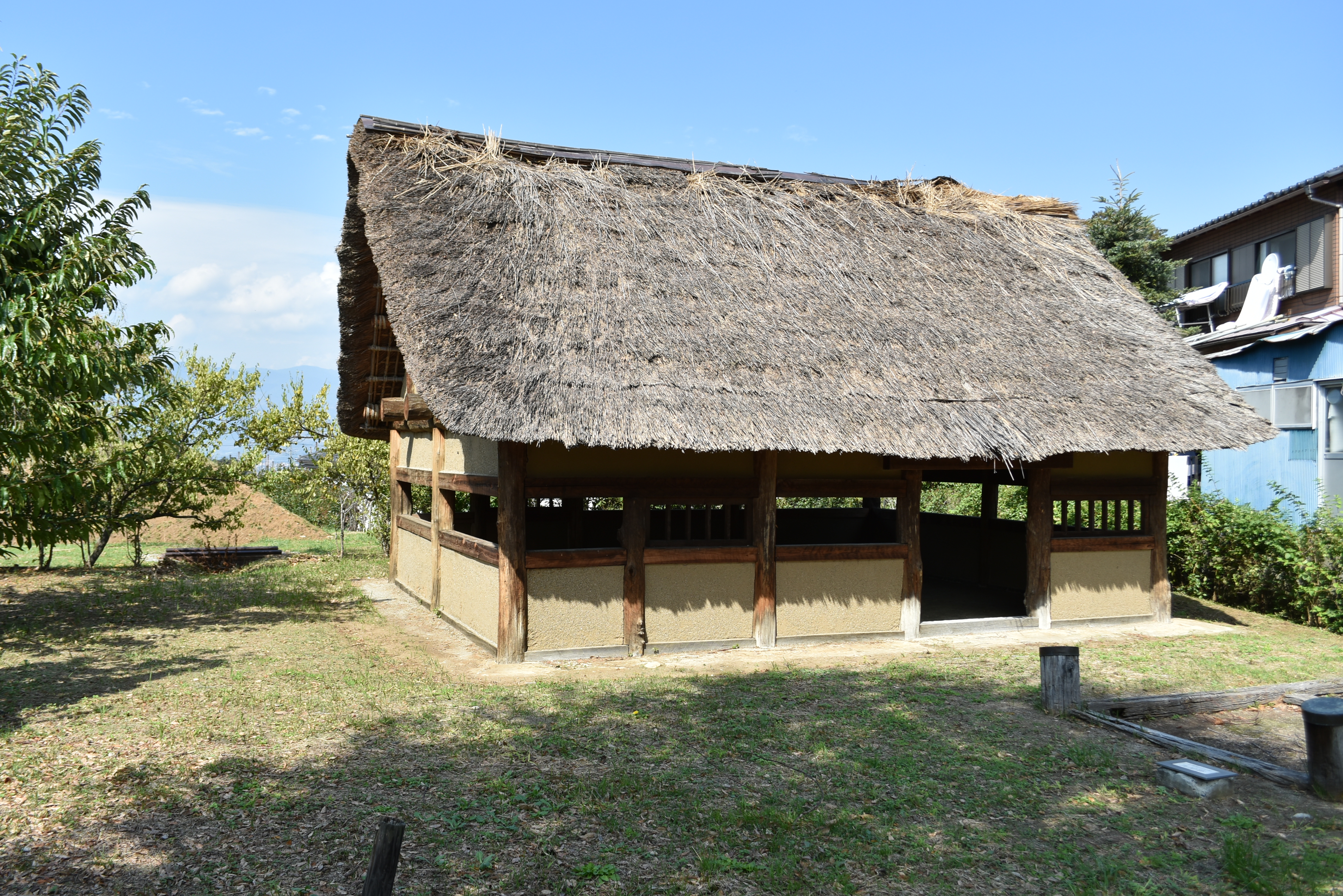
Katsunuma clan residence ruins
Sengoku period fortified residence ruins.