Explore the Map
Tenpaku Site
34.6108° N, 136.4389° E
About
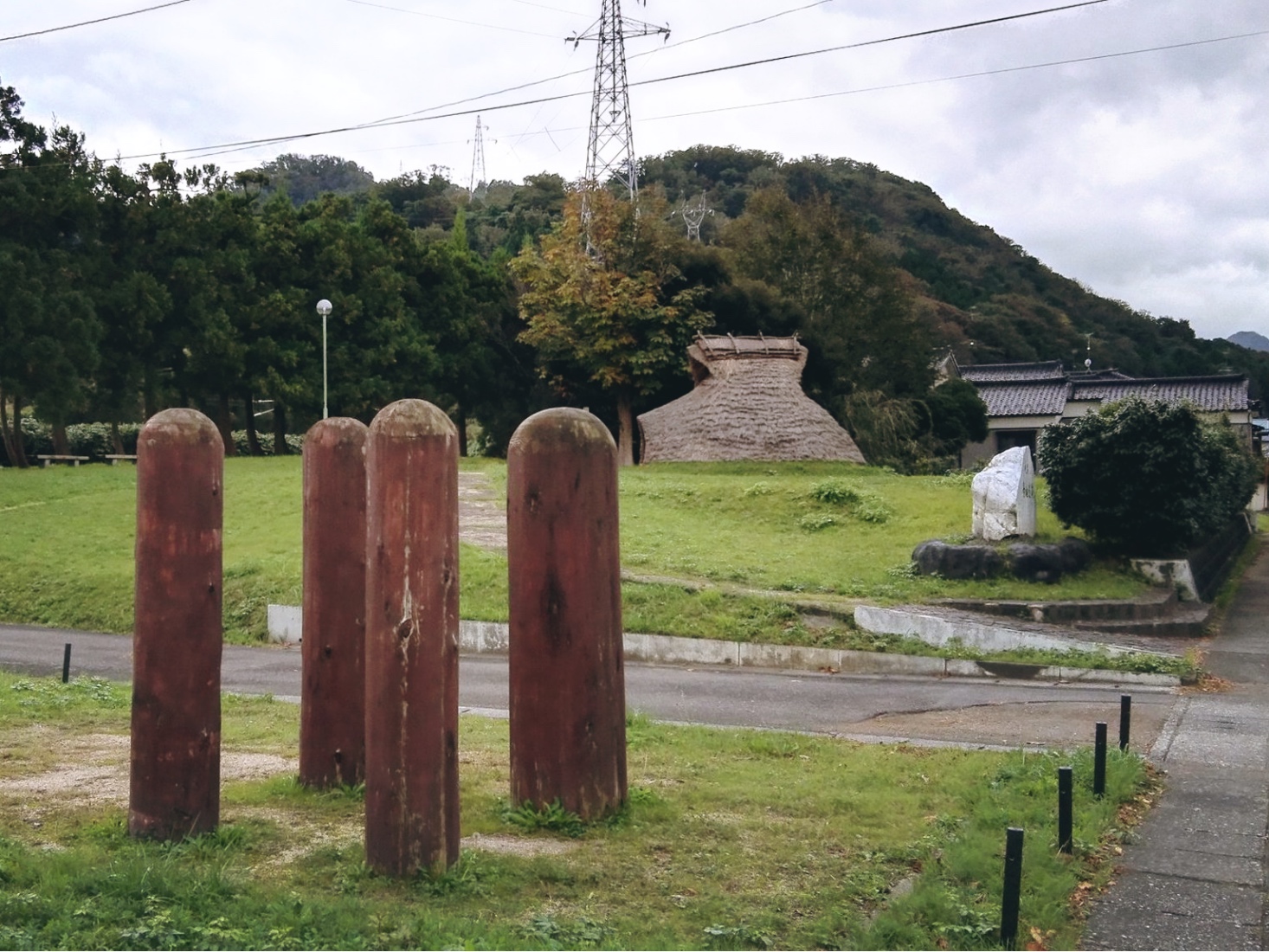
The Tenpaku site, located in Matsusaka, Japan, is a significant archaeological location from the late Jōmon period. This site, situated on a fluvial terrace near the Nakamura River, is renowned for its concentration of burial and ritual structures, including 37 stone-lined graves and 24 earthenware burials. These burials, dating from approximately 2500 to 1300 BCE, were discovered in a well-preserved state despite being only one meter below the surface. The site yielded a wealth of grave goods, including magatama, clay figurines, and a variety of stone tools, collectively designated as Registered Tangible Cultural Properties of Japan. This concentration of stone-lined graves is rare for western Japan, highlighting the site's importance for understanding regional Jōmon practices.
Historical Timeline
Journey through time and discover key events in this site's history
Late Jōmon Burials
2500 BCE to 1300 BCE
Archaeological Features
Unique architectural and cultural elements found at this historical site
Burial and Funerary Structures
Religious and Ritual Structures
Frequently Asked Questions
Plan Your Visit
Tours, travel arrangements, and practical information
More Sites in Japan
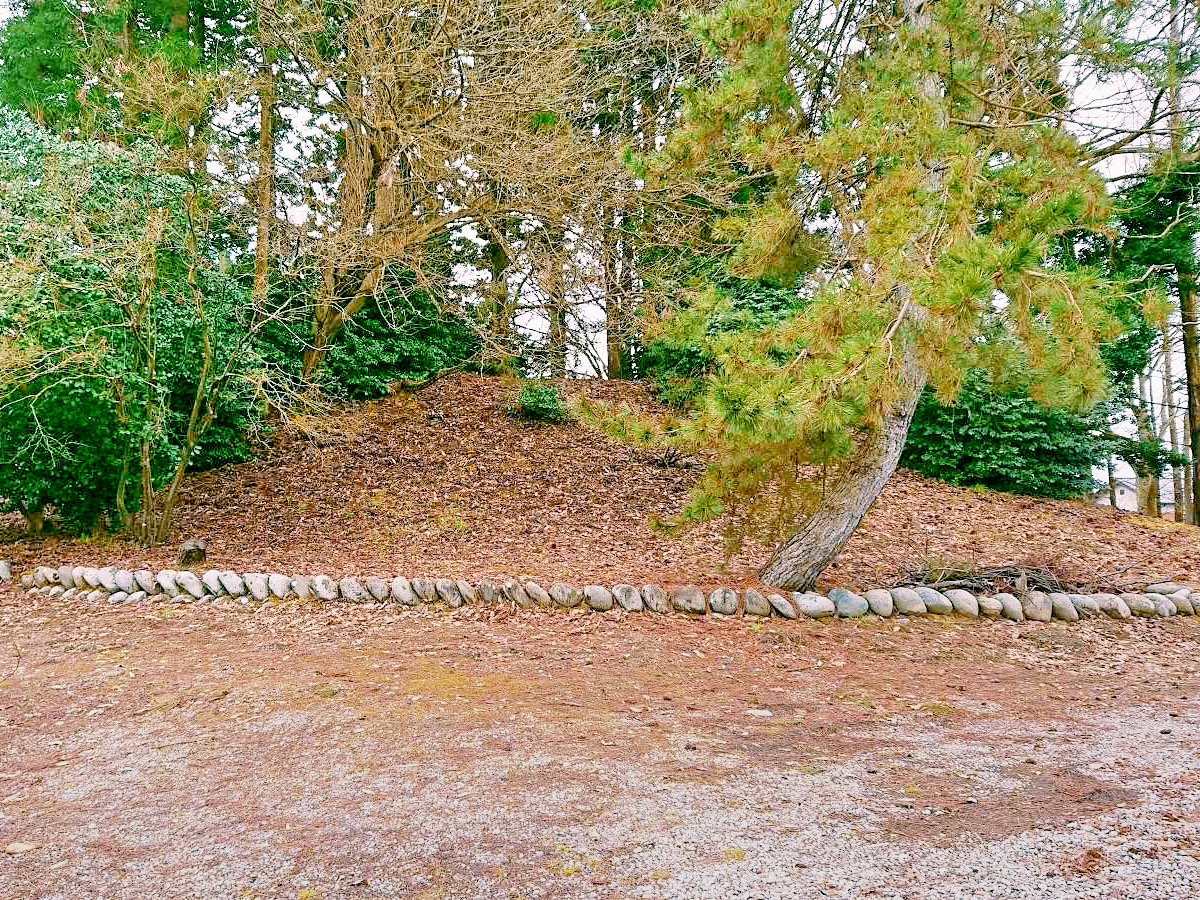
Kushidashin Site
Late Jōmon settlement with Kofun burial mounds.
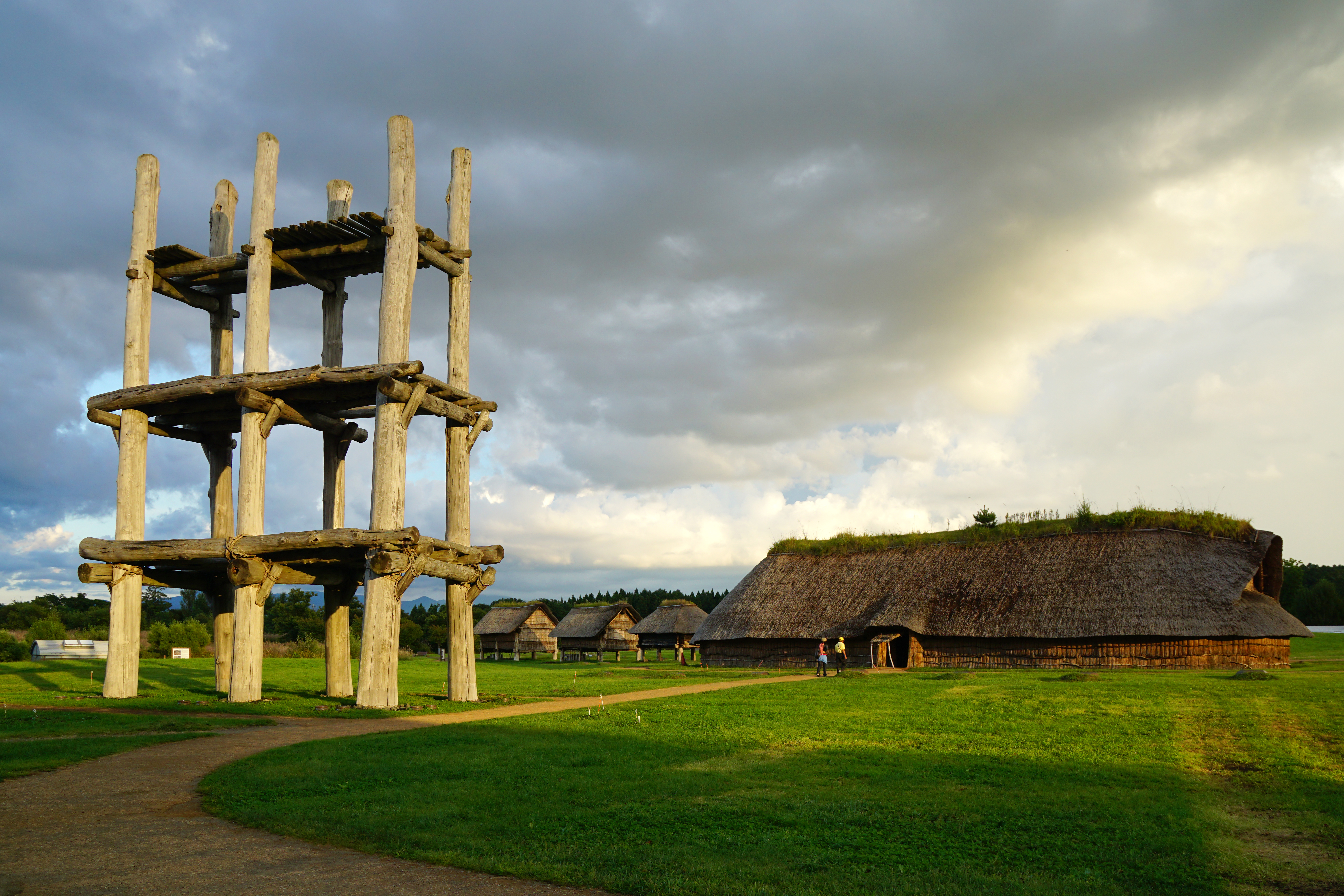
Sannai-Maruyama Site
Large Jōmon period settlement ruins
Mangyō Site
Late Yayoi–Early Kofun settlement, Nanao (Ishikawa), Japan
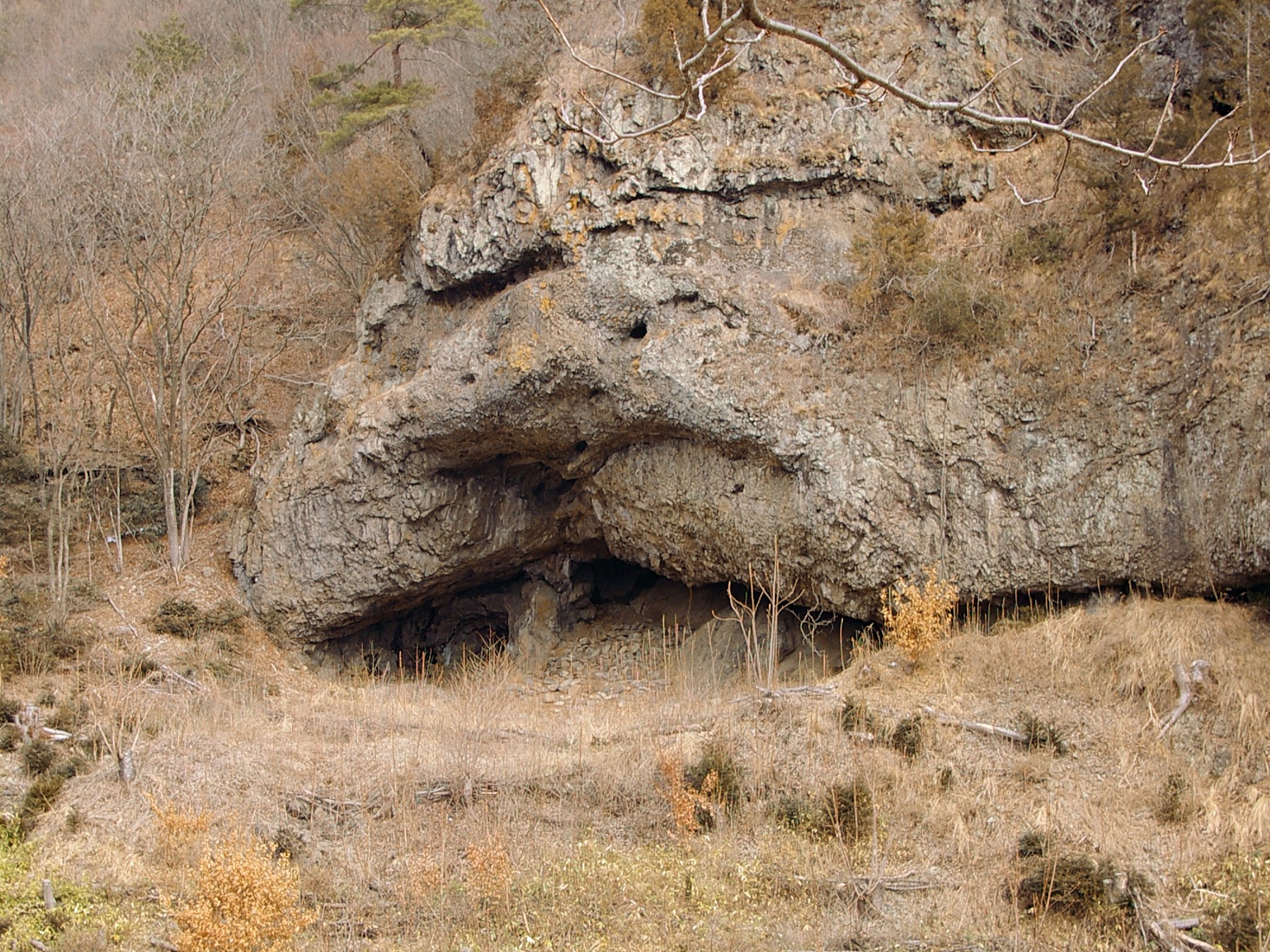
Tobayama Cave
Cave dwelling and tomb with grave goods
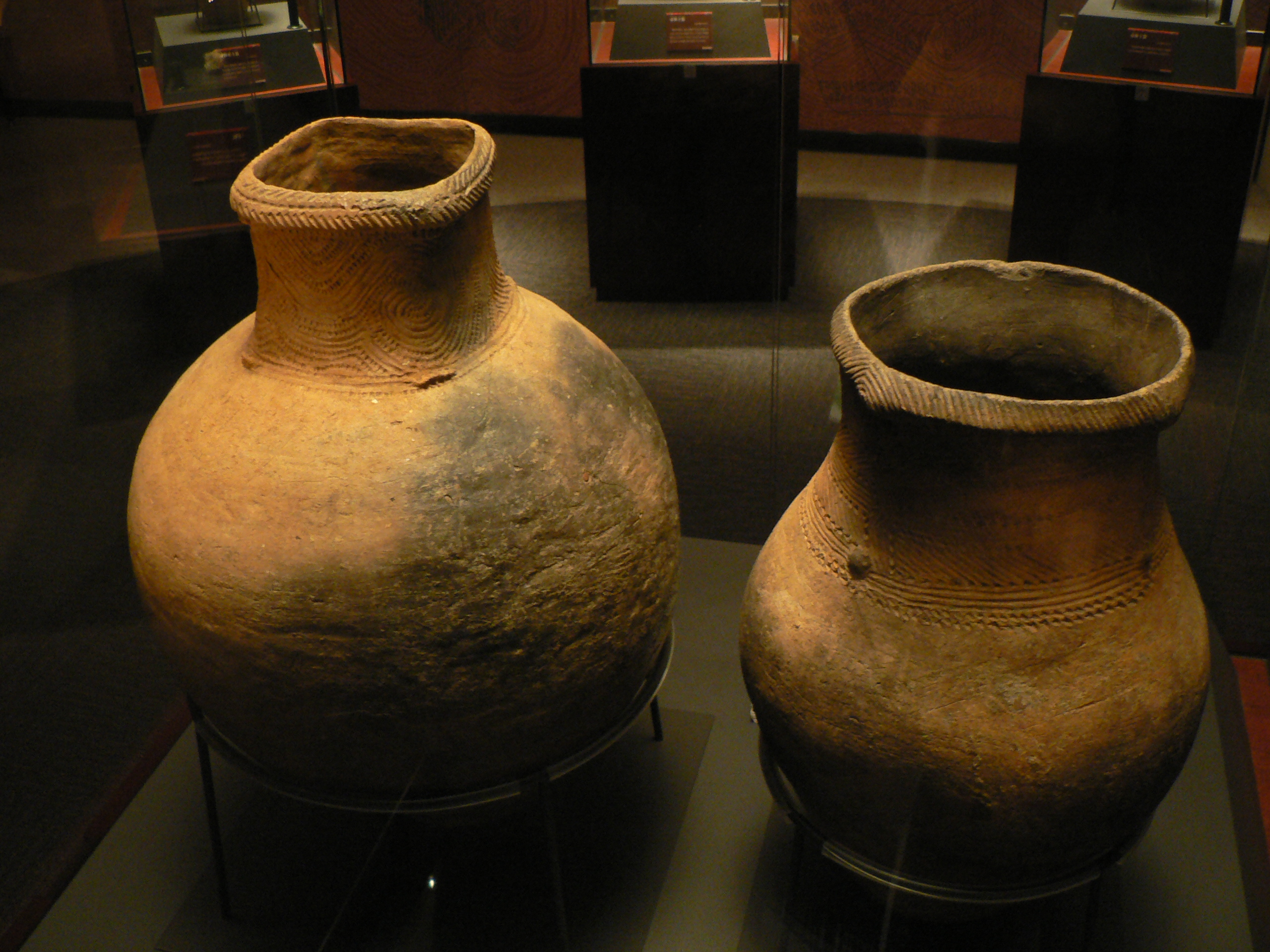
Uenohara site
Early Jōmon period settlement in Japan.
Terachi Site
Middle to late Jōmon period settlement