Explore the Map
Gonga Kanga ruins
35.5317° N, 137.8630° E
About
The Gonga Kanga ruins in Iida, Nagano, Japan, are a significant archaeological site from the late Nara to early Heian periods, serving as a government administrative complex for Ina District in Shinano Province. Spanning from the 7th to early 10th centuries, the site features a trapezoidal enclosure with foundations of granaries, administrative buildings, and a moat. It was constructed following the Ritsuryō system's standardized template for provincial governance. Inside the complex, a pond fed by a natural spring yielded numerous artifacts, including wooden tag markers, pottery shards, and coins, indicating its role in both administrative and ritual activities. The ruins' designation as a National Historic Site underscores its cultural and historical importance.
Historical Timeline
Journey through time and discover key events in this site's history
7th Century Establishment
600 CE
10th Century Use
900 CE
Archaeological Features
Unique architectural and cultural elements found at this historical site
Storage Structures
Defensive Structures
Public and Civic Structures
Religious and Ritual Structures
Frequently Asked Questions
Plan Your Visit
Tours, travel arrangements, and practical information


More Sites in Japan
Binmanji Ishibotokedani Necropolis
Medieval Japanese necropolis with 1600 tombs.
Furushida-Higashi ruins
Heian period fortified residence with moat.
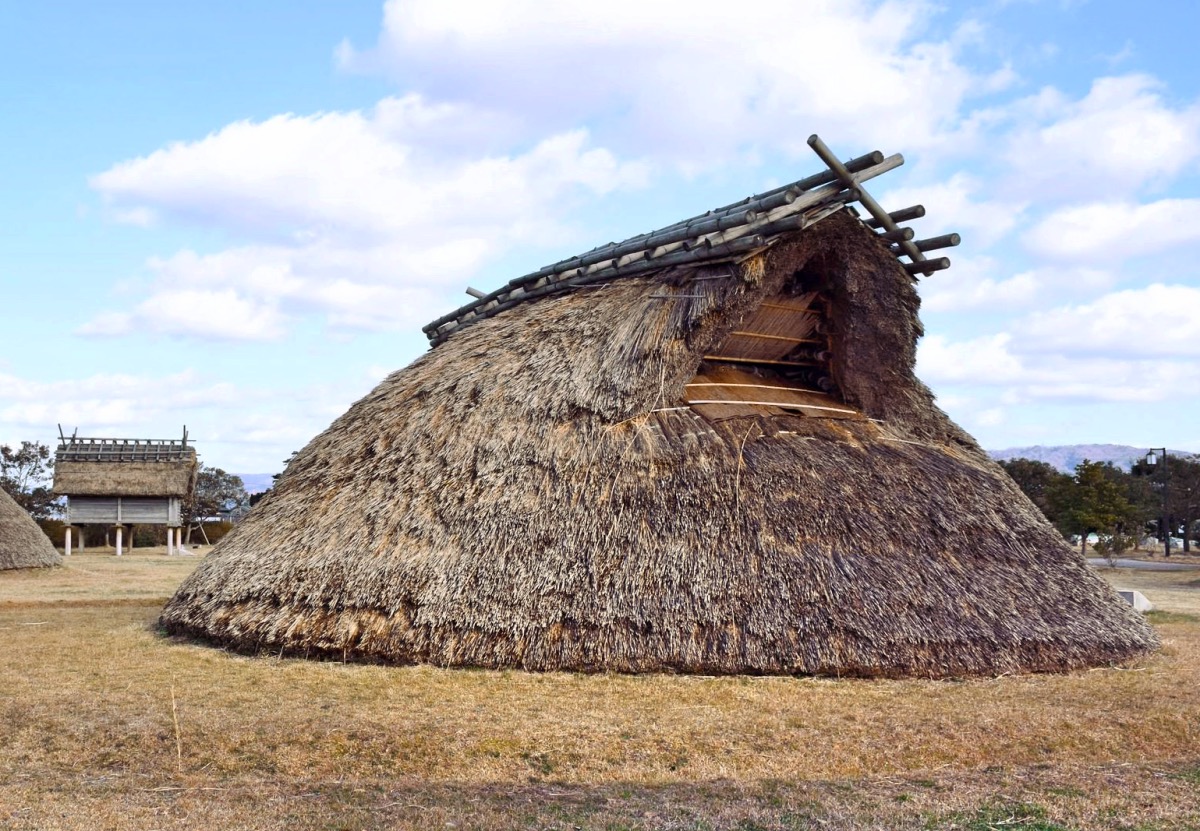
Yoshizaki-Suba Site
Yayoi period settlement remains, Ishikawa, Japan.

Komaru Castle
Sengoku period castle with moats and ramparts.
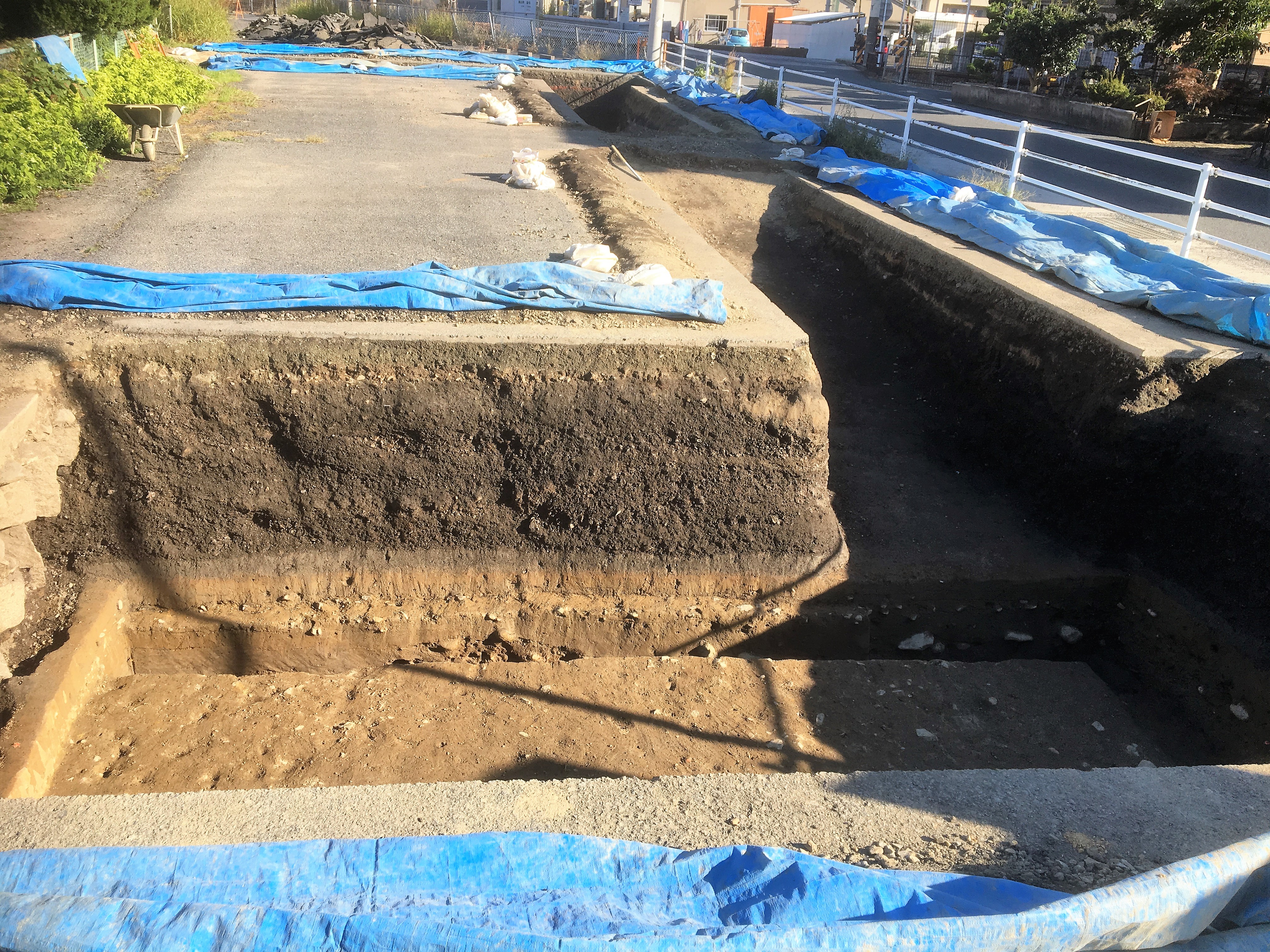
Bingo Provincial Capital
Ruins of ancient provincial capital structures
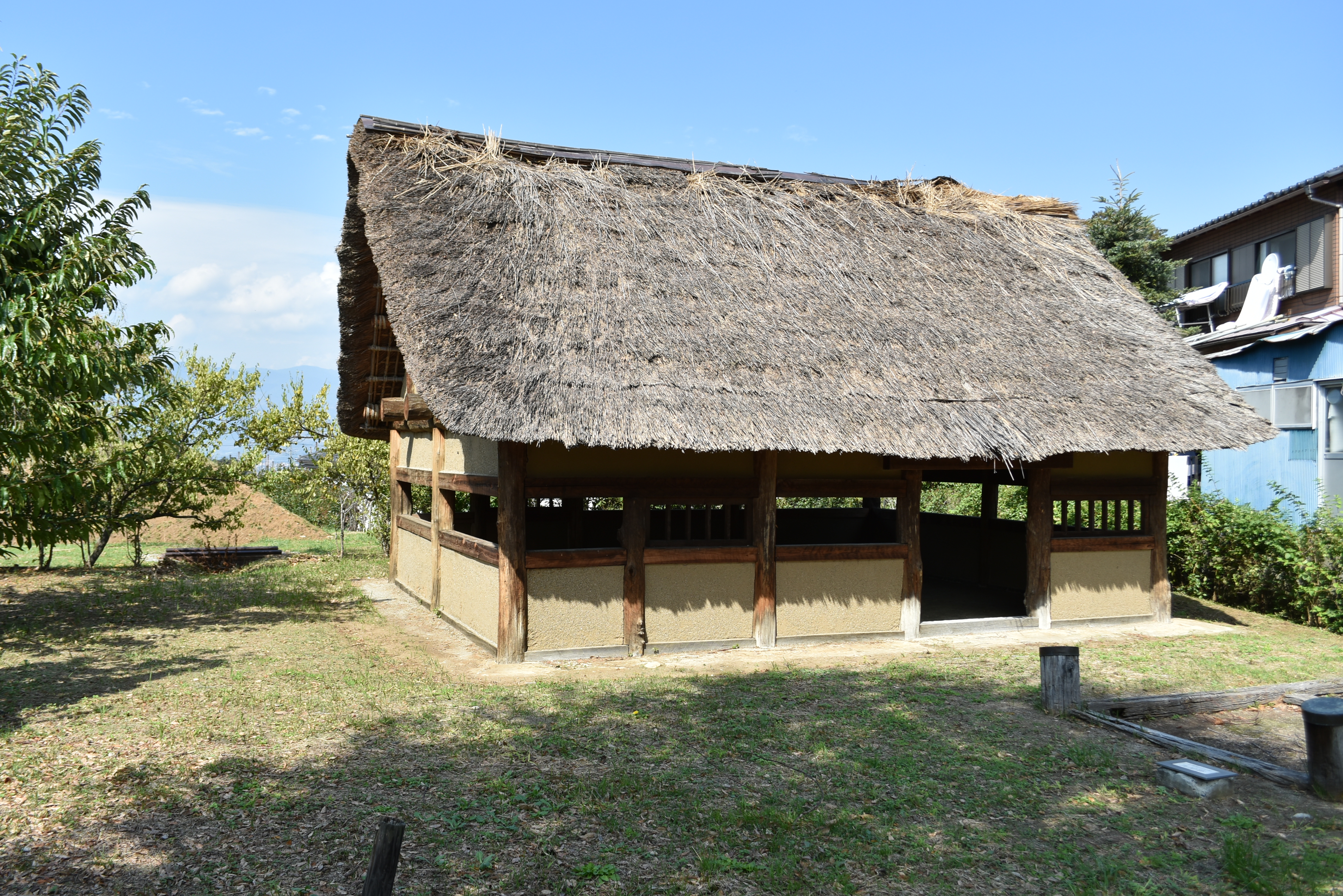
Katsunuma clan residence ruins
Sengoku period fortified residence ruins.