Explore the Map
Mino Provincial Capital
35.3775° N, 136.5239° E
About
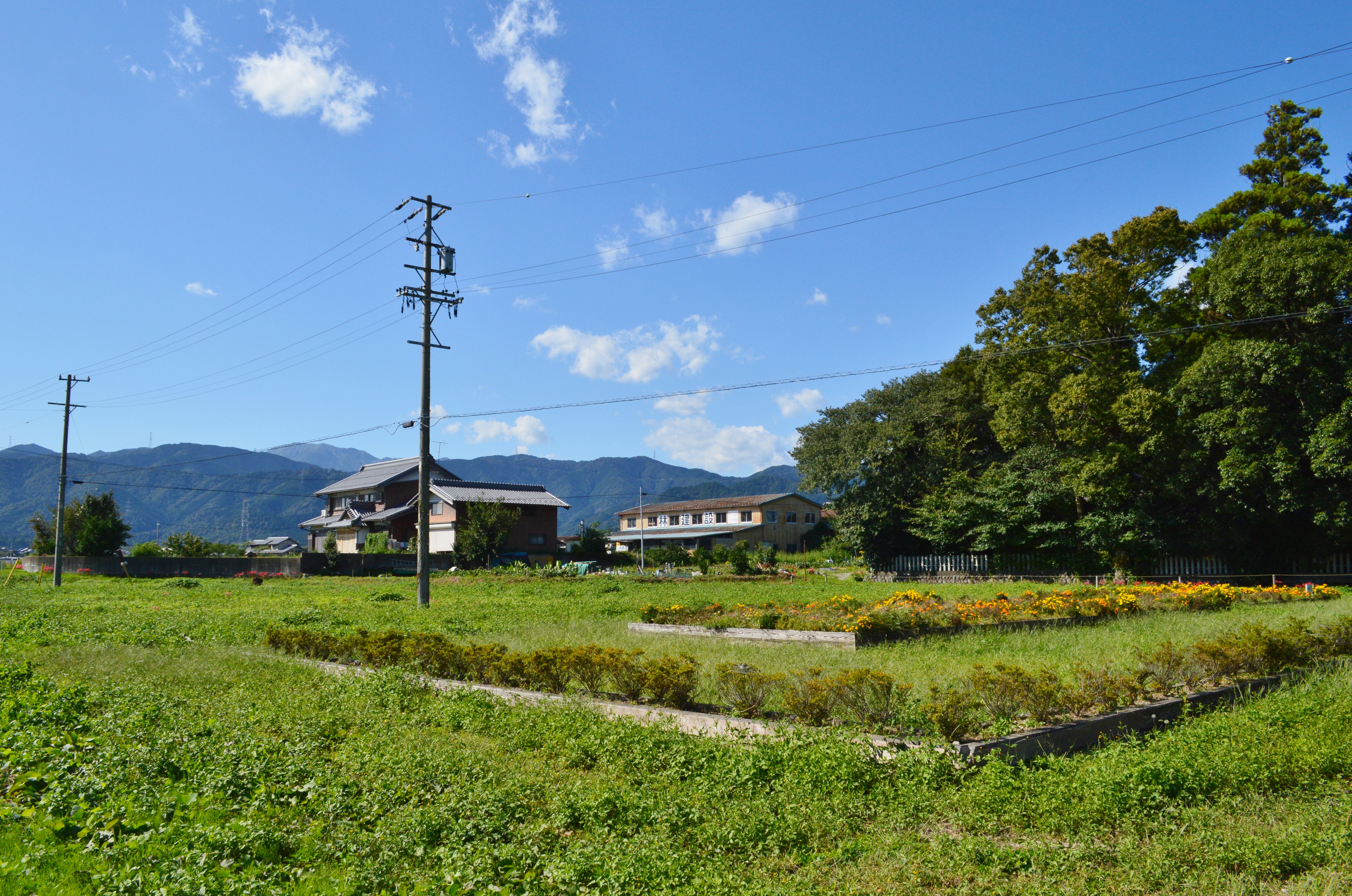
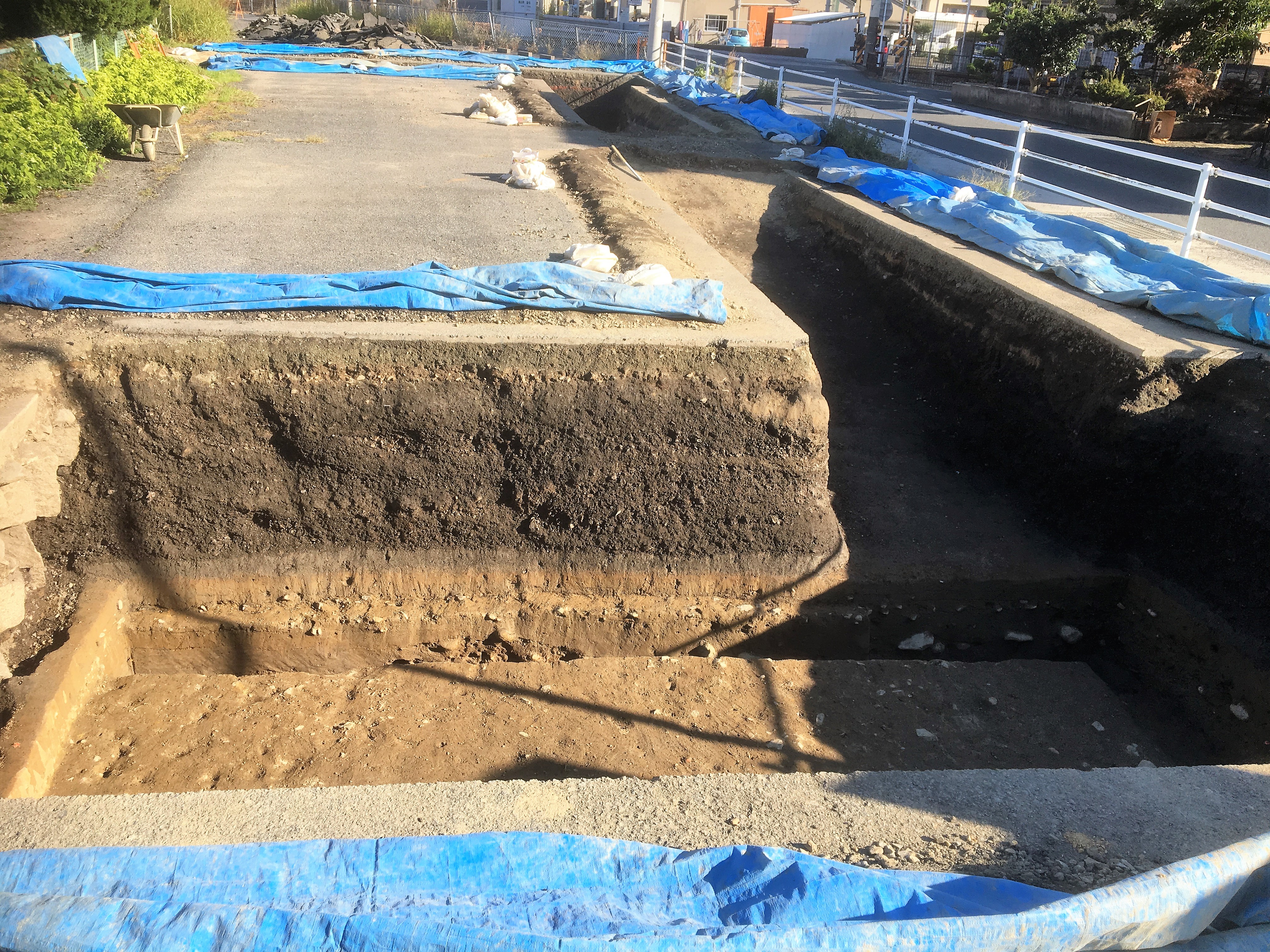
The Mino Provincial Capital site in Tarui, Gifu, Japan, is a significant archaeological site representing the administrative and civic structures of a provincial capital from the Nara to early Heian periods. Established following the Taika Reform in 645 CE, the site features a square layout with administrative buildings, granaries for storing tax rice, and a defensive moat. Originally constructed with raised pillar buildings, these structures were later rebuilt on foundation stones in the late Nara period. The site, covering approximately 400 by 430 meters, was a hub for governance, finance, police, and military functions until it was abandoned in the 10th century CE. The discovery of pottery, porcelain fragments, and wooden tags with inscriptions provides insight into the daily operations and material culture of that era.
Gallery
Explore photographs of ancient structures, artifacts, and archaeological excavations
Historical Timeline
Journey through time and discover key events in this site's history
Mino Provincial Capital establishment
645 CE
Reconstruction with foundation stones
8th century CE
Site abandonment
10th century CE
Archaeological Features
Unique architectural and cultural elements found at this historical site
Storage Structures
Defensive Structures
Public and Civic Structures
Domestic and Habitation Structures
Frequently Asked Questions
Plan Your Visit
Tours, travel arrangements, and practical information
More Sites in Japan
Binmanji Ishibotokedani Necropolis
Medieval Japanese necropolis with 1600 tombs.
Yoshizaki-Suba Site
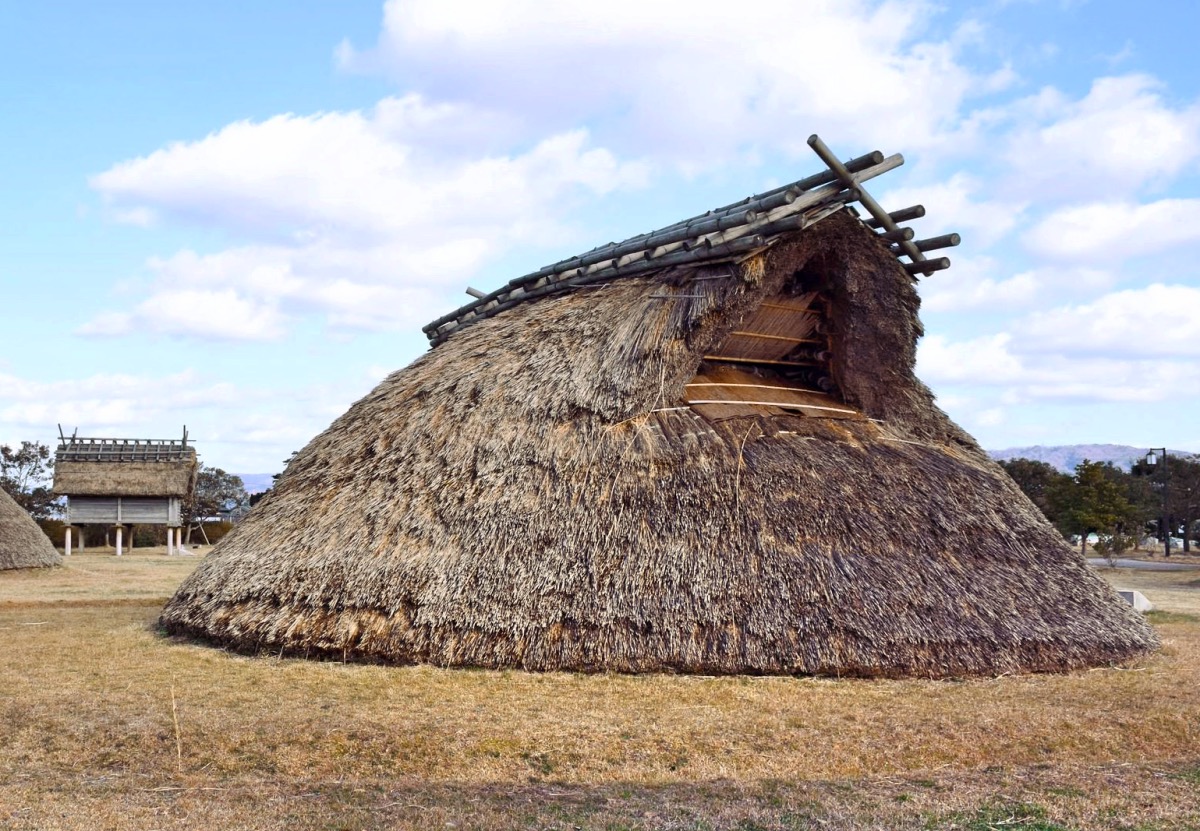
Yayoi period settlement remains, Ishikawa, Japan.
Kusado Sengen
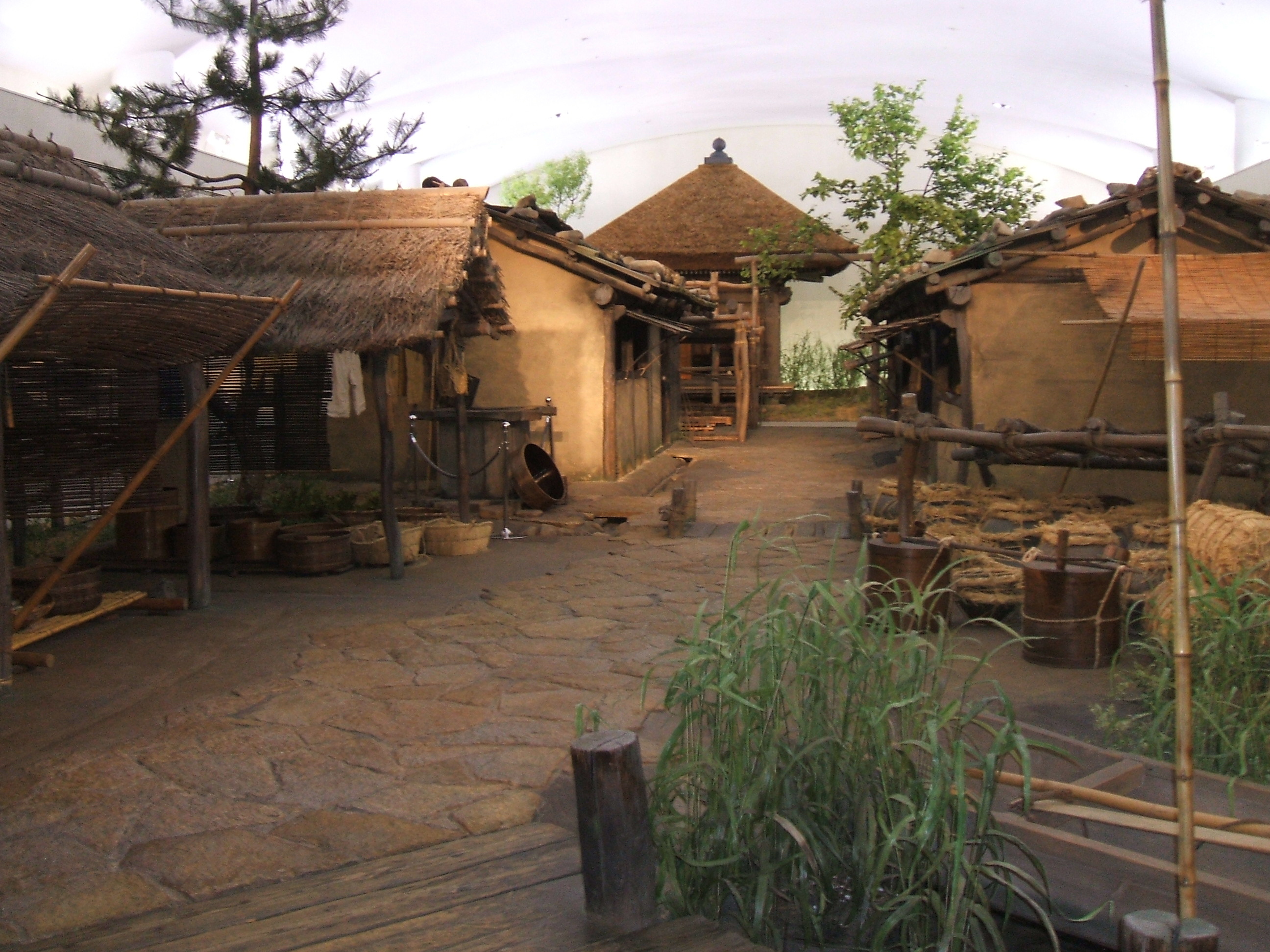
Medieval port town near Ashida River
Katsunuma clan residence ruins
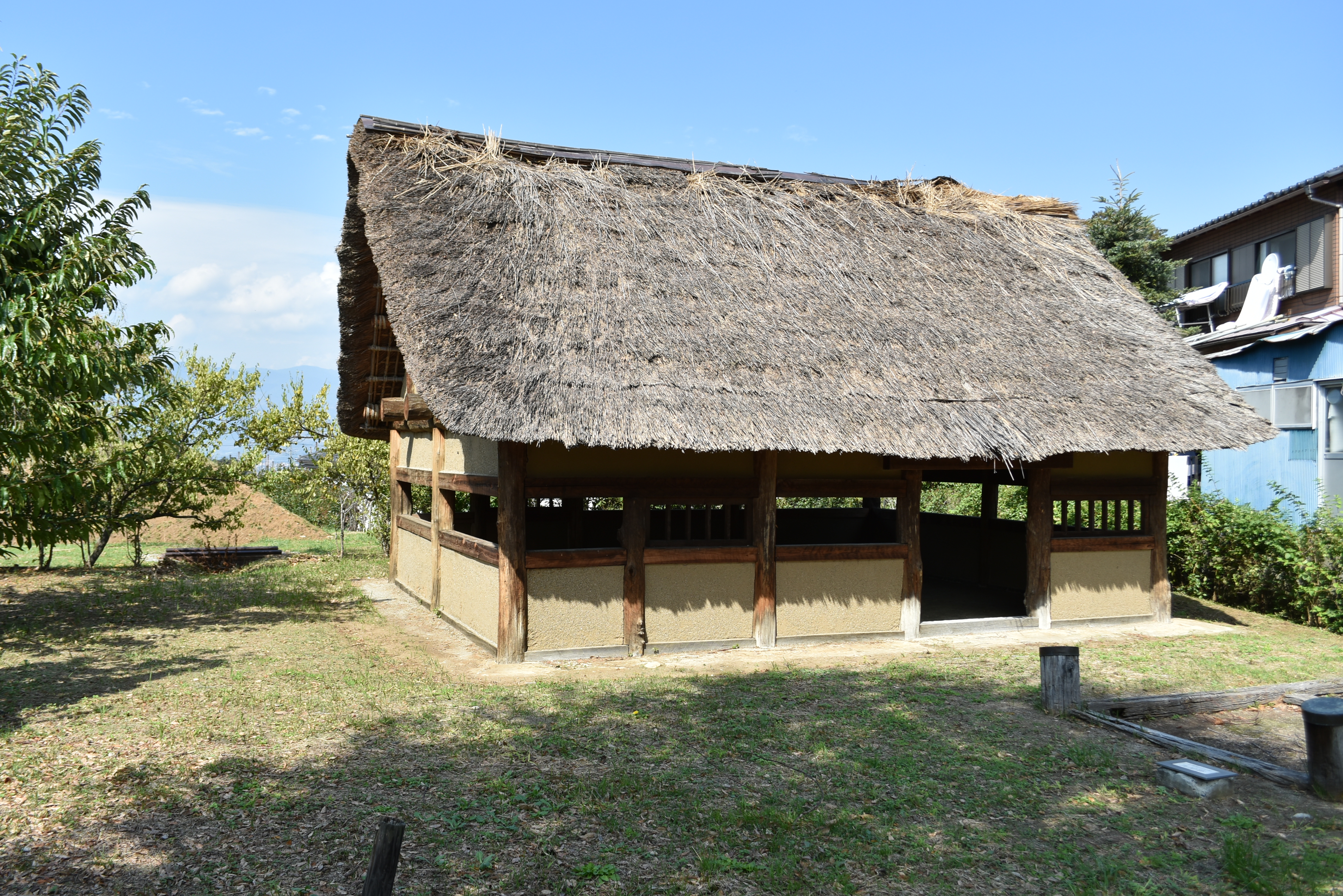
Sengoku period fortified residence ruins.

Komaru Castle
Sengoku period castle with moats and ramparts.
Bingo Provincial Capital
Ruins of ancient provincial capital structures