Explore the Map
Kai Kokubun-ji
35.6386° N, 138.6836° E
About
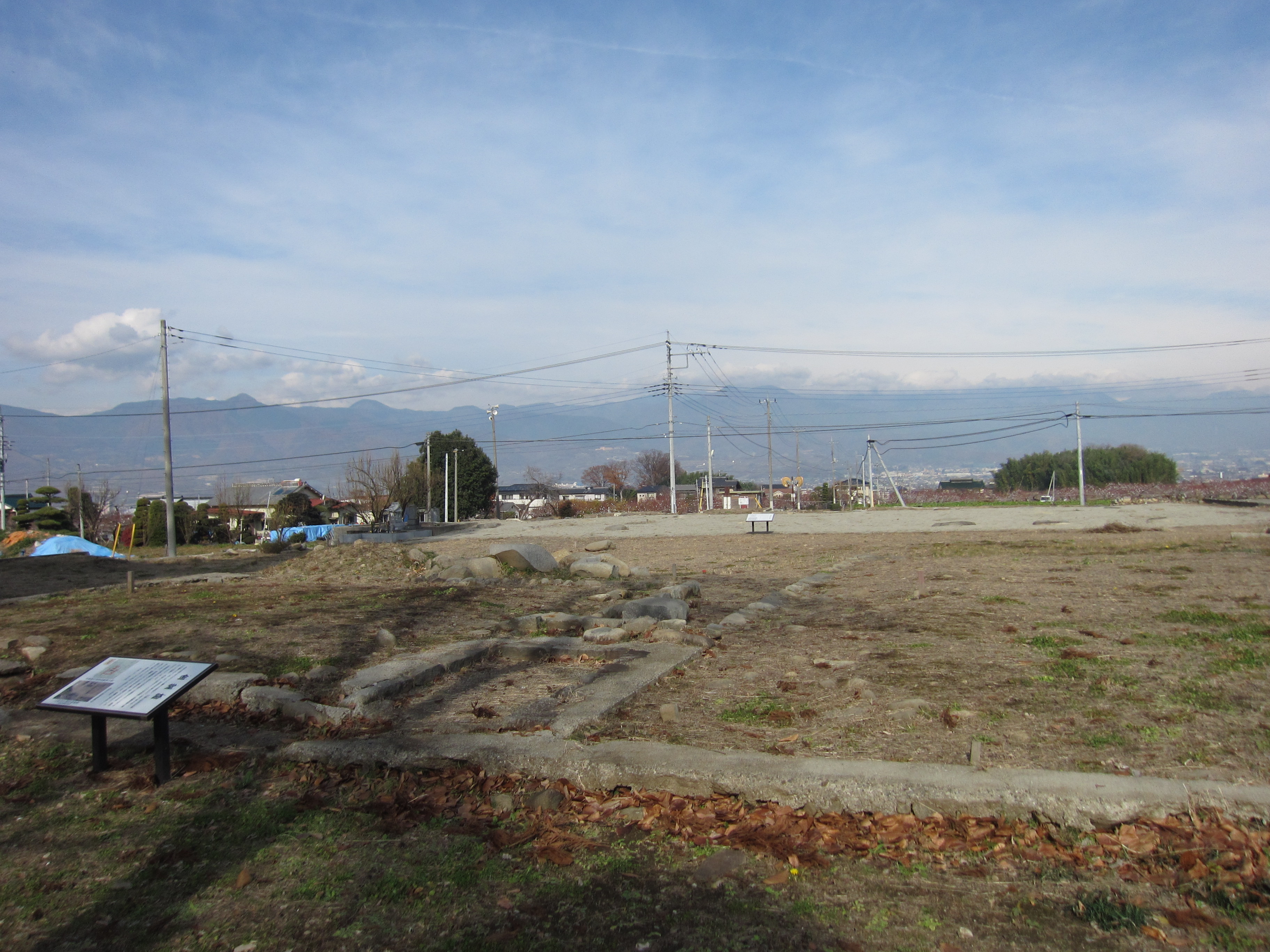
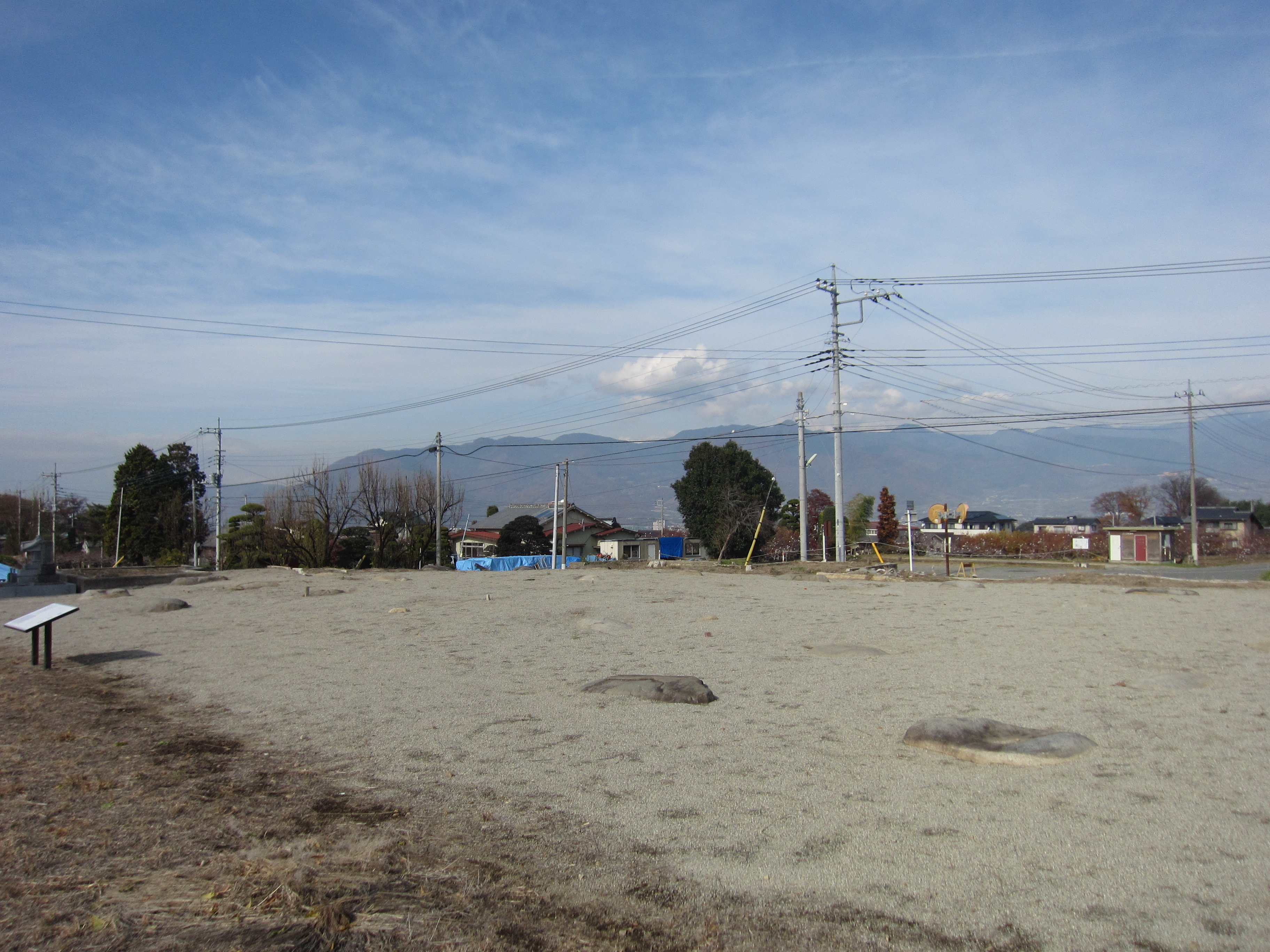
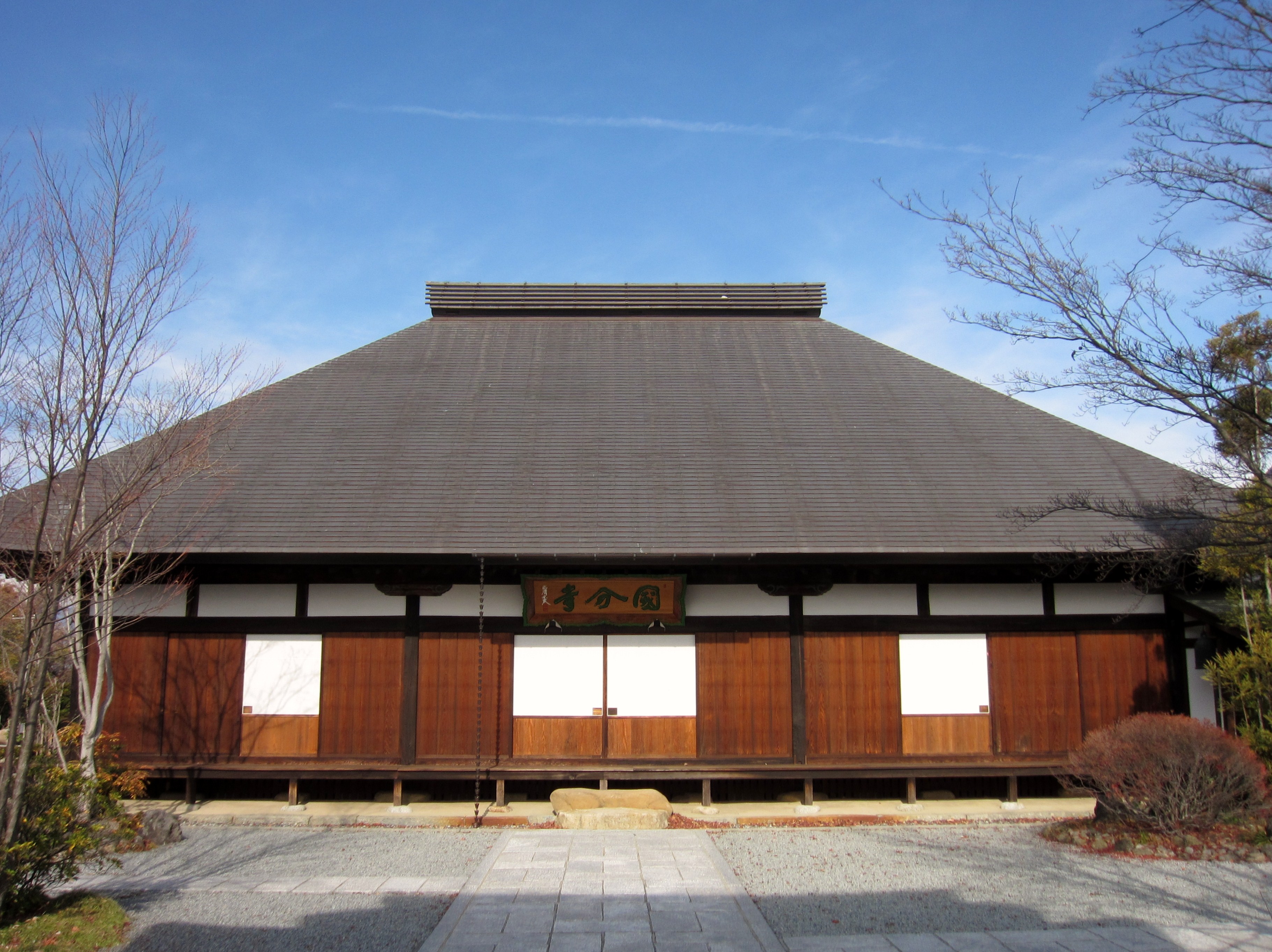
The Kai Kokubun-ji site, located in Fuefuki, Yamanashi, Japan, is an archaeological treasure consisting of the ruins of a Nara-period Buddhist temple. Initially ordered by Emperor Shōmu in 741 CE, it was part of a broader initiative to promote Buddhism across Japan. The site's layout mirrors the Daian-ji temple in Asuka, featuring a South Gate, Kondō, pagoda, and Lecture Hall, all enclosed by a moat and rampart. Despite its destruction by fire in 1255 CE, substantial foundation stones remain, offering insights into its original grandeur. Extensive Tenpyō period roof tiles have been excavated, indicating local craftsmanship. The site also includes industrial features like kilns. Rebuilt in the Sengoku period, it continues to bear historical significance, complemented by its designation as a National Historic Site.
Gallery
Explore photographs of ancient structures, artifacts, and archaeological excavations
Historical Timeline
Journey through time and discover key events in this site's history
741 CE: Establishment Ordered
741 CE
938 CE: First Historical Mention
938 CE
1255 CE: Destruction by Fire
1255 CE
Archaeological Features
Unique architectural and cultural elements found at this historical site
Defensive Structures
Industrial and Craft Structures
Religious and Ritual Structures
Frequently Asked Questions
Plan Your Visit
Tours, travel arrangements, and practical information
More Sites in Japan
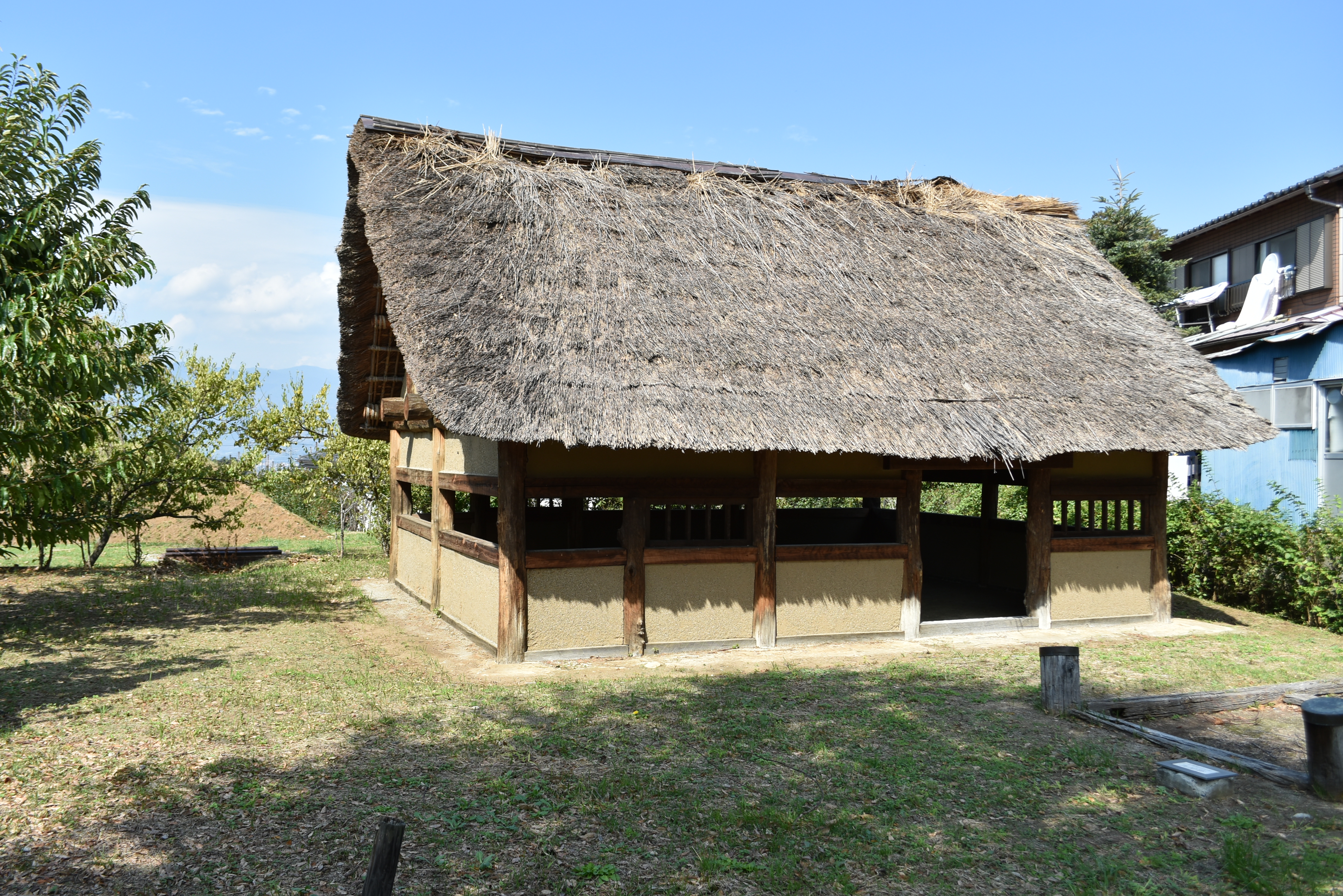
Katsunuma clan residence ruins
Sengoku period fortified residence ruins.
Furushida-Higashi ruins
Heian period fortified residence with moat.
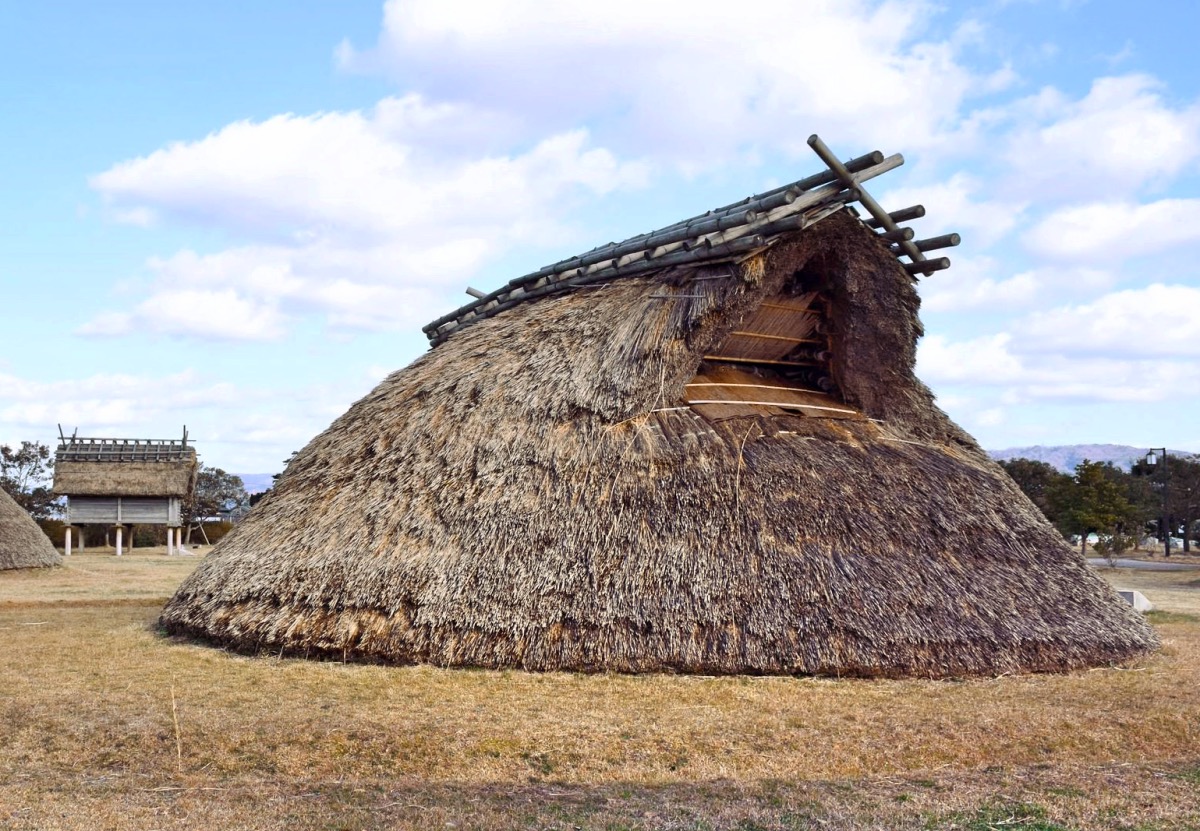
Yoshizaki-Suba Site
Yayoi period settlement remains, Ishikawa, Japan.
Binmanji Ishibotokedani Necropolis
Medieval Japanese necropolis with 1600 tombs.
Mangyō Site
Late Yayoi–Early Kofun settlement, Nanao (Ishikawa), Japan
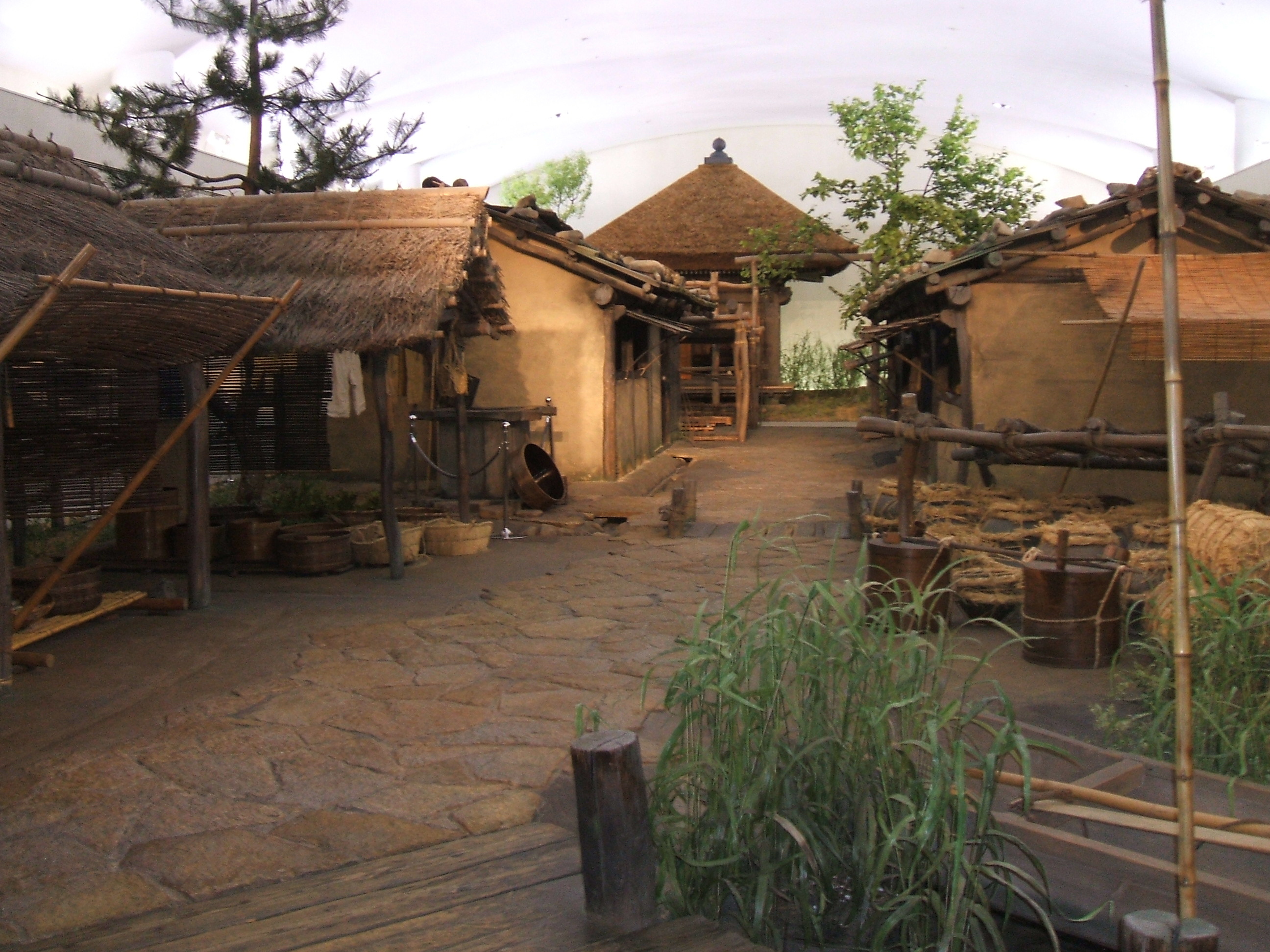
Kusado Sengen
Medieval port town near Ashida River